




Georgian Ceramic Mug
A georgian ceramic mug brings tactile warmth to daily drinkware, combining robust utility with hand-painted artistry from the eighteenth and nineteenth centuries.
Georgian Ceramic Mug
A georgian ceramic mug encompasses diverse drinking vessels intended for ale, coffee, chocolate, and tea produced across the eighteenth and nineteenth centuries. These drinking vessels bridge the gap between utilitarian tavern ware and refined porcelain display pieces.
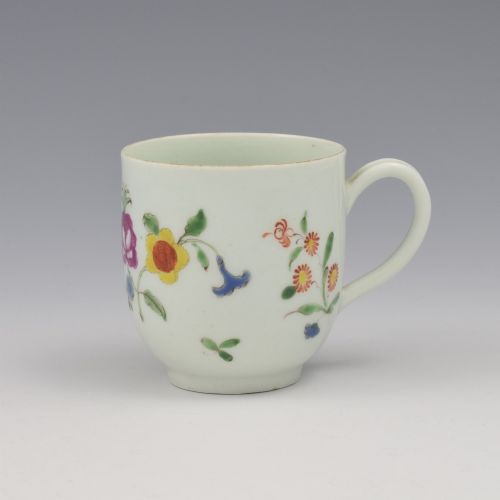
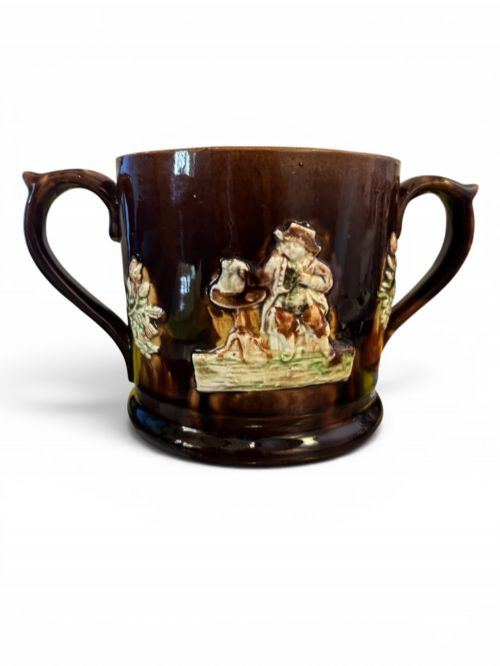
Mugs and tankards appear alongside coffee cups, loving cups, and porter mugs, reflecting the varied social drinking habits of the period. Forms range from heavy stoneware tygs and earthenware vessels to delicate porcelain coffee cans.
Examples originate from English factories, regional potteries, and continental workshops, demonstrating the broad geographical scope of ceramic production during the Georgian and Regency eras.
Materials and Construction
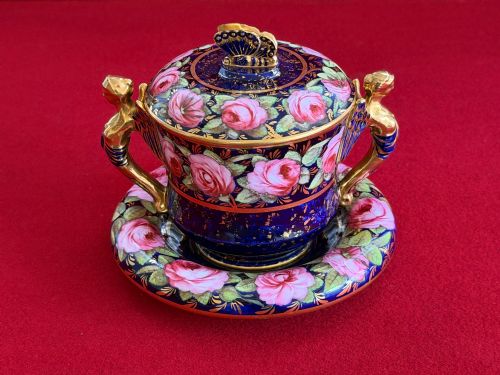
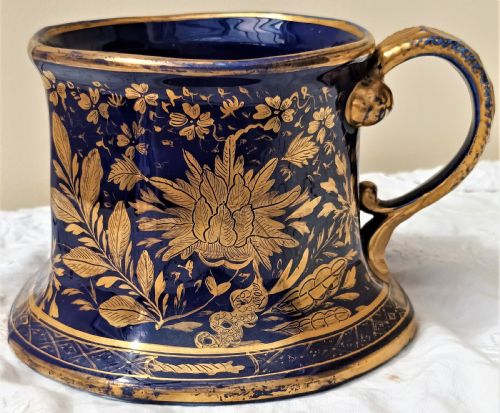
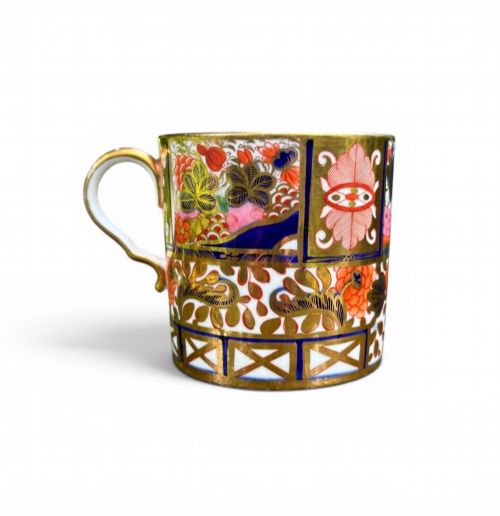
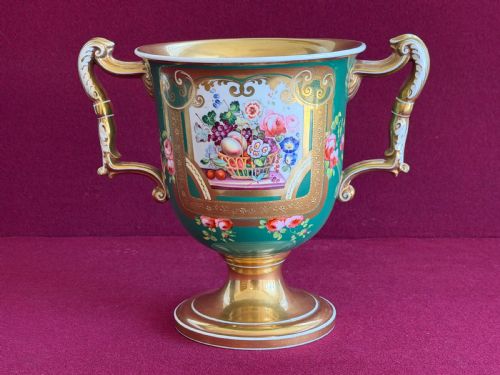
Potters utilised materials such as earthenware, soft-paste porcelain, ironstone, and stoneware, applying glazes and enamels to seal and decorate the vessels. Gold leaf and gilding frequently highlight finer porcelain porter mugs and cabinet pieces.
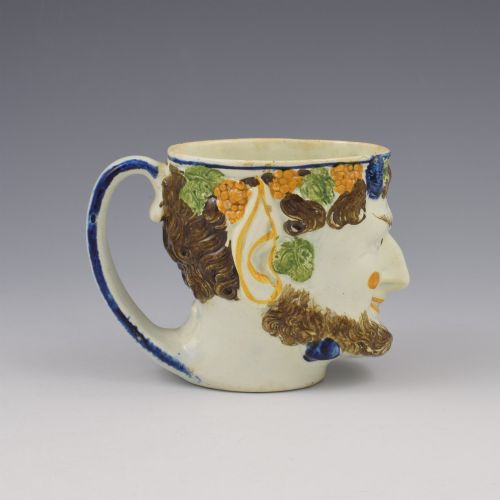
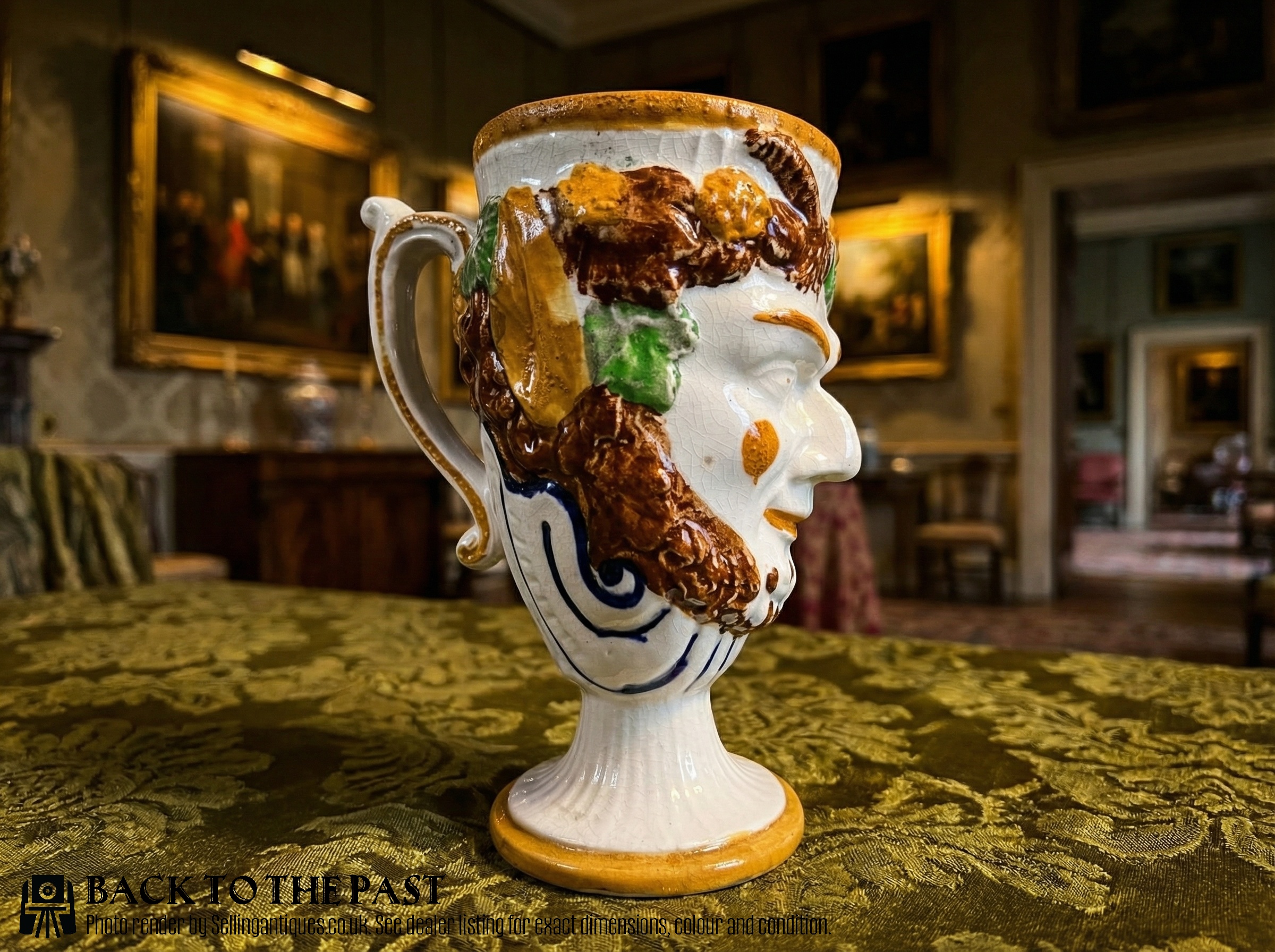
Decoration relied on hand-painted pigments, transfer printing, and moulded relief work, as seen in pearlware Bacchus satyr mugs and polychrome tankards. Specialised forms incorporated interior surprises, such as moulded frogs or newts rising through the liquid.
Listings feature eighteenth and nineteenth century periods, including Regency and the Georgian era, alongside materials like enamel, gold leaf, and ironstone.
Distinctions in Quality
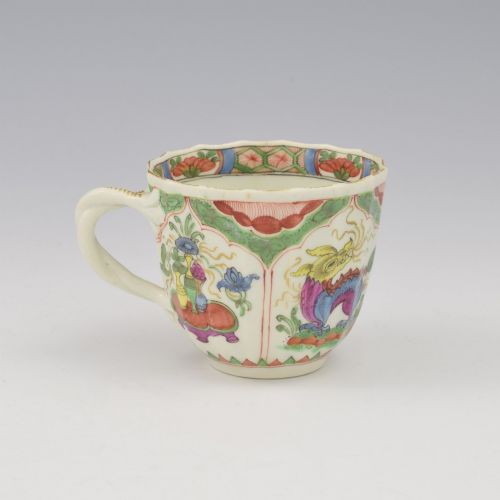
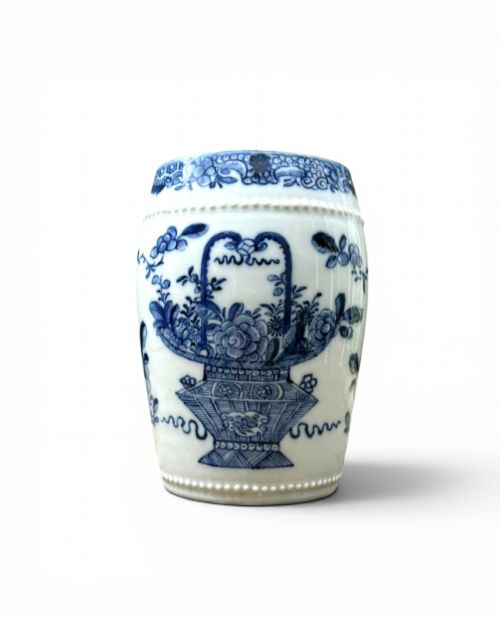
Quality rests on the precision of the potting, the clarity of the glaze, and the artistic execution of the painted or printed scenes. Finer porcelain pieces display crisp detail in transfer prints or delicate brushwork in polychrome enamels.
Substantial earthenwares and ironstone mugs depend on the vigour of their moulded relief and the stability of their multiple handles. The sophistication of the ceramic body, from coarse stoneware to translucent soft-paste porcelain, defines the standing of each vessel.
Spode·Richard Chaffers·Dr Wall·Derby Porcelain·H & R Daniel·Duesbury & Kean·Mason's Ironstone·Lowestoft Porcelain
The Georgian Ceramic Mug Glossary
- Pearlware
- A refined earthenware developed by Josiah Wedgwood featuring a bluish glaze that pooled in recesses to accentuate hand-painted decoration. This body formed the basis for many transfer-printed and figural mugs.
- Ironstone
- A dense, durable ceramic patented in the early nineteenth century that resisted chipping and suited heavy domestic use. Mason's ironstone mugs represent this robust tradition.
- Porter Mug
- A large drinking vessel designed specifically for dark malt beers, often featuring cylindrical sides and a sturdy handle. These mugs accommodated generous portions served in homes and public houses.
- Tyg
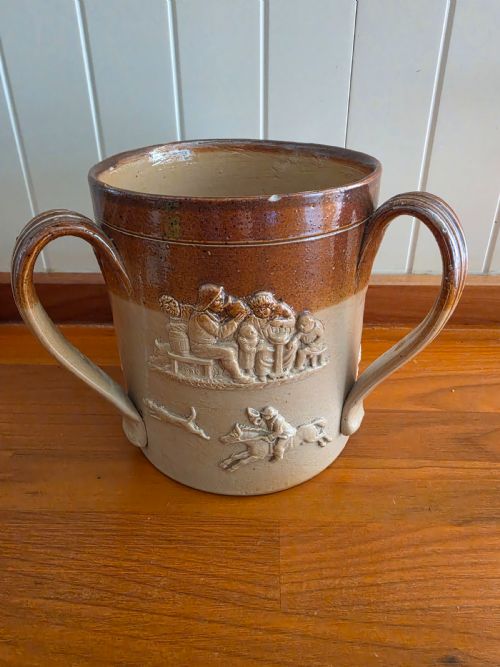
- A multi-handled drinking vessel, typically possessing three or more handles to allow communal passing around a table. Stoneware tygs provided stability during shared toasts.
- Soft-paste Porcelain
- An artificial porcelain composition fired at lower temperatures than hard-paste porcelain, creating a warm, slightly creamy body favoured by eighteenth-century English factories.
Georgian Ceramic Mug: Frequently Asked Questions
What is a frog mug?
A frog mug contains a small ceramic frog moulded inside the base, which startles the drinker as the liquid level drops.
These novelty vessels appeared frequently in earthenware and pearlware during the late eighteenth and early nineteenth centuries for tavern amusement.
How do I date an 18th century mug?
Dating relies on ceramic body composition, glaze characteristics, and painting styles associated with specific factories or decades.
Soft-paste porcelain and creamware dominate earlier pieces, while ironstone and pearlware typify the transition into the nineteenth century.
Were these mugs used daily?
Many sturdy stoneware, ironstone, and earthenware mugs served functional roles in homes and inns for ale, water, or cider.
Finer porcelain porter mugs and chocolate cups often served more formal functions or remained on display in parlours.