





White Ceramic Tankard
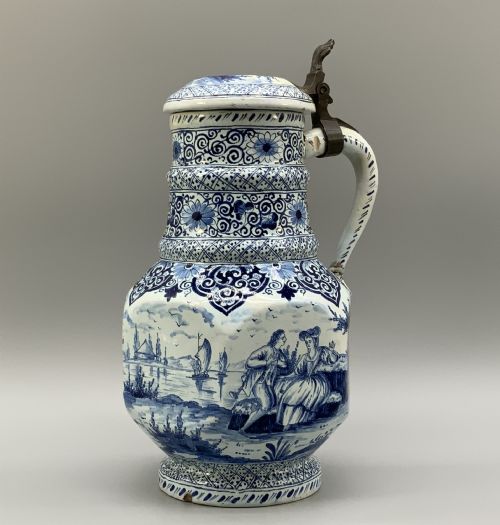
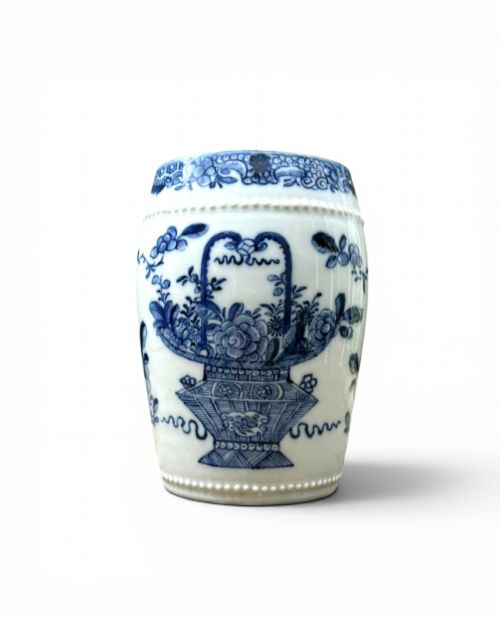
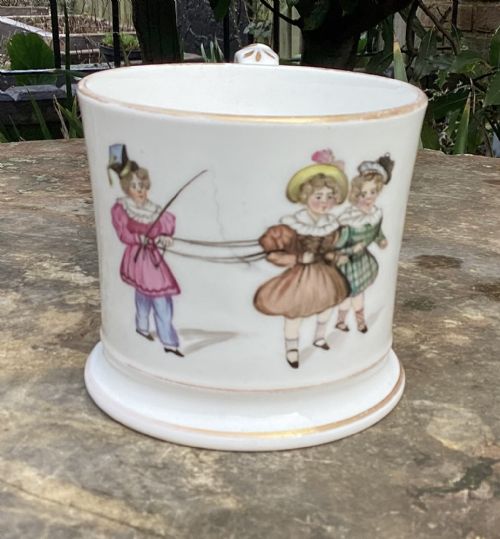
White ceramic tankard pieces are drinking vessels in porcelain, earthenware, and tin-glazed earthenware that bring eighteenth and nineteenth century domestic use straight to your table.
White Ceramic Tankard
White ceramic tankard selections encompass items from the eighteenth and nineteenth centuries, spanning Georgian, Regency, and Victorian periods. You will encounter forms ranging from barrel-shaped mugs and porter mugs to larger loving cups and pewter-lidded jugs.
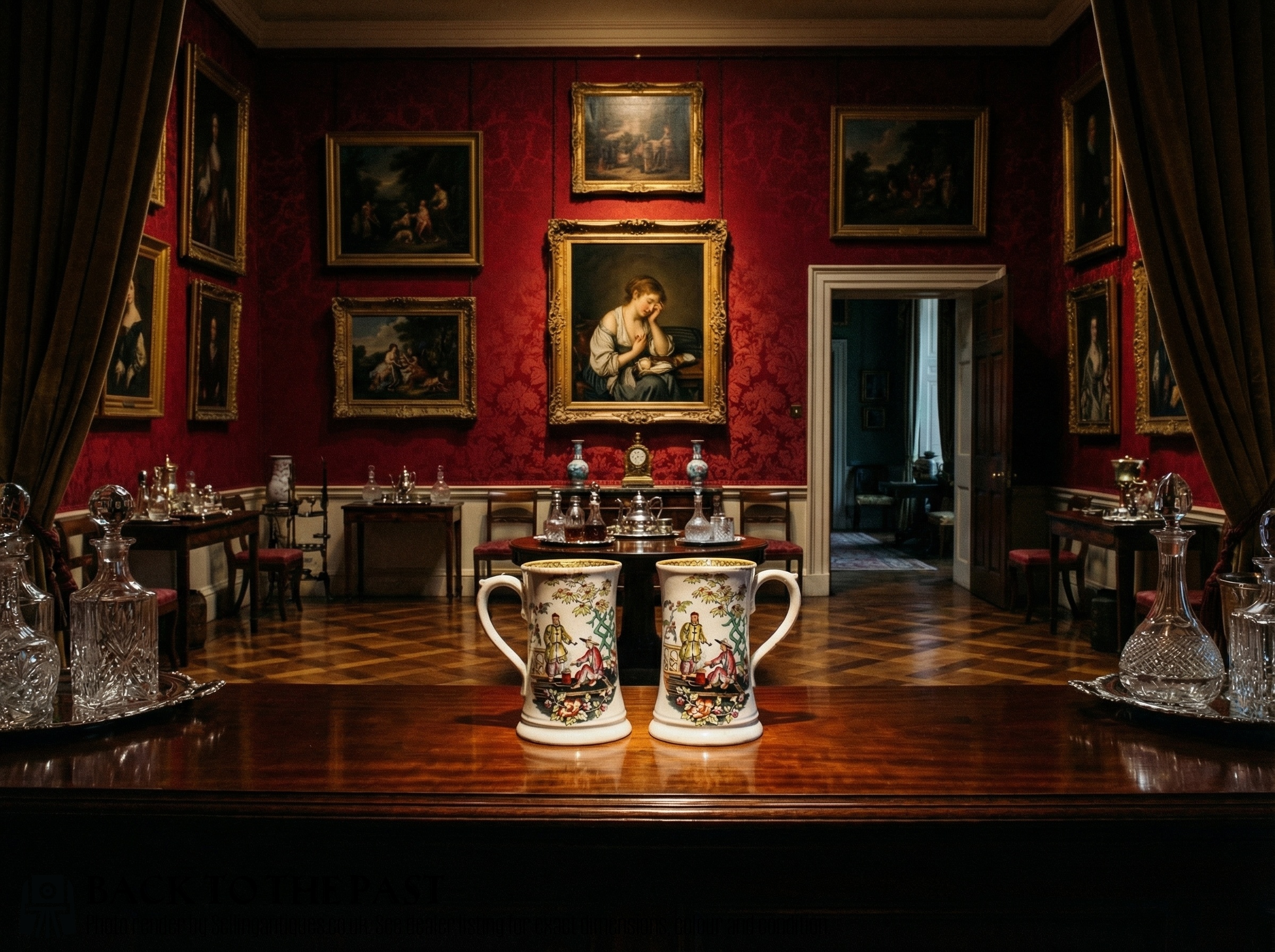
The assortment includes pieces decorated with cobalt underglaze, polychrome enamels, and black-and-white transfer prints. Origin points recorded in the listings point towards English factories, Dutch delftware production, and Chinese export porcelain destined for Western markets.
How they were made
Potters shaped these vessels using porcelain, pearlware, and tin-glazed earthenware, applying fluid glaze surfaces to seal the porous clay bodies. Many bodies received hand-painted scenes, transfer-printed topographical views, or enamel detailing before secondary firing.
Mounts and lids utilise pewter fitted directly to ceramic rims, while certain porcelain and earthenware examples incorporate applied handles and gilded highlights using gold leaf.
Listings feature eighteenth- and nineteenth-century eras, spanning materials from tin-glazed earthenware and pearlware to porcelain enhanced with gold leaf and cobalt underglaze.
What varies in quality
Quality rests upon the crispness of the porcelain or earthenware throwing and the control shown in the cobalt underglaze or polychrome enamel painting. Superior pieces display finely detailed hand-painted chinoiserie motifs or topographical scenes rather than routine factory output.
The preservation of the glaze surface, the neatness of any pewter lidded mounts, and the clarity of transfer-printed hunting or school scenes further divide standard domestic items from collector-grade examples.
Derby Porcelain·Copeland·Lowestoft Porcelain
The White Ceramic Tankard Glossary
- Tin-glazed earthenware
- Earthenware covered in a white tin-oxide glaze that provides an opaque surface for painted decoration. It serves as the primary base for delftware productions.
- Pearlware
- A refined form of earthenware developed in the late eighteenth century featuring a subtle bluish glaze pooled in crevices. It bridges the visual gap between creamware and true porcelain.
- Cobalt underglaze
- Pigment applied to the ceramic body prior to glazing and high-temperature firing. This technique protects the blue decoration beneath a glassy protective layer.
- Porter mug
- A large drinking vessel designed in the eighteenth and nineteenth centuries for consuming dark malt beer. These pieces often exhibit substantial proportions and sturdy handles.
- Famille rose
- A Chinese porcelain palette dominated by opaque pink enamel introduced during the eighteenth century. The style decorates numerous export mugs made for Western buyers.
White Ceramic Tankard: Frequently Asked Questions
What is a frog mug?
A frog mug is a drinking vessel featuring a small ceramic frog modelled inside the base or clinging to the rim. These humorous pieces often surprised drinkers as the beverage emptied.
Such mugs frequently date from the Georgian and Victorian eras and appeared in taverns or institutional settings.
How do I date a porcelain tankard?
Dating relies on body composition, glaze characteristics, and the style of painted or transfer-printed decoration. Chinese export pieces often reflect eighteenth-century Qianlong aesthetics.
English works display the stylistic shifts from Georgian chinoiserie to Regency and Victorian painted scenes.
Were these tankards used for daily drinking?
Many examples served practical roles in domestic households, inns, and institutions like schools for communal or individual drinking. Sturdy earthenwares and large porcelain porter mugs handled regular malt liquor and ale consumption.
Others, such as finely painted Chinese export porcelain, fulfilled display functions or commemorated specific commissions.
What is Chinese export porcelain?
Chinese export porcelain comprises wares manufactured in China specifically for European and American markets during the eighteenth century and earlier. These items combined traditional Asian potting methods with Western vessel shapes like barrel-shaped mugs.
Decorations frequently utilised famille rose or famille vert palettes tailored to foreign tastes.
How should I care for an antique mug?
Care requires gentle hand washing in warm water without harsh detergents to protect the historic glaze and gold leaf highlights. Avoid soaking pieces with repaired handles or pewter lidded mounts.
Display them away from direct sunlight and sudden temperature shifts to preserve the ceramic body.