




19th Century Tankard
When you search for a 19th century tankard, you enter a diverse field of drinking vessels shaped by changing social habits and workshop traditions.
19th Century Tankard
A 19th century tankard encompasses a wide variety of drinking vessels, including mugs, loving cups, pitchers, and steins designed for ale, beer, cider, and other beverages. The selection ranges from robust metal measures to delicate porcelain cabinet cups and enamelled glass.
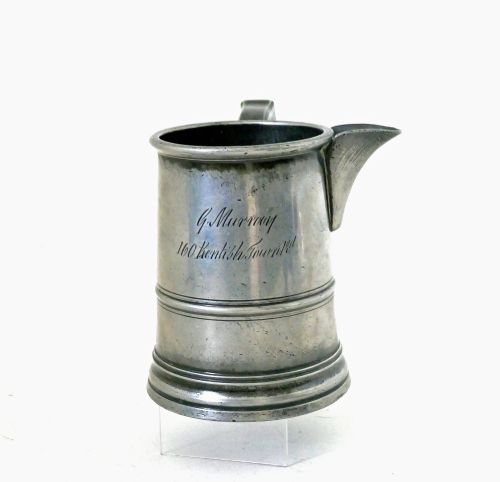
Buyers are most likely to encounter sturdy pewter vessels alongside ceramic examples in earthenware, ironstone, and porcelain, as well as silver-plated and glass drinking vessels. Many incorporate specific functional details such as lids, imperial capacity measures, and double handles for communal passing.
The aesthetic of a 19th century tankard reflects the shifting tastes of the period, drawing on Georgian practicality, Victorian ornamentation, Biedermeier clarity, and various revivalist and historicist movements.
How they were made
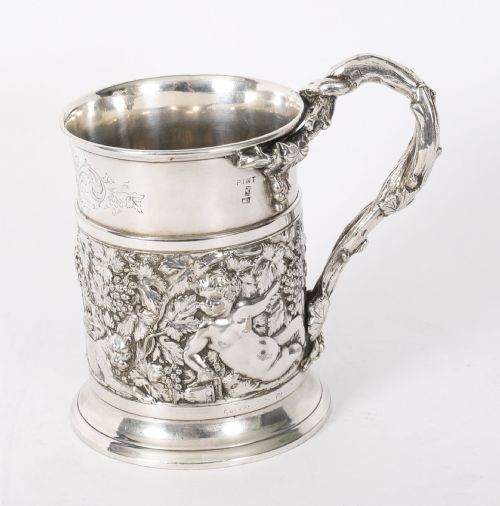
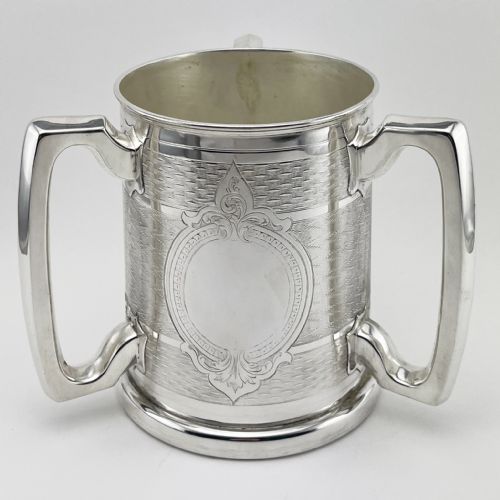
Metal vessels such as pewter and silver plate relied on casting, hammering, and soldering techniques, often enhanced by meticulous engraving, embossing, or wriggle work decoration.
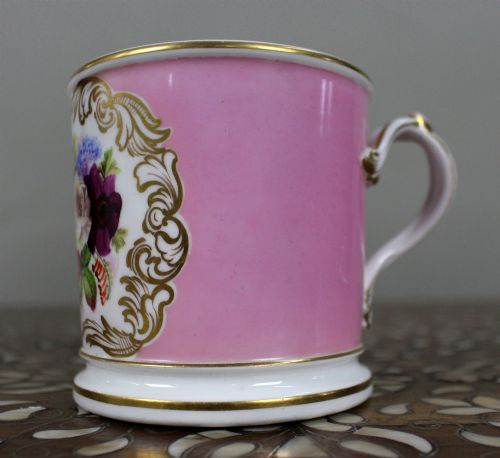
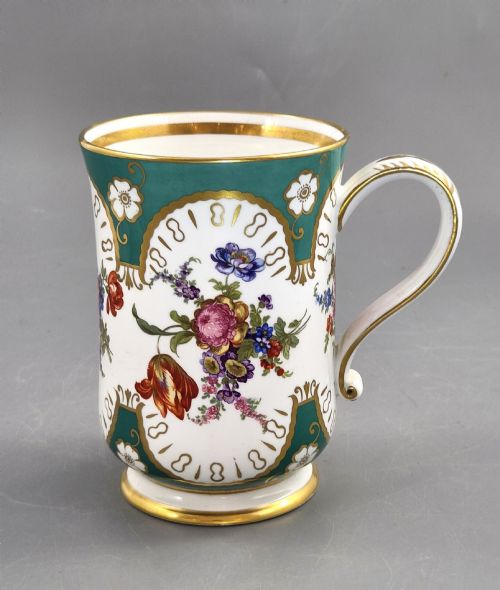
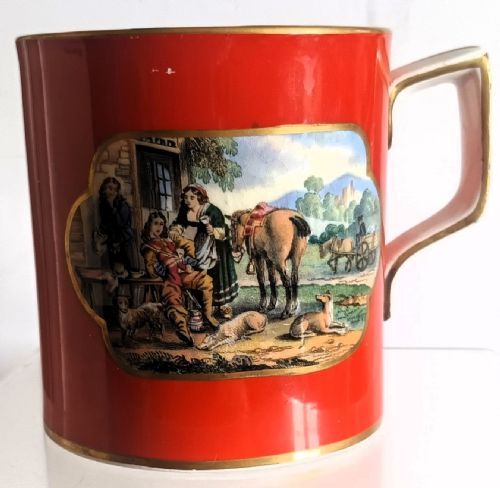
Ceramic examples utilised earthenware, ironstone, and porcelain bodies shaped on the wheel or in moulds, then decorated with hand-painted enamels, transfer printing, or rich ground colours.
Glass tankards were formed through blowing and moulding, frequently decorated with wheel-engraving, painted panels, or applied cranberry trailing.
Listings feature materials spanning pewter, porcelain, silver plate, earthenware, glass, and copper.
What varies in quality
Quality in these drinking vessels depends heavily on the crispness of the casting, the precision of the engraving, and the skill evident in hand-painted ceramic decoration or enamelling.
Subtlety of proportion and the integrity of the materials, whether substantial silver plating over copper or high-grade pewter alloys with clear touchmarks, distinguish finer workshops from mass production.
Grainger Worcester·G R Collis·Sarreguemines·Thomas Phillips I·Royal Vienna·Wemyss
The 19th Century Tankard Glossary
- Pewter
- A malleable metal alloy primarily composed of tin, historically used for durable tavern and domestic drinking vessels. Touchmarks stamped into the metal often identify the maker or guarantee the alloy standard.
- Loving cup
- A large drinking vessel featuring two or three handles designed to be passed around a company during communal toasts. They appear in ceramic, silver plate, and pewter.
- Old Sheffield plate
- A composite material formed by fusing a thin sheet of silver to a thicker copper base under heat and pressure. It allows for silver surfaces with the structural strength of copper underneath.
- Transfer printing
- A decoration technique where an engraved metal plate transfers a design onto paper, which is then pressed onto the ceramic body before glazing. This method allowed for intricate hunting scenes and pictorial panels.
- Wriggle work
- A surface engraving technique executed by rocking a flat chisel blade back and forth across the metal to create a zig-zag line. It is frequently found on pewter tankards.
19th Century Tankard: Frequently Asked Questions
Were these vessels used for daily drinking?
Many pewter and ceramic examples served functional roles in homes, taverns, and institutions, handling daily quantities of beer, ale, or cider.
Others, such as finely painted porcelain cabinet pieces or presentation silver, were ornamental items intended for display rather than regular tavern use.
How can I tell glass tankards apart by period?
Earlier glass vessels from the early nineteenth century often exhibit heavy lead content, deep wheel engraving, and simpler cylindrical profiles.
Later Victorian examples frequently incorporate colourful additions like cranberry glass, applied trailing, or painted panels associated with Bohemian and British production.
What do touchmarks on metal tankards indicate?
Touchmarks stamped into pewter or silver serve as manufacturer signatures or workshop hallmarks, denoting the origin and standard of the metal.
They help historians trace the piece to specific towns, guilds, or individual metalsmiths operating within the nineteenth century.