



Pewter Lidded Flagon
These pewter lidded flagon examples combine sturdy metalwork and hinged lids, offering both utility and historic character for your display.
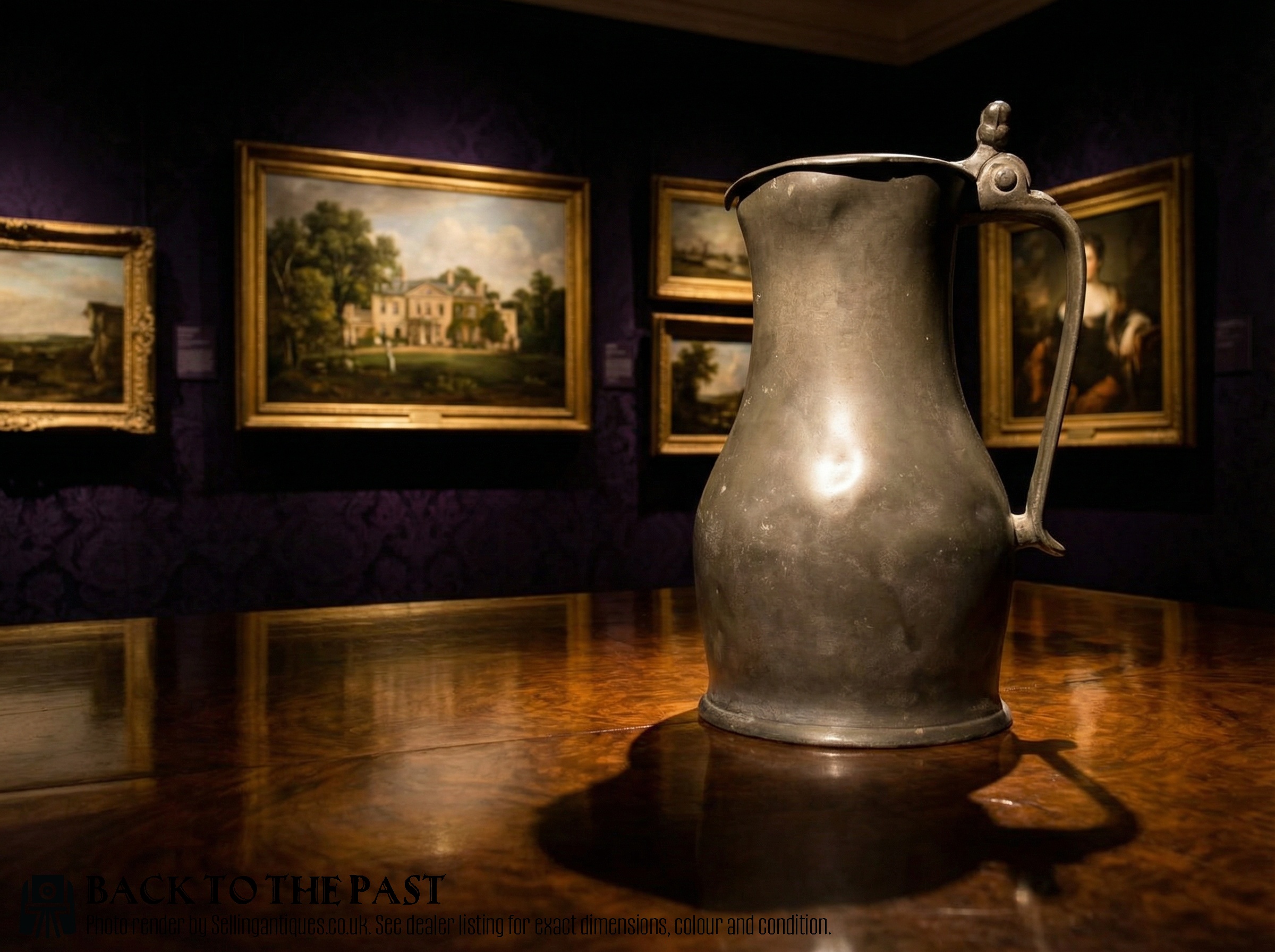
Pewter Lidded Flagon
A pewter lidded flagon is a historic pouring vessel fitted with a hinged cover, designed primarily for holding and serving liquids. The pieces you encounter span from the eighteenth century to the nineteenth century, reflecting domestic, ecclesiastical and tavern use.
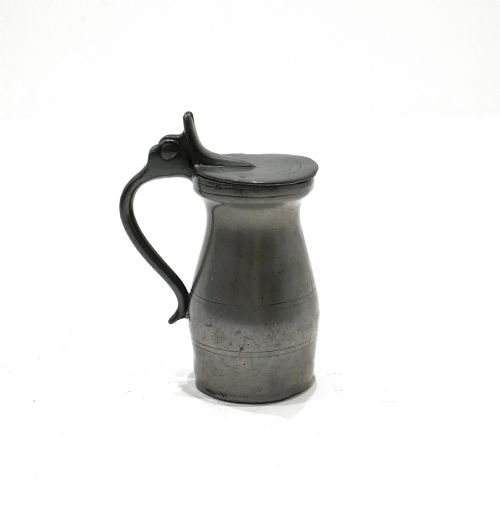
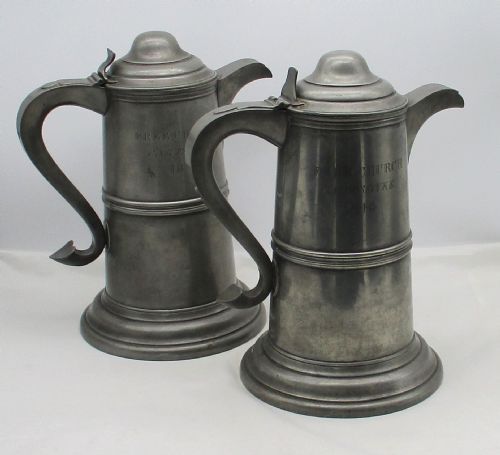
Most examples originate from English, Scottish, Irish and Channel Island workshops, alongside occasional German counterparts. You will find forms ranging from flat-lidded measures to tall spire flagons and crested tappit hens.
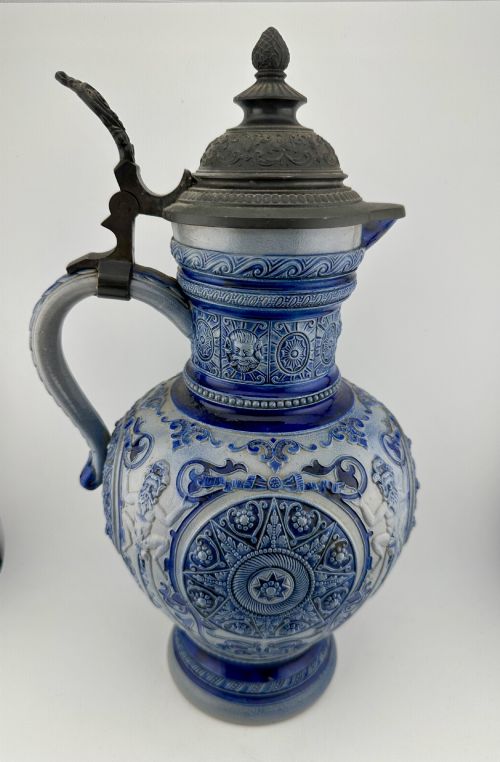
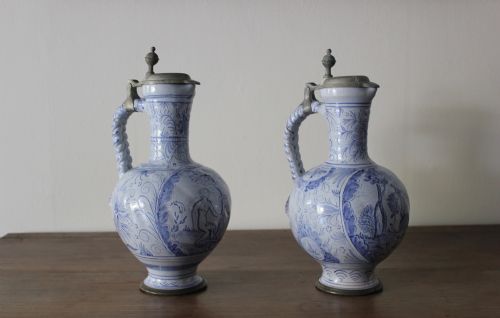
While metalware dominates the selection, occasional tin-glazed earthenware vessels also appear under this heading. These earthenware pieces provide a ceramic alternative to traditional grey metal whilst retaining the lidded vessel form.
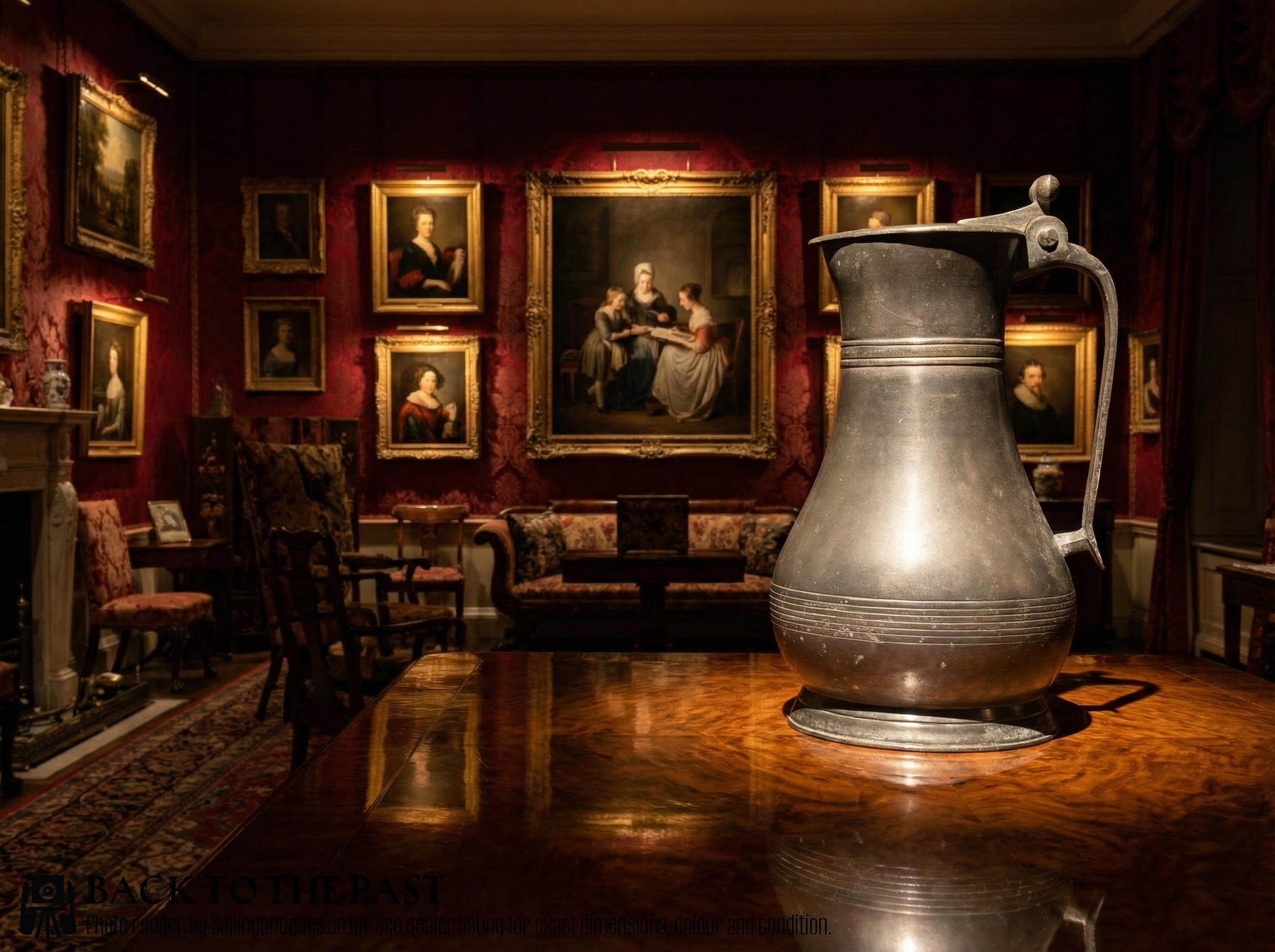
How they were made
The primary material across the selection is pewter, an alloy traditionally composed of tin combined with lead or copper to give it durability and weight. Makers shaped these vessels through casting and hammering, joining components with solder to create rigid bodies and secure handles.
Certain German and Art Nouveau examples incorporate cast relief decoration such as hops or masonic motifs directly into the body. Earthenware vessels utilise a tin glaze over a clay base, finished with blue pigment painting to mimic metallic or imported ceramic styles.
Pewter Lidded Flagon Retail Price Guide 2026
Typical asking prices for pewter lidded flagon among the pieces listed under this phrase on Sellingantiques today, from the lower quarter to the upper quarter. They describe what is for sale here now, not the wider market.
Scottish drinkers named one classic vessel after a brooding bird, ensuring every pint of ale came with poultry heritage.
What varies in quality
Quality rests upon the crispness of the original casting and the proportion of the vessel's profile. Finer pieces retain clear touchmarks, sharp heraldic crests and unblemished thumbpieces on their hinged lids.
The integrity of the original solder joints and the weight of the metal distinguish superior tavern and church flagons from lighter utility pieces. Well-balanced handles and intact hinge pins indicate careful manufacture and proper historic preservation.
John Heaney of Dublin·Robert Iles of London·John de St Croix·Nicolas Le Cheminant·Carter
The Pewter Lidded Flagon Glossary
- Touchmark
- A maker's stamp pressed into the pewter surface to indicate origin and standard. These small punches serve as the primary signature of the workshop.
- Tappit hen
- A traditional Scottish pewter measure featuring a lid with a knob and a distinct bulbous body. This specific form was widely used for ale.
- Spire flagon
- A tall drinking vessel topped by a sharply tapering conical lid. This silhouette is particularly associated with eighteenth-century English church silver and pewter.
- Spirit measure
- A standardised vessel designed to hold precise volumes of liquor for trade or tavern use. Examples often bear official verification marks from various reigns.
Pewter Lidded Flagon: Frequently Asked Questions
How do I clean antique pewter?
Dust your pieces gently with a soft dry cloth to preserve their historic surface. Avoid modern metal polishes that strip away the dark grey patina accumulated over centuries.
Keep the metal away from damp environments and extreme heat to prevent corrosion. A light application of microcrystalline wax can protect the surface if handled frequently.
Were these flagons used for church services?
Many large flagons served ecclesiastical purposes, holding sacramental wine for communion in parishes across England and Scotland. Their generous capacity and solemn proportions suited formal religious ceremonies.
Other examples were made for taverns, guild halls or domestic households to dispense ale and spirits. Examining the capacity marks and crests often reveals whether a piece had a sacred or secular function.
How can I tell English pewter from Channel Island pieces?
Channel Island pieces, particularly those from Guernsey and Jersey, often follow distinct local capacity standards and unique handle shapes. Their makers frequently struck touchmarks that differ from standard London guild practices.
English pieces tend to follow prevailing metropolitan fashions of the Georgian era, such as spire lids or imperial capacity stamps. Comparing the touchmark against known regional registers provides the most reliable attribution.