


Antique Pewter Measure
An antique pewter measure brings functional tavern history to the table, offering tactile metal forms shaped by centuries of liquid trade.
Antique Pewter Measure
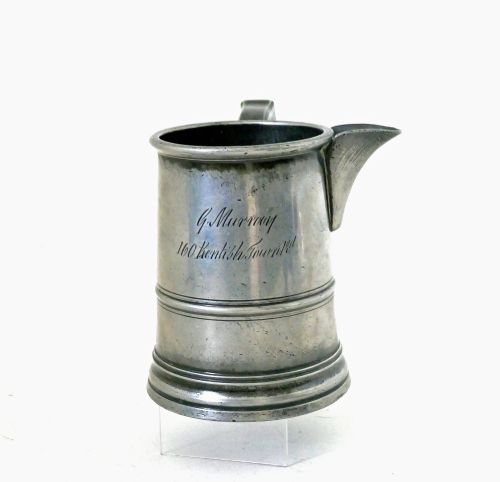
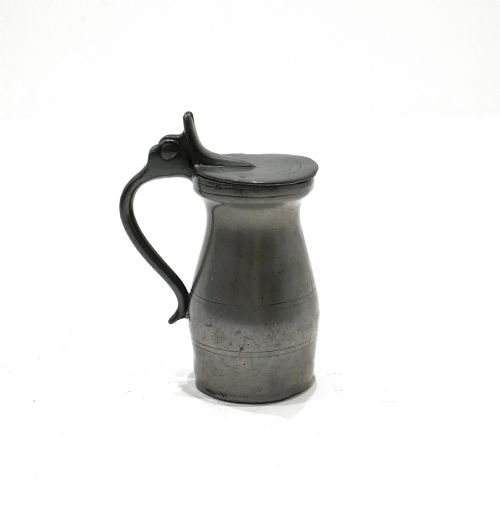
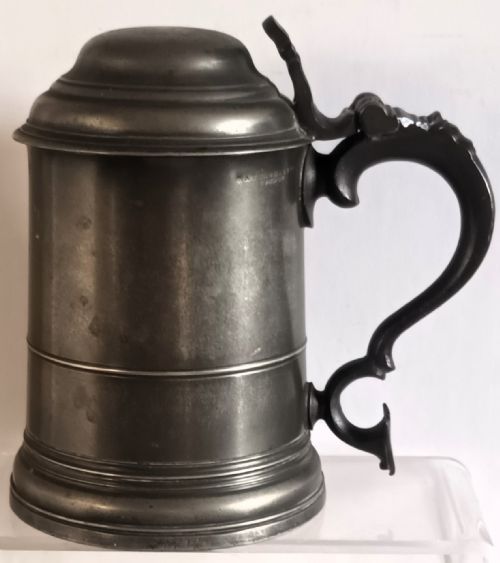
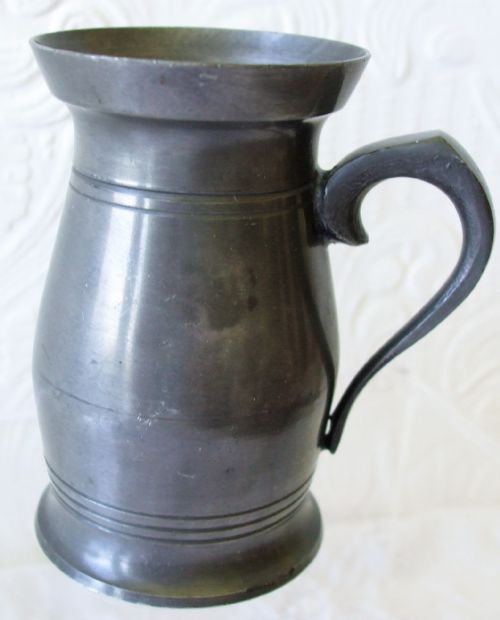
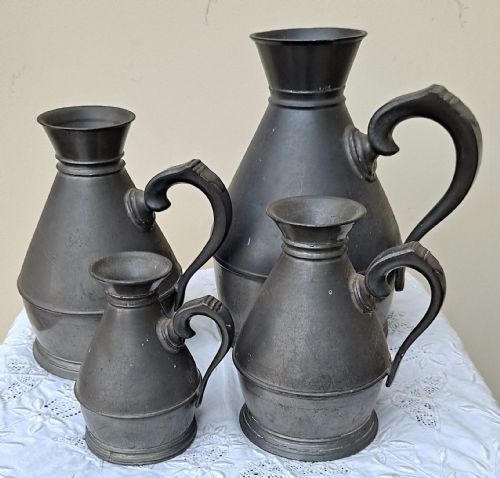
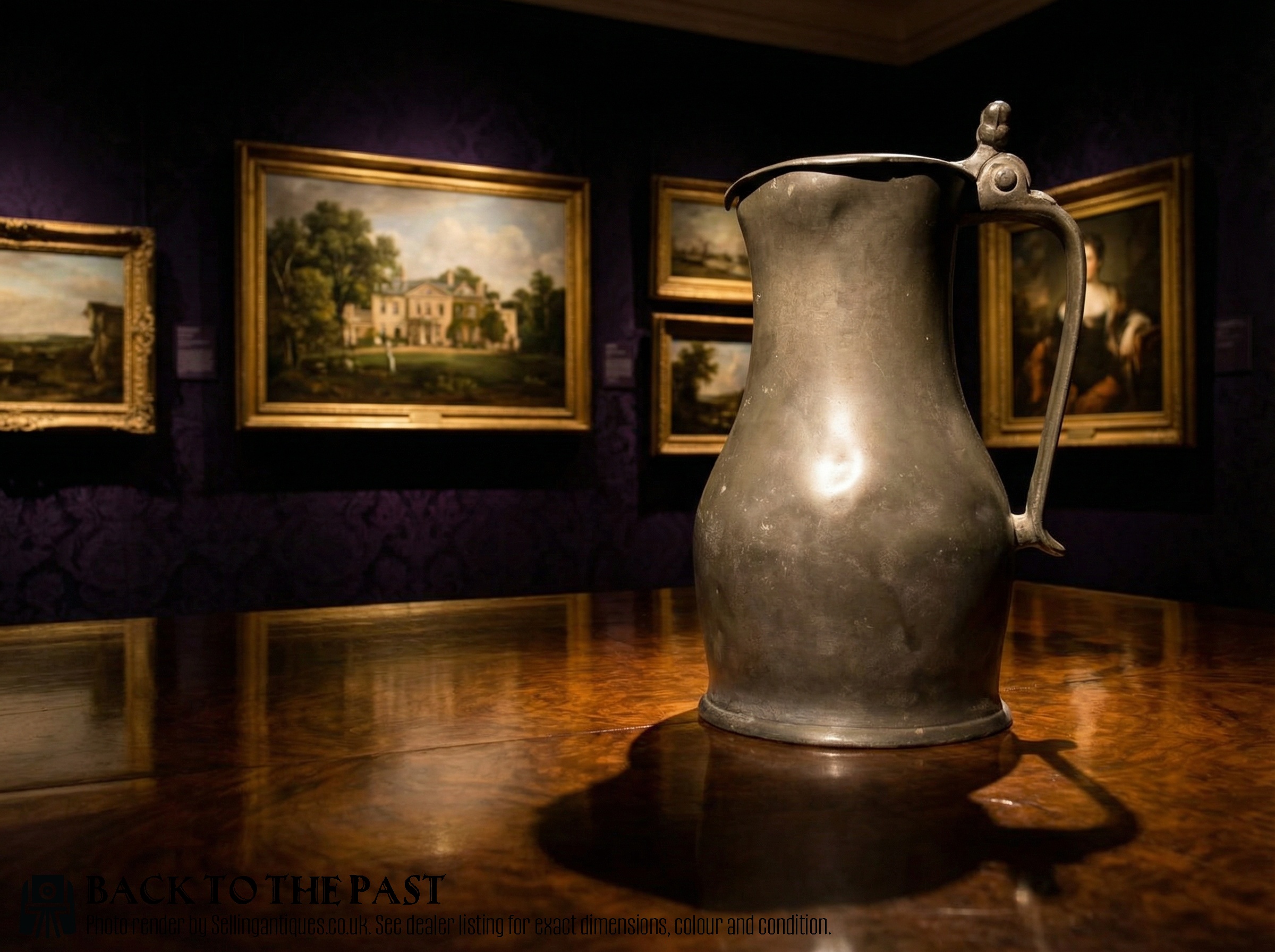
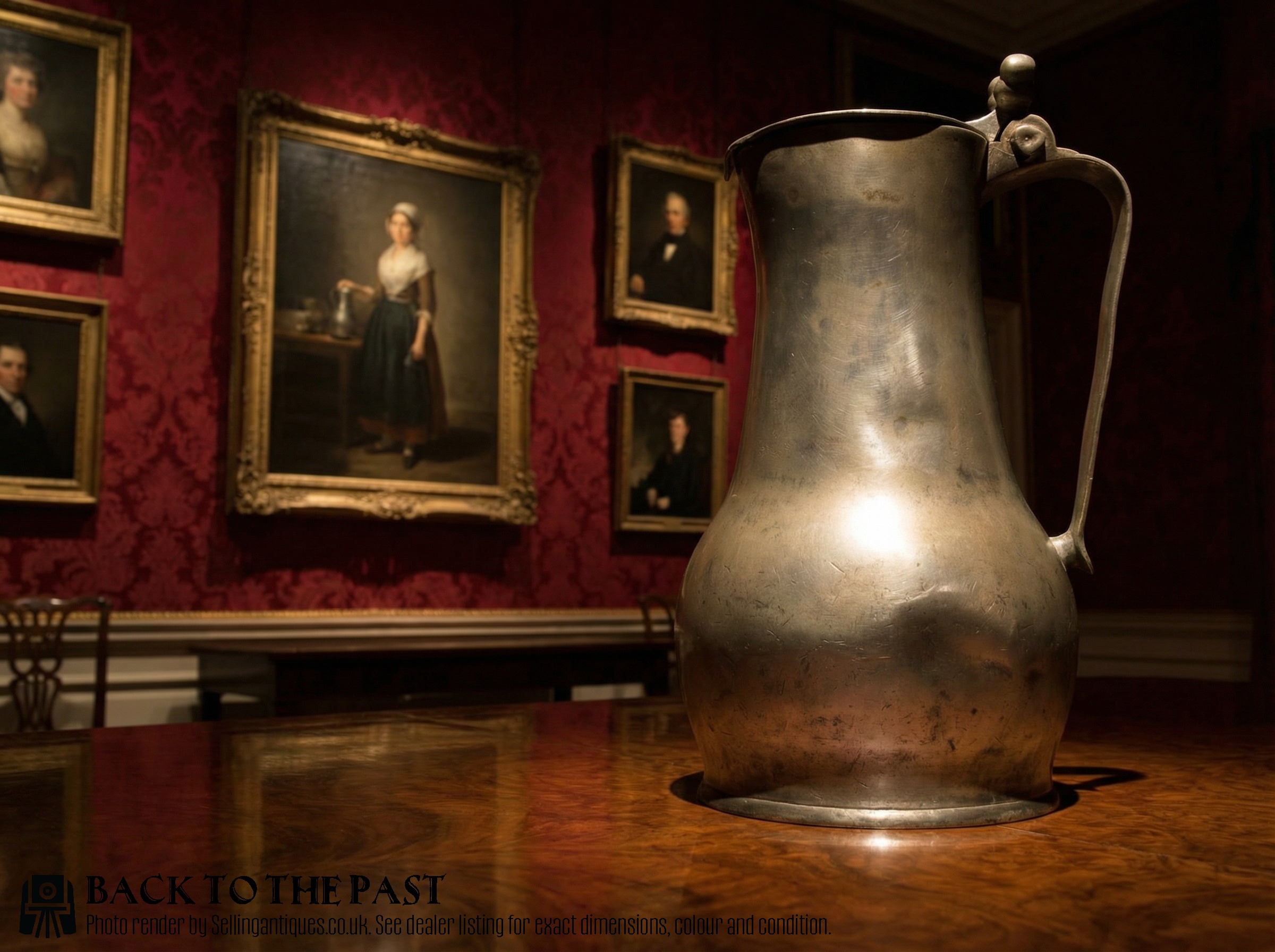
The search phrase antique pewter measure covers functional vessels designed for liquid capacity, emerging across the eighteenth and nineteenth centuries in domestic, tavern, and commercial settings. These items include flat-lidded flagons, bulbous baluster shapes, and grouped sets such as Irish haystack measures or Scottish tappit hens.
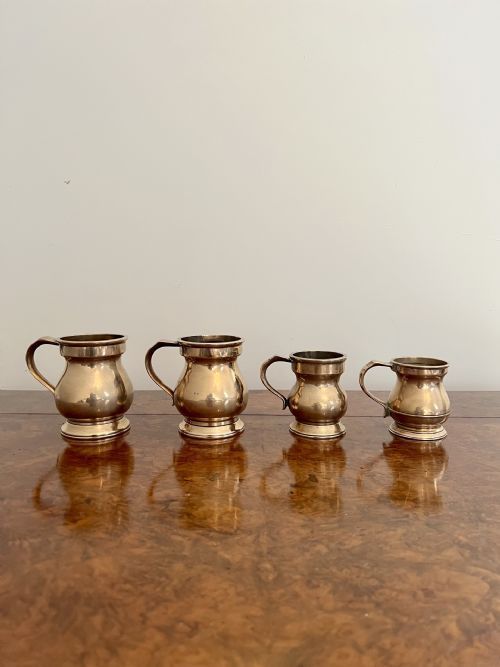
Pieces originating from regional workshops often display distinct local capacities and silhouettes, including Channel Islands varieties from Jersey and Guernsey alongside English, Scottish, and Irish examples. Buyers encounter individual half-pints, gills, and quarts, as well as complete graduated sets used originally for ale, spirits, and grain.
How they were made
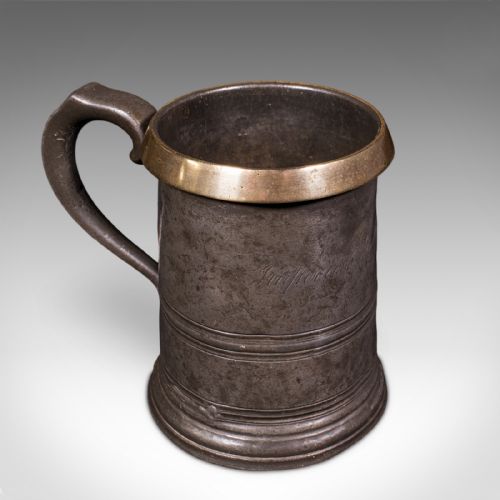
Craftsmen formed these vessels primarily from pewter, an alloy composed mainly of tin combined with lead, copper, or antimony to provide rigidity and weight. Certain variations incorporate brass rims or applied brass details around the lip for added durability during daily tavern service.
Makers utilised casting techniques, pouring molten metal into multi-part moulds before turning the bodies on lathes to smooth the surface and refine the profile. Handles, spouts, and lids were cast separately and soldered to the main body, followed by hand-finishing and engraving of capacity marks.
Listings feature eighteenth and nineteenth-century pieces alongside regional items from Jersey, Guernsey, Scotland, Ireland, and England.
What varies in quality
The standard of a piece rests heavily on the clarity of its touchmarks, stampings, and verification marks left by inspectors who tested the vessel for accurate volume. Crisp maker signatures and official regional stamps elevate the historical significance of the object.
Weight and structural integrity also separate standard utilitarian items from superior examples, with heavier-gauge metal resisting dents and maintaining sharper lines on baluster curves and lid edges. Original unpolished surfaces retain patination valued by collectors.
Watts and Harton·Frederic Sanders·Thomas Phillips I·John De St Croix·James Yates·Thomas and Townsend Compton·W R Loftus·Samuel Cocks
The Antique Pewter Measure Glossary
- Baluster
- A curved, vase-like vessel shape featuring a bulbous lower body tapering to a narrower neck, commonly seen in Georgian and Victorian tavern examples.
- Touchmark
- A stamp impressed into the metal by the maker or workshop, serving as a signature of origin and adherence to guild standards.
- Tappit hen
- A traditional Scottish flagon form featuring a lid with a knob and a distinct tapered body, often holding specific regional capacity volumes.
- Haystack measure
- An Irish regional measure style characterised by a tall, distinctive curved profile resembling a stacked bundle of hay.
- Verification mark
- An official stamp applied by local authorities to certify that the vessel held the exact legal volume required for trade.
Antique Pewter Measure: Frequently Asked Questions
What were pewter measures used for?
These vessels served primarily in public houses, inns, and markets to measure and pour precise quantities of ale, spirits, and sometimes grain for customers.
They functioned both as storage containers behind the bar and as serving jugs brought directly to tavern tables.
How do I identify the capacity?
Capacities are typically indicated by touchmarks, engraved capacity statements like pint or quart, or official verification stamps applied to the rim or body.
Regional variations such as Scottish pints or local noggin sizes often follow specific traditional volume standards rather than standard modern measurements.
Are these items safe for drinking?
Older pewter formulations frequently contained lead, which makes historical measures unsuitable for modern consumption of acidic or alcoholic beverages.
Most collectors treat these pieces as display objects rather than functional tableware for daily use.
How should I clean my pewter measure?
Maintenance requires only gentle dusting or occasional washing with mild soap and warm water to protect the historic surface layer.
Harsh metal polishes and abrasive cleaners should be avoided because they strip away the dark patination accumulated over centuries.