




Georgian Pewter Measure
A georgian pewter measure is a utilitarian drinking vessel that brings the heavy weight and honest grey metal of eighteenth-century taverns straight to a modern shelf.
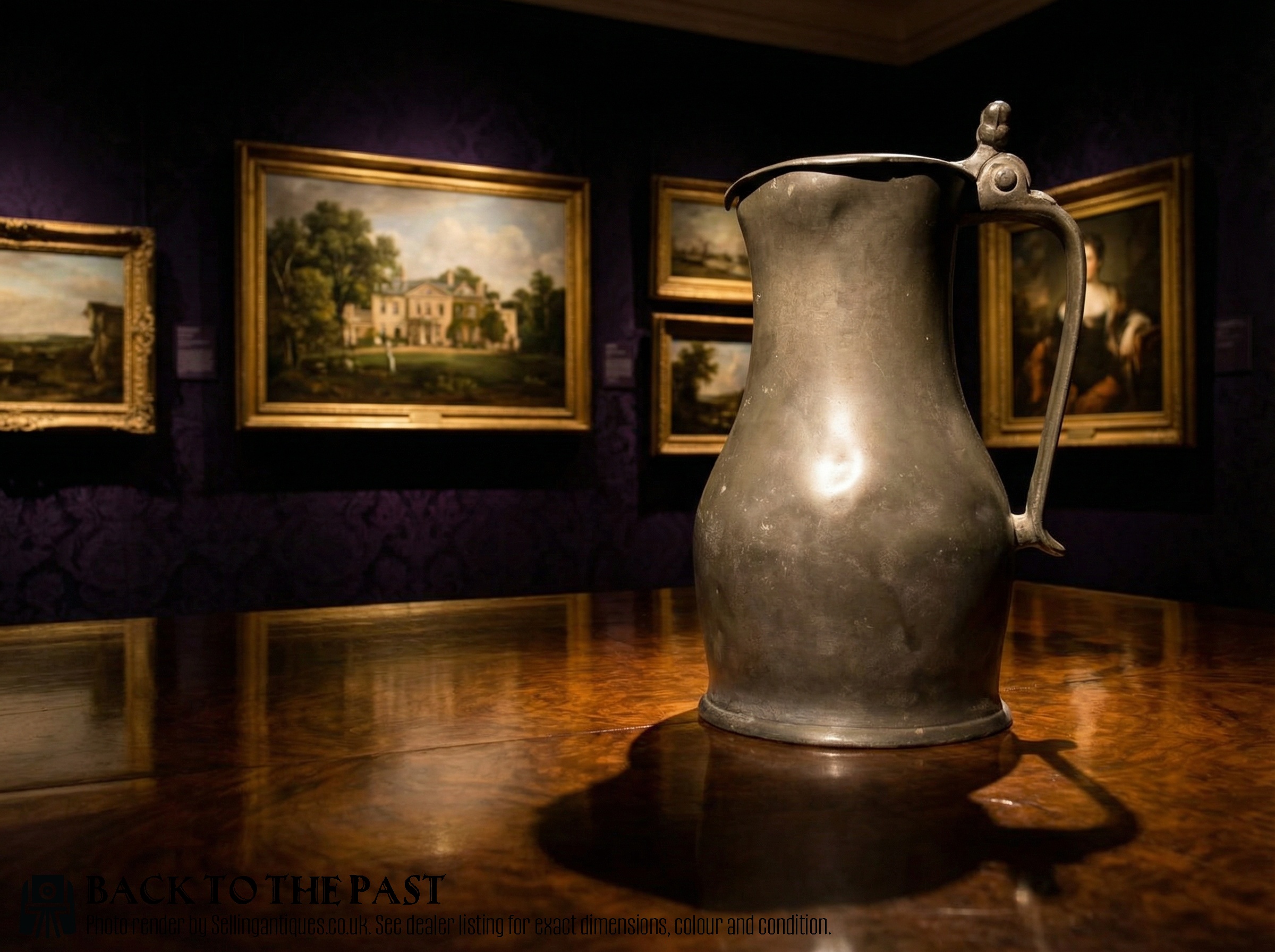
Identifying georgian pewter measure
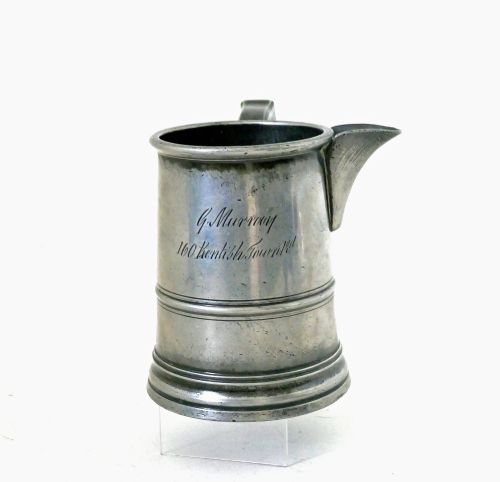
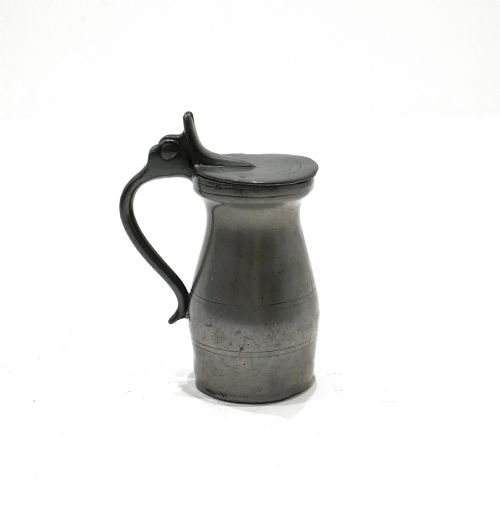
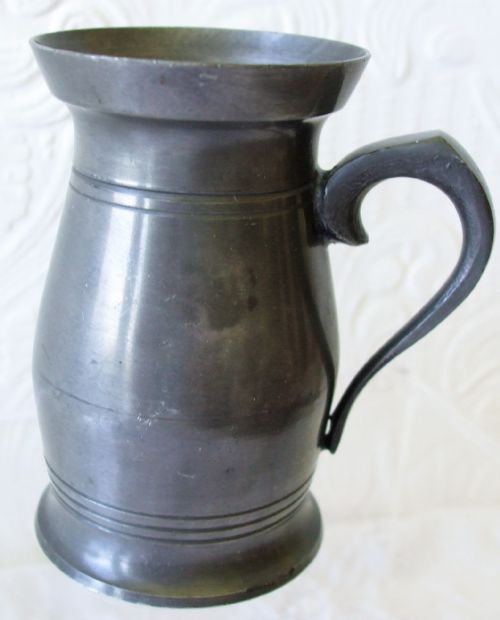
Buyers will encounter specific regional shapes such as Scottish tappit hens and Jersey lidless measures, as well as classic baluster jugs. These pieces often feature capacity marks, touchmarks, or crisp contemporary engraving naming former owners or establishments.
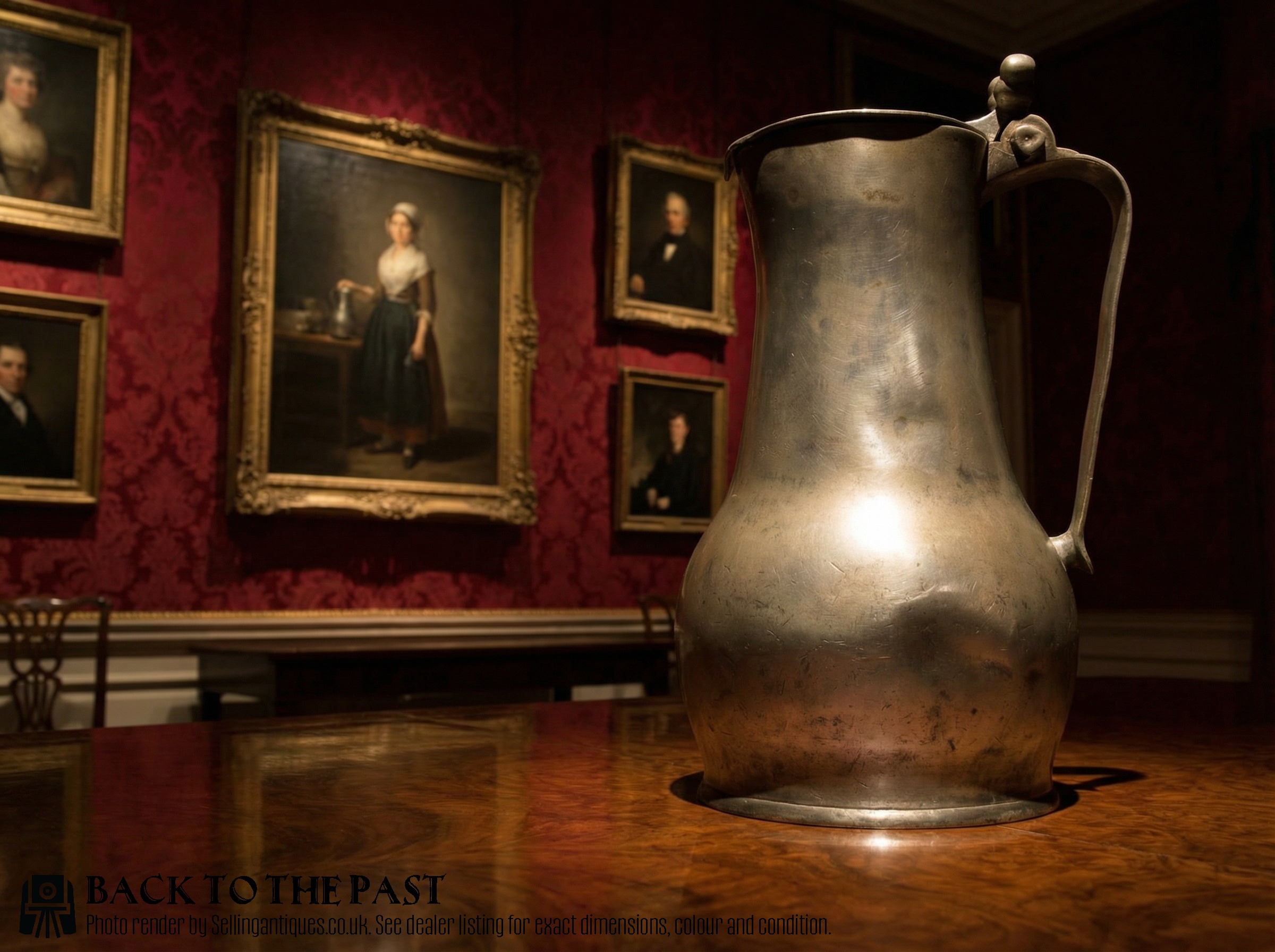
Materials and construction
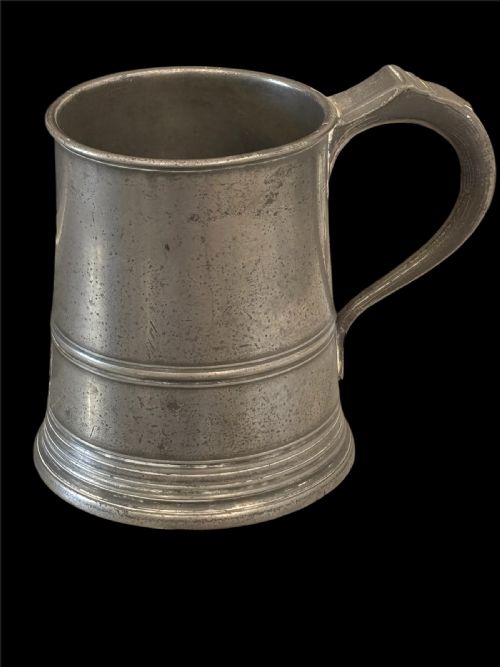
These vessels are cast entirely from pewter, a durable tin alloy traditionally mixed with lead, copper, or antimony to achieve stability and a soft metallic lustre. Makers shaped the bodies in multiple sections, soldering components together with neat seams before finishing the surface on a lathe.
Handles, flat lids, and thumbpieces were cast separately and securely attached to the main body to withstand the heavy daily usage of alehouses and inns. Tool marks and subtle lathe rings frequently remain visible across the interior and exterior walls of older pieces.
Retail Price Guide 2026
Typical UK retail prices for georgian pewter measure, calculated from the Sellingantiques database of over a million retail prices indexed since 2003. This retail price guide relies exclusively on Sellingantiques data; no external sources or auction records are used, so the figures do not describe the wider market.
Judging quality in pewter
Quality rests in the crispness of the original cast, the structural integrity of the solder joints, and the preservation of authentic surface patination over centuries of handling. Vessels that retain their original touchmarks, maker stamps, and capacity indicators command higher regard from collectors.
Proportion and weight dictate the finer examples, where thick metal walls provide a satisfying heft without clumsy repairs or heavy modern restoration. A pleasingly worn grey skin, free from excessive pitting or deep corrosion, marks the most desirable survivals.
John De St Croix·James Yates·Yates and Birch
The Georgian Pewter Measure Glossary
- Pewter
- A malleable metal alloy composed primarily of tin combined with lead or other metals, utilised historically for domestic tableware and drinking vessels.
- Baluster measure
- A traditional jug shape featuring a rounded bulbous body tapering upward toward a flared rim, standard for liquid capacity.
- Touchmark
- An identifying stamp or hallmark impressed by a pewterer or guild onto a finished piece to certify its standard and maker.
- Gill
- An historical unit of liquid capacity equal to a quarter of a pint, frequently found on small spirit measures.
- Tappit hen
- A distinctive traditional Scottish form of lidded pewter measure with a tapering body and a lid topped by a knob.
Frequently Asked Questions
What were pewter measures used for?
These vessels served as official standards for measuring and dispensing wine, spirits, and ale in taverns, inns, and households before the adoption of universal glass bottles.
They ensured customers received precise quantities of liquid, remaining a functional fixture of daily eighteenth-century hospitality.
Can I still drink from them?
Historic pewter often contains lead within the metal alloy, meaning these pieces are generally unsuited for modern consumption of acidic beverages or alcohol.
It is far better to appreciate them as decorative objects of social history rather than functional kitchenware.
How do I spot a fake measure?
Authentic pieces display honest signs of age, including natural surface oxidation, minor dents from tavern use, and genuine maker touchmarks stamped into the metal.
Castings should feel heavy and substantial, lacking the overly bright finish or uniform perfection typical of modern reproduction items.