
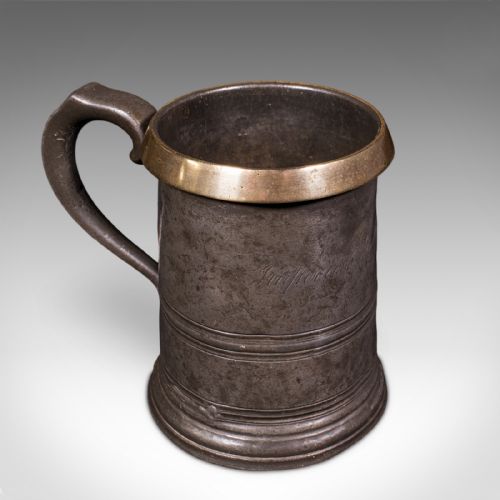


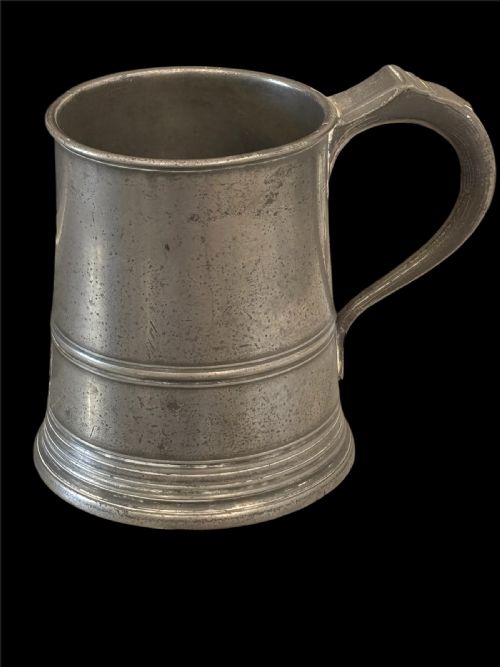


Pewter Ale Measure
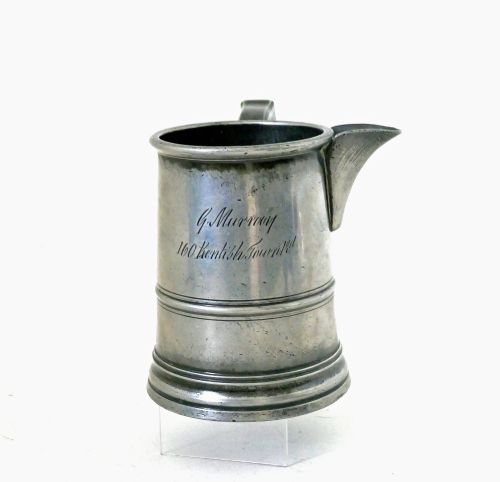
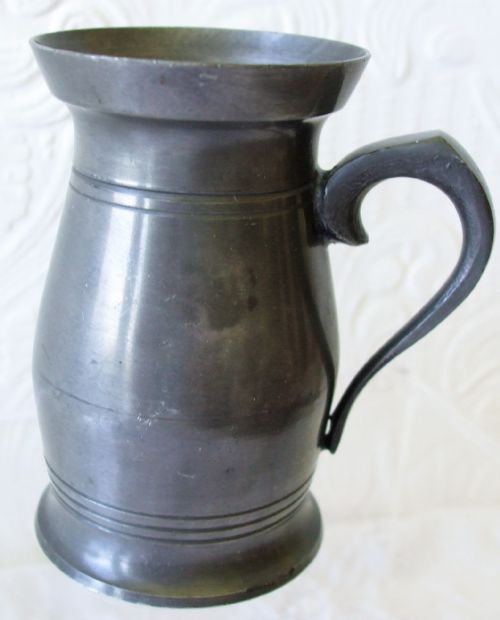
These pewter ale measure pieces are traditional serving vessels built for heavy tavern use, combining robust tin alloys with honest tavern utility.
What They Are
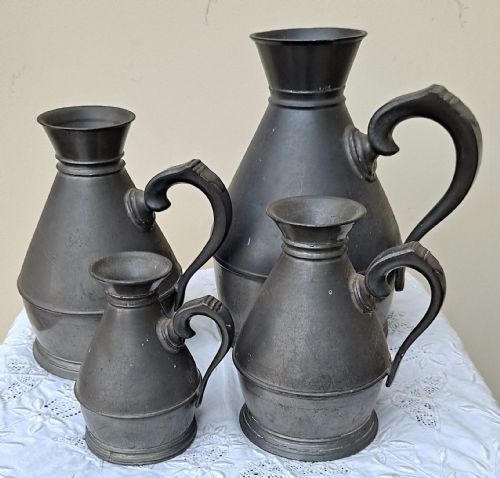
A pewter ale measure represents the durable drinking vessels used across British pubs and households for serving measured volumes of beer and cider. These vessels include forms such as flagons, jugs, pitchers, and specific capacity measures.
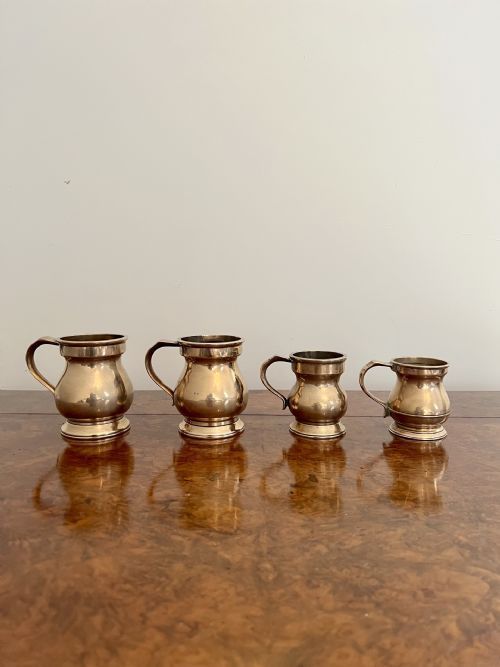
The selections here span the Georgian and Victorian eras, alongside nineteenth-century examples. Common formats range from small noggin and gill sizes up to larger pint and gallon capacities.
Regional British and Irish origins shape the inventory, featuring English, Scottish, and Jersey variants. Distinct local styles, such as the crested Tappit Hen, appear among these traditional tavern forms.
How They Were Made
These vessels are cast and shaped from pewter, a malleable metal alloy composed primarily of tin combined with lead or other hardening metals. Makers formed the bodies and handles through traditional metalworking techniques suited to durable tavern utensils.
Surface details often include manual engraving to record names, locations, or tavern ownership directly onto the metal. Lids, where fitted, utilise tight hinges to seal the contents during service.
Retail Price Guide 2026
Typical UK retail prices for pewter ale measure, calculated from the Sellingantiques database of over a million retail prices indexed since 2003. This retail price guide relies exclusively on Sellingantiques data; no external sources or auction records are used, so the figures do not describe the wider market.
Current listings feature pewter ale measure examples spanning the Georgian and Victorian eras, constructed entirely from traditional pewter.
What Varies in Quality
Quality rests in the heaviness of the metal gauge and the integrity of the original form. Thicker walls and crisper cast details separate robust surviving tavern pieces from thinner utilitarian examples.
Maker marks and clear capacity stamps elevate a piece by confirming its precise origin and official verification. Legible ownership inscriptions and surviving functional lids add historical depth to individual measures.
Thomas Phillips I of London
The Pewter Ale Measure Glossary
- Pewter
- A traditional metal alloy consisting largely of tin, historically used for domestic tableware and drinking vessels. Its soft lustre darkens attractively over decades of handling.
- Measure
- A regulated container holding a precise capacity of liquid for commercial or domestic service. These vessels often carry verification marks from local authorities.
- Tappit Hen
- A traditional Scottish type of pewter flagon featuring a distinctive lid and a bulbous body. This specific form was widely used for measuring and serving claret or ale.
- Noggin
- A small historical unit of liquid capacity, typically equating to a quarter of a pint. Measures of this size served individual portions in taverns.
- Flagon
- A large drinking vessel with a handle and often a lid, designed for holding and pouring beverages. They formed a staple of tavern and household service.
Frequently Asked Questions
What is a pewter ale measure?
A pewter ale measure is a traditional metal vessel designed to hold and serve precise volumes of beer in taverns and homes. These containers ensured fair trade and reliable service before the adoption of glass.
They combine practical metalworking with historic capacities, reflecting the daily drinking habits of past centuries.
How do I know the capacity?
Capacities range from small gill and noggin sizes to large pint and gallon vessels. Many pieces carry contemporary verification marks or stamps indicating their authorized volume.
Physical scale and traditional nomenclature help identify the intended measure of each particular jug or flagon.
Where were these vessels made?
The inventory includes items originating from England, Scotland, and Jersey. Regional variations in shape and handle design often point directly to the local foundry.
Irish examples also appear, showing distinct characteristics shaped by local tavern traditions.
How do I care for antique pewter?
Antique pewter requires gentle dusting and occasional cleaning with non-abrasive cloths to preserve the surface. Harsh polishes strip away the historical patina built up over generations.
Keeping the metal dry prevents corrosion and maintains the soft, dark lustre characteristic of old tin alloys.