


Pewter Pint Measure
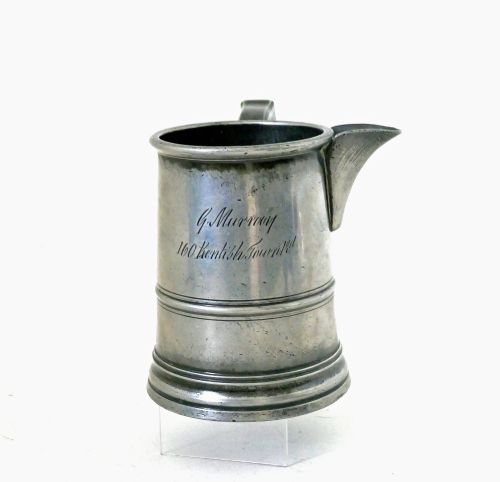
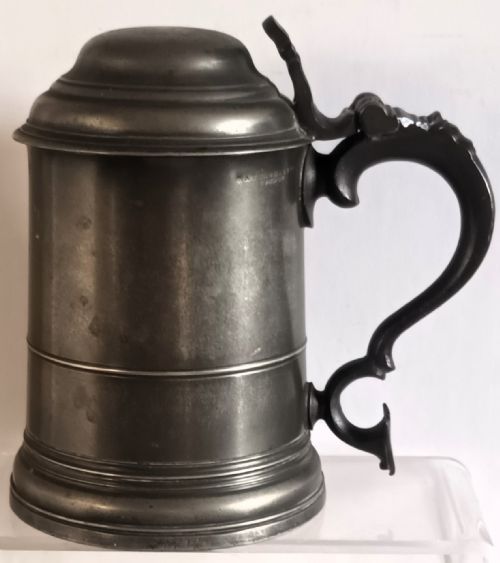
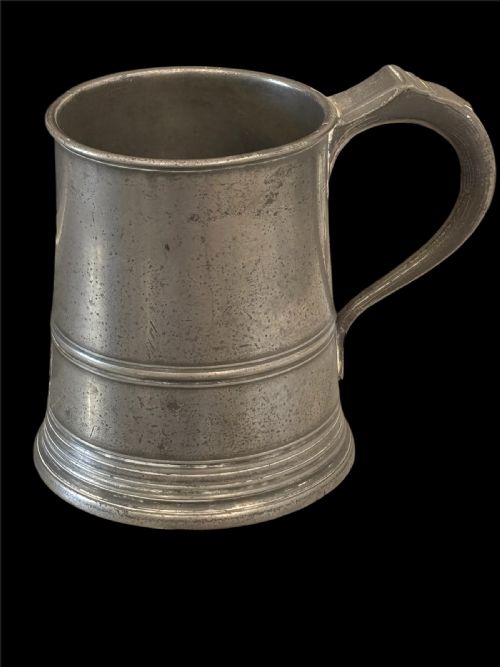
A pewter pint measure is a sturdy tavern vessel that brings tangible history to a table, combining utilitarian function with honest metalwork.
Pewter Pint Measure
When searching for a pewter pint measure, collectors look at solid metal vessels produced across the eighteenth and nineteenth centuries for domestic and public house use. These items appear in forms such as baluster measures, bulbous brass rim examples, and lidded tankards originating from English, Scottish, Irish, and Jersey makers.
The nineteenth century yields many Victorian examples stamped with verification marks alongside Georgian precursors of simpler line. Buyers frequently encounter pieces stamped with capacity standards and tavern names, reflecting their daily circulation in historic hostelries.
Construction and materials
These vessels are cast primarily from pewter, an alloy of tin combined with lead, copper, or antimony to achieve stability and weight. Many nineteenth-century variants incorporate distinctive brass rims applied to the lip for added durability during heavy tavern service.
Makers shaped the body through casting in moulds before turning on a lathe to refine the profile and smooth the surface. Handles and lids were cast separately and soldered into place, leaving subtle seams that mark traditional workshop production.
One measure even carries the weighty title of Lord High Admiral, proving that eighteenth-century tavern keepers possessed a fine sense of naval grandeur.
Assessing quality in historical measures
Quality rests upon the crispness of touchmarks, the integrity of the metal surface, and the survival of original verification stamps. Clear maker marks struck deeply into the pewter distinguish a workshop piece from unsigned provincial utility ware.
Proportions also dictate desirability, with well-balanced baluster profiles and uncompromised walls holding greater appeal. The preservation of touchmarks and tavern provenance elevates an ordinary drinking vessel into a notable archive piece.
Watts and Harton·Frederic Sanders·Thomas Phillips I·M Fothergill and Sons·John Foster·J Moyes·James Grimes·W R Loftus·J H Mortimer·W McKenzie·Yates and Birch·James Morgan·John Abbot·Joseph Austen and Son·John Curruthers Crane
The Pewter Pint Measure Glossary
- Touchmark
- The stamp or signature pressed into the metal by the maker to denote their workshop. These small punches serve as the primary method for identifying individual pewterers.
- Baluster
- A jar shape characterised by a rounded body curving into a narrower neck and flared base. This classic profile appears frequently on Georgian tavern measures.
- Verification mark
- An official stamp applied by local authorities to confirm the accurate volume of a measure. They are often found punched near the rim alongside royal ciphers like VR.
- Tappit Hen
- A traditional Scottish lidded measure with a distinct bulbous body and a small thumbpiece on the handle. These capacious vessels command strong interest among metalware collectors.
Pewter Pint Measure: Frequently Asked Questions
What is a pewter pint measure?
A pewter pint measure is a historical drinking vessel cast with a precise volumetric capacity for serving ale and spirits in inns and homes. They were engineered to withstand the rigorous daily demands of tavern life.
Most examples date from the Georgian and Victorian eras, carrying touchmarks and capacity stamps that trace their working origins across British and Irish workshops.
How do I identify the date?
Dating relies heavily upon maker touchmarks, style evolution, and official verification stamps punched into the metal rim. Georgian pieces often display simpler baluster contours, while Victorian items frequently incorporate brass rims and royal cyphers.
Reference to maker working dates recorded in historical archives helps narrow down the decade of manufacture for signed pieces.
Were these used in homes or pubs?
These measures saw extensive service in public houses, inns, and taverns where accurate pouring was mandated by law. They served both as measuring standards behind the bar and as drinking vessels for patrons.
Certain marked pieces reveal direct connections to specific hostelries, adding a layer of social history to their domestic or collection display.
How should I clean my pewter?
Historic pewter requires gentle care to preserve the dark patination accumulated over centuries of handling and age. Washing with mild soap and warm water followed by thorough drying is sufficient.
Aggressive metal polishes strip away the prized surface oxidation and can obliterate faint touchmarks or verification stamps.