
19th Century Chinoiserie
19th century chinoiserie brings imaginative European interpretations of East Asian design into domestic spaces through lacquered furniture and decorative objects.
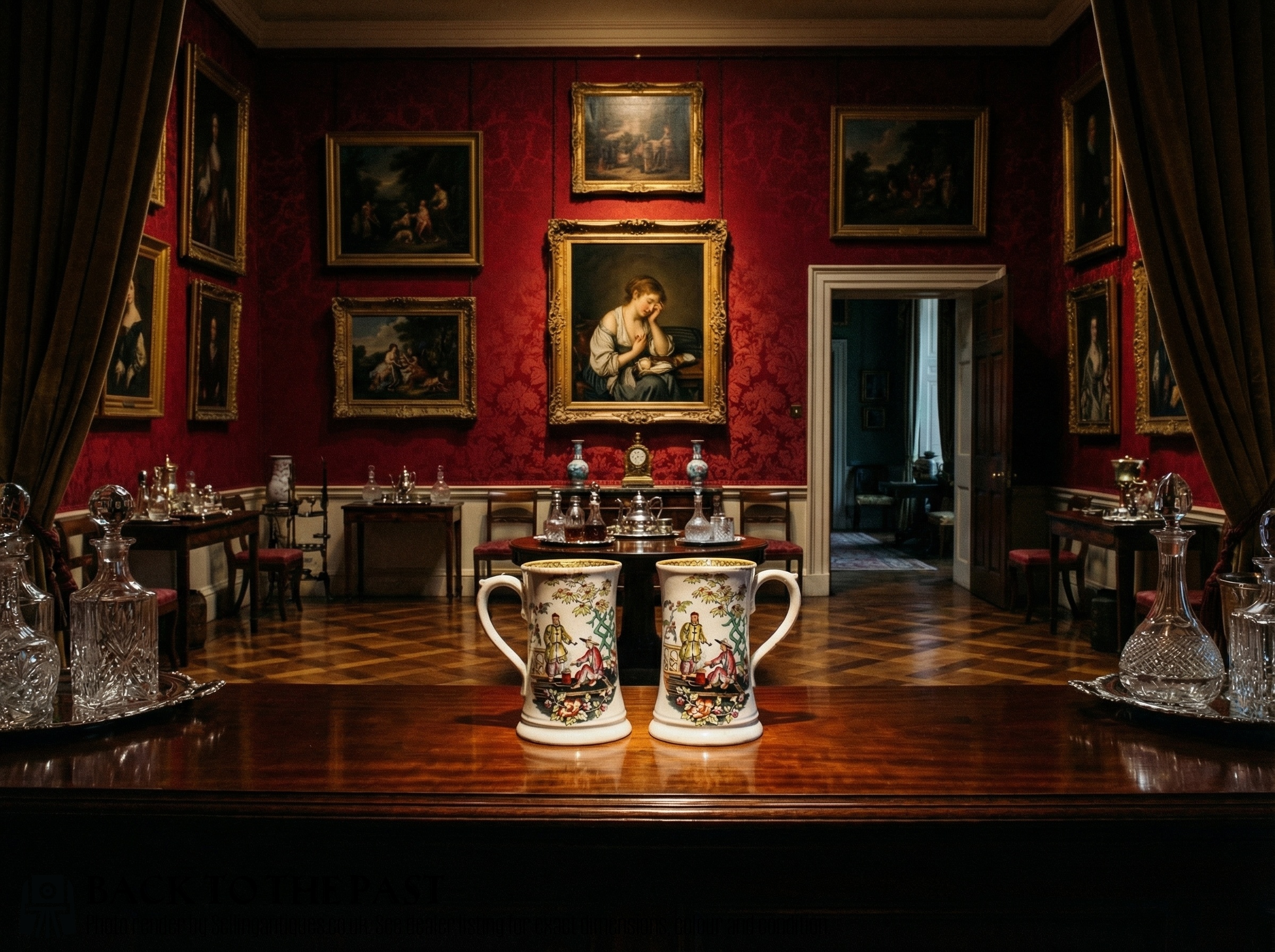
19th Century Chinoiserie
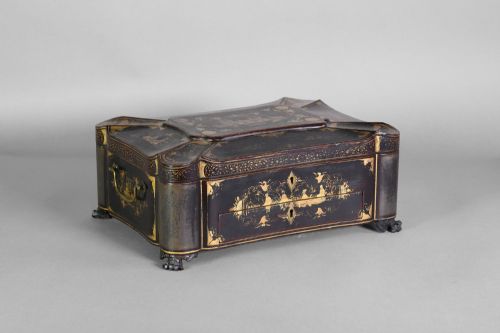
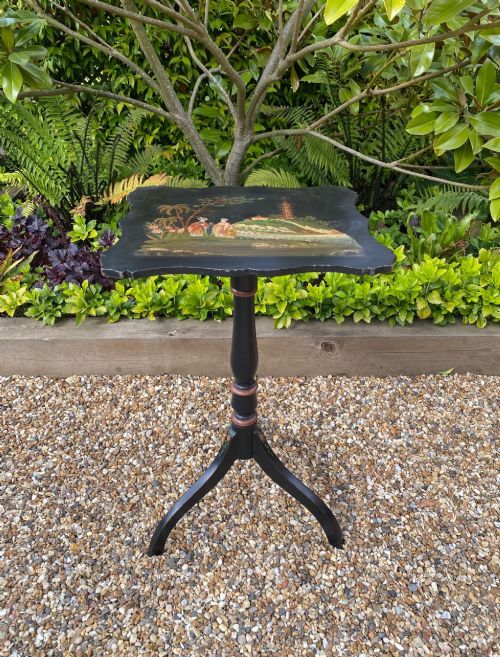
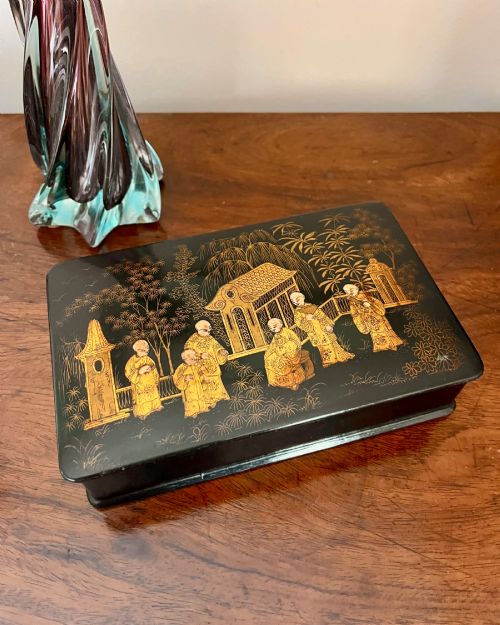
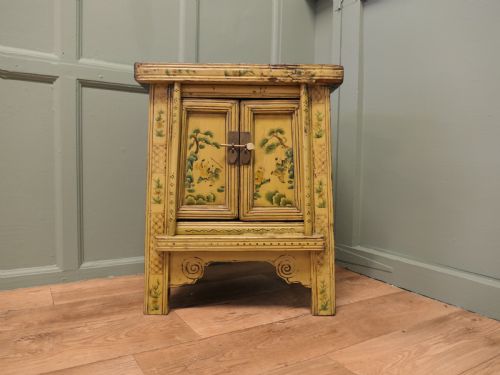
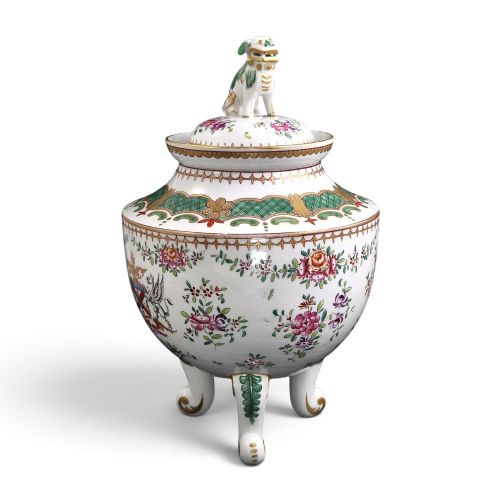
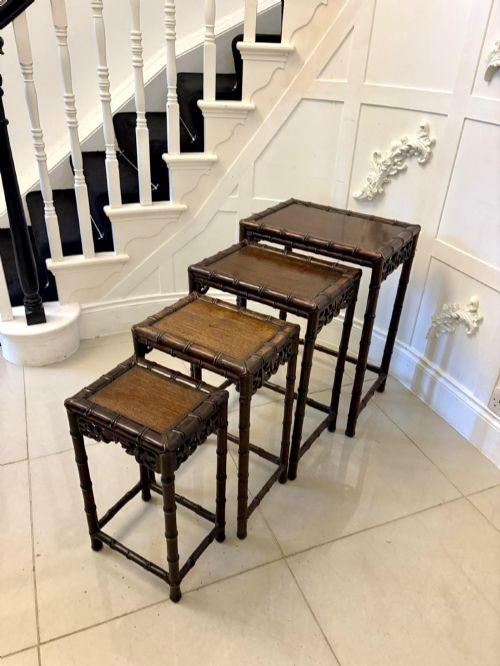
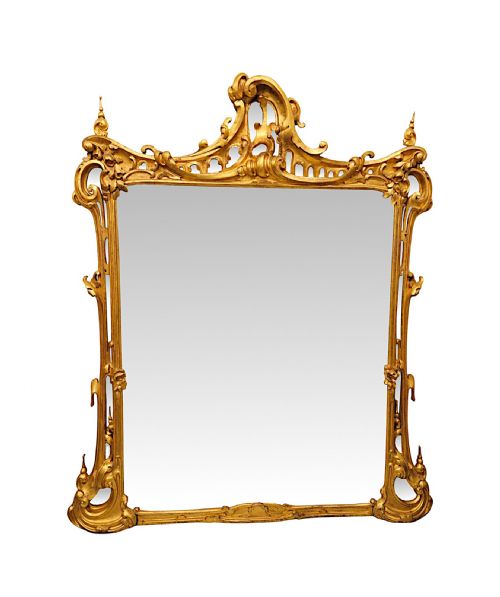
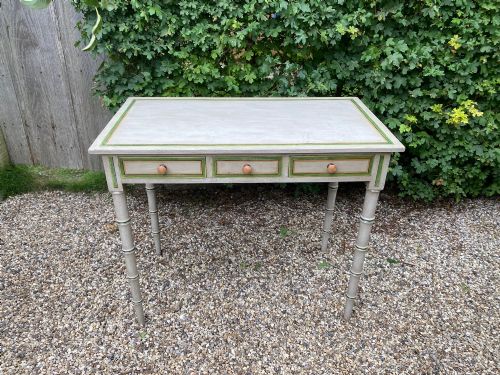
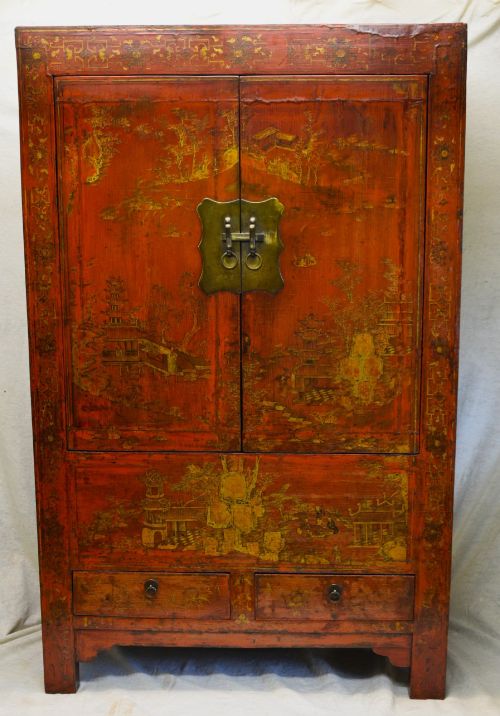
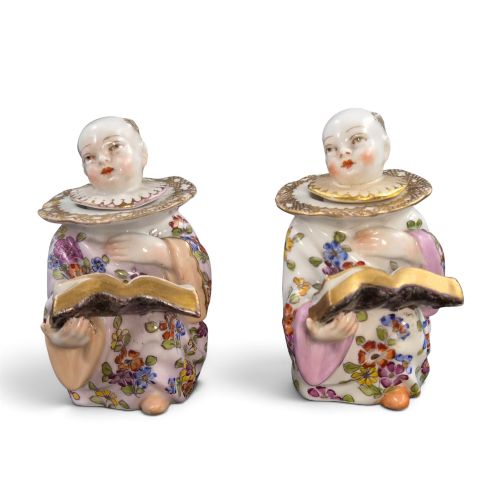
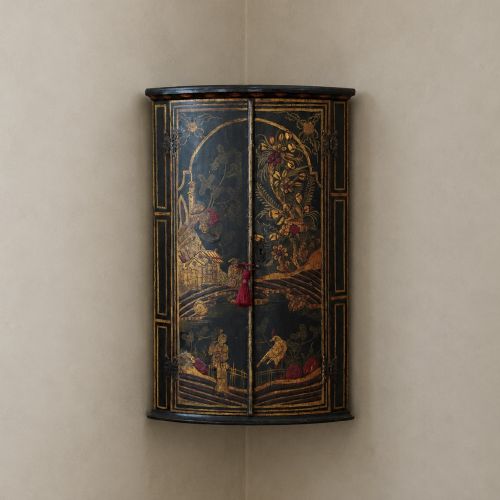
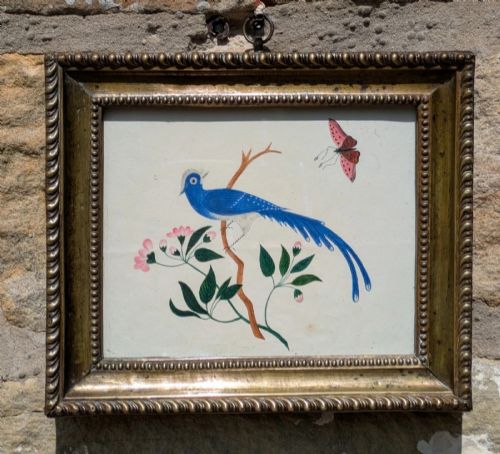
When exploring 19th century chinoiserie, buyers encounter a diverse selection of furniture and decorative arts that merge European forms with Asian-inspired motifs. The pieces range from large functional items such as cabinets, desks, and corner cupboards to smaller accessories like work tables, sewing boxes, and wall mirrors.
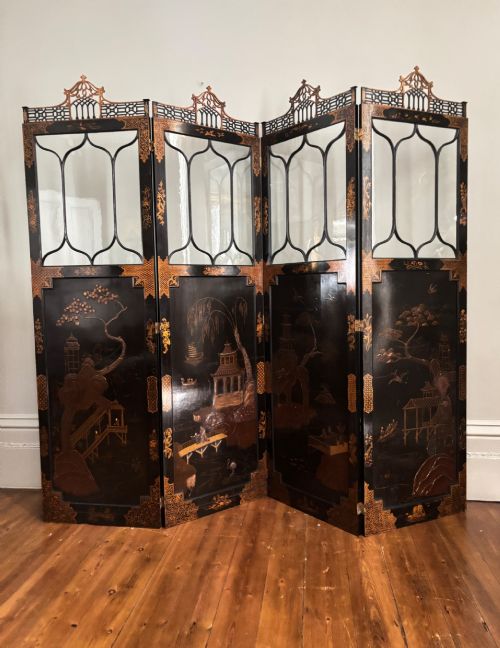
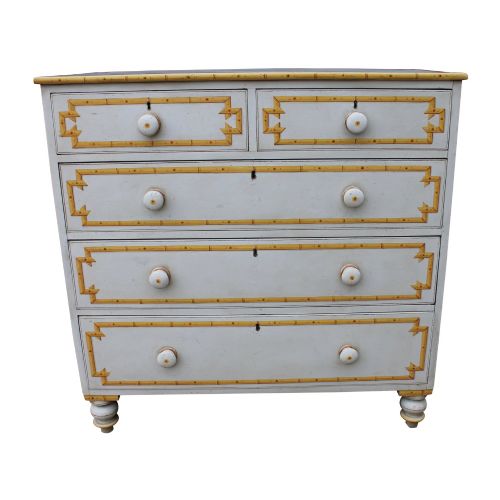
Lacquered surfaces dominate the selection, frequently finished in black, cream, or red grounds embellished with gilt figures, pagodas, and landscapes. Alongside these lacquered examples appear items featuring faux bamboo turnings, penwork, and export porcelain.
Materials and construction methods
Makers utilised woods such as elm, mahogany, and papier-mâché as foundations for intricate surface treatments. Structures often incorporate turned faux bamboo or ebonised finishes to emulate imported cane and exotic timbers.
Surface decoration relies heavily on traditional japanning and lacquer techniques, building layered grounds of resin before applying gold leaf and fine painted details. Metal elements such as brass handles, ormolu mounts, and gilt bronze provide structural accents and decorative framing.
Assessing the grade and execution
The distinction between tiers rests upon the depth of the lacquer layers and the precision of the hand-painted or gilt motifs. Superior examples display crisp detail in figures and landscapes that retain their dimensional relief across the surface.
Structural integrity of the underlying timber and the preservation of original hardware separate exceptional pieces from heavily restored alternatives. Pieces maintaining their initial decorative schemes without extensive repainting command greater appreciation among collectors.
Edmé Samson·Jacob Petit·Minton·Edwards and Roberts
The 19th Century Chinoiserie Glossary
- Chinoiserie
- European decorative style reflecting imaginative or stylized interpretations of Chinese and East Asian artistic traditions. It manifests across furniture, ceramics, and wall treatments throughout the eighteenth and nineteenth centuries.
- Japanning
- European method of finishing wood to imitate East Asian lacquerwork using layers of varnish and metallic dust. Artisans baked and polished successive coats to achieve a hard, glossy surface.
- Faux bamboo
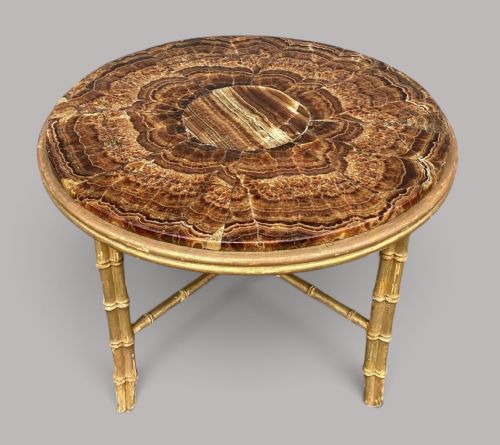
- Wood turned and carved to resemble natural bamboo stalks. This technique appeared frequently in Regency and Victorian seating and occasional tables.
- Canton Famille Rose
- Chinese export porcelain decorated primarily with a dominant pink enamel palette alongside greens and golds. These wares were produced for Western trade during the Qing dynasty.
- Penwork
- Decorative technique using fine ink lines on wood surfaces to create intricate geometric or pictorial designs. It often substitutes for more expensive inlay or carving on small sewing and writing tables.
19th Century Chinoiserie: Frequently Asked Questions
What defines 19th century chinoiserie furniture?
These items combine European cabinet forms with Asian decorative motifs, utilising lacquer, gilt, and painted scenes of figures and landscapes.
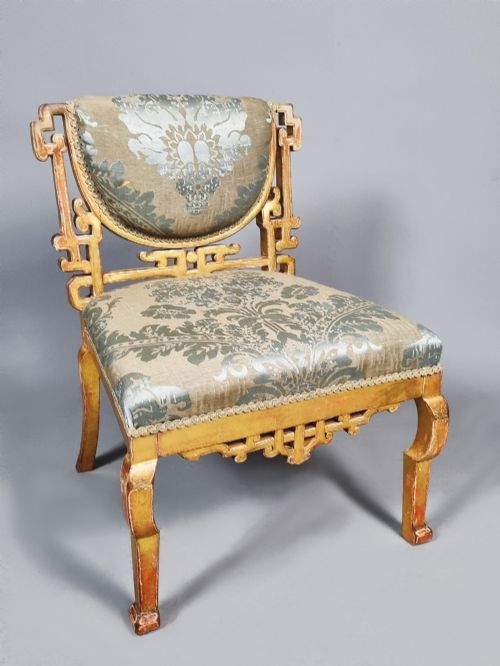
They reflect Western fascination with Eastern aesthetics, reinterpreting traditional styles through Regency, Victorian, and Chinese Chippendale lenses.
How were lacquered surfaces maintained historically?
Owners protected delicate lacquer and gilt decoration by avoiding direct sunlight and excessive moisture during daily use.
Gentle dusting preserved the glossy resin finish without wearing away the raised gold leaf details.
Where were these pieces typically placed at home?
Larger items like cabinets, screens, and writing desks served as focal points in reception rooms and private parlours.
Smaller work tables and tea canisters sat beside seating areas for convenience and decorative display.
How do you distinguish Regency pieces from Victorian examples?
Regency items often feature restrained lines, penwork, and faux bamboo frames influenced by neoclassical and exotic tastes.
Victorian variations tend toward denser ornamentation, heavier proportions, and eclectic mixtures of Japonisme and revival styles.