




Victorian Ceramic Mugs
These Victorian ceramic mugs and tankards combine everyday utility with spirited nineteenth-century decoration, offering robust earthenware and porcelain vessels designed for hearty toasts and morning draughts.
Victorian Ceramic Mugs
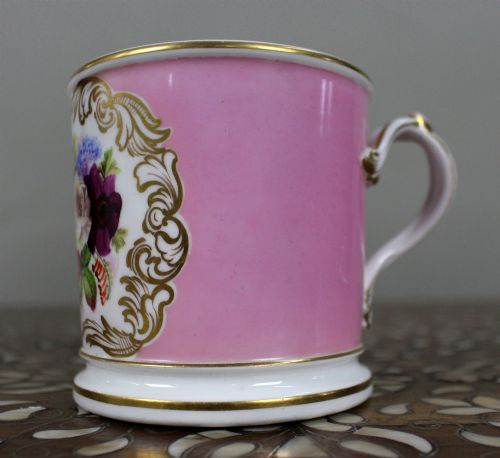
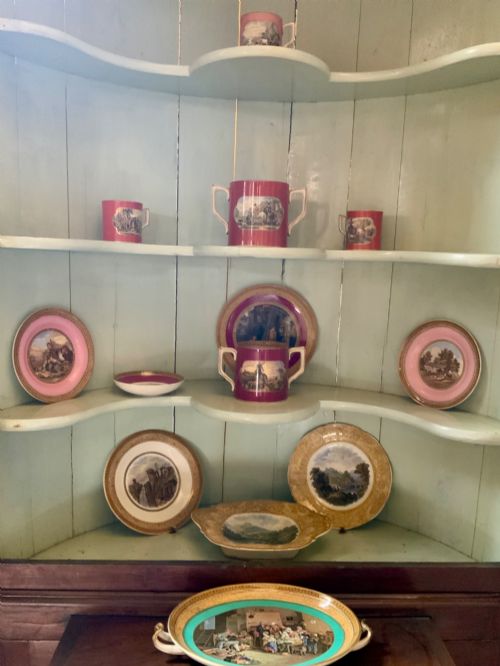
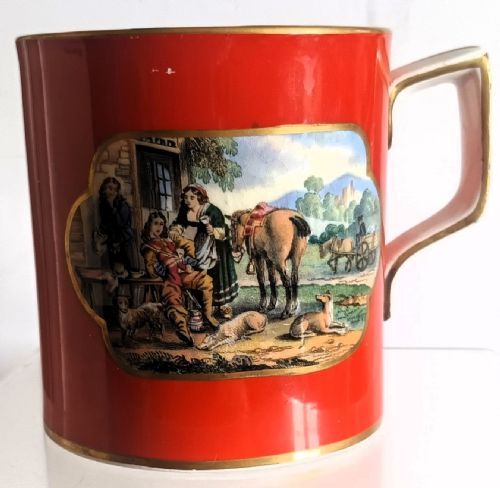
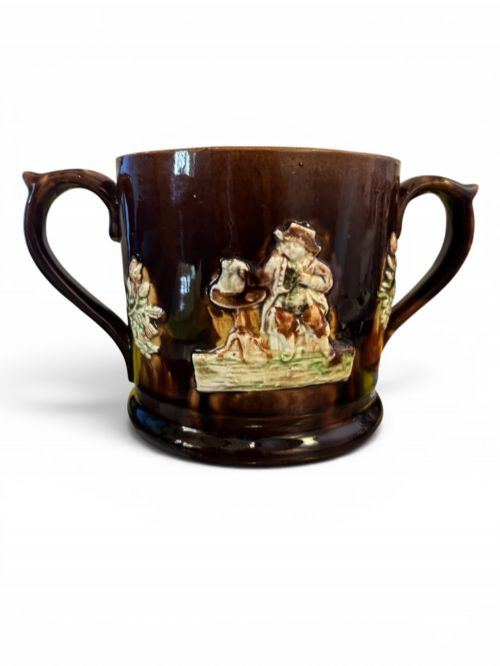
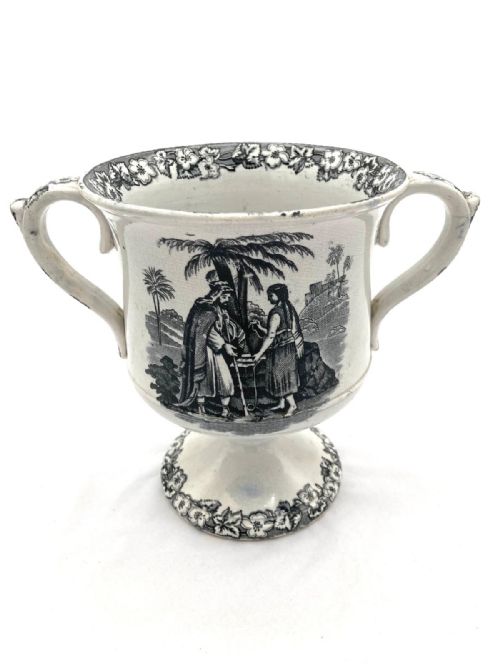
When you search for victorian ceramic mugs, you encounter an assortment of drinking vessels spanning utilitarian earthenware, Staffordshire pottery, and fine porcelain. The most common form on this page is the nineteenth-century mug or two-handled loving cup, often decorated with transfer-printed scenes or painted motifs.
Mugs from this era range from humble nursery pieces bearing alphabet designs to grand stoneware tygs adorned by named artists. You will also find specialised drinking vessels such as frog mugs, which conceal a small ceramic creature inside to surprise the drinker.
Regional potteries from Worcester to Staffordshire produced these pieces, utilising robust bodies meant to withstand daily use. Collectors find variety in the scale, from miniature tygs to large harvest cups bound in silver rims.
Materials and methods
Potters relied on earthenware, porcelain, and heavy stoneware to form the body of each vessel, applying glazes to seal the porous clay. Transfer printing emerged as a dominant technique for applying intricate blue and white or mulberry patterns onto the surface.
Hand-painted details, gold leaf accents, and enamel colours frequently embellish porcelain and earthenware pieces from factories like Royal Worcester and Grainger. Stoneware vessels often display incised or pate-sur-pate decoration, as seen in the work associated with Doulton Lambeth.
Victorian drinkers faced constant amphibian ambushes from mischievous potters hiding ceramic newts and frogs inside the bottom of ale mugs.
Assessing quality
Quality rests upon the crispness of the transfer print or the finesse of the hand-painted brushwork, alongside the refinement of the ceramic body. Pieces featuring named artists or specific institutional commissions, such as school or regiment mugs, demonstrate superior craftsmanship.
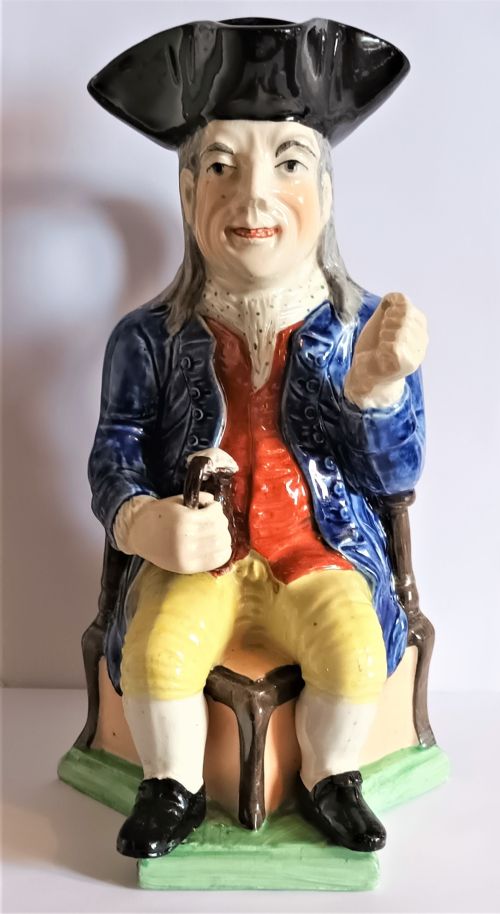
The complexity of the form dictates value, with multi-handled tygs and elaborate figural jugs requiring greater skill from the potter. Condition and the preservation of delicate elements like silver rims or applied foliage further distinguish standard wares from exceptional examples.
Grainger Worcester·Doulton Lambeth·Royal Worcester·Royal Vienna·Stevenson and Hancock
The Victorian Ceramic Mugs Glossary
- Tyg
- A heavy drinking vessel with three or more handles designed to be passed around a company. These multi-handled mugs frequently appear in stoneware and earthenware.
- Frog mug
- An earthenware drinking vessel featuring a small ceramic frog or newt moulded inside the base to surprise the drinker as the liquid lowers. These humorous pieces often date to the mid-nineteenth century.
- Pratt-ware
- Earthenware produced by the Pratt family of Staffordshire, known for multi-coloured underglaze transfer printing. Collectors prize these for their bright historical and sporting scenes.
- Loving cup
- A large drinking vessel provided with two or more handles for communal passing during celebrations. They appear in porcelain, earthenware, and silver-rimmed stoneware.
- Transfer printing
- A mechanical method of applying complex designs to pottery by transferring ink from an engraved copper plate onto tissue paper and then onto the clay body. This technique allowed for repeatable blue, white, or mulberry patterns.
Victorian Ceramic Mugs: Frequently Asked Questions
What is a frog mug?
A frog mug is a traditional drinking vessel featuring a small ceramic frog moulded on the inside bottom. As the drinker finishes the beverage, the amphibian appears unexpectedly.
These novelty mugs were popular in taverns during the nineteenth century as drinking jokes or toasts among companions.
How do I identify a loving cup?
A loving cup is distinguished by having two or more handles attached to the body, allowing multiple people to hold the vessel safely. They are typically larger than standard tea cups and were used for communal toasts.
Many examples on this page date from the nineteenth century and feature transfer-printed hunting scenes or commemorative inscriptions.
What is a tyg?
A tyg is a heavy drinking mug equipped with three or more handles spaced around the circumference. This multi-handled construction allowed guests at a table to pass the vessel securely.
Stoneware and earthenware tygs from the Victorian period often display rich incised decoration and occasional silver mounts.
Are these mugs safe for daily use?
While these nineteenth-century ceramics were originally created for functional dining and drinking, age and historic glazes make most pieces unsuitable for modern consumption. Historic earthenware and lead-glazed surfaces can degrade or absorb liquids over time.
Collectors generally treat Victorian mugs and loving cups as decorative display items rather than functional kitchenware.