

Victorian Hand Painted Porcelain
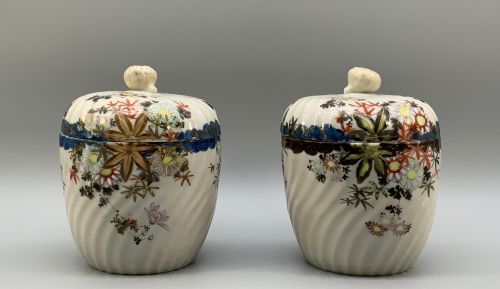
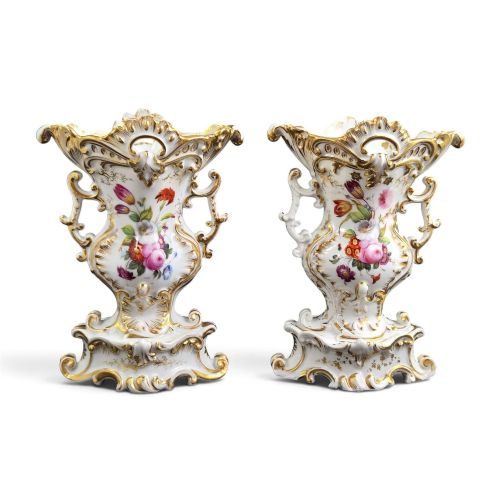
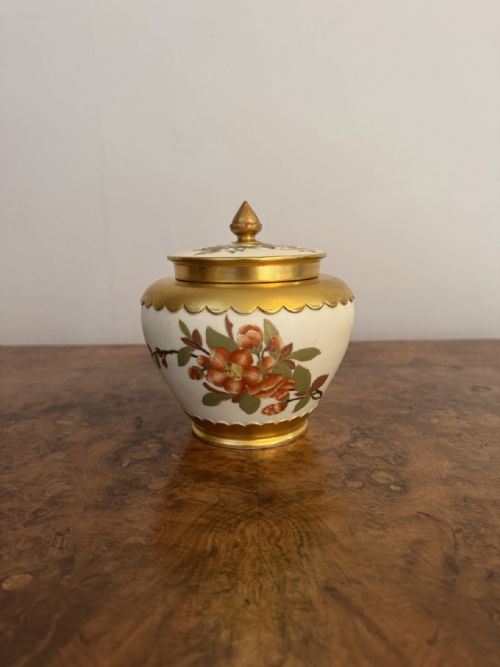
When searching for victorian hand painted porcelain, collectors encounter ornate domestic objects decorated by hand during the nineteenth century.
Victorian Hand Painted Porcelain
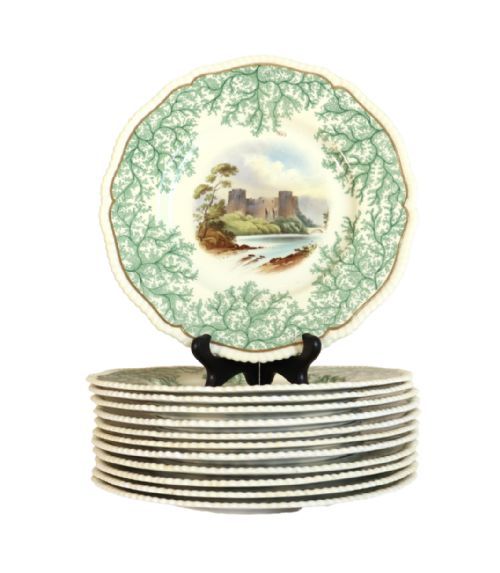
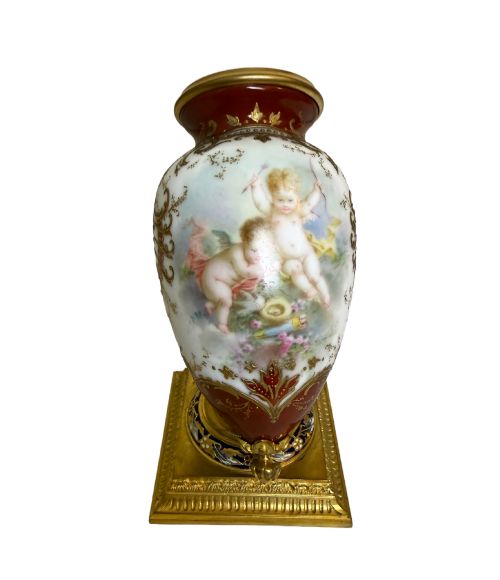
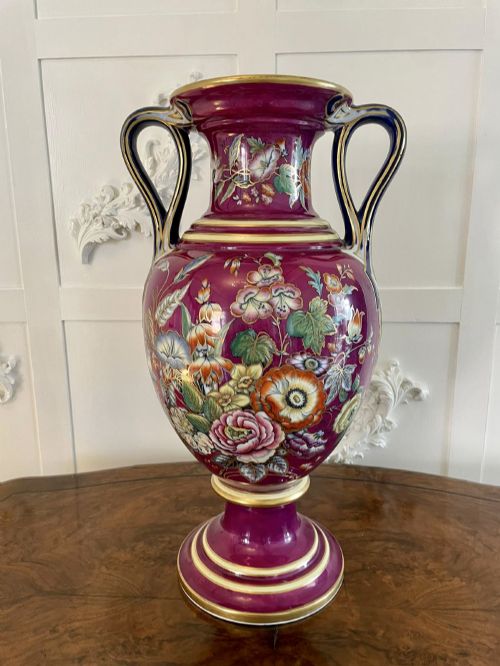
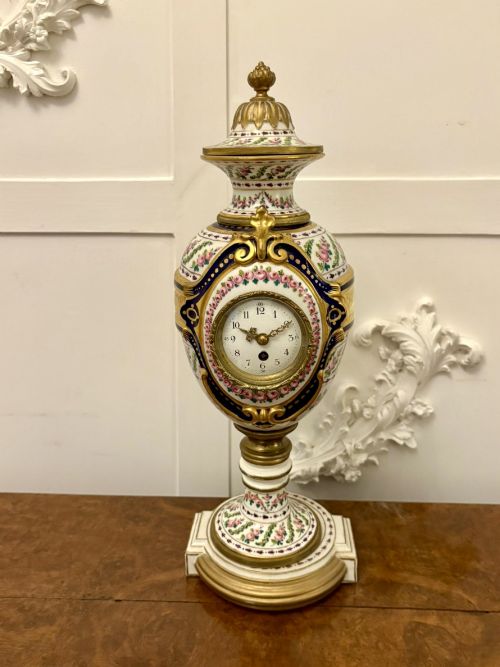
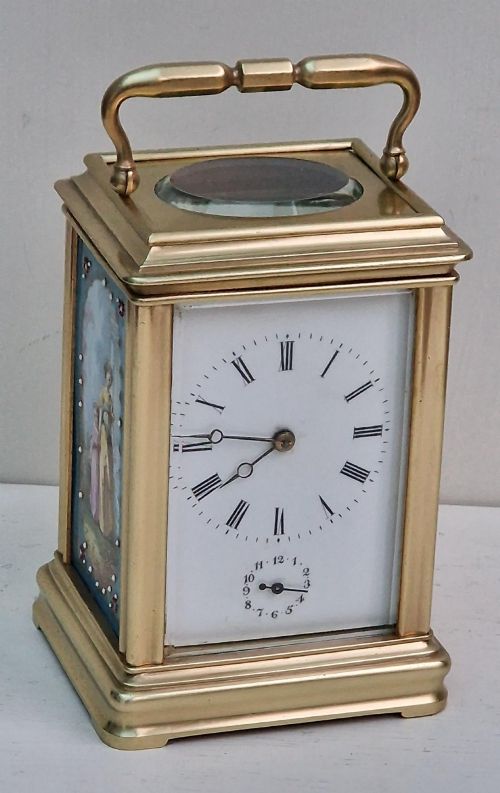
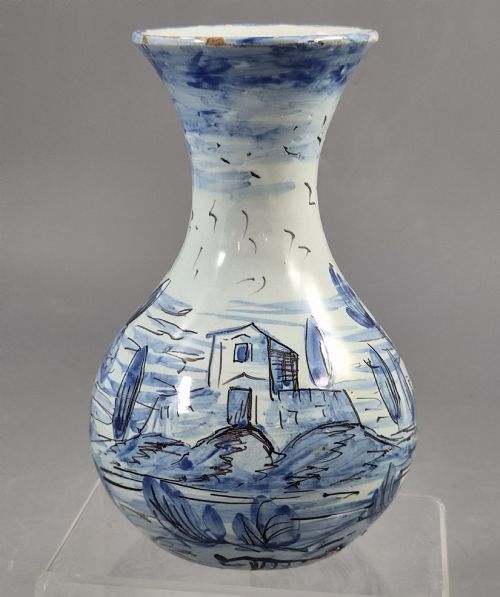
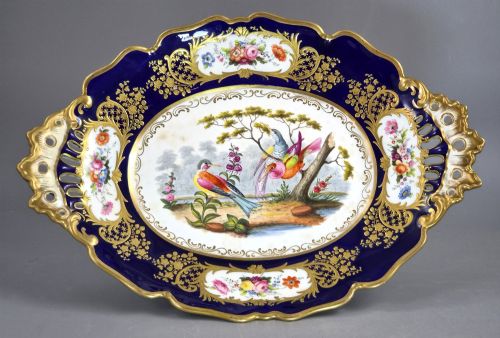
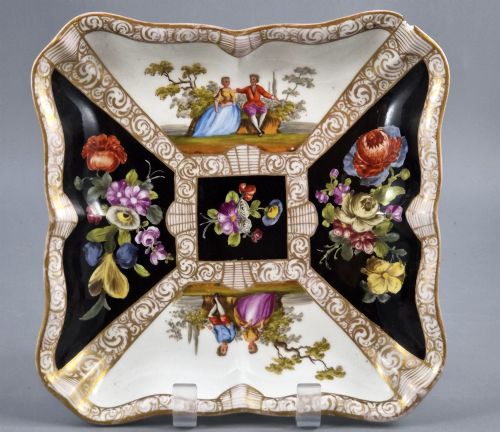
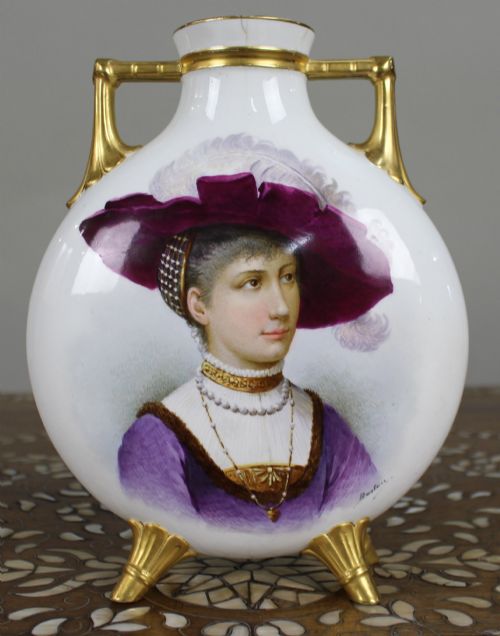
Victorian hand painted porcelain encompasses a diverse range of domestic and decorative objects produced across the nineteenth century, including cabinet plates, vases, urns, mantel clocks, and tea services. These items served both functional and ornamental roles in period interiors, showcasing meticulous artistry on ceramic bodies.
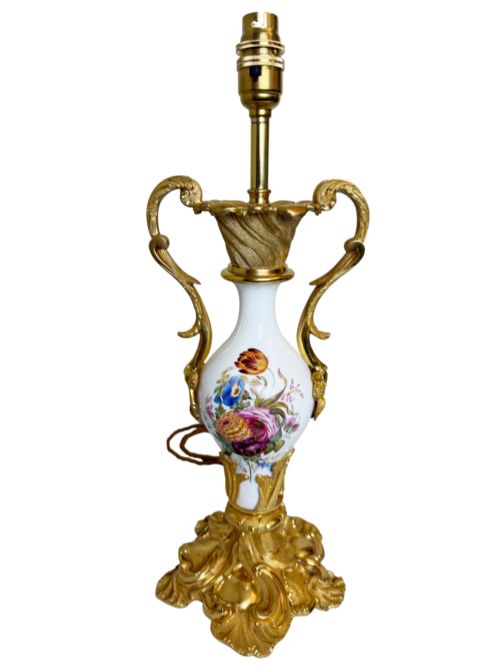
The selections available on this page lean heavily toward British and continental European factories, featuring notable works from English potteries alongside French and German manufacturers. Forms vary from simple utilitarian tableware to elaborate, gilt-bronze mounted showpieces intended for prominent display.
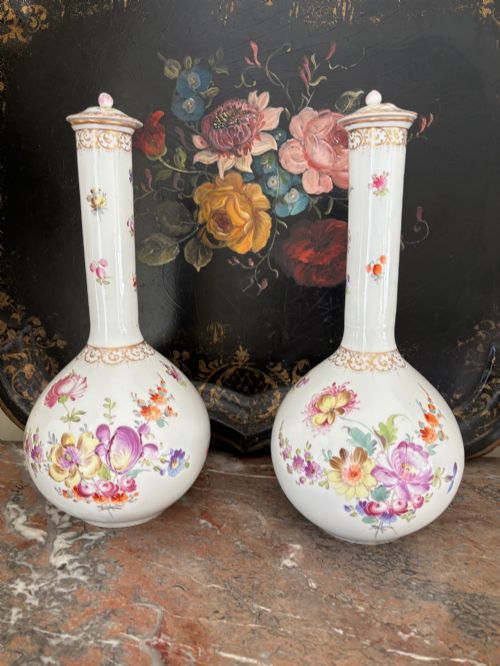
Decorations range from botanical studies and ornithological scenes to mythological narratives and landscape views. Buyers frequently encounter plates, jugs, and lidded vessels displaying the characteristic hand-finished details of the Victorian era.
How they were made
Potters shaped these objects using traditional ceramic pastes and porcelain bodies, frequently combining fired clay with intricate gilt bronze or ormolu mounts. The structural forms were cast or thrown before undergoing multiple kiln firings to set the underlying glazes and bodies.
Artists applied ceramic pigments by hand using fine brushes, executing detailed portraits, floral arrangements, and scenic panels directly onto the glazed surface. Gilding with gold leaf or liquid gold accents was then added and fired again to secure the metallic sheen.
Many items incorporate transfer-printed outlines that were subsequently filled in with hand-painted washes of enamel colour. This hybrid technique allowed workshops to maintain consistent compositions while preserving the bespoke feel of individual brushwork.
Victorian Hand Painted Porcelain Retail Price Guide 2026
Typical asking prices for victorian hand painted porcelain among the pieces listed under this phrase on Sellingantiques today, from the lower quarter to the upper quarter. They describe what is for sale here now, not the wider market.
Materials recorded across current items include hard-paste porcelain, earthenware, enamel, gold leaf, and gilt bronze mounts.
What varies in quality
The standard of execution in the painted decoration dictates much of the visual appeal, separating hasty factory production from master-painted cabinet pieces. Finer items exhibit precise brush control, nuanced colour blending, and anatomical or botanical accuracy.
The integration of the porcelain body with its metallic mounts or gilt-bronze hardware indicates the maker's overall ambition. Superior examples feature seamless joins, heavy fire-gilding, and custom-cast mounts designed specifically for the ceramic vessel.
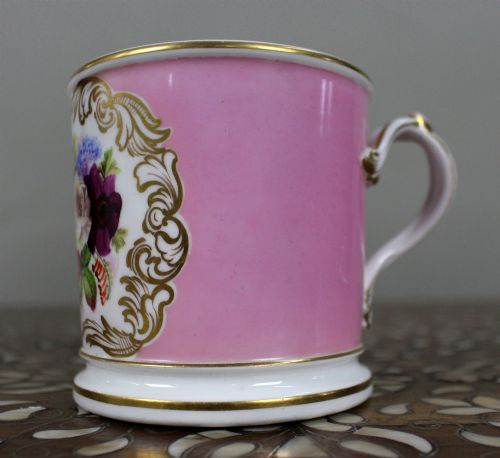
The complexity and rarity of the ceramic ground colour, such as rose pompadour or deep cobalt blue, contribute significantly to a piece's standing. Elaborate blank forms with pierced borders or sculptural handles also demonstrate higher manufacturing ambition.
Jacob Petit·Sitzendorf·Meissen·Minton·Royal Worcester
The Victorian Hand Painted Porcelain Glossary
- Cabinet Plate
- A decorative plate intended for display on a wall or within a glass-fronted cabinet rather than for dining use. These often feature elaborate hand-painted central scenes and gilded borders.
- Ormolu
- Finely chopped or powdered gold applied in a mercury amalgam to bronze mounts, commonly found securing nineteenth-century porcelain clocks, urns, and vases.
- Gilding
- The application of gold leaf or powdered gold to the surface of porcelain or metal mounts to provide decorative metallic highlights. This finish is typically fired into the ceramic glaze for permanence.
- Imari
- A style of ceramic decoration featuring deep underglaze blue and iron red, heavily accented with gold, originating in Japan and widely copied by European Victorian potteries.
- Enamel
- A decorative vitreous composition fused to the surface of porcelain through firing, providing the vibrant opaque colours characteristic of nineteenth-century hand painting.
Victorian Hand Painted Porcelain: Frequently Asked Questions
What is victorian hand painted porcelain?
Victorian hand painted porcelain refers to decorative and functional ceramic wares produced during the nineteenth century featuring hand-applied enamel decoration, floral motifs, or scenic vistas.
These pieces reflect the manufacturing capabilities and aesthetic preferences of British and European potteries operating between the early eighteen-hundreds and the dawn of the twentieth century.
How do I identify periods?
Identifying the period relies on examining factory backstamps, ceramic bodies, and stylistic markers such as Rococo Revival curves or Aesthetic Movement motifs.
Changes in glaze formulations and the sophistication of the hand-painted brushwork also help narrow down the date of manufacture within the nineteenth century.
How were these used?
Many items functioned as practical tableware, lighting components, or timekeepers, while others served strictly as ornamental display pieces in Victorian parlours.
Cabinets, mantels, and dining tables accommodated everything from painted dessert plates and tea sets to monumental urns and mantel clocks.
How do I live with these?
Living with nineteenth-century porcelain involves placing fragile decorative items away from high-traffic zones and direct, harsh sunlight to protect the enamel colours.
Hand washing with mild solutions is recommended for any functional tableware, avoiding dishwashers entirely to preserve the delicate gilt highlights and painted details.