


Gilt Rim Porcelain Vase
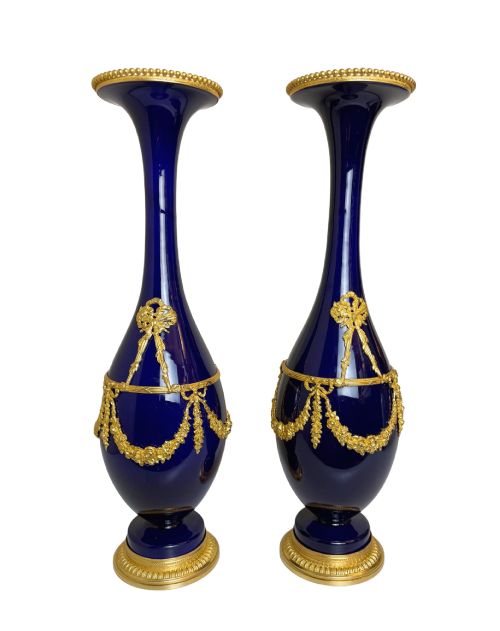
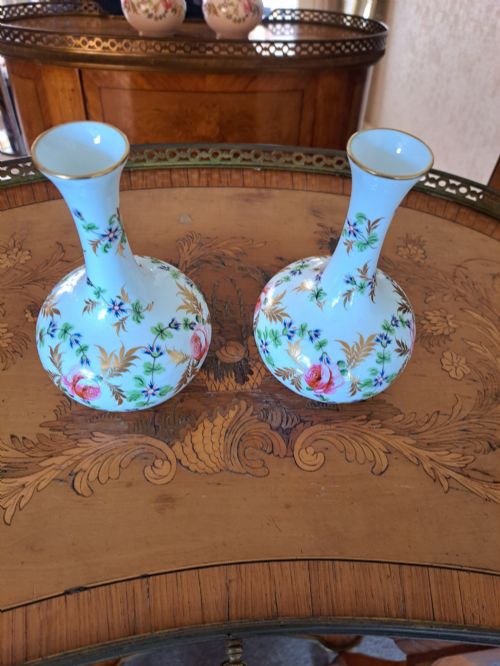
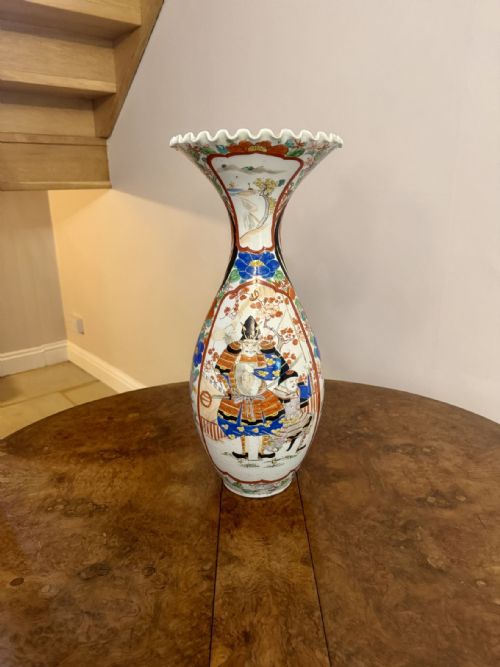
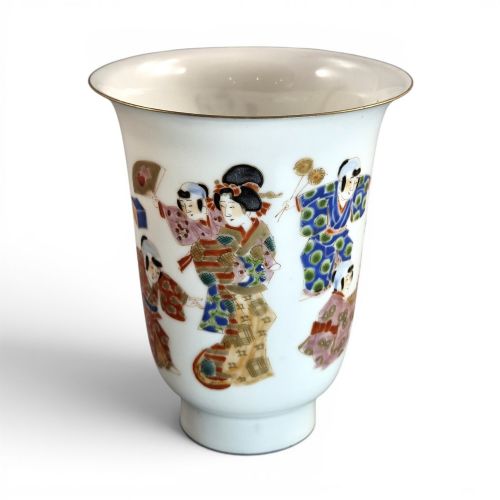
These gilt rim porcelain vases bring hand-painted artistry and metallic brilliance to a room, combining fine ceramics with gilded detail.
Gilt Rim Porcelain Vase
A gilt rim porcelain vase combines fine ceramic bodies with metallic gilding along the top edge, creating a refined contrast between white or coloured clay and bright metal. When exploring this selection, buyers encounter various forms ranging from compact spill vases to large floor pieces and decorative pairs.
The objects stem from diverse origins, including English factories such as Royal Worcester and Crown Derby, alongside Japanese export wares like Imari and Kutani, and continental French pieces. Victorian and Edwardian examples sit alongside nineteenth-century works and later twentieth-century creations.
How they were made
The creation of a gilt rim porcelain vase involves shaping fine clay bodies, including bone china and eggshell porcelain, before firing at high temperatures to achieve a vitrified finish. Artisans then apply enamel paints and detailed hand-painted scenes featuring subjects such as birds, cattle, fruit, or floral motifs.
Gilding techniques incorporate gold leaf, gilt bronze, or ormolu mounts to highlight rims, handles, and bases. This application of precious metal requires precise heating or chemical bonding to ensure permanent adhesion to the ceramic surface.
Gilt Rim Porcelain Vase Retail Price Guide 2026
Typical asking prices for gilt rim porcelain vase among the pieces listed under this phrase on Sellingantiques today, from the lower quarter to the upper quarter. They describe what is for sale here now, not the wider market.
Listings feature porcelain, bone china, and eggshell porcelain combined with gold leaf and ormolu mounts across various nineteenth and twentieth-century periods.
What varies in quality
The standard of a gilt rim porcelain vase depends largely on the skill of the artist responsible for the painted decoration and the precision of the gilding. Hand-painted compositions by known studio artists display finer brushwork and greater depth than standard factory production.
The weight and purity of the porcelain body, along with the thickness and preservation of the gold leaf or ormolu trim, determine the durability and aesthetic presence of the vessel. Pieces featuring substantial bronze mounts or intricate lacquer additions demonstrate higher manufacturing ambition.
Crown Derby·Royal Worcester·Hichozan Shinpo
The Gilt Rim Porcelain Vase Glossary
- Porcelain
- A hard, white, translucent ceramic fired at high temperatures from kaolin and petuntse. It forms the primary structural body for these decorative vessels.
- Gilding
- The application of gold leaf or powdered gold onto the surface of an object. This technique accentuates rims, handles, and decorative borders.
- Ormolu
- Finely ground high-carat gold-mercury amalgam applied to a bronze base. It provides rich metallic mounts for nineteenth-century decorative wares.
- Spill vase
- A small, narrow container designed to hold wooden splints used for lighting fires or candles. These cylindrical vessels form a common domestic grouping.
- Imari
- A style of Japanese export porcelain characterised by underglaze blue and overglaze iron red, green, and gold. These wares gained popularity across European markets.
Gilt Rim Porcelain Vase: Frequently Asked Questions
What is a spill vase?
A spill vase is a compact, vertical vessel designed to hold thin wooden spills used for transferring flames from a hearth to candles or pipes.
These pieces sit comfortably on mantelpieces or side tables, combining practical utility with decorative painted and gilded surfaces.
How do I care for gilt porcelain?
Caring for these vessels requires gentle dusting with a soft, dry cloth to protect delicate enamel paints and fragile gold leaf.
Avoid using liquid cleaners, abrasive cloths, or immersion in water, as moisture can lift gilding and damage historic ceramic bodies.
Where were these vases made?
The pieces originate from major European ceramic centres and Japanese kilns, reflecting international trade and artistic exchange.
English manufacturers, French workshops, and Japanese export producers each brought distinct regional techniques to their painted and gilded wares.
How are different periods identified?
Periods are identified through factory marks, stylistic conventions, and the specific composition of the ceramic body and glaze.
Victorian and Edwardian pieces often bear stamped maker ciphers, while nineteenth-century Japanese export works rely on distinctive hand-painted signatures and palette choices.