
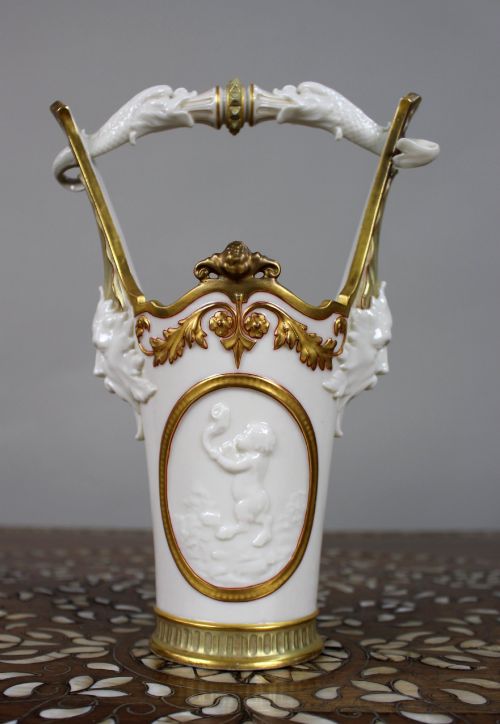


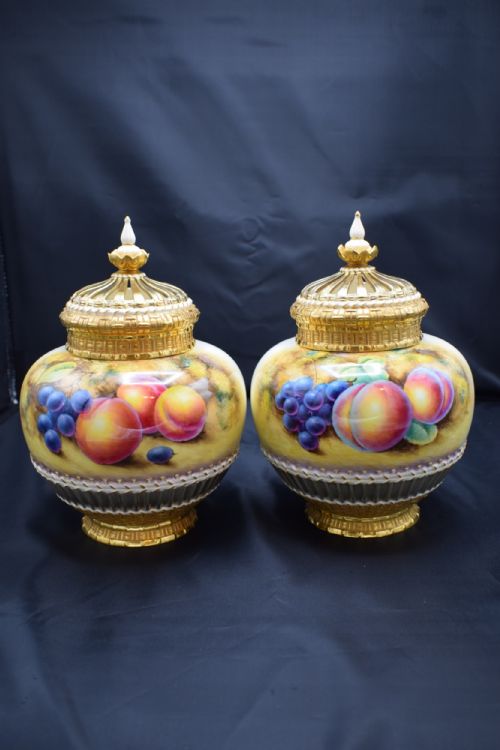

Vintage Royal Worcester Vase
A vintage royal worcester vase brings hand-painted naturalism and fine porcelain into a room, prized for skilled artistry on ceramic forms.
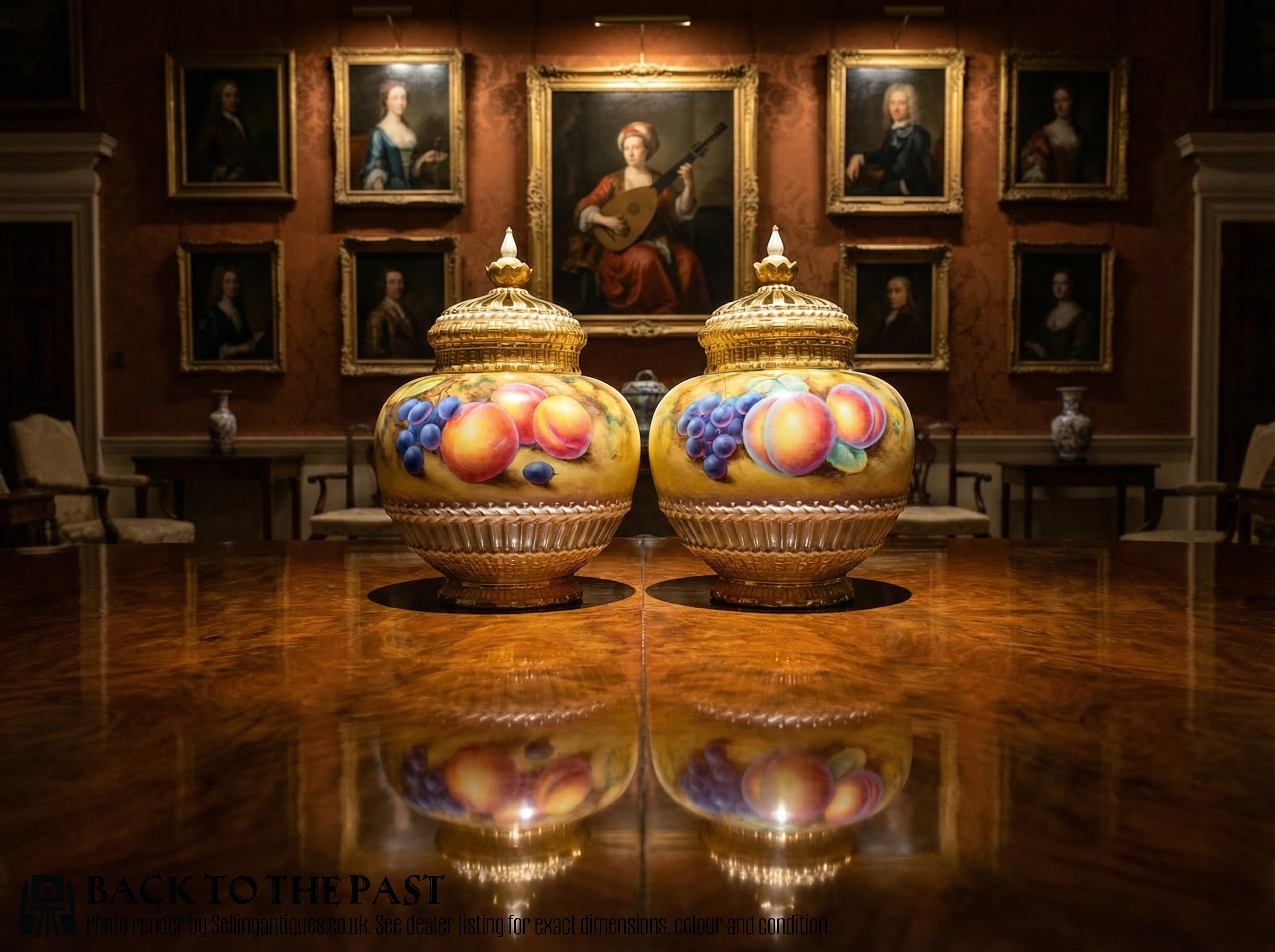
Vintage Royal Worcester Vase
A vintage royal worcester vase encompasses decorative vessels created across the nineteenth and twentieth centuries, spanning Victorian, Edwardian, and Art Deco aesthetics. These pieces include ovoid vessels, ginger jars, pot pourri urns, ewers, and spill vases shaped from fine bone china and ceramic.
The selection here frequently highlights traditional English subjects such as painted fruit, highland cattle, storks, pheasants, and delicate florals. Buyers meet both grand exhibition pieces and smaller decorative items carrying distinct signatures from known studio artists.
Materials and Technique
Maker operations utilised fine bone china and ceramic bodies as the foundation for intricate hand-painted compositions and moulded forms. Artisans applied detailed pigments depicting wildlife and fruit alongside applied gold leaf, gilt, and intricate gilding to accentuate handles, rims, and shoulders.
Techniques combined delicate brushwork by specialist painters with traditional potting methods, producing items ranging from crown top pot pourri containers to slender ewers. Enamel accents often complemented the underlying porcelain surface to create depth and texture.
Listings feature periods spanning the Victorian era through the 1960s, executed in porcelain, bone china, and gold leaf.
Judging Quality
The distinction between tiers rests upon the complexity and precision of the hand-painted artistry applied to the porcelain body. Pieces bearing documented signatures from accomplished painters command greater attention than standard floral decorations.
Overall form and proportion also define the standard, where intricate mouldings like crown tops, ewers, and matched pairs demonstrate higher sculptural ambition. The crisp application of gilding and enamel work completes the assessment of refinement.
Walter Powell·H Davis·Ayrton·John Smith·Freeman·William Ricketts·James Stinton·Kitty Blake
The Vintage Royal Worcester Vase Glossary
- Porcelain
- A hard, white ceramic material fired at high temperatures to create a vitrified, non-porous body. It serves as the primary canvas for hand-painted botanical and animal scenes.
- Pot Pourri
- A decorative vase or jar featuring a pierced cover designed to diffuse scented dried plant materials. These vessels often display elaborate painted fruit or floral compositions.
- Gilding
- The application of gold leaf or powdered gold to ceramic surfaces. This technique highlights rims, handles, and decorative borders.
- Ewer
- A large jug with a wide spout and scroll handle, often modelled on classical forms. These decorative pieces frequently showcase detailed bird or landscape painting.
- Bone China
- A type of porcelain incorporating animal bone ash for increased strength and translucency. It allows for thin, refined vessel walls.
Vintage Royal Worcester Vase: Frequently Asked Questions
How do I identify a painted fruit vase?
Look for detailed depictions of apples, peaches, and berries against a shaded background, usually accompanied by a signature from a recognised studio artist.
These pieces often feature heavy gilding along the neck and foot to frame the central painted panel.
What is Hadley Ware?
Hadley Ware refers to pottery produced under the direction of James Hadley at the factory, known for ivory-tinted bodies and distinct aesthetic movement designs.
Such pieces often display muted tones and modelled floral reliefs distinct from standard porcelain lines.
How should I display my pot pourri vase?
Place the vessel on a stable surface away from direct sunlight to preserve the hand-painted enamels and delicate gilding.
Ensure adequate clearance around pierced covers to showcase the craftsmanship without risking accidental knocks.
Are signed pieces more desirable?
Items carrying the signatures of established painters like the Stinton family or Kitty Blake typically attract stronger interest from collectors.
Artist signatures confirm individual hand execution rather than standard transfer printing.