
Vintage Royal Worcester
Vintage Royal Worcester brings hand-painted fruit, delicate figurines and cabinet plates into the home, carrying over a century of British ceramic skill.
Vintage Royal Worcester
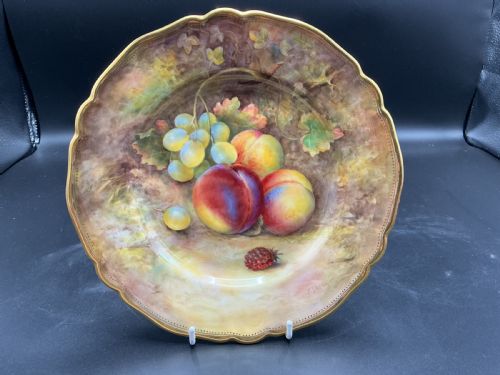
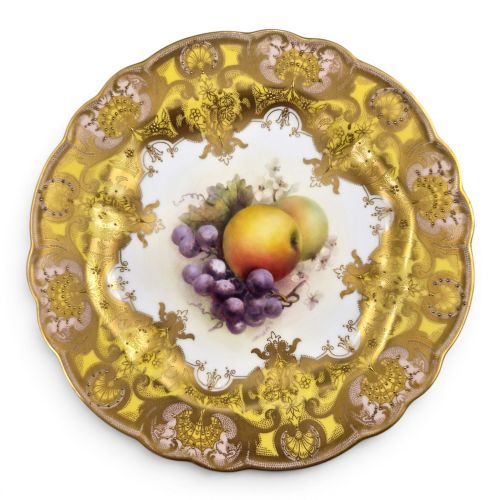
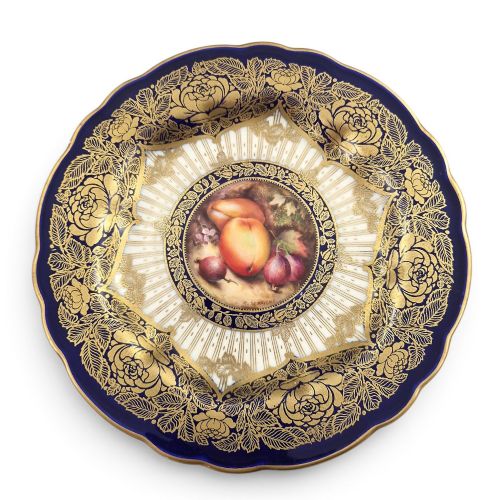
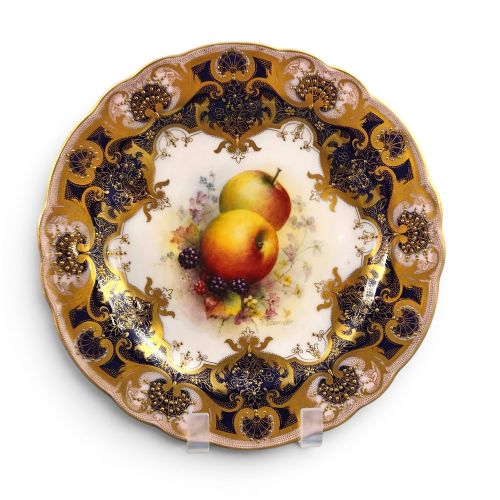
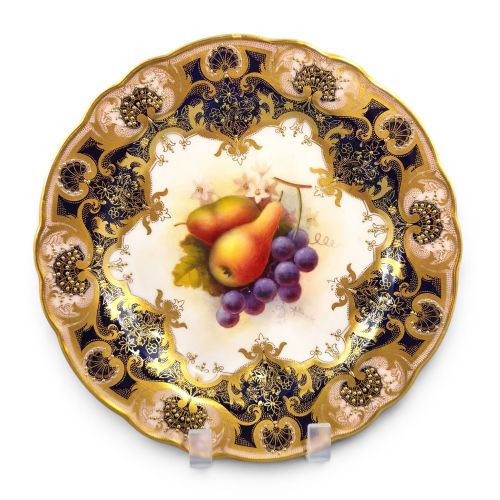
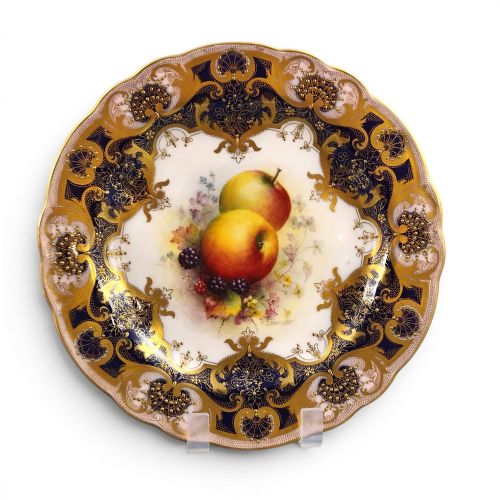
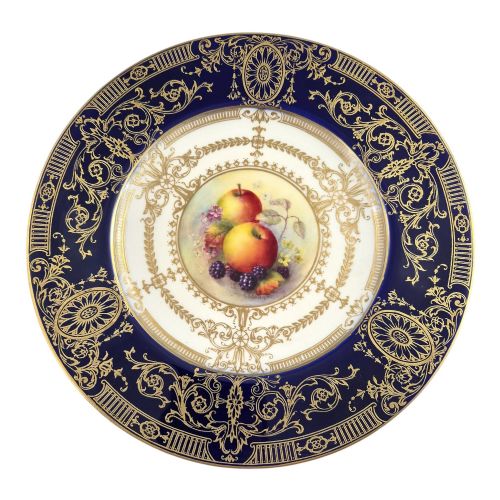
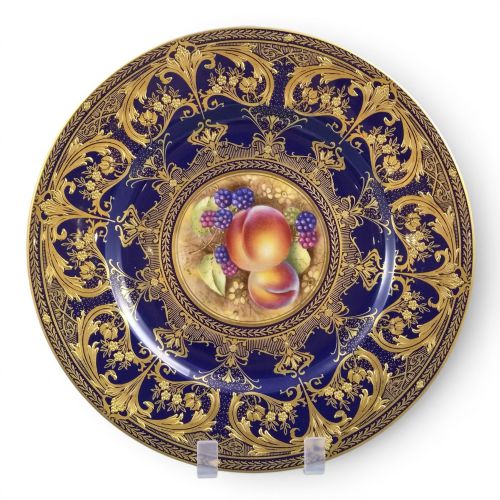
When you search for vintage royal worcester, you encounter a tradition spanning Victorian utility through to twentieth-century display pieces. Cabinet plates, painted fruit services, figurines and table lamps dominate the selection.
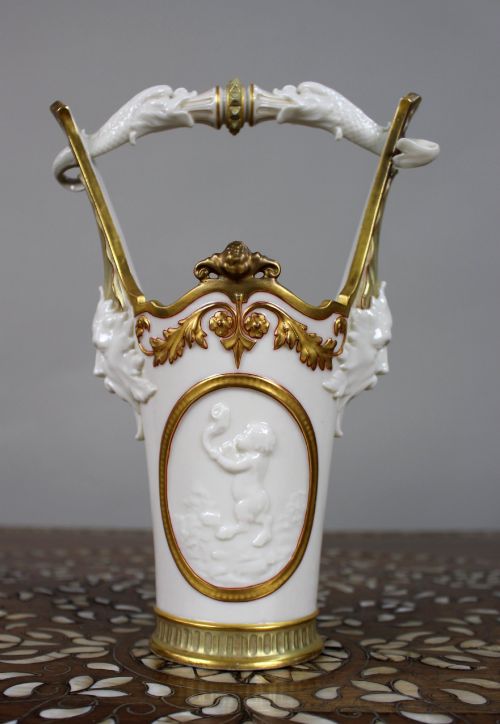
The earlier examples lean towards Victorian neo-classical styles and blush ivory finishes, while later items showcase detailed botanical and fruit compositions by notable artists. These objects were created for wealthy households and collectors who valued hand-painted ceramic artistry.
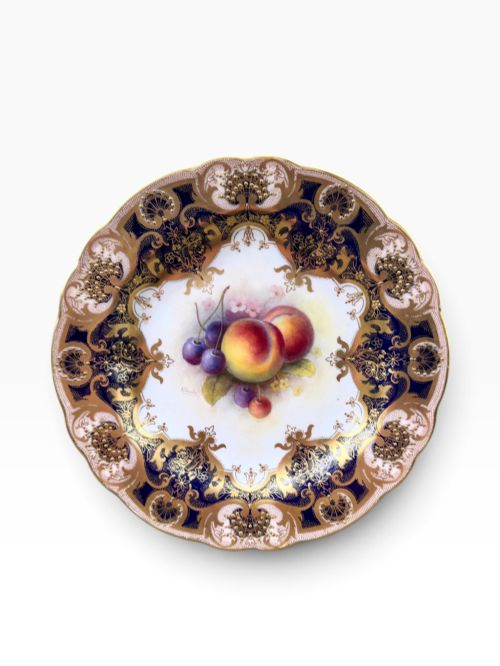
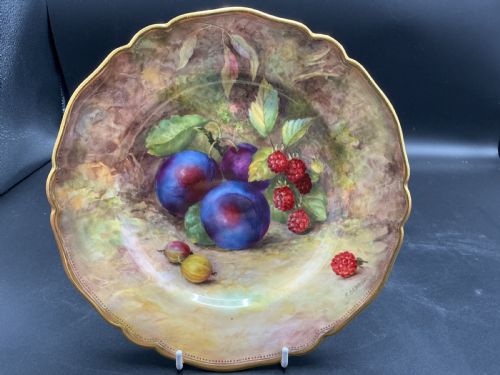
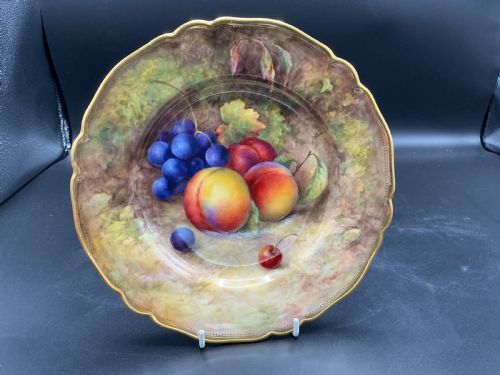
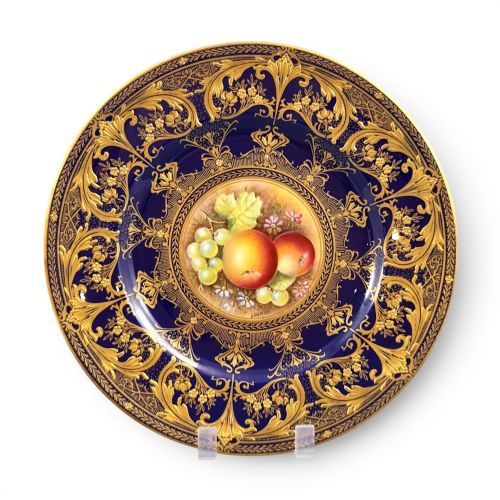
You are most likely to meet cabinet plates bearing fruit studies signed by painters such as Richard Sebright or Albert Shuck. Vases, pot pourri jars and porcelain figures also appear frequently across Edwardian and mid-century periods.
How they were made
Potters shaped fine porcelain and bone china bodies, often applying delicate textures like rope edges or blush ivory grounds before initial firing. Artisans then hand-painted subjects directly onto the glazed or biscuit surface, utilising enamel colours for fruit, floral and figural scenes.
Gilding and gold leaf accents were applied by hand around rims and handles, followed by a final kiln firing to fix the metallic details and pigments permanently. Many pieces incorporate brass or gilt fittings, particularly in table lamps and mounted vases.
Highland cattle graze peacefully across spill vases, bringing stubborn Scottish livestock into polite Victorian drawing rooms.
What varies in quality
The calibre of the hand-painted decoration determines the standing of a piece, distinguishing standard factory output from master works by named artists like Stinton or Davis. Brushwork precision, depth of colour in fruit studies and complexity of the enamel work dictate desirability.
The presence of registered maker marks, pattern numbers and signature details confirm the pedigree of the ceramic. Intricate moulding, crisp gilding and preservation of the enamel surface separate finer items from simpler production ware.
Grainger And Co·Royal Worcester
The Vintage Royal Worcester Glossary
- Cabinet plate
- A decorative ceramic plate intended for display in a cabinet rather than for dining. These often feature elaborate hand-painted scenes and gilded borders.
- Blush ivory
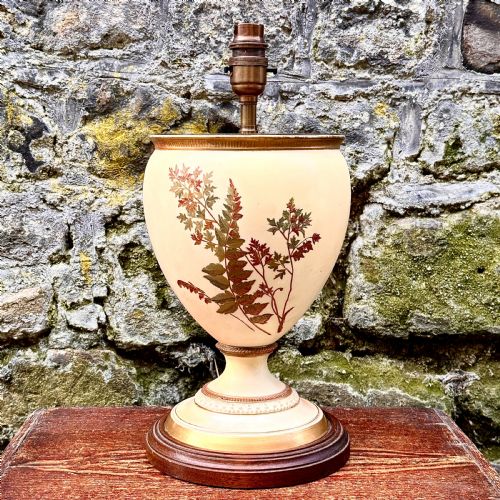
- A matte cream-coloured ceramic body developed by the factory during the late nineteenth century. It mimics the tone of ivory and serves as a soft ground for floral decoration.
- Pot pourri vase
- A covered vessel pierced with holes to diffuse scent from dried flowers. They often feature hand-painted motifs and gilt crown tops.
- Gilding
- The application of gold leaf or gold paint to ceramic surfaces for decorative emphasis. It highlights rims, handles and sculptural details.
- Figurine
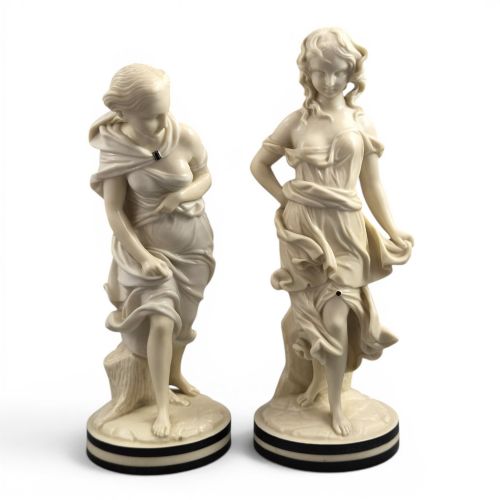
- A small porcelain sculpture depicting human or animal subjects. Modelled figures range from classical maidens to children and characters from popular series.
Vintage Royal Worcester: Frequently Asked Questions
How do I identify vintage royal worcester periods?
Pates carry stamped factory marks on the underside that changed across decades, often including date ciphers or standard factory culls. Comparing the style, such as Victorian neo-classical forms versus Art Deco lines, helps narrow the decade of manufacture.
Hand-written pattern numbers and artist signatures also provide clues to the production era. Reference books match specific cyphers to exact years of kiln firing.
Were painted fruit plates used for dining?
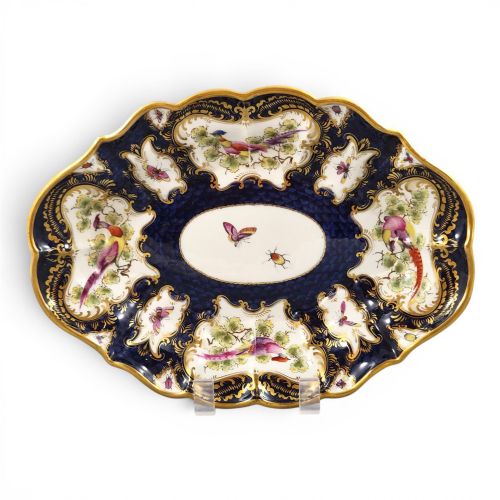
Cabinet plates and dessert dishes featuring hand-painted fruit were primarily intended for display in dining rooms and drawing rooms. Their delicate enamel work and extensive gilding made them unsuited for everyday meals.
Wealthy households showcased these items in cabinets or used them for formal dessert courses. Surviving examples often retain pristine surfaces due to this careful handling.
How should I clean porcelain table lamps?
Dust porcelain lamp bases gently with a soft, dry brush to prevent accumulation in textured areas. Avoid harsh chemical cleaners that might damage the hand-painted enamel or rub away gold leaf details.
Keep moisture away from any electrical components fitted to the ceramic body. Professional inspection of older wiring is recommended before plugging in antique lamps.
What is blush ivory porcelain?
Blush ivory is a specialised ceramic finish featuring a warm, matte cream background. It was widely used during the late nineteenth and early twentieth centuries to provide a subtle backdrop for floral painting.
This technique creates a soft, tactile surface that differs from traditional glossy white porcelain glazes. It remains a hallmark of the aesthetic style associated with that period.