
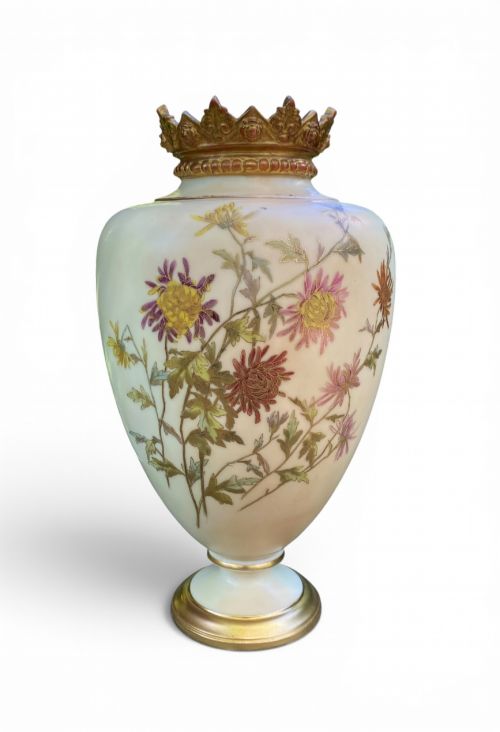


Collectable Ceramic Vase
A collectable ceramic vase brings tactile weight and hand-painted artistry into a room, offering an enduring focal point for any interior.
Collectable Ceramic Vase
A collectable ceramic vase encompasses functional vessels and decorative display pieces shaped from clay, porcelain, earthenware, and stoneware. When you search for this phrase, you encounter forms ranging from ginger jars and jugs to classical urns and baluster vases.
The pieces available span multiple decades and movements, stretching from nineteenth-century Victorian creations through Edwardian, Art Nouveau, and Art Deco designs into mid-century studio pottery. You will frequently meet works by renowned British factories alongside Japanese Meiji period examples and French ceramics.
Makers utilised distinct regional techniques, applying intricate patterns such as painted fruit, highland cattle, and fairy lustre designs onto the fired clay body. These vessels serve primarily as decorative accents, displaying the distinct hand of individual artists and historic potteries.
Materials and methods of production
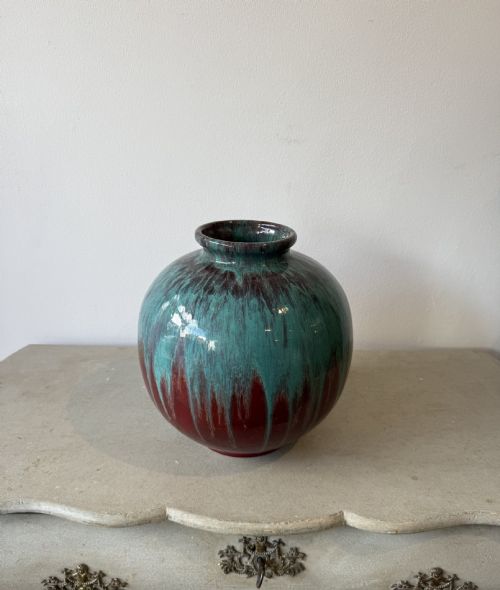
Potters shaped these vessels using earthenware, stoneware, and fine porcelain, applying glazes that ranged from luminous flambé to celadon and salt glazes. Artisans fired the clay bodies in kilns before applying surface decoration by hand.
Painters utilised enamel, gold leaf, and specialised ceramic pigments to render detailed scenes of animals, landscapes, and stylised motifs directly onto the glazed or biscuit surface. Certain workshops relied on slip-casting and throwing techniques to achieve unusual or balanced silhouettes.
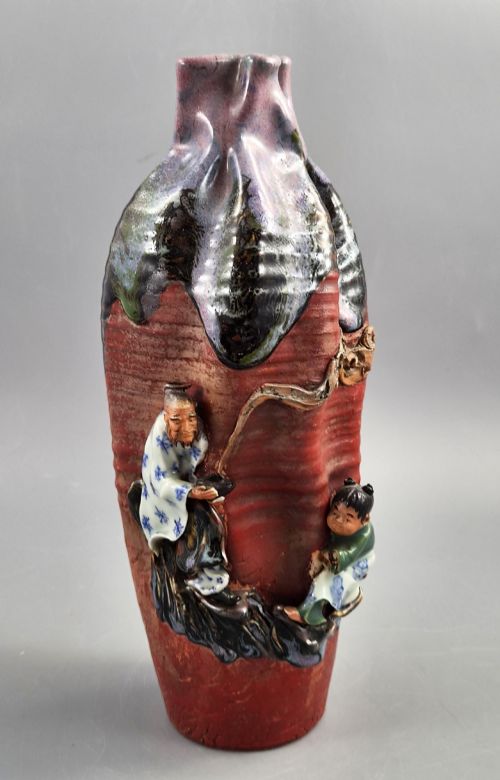
A Japanese Sumida Gawa vase brings whimsical sage and karako figures clambering across lavender flambé glaze.
Measures of craftsmanship
The standard of a piece rests heavily on the skill of the artist responsible for the hand-painted decoration, such as detailed animal portraits or complex lustre effects. Crispness of form, balanced proportions, and the depth of the glaze application distinguish superior examples.
The presence of clear factory stamps, signatures by named designers, and documented patterns elevate the standing of a vessel. Pieces that retain their original rich gilding and suffer no restoration demonstrate higher integrity.
Wedgwood·Moorcroft·Royal Worcester·Doulton Lambeth·Royal Doulton·Macintyre And Co·Pilkingtons Royal Lancastrian·Liberty And Co·Royal Crown Derby·Roger Guerin
The Collectable Ceramic Vase Glossary
- Baluster vase
- A vessel characterised by a rounded body that tapers toward the base and swells near the lower portion. This classical silhouette provides a stable foundation for intricate surface painting.
- Earthenware
- A porous pottery body fired at lower temperatures, requiring an impermeable glaze to hold water. It forms the base for many traditional decorative vessels.
- Lustre
- A metallic or iridescent glaze finish that produces a shimmering, reflective surface when fired. It was notably utilised by potteries to create magical, glowing effects.
- Porcelain
- A fine, vitrified ceramic material made from clay containing kaolin, fired at high temperatures. It yields a white, translucent body prized for delicate decorative pieces.
- Stoneware
- A robust, dense ceramic fired at high heat until semi-vitrified and naturally impervious to liquids. It underpins heavier utilitarian and decorative items.
Collectable Ceramic Vase: Frequently Asked Questions
How do I identify a Moorcroft vase?
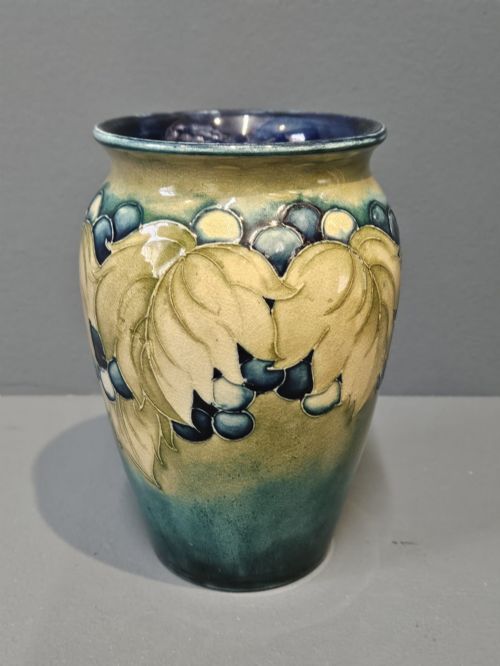
Look for raised tube-lined decoration where the outlines of the pattern form small ridges on the ceramic body. Many genuine pieces also feature hand-written signatures and factory stamps on the base.
Compare the specific floral or leaf patterns, such as pomegranate or leaf and berries, against documented designs from the relevant production period.
What is Fairyland Lustre?
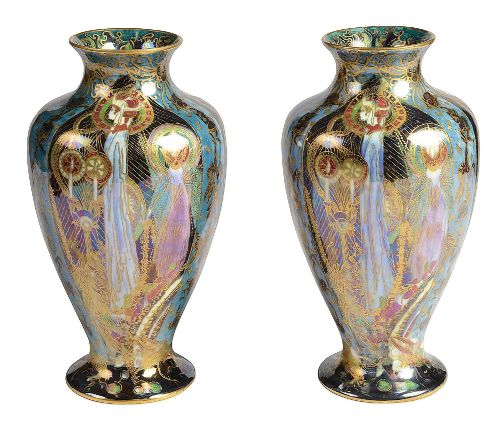
Fairyland Lustre is a complex range of iridescent ceramic designs produced by Wedgwood, featuring fantastical creatures, goblins, and landscapes. These pieces rely on multiple kiln firings and intricate hand-painting with gold leaf and vibrant enamels.
The technique creates a deeply atmospheric, shimmering surface that is distinct from standard ceramic glazes.
Can these vases hold water?
Many stoneware and glazed porcelain vessels are structurally sound and can hold water safely for fresh flowers. However, older earthenware and certain pieces with historic glaze crazing may seep moisture.
It is safest to place a small glass or plastic liner inside antique vessels if you intend to use them with fresh stems.