
Royal Worcester Ceramic
Royal Worcester ceramic pieces span delicate blush ivory wares to finely painted fruit plates carrying notable artist signatures.
Royal Worcester Ceramic
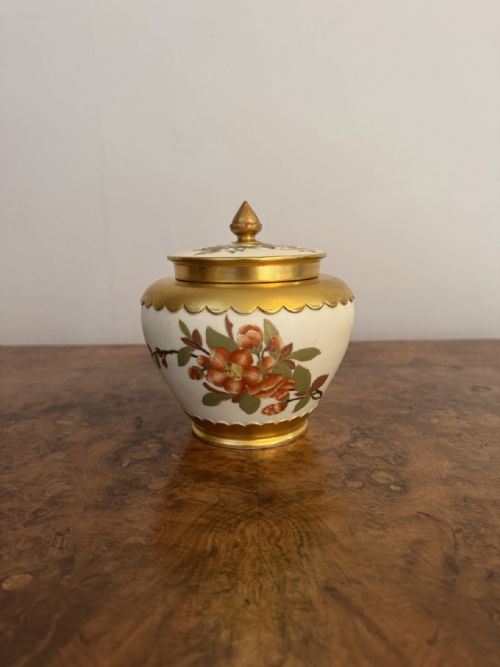
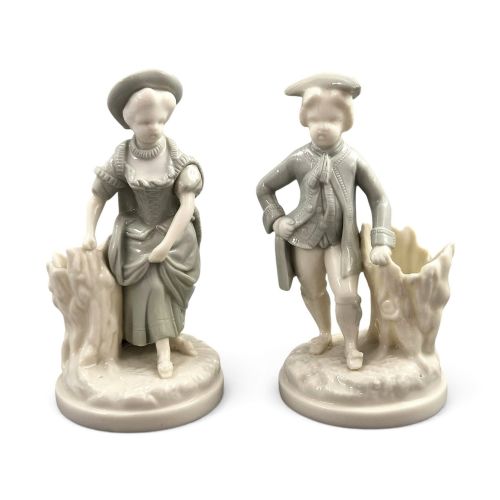
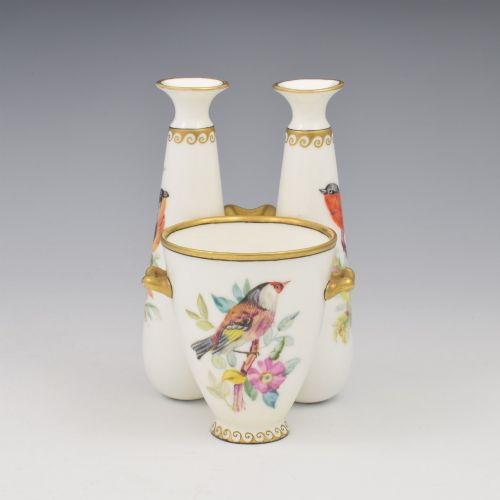
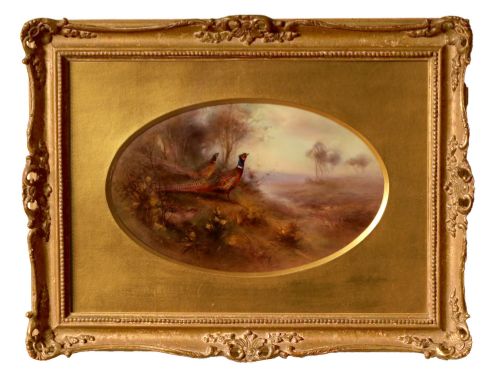
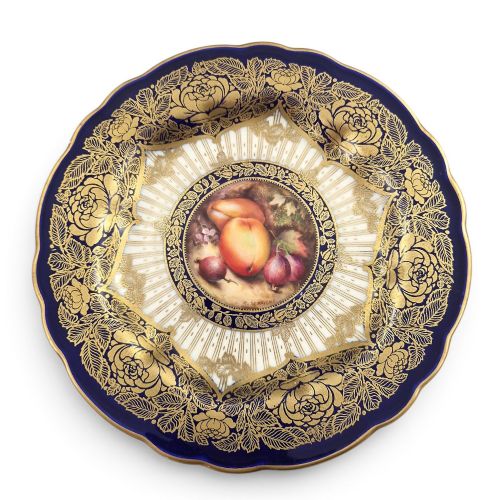
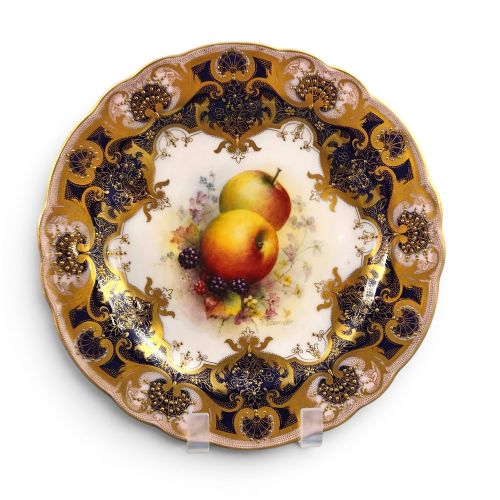
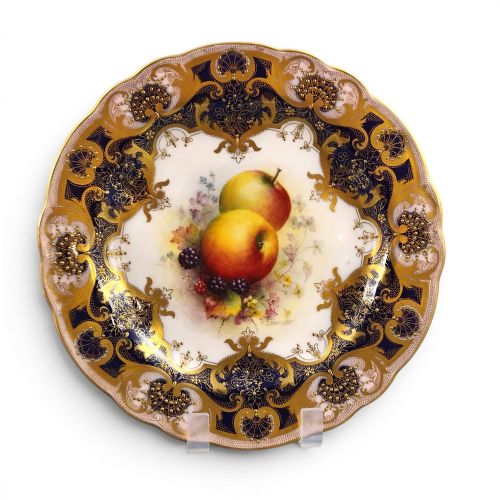
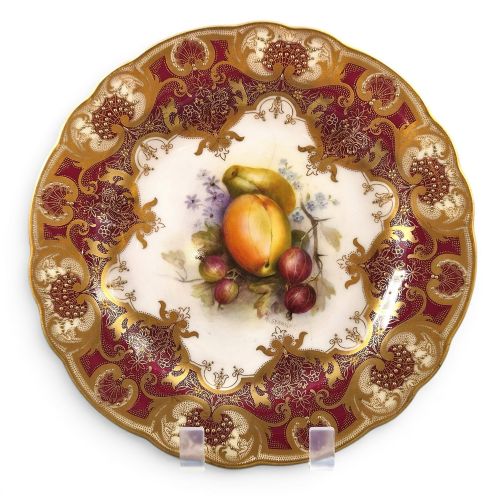
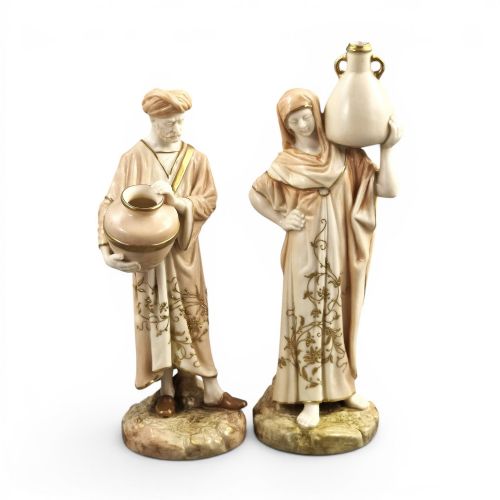
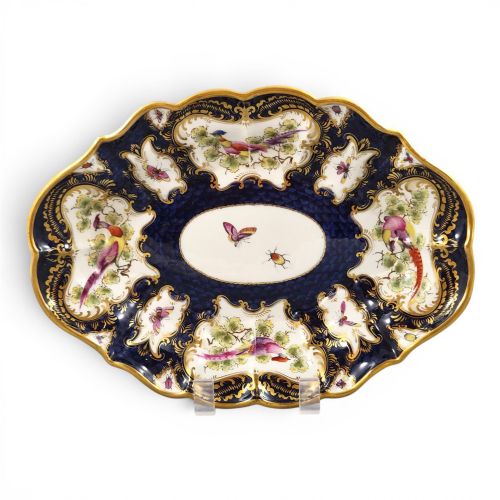
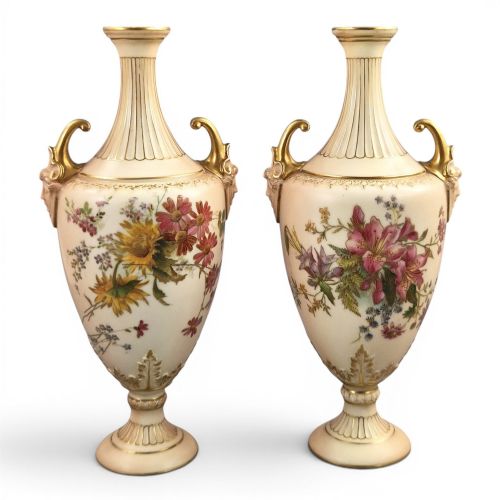
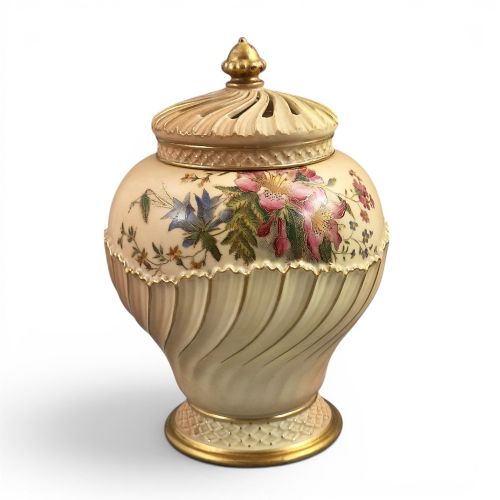
The most common finds on this page comprise blush ivory pieces from the turn of the twentieth century, alongside cabinet plates painted with fruit or ornithological studies. Decorative figures and lidded potpourri jars also appear frequently across the periods recorded in the evidence.
These items originate from various stylistic movements such as Victorian Orientalism, Art Deco, and Traditional English design. Buyers find works spanning the 1870s through to the mid-twentieth century.
How they were made
Production relies primarily on porcelain and bone china, shaped into intricate forms such as ewers, figural salts, and boat-shaped bowls. Artisans applied glazes and hand-painted details directly onto the ceramic body.
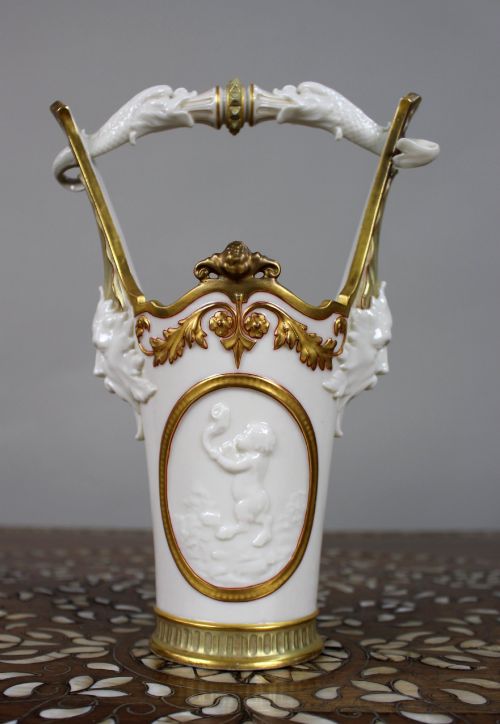
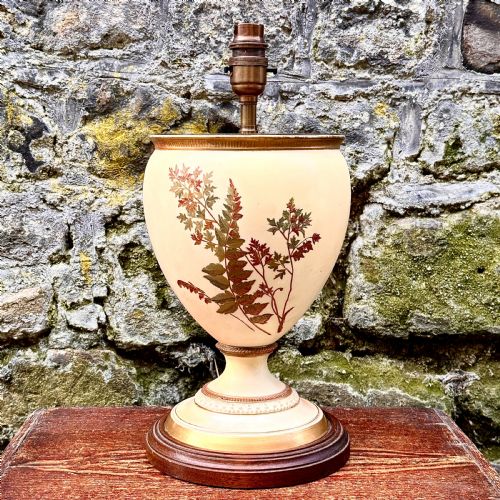
Makers utilised gold leaf, gilding, and gilt accents to highlight handles, rims, and sculptural elements. Enamel detailing and brass mounts appear on specific decorative objects and lamps.
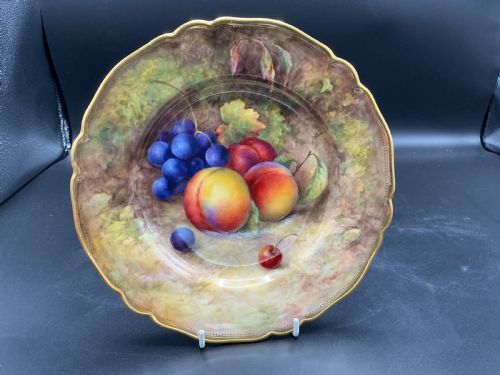
Skilled painters signed many of the cabinet plates and plaques, recording detailed naturalistic subjects in enamel and mineral colours.
Listings feature porcelain and bone china pieces spanning the Victorian, Edwardian, and Art Deco periods, including painted fruit cabinet plates and blush ivory vases.
What varies in quality
The degree of artistic execution separates standard production items from master-painted cabinet pieces. Hand-painted fruit and ornithological subjects by known painters command particular attention for their precision and depth of colour.
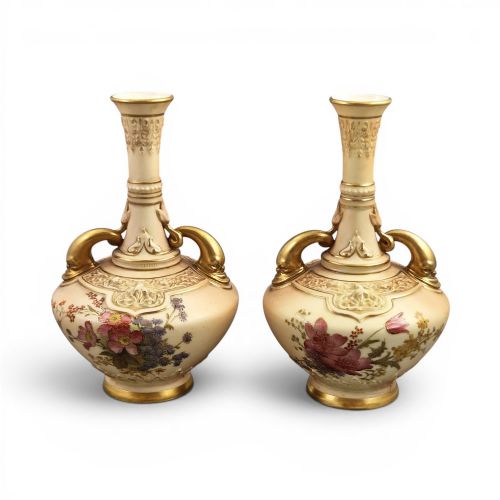
Complexity of form and sculptural detail also divide the range, from simple thrown vessels to elaborate figural groups, dolphin handles, and reticulated potpourri jars. The crispness of the moulding and the preservation of the gilding determine the standing of each piece.
James Hadley·John Hopewell·James Stinton·Richard Sebright·Chivers·H Ayrton·Walter Powell·J Southall
The Royal Worcester Ceramic Glossary
- Blush Ivory
- A specialised cream-coloured ceramic body developed by the factory, typically decorated with soft floral sprays and gilt highlights. It defined much of the aesthetic during the late Victorian and Edwardian periods.
- Cabinet Plate
- A decorative ceramic plate intended for display rather than dining, frequently featuring detailed hand-painted scenes such as fruit or birds. These items often bear the signature of a studio artist.
- Puce Mark
- A factory backstamp printed in a purple-red tone, used during specific nineteenth-century eras to help date the piece. Collectors look to these marks for verification of age and origin.
- Potpourri
- A vessel designed to hold dried scented plant material, featuring a pierced or lidded body to release fragrance. Examples often incorporate elaborate modelling or hand-painted motifs.
Royal Worcester Ceramic: Frequently Asked Questions
How do I date my Royal Worcester piece?
Dating relies heavily on factory backstamps, such as the puce mark, alongside shape numbers and registration ciphers stamped into the base.
Stylistic cues like blush ivory finishes or specific artist signatures also help narrow down the production era.
Are painted fruit plates hand-painted?
The finest examples feature genuine hand-painted fruit studies signed by studio artists such as Richard Sebright or James Stinton.
These pieces show distinct brushwork and individual artistic variation rather than printed transfers.
What is blush ivory ware?
Blush ivory refers to a soft, matte cream ceramic ground introduced in the late nineteenth century, often accented with gilt and floral decoration.
It became one of the most popular finishes produced by the factory during the Victorian and Edwardian eras.
How should I display cabinet plates?
Cabinet plates suit wall mounting with appropriate plate hangers or display on dedicated stands within enclosed cabinets.
Protecting them from direct sunlight helps preserve the hand-painted enamel colours and gilt edges.