


Signed Royal Worcester
Signed royal worcester brings together the finest hand-painted ceramics and the celebrated artists who decorated them.
Signed Royal Worcester
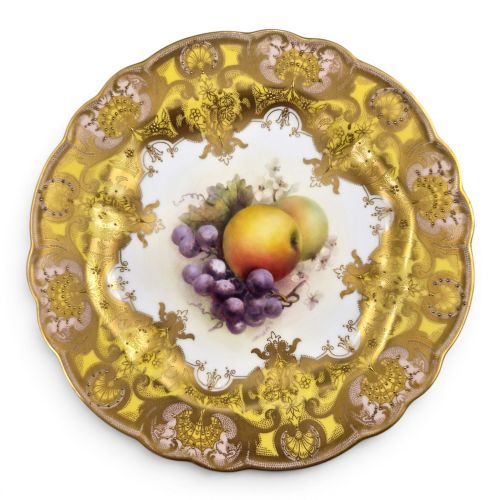
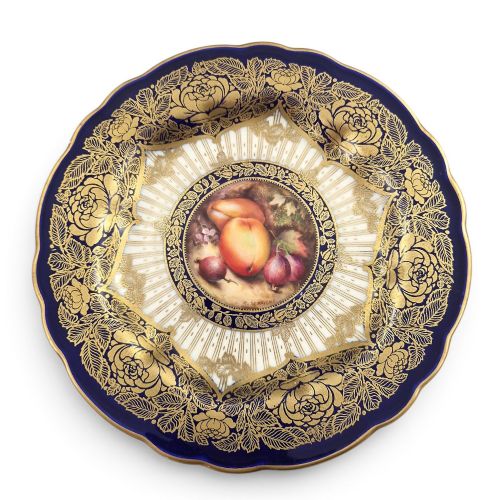
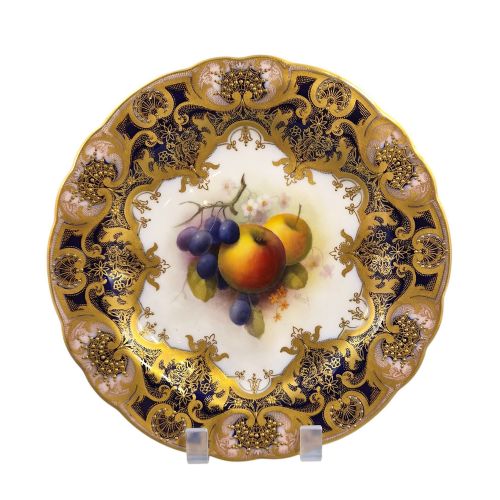
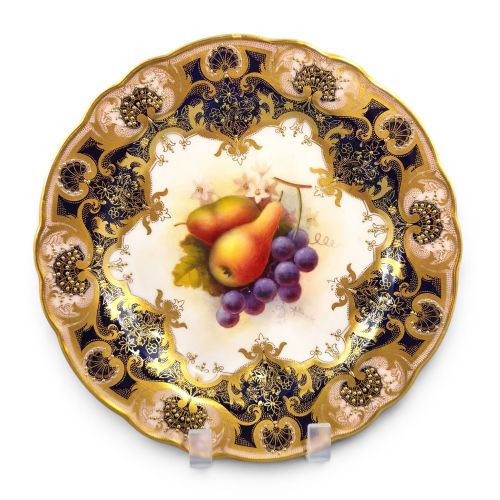
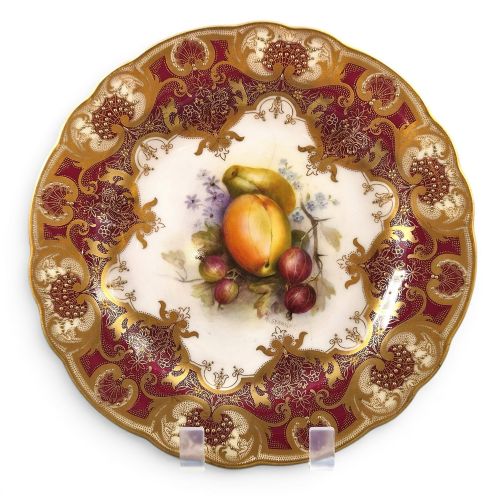
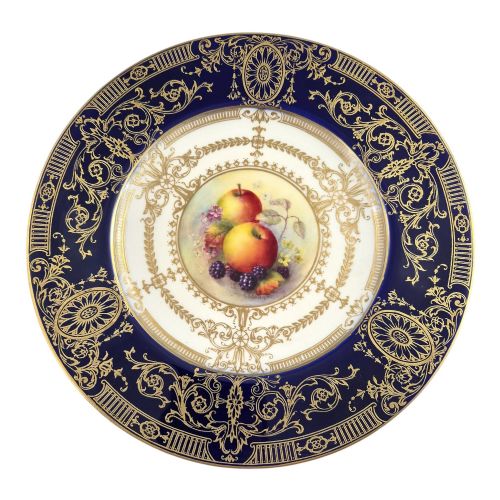
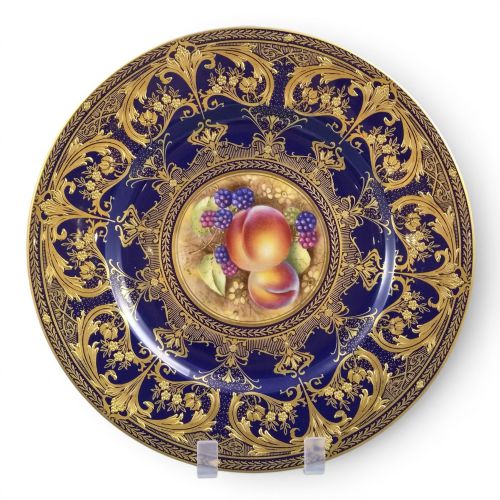
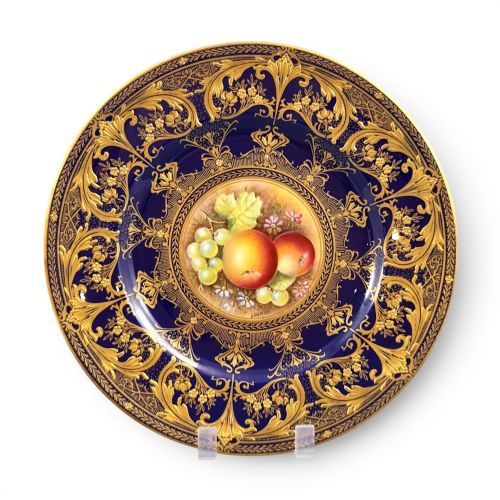
Signed royal worcester pieces represent the pinnacle of British ceramic artistry, combining fine bone china and porcelain with individual artist signatures. Collectors hunting for signed royal worcester items will frequently encounter cabinet plates, decorative bowls, and finely painted vases from the Edwardian era through the mid-twentieth century.
The objects span practical and decorative forms, including cream jugs, coffee pots, pot pourri jars, and dramatic display plaques. Painted fruit studies, delicate sheep scenes, and floral motifs dominate the output, often framed by ornate gilt borders.
Most examples originate from the early decades of the twentieth century, particularly the Edwardian period and the 1920s to 1940s. These decades showcase the peak of the factory's studio painters working on porcelain blanks.
Materials and Technique
The foundation of these pieces relies upon fine porcelain and bone china, which provided a smooth, stable white ground for intricate brushwork. Artisans applied vibrant enamel colours by hand, building up rich layers for fruit studies, landscapes, and floral compositions.
Gilding played an essential role in finishing the ceramics, utilising gold leaf and heavy gold gilt to accentuate rims, handles, and borders. Master decorators signed their finished works directly onto the glaze before a final firing fixed the pigments permanently.
Materials recorded across the archive include bone china, gold leaf, and enamel applied in traditional English styles.
Evaluating Quality
The mastery of the individual hand-painted subject separates standard production from exceptional works. Pieces decorated by celebrated factory artists command greater attention due to the precision, depth, and realism of the brushwork.
The complexity of the form and the richness of the surrounding gilding also influence the standing of a piece. Elaborate gilt handles, extensive gold leaf application, and challenging vessel shapes elevate the overall execution.
Richard Sebright·Albert Shuck·Brian Leaman·Chivers·H Ayrton·J Southall·James Stinton·H Davis·Freeman·Ayrton·P Love·J Smith·William Ricketts·K Blake·G Johnson·Harry Davis·James Hadley·Walter Sedgley·Louis Flexman·C Baldwyn·F J Bray·T Lockyer·W Powell·HH Price·Moseley
The Signed Royal Worcester Glossary
- Cabinet plate
- A decorative ceramic plate intended for display in a cabinet rather than for dining. These often feature elaborate hand-painted scenes and rich gilt borders.
- Pot pourri
- A decorative vessel with a pierced or perforated lid designed to hold scented dried plant material. These containers frequently showcase prominent artist signatures and painted motifs.
- Gilding
- The application of gold leaf or gold paint to ceramic surfaces. This technique adds metallic highlights to handles, rims, and decorative borders.
- Bone china
- A type of soft-paste porcelain incorporating animal bone ash. It offers high mechanical strength and a brilliant white translucency ideal for fine painting.
- Ewer
- A large jug or pitcher with a wide spout and elaborate handle. These ornamental forms often appear in matched pairs alongside decorative vases.
Signed Royal Worcester: Frequently Asked Questions
How do I identify the artist on my piece?
Look closely near the edge of the painted scene or along the base for a handwritten signature, initials, or monogram. Artists often signed their miniature watercolours and porcelain designs in a fine script that matches factory records.
Comparing these signatures to documented examples helps confirm which decorator painted the fruit, floral study, or landscape.
What periods are most common?
The majority of these hand-painted ceramics date from the Edwardian era through the mid-twentieth century, with strong representation from the 1910s and 1920s. Earlier Victorian pieces and later mid-century examples also appear.
Stylistic shifts, from ornate Neo-Rococo revival designs to cleaner Art Deco lines, help narrow down the decade of manufacture.
Are these items meant for daily use?
These delicate porcelain and bone china pieces are primarily intended for decorative display rather than functional dining. The intricate hand-painted enamels and gold leaf accents require gentle care to preserve their finish.
Cabinet plates, ewers, and pot pourri jars look best showcased in secure display cabinets or on stable surfaces away from direct sunlight.
Why do painted fruit designs appear so often?
Painted fruit studies became the signature specialty of the factory's premier studio artists during the early twentieth century. Master painters developed intricate techniques to capture the lush textures and light on peaches, grapes, and berries.
Collectors prized these vibrant fruit compositions, prompting decorators to repeat the successful theme across plates, vases, and tea sets.