

Antique Covered Urn
An antique covered urn is a decorative vessel combining sculptural form with a fitted lid, sought after for bringing classical presence to a room.
Antique Covered Urn
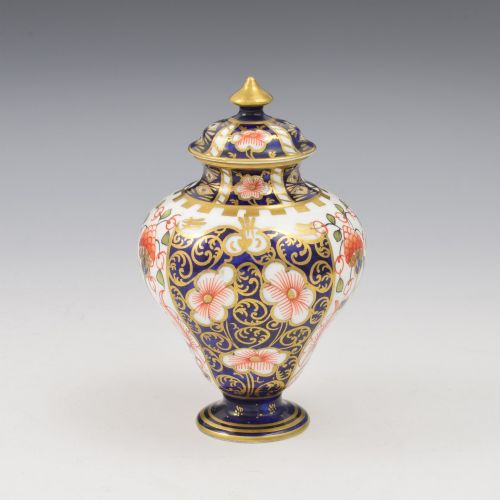
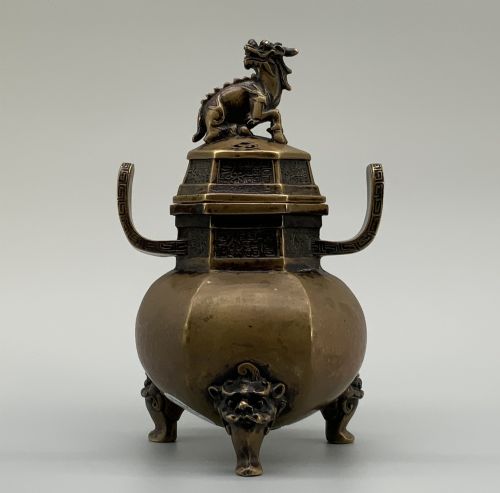
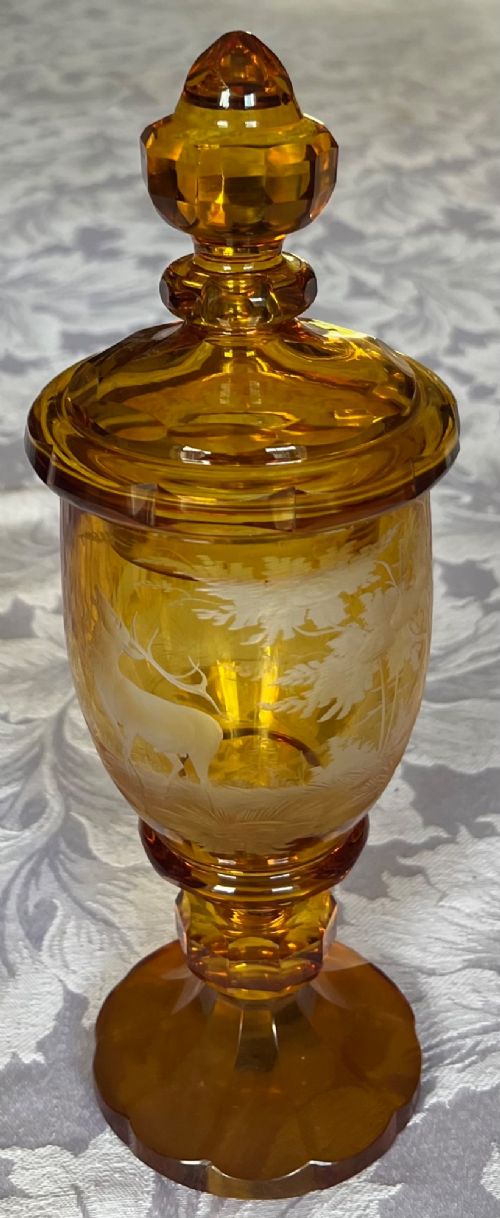
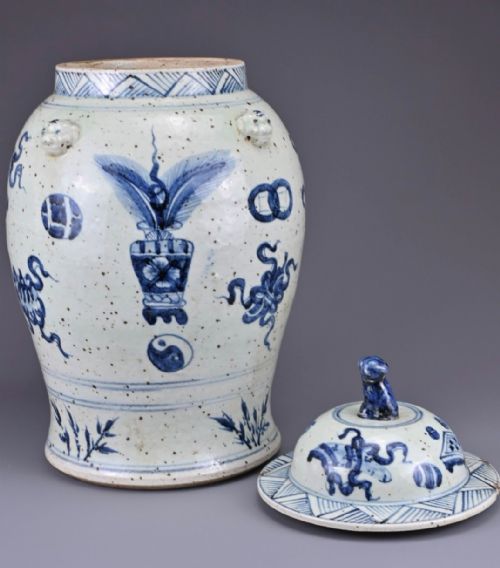
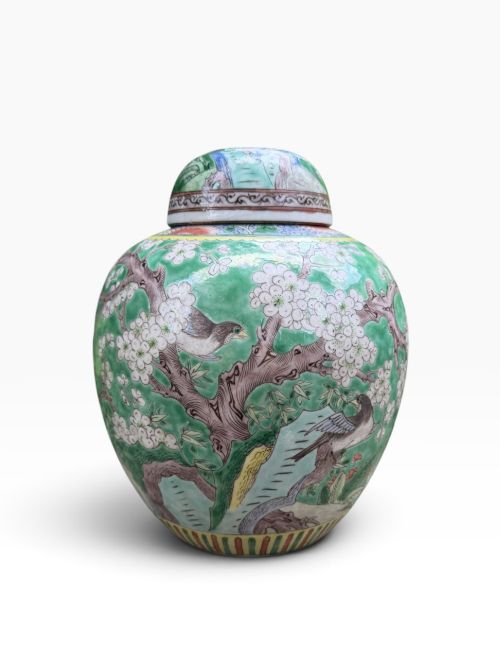
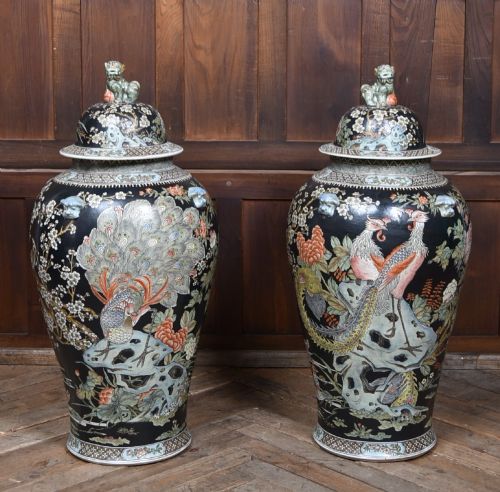
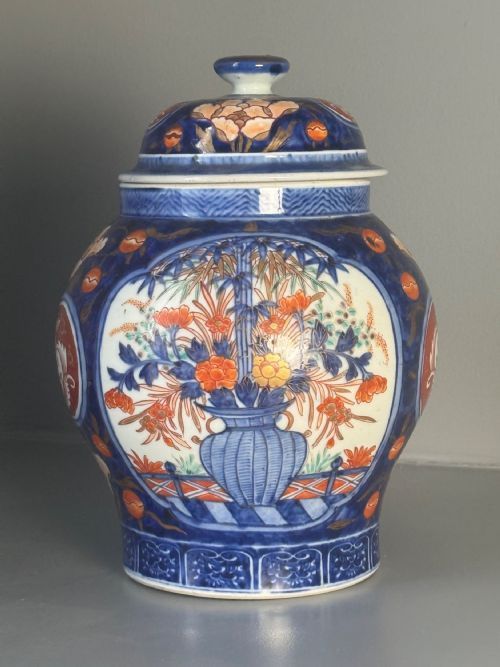
An antique covered urn encompasses lidded vessels, jars, and vases originating predominantly from the 18th and 19th centuries, alongside Edwardian and 1920s examples. These objects draw on classical forms, ranging from bulbous ginger jars and pedestal vases to hexagonal tripod censers and amphora shapes.
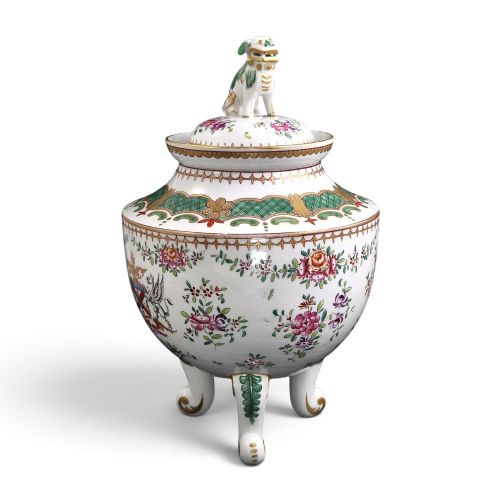
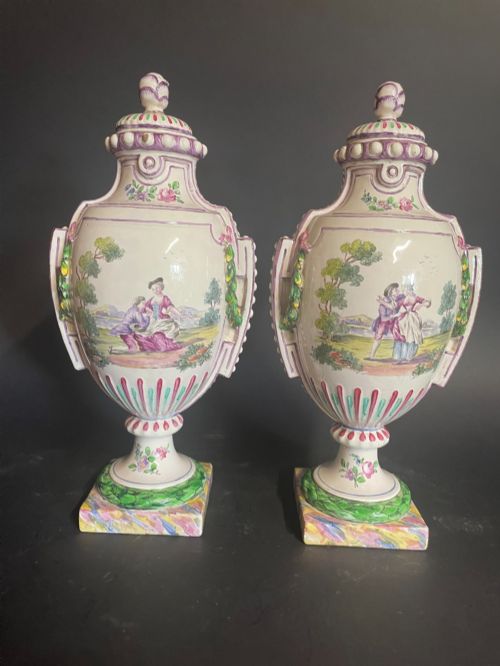
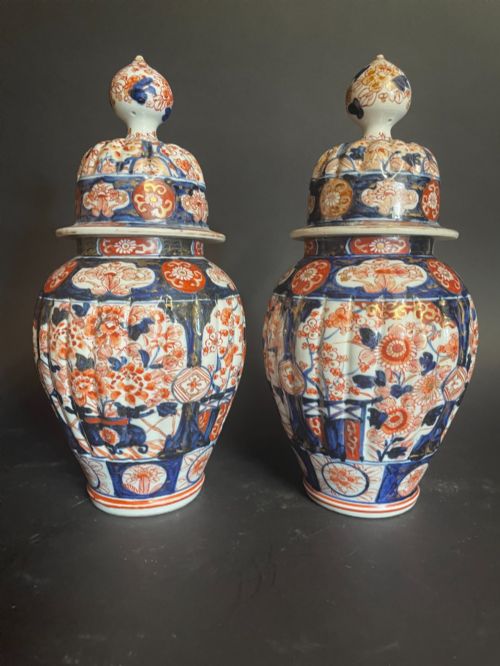
The selections span European porcelain houses, English ironstone and earthenware potteries, Dutch and French faience, and Asian export wares including Japanese Imari and Satsuma. Buyers frequently encounter blue and white delftware, hand-painted porcelain with floral or Chinoiserie decoration, and earthenware majolica urns.
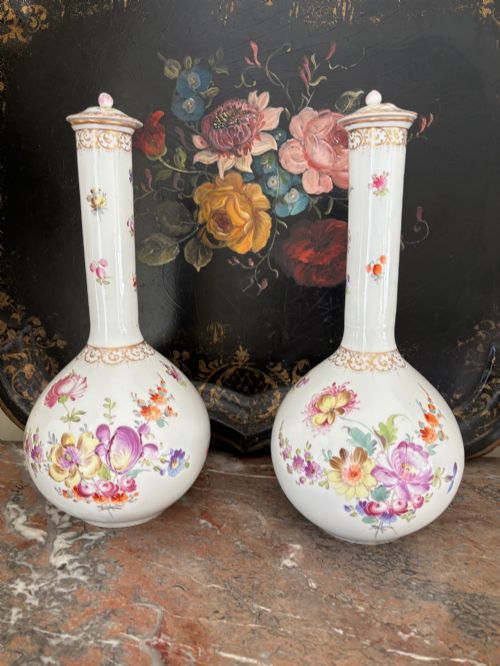
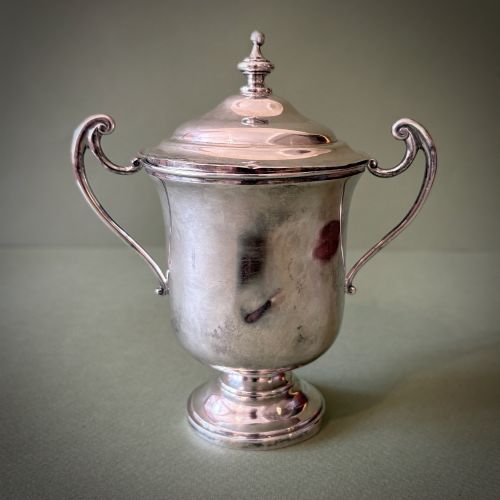
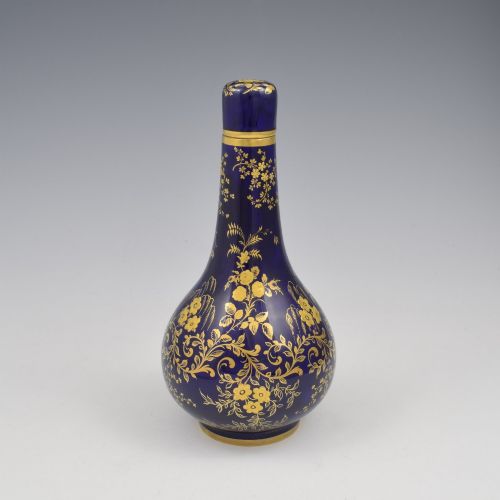
Vessels designed with lids serve both decorative display and functional utility, appearing singly or in matched pairs. The range includes diminutive scent bottles and miniature porcelain pieces alongside large, imposing decorative jars intended for prominent placement.
How they were made
Construction relies heavily on ceramic traditions, utilising porcelain, earthenware, ironstone, and tin-glazed compositions shaped on the wheel or cast in moulds before receiving intricate hand-painted or transfer-printed decoration. Many pieces incorporate rich surface treatments such as gold leaf gilding, enamel highlights, and specialised ground colours like mazarine blue and blush ivory.
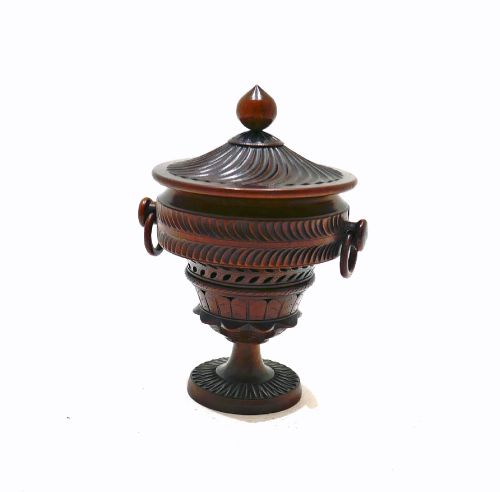
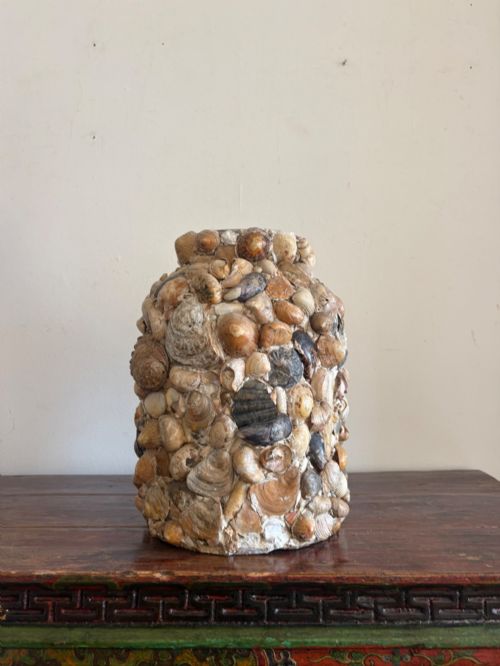
Beyond ceramics, certain examples utilise bronze casting for Grand Tour style urns and tripod censers, while rarer specimens employ carved fruitwood treed or shell decoration applied in folk art contexts.
Listings span periods from the 18th century through the Edwardian era, featuring porcelain, earthenware, and bronze.
What varies in quality
The standard of a piece rests upon the precision of its hand-painted execution, the crispness of moulded detail in the body and lid, and the coherence of its decorative scheme. Master painters working for established porcelain manufactories achieve a depth and delicacy in floral motifs and figures that distinguish them from simpler commercial output.
Material refinement and firing success also divide the range, where smooth, unblemished glazes, even application of gold leaf, and a secure, well-fitted lid demonstrate superior workshop control.
Royal Crown Derby·Samson Paris·Sitzendorf·Sceaux Faience·Mason's Patent Ironstone·Limoges·Chamberlain Worcester·Vienna Porcelain·Booths Silicon China·Royal Worcester·Coalport·Crown Staffordshire
The Antique Covered Urn Glossary
- Censer
- A vessel designed for burning incense, often featuring a perforated cover to release smoke. These take various sculptural forms including tripod shapes.
- Imari
- A style of Japanese porcelain featuring a distinctive palette of underglaze blue, iron red, and gold leaf. It gained immense popularity in European collections.
- Majolica
- A type of earthenware coated with a tin glaze and painted with opaque metal-oxide colours. It produces vibrant, glossy decorative surfaces.
- Pot-pourri
- A jar or vase featuring a pierced or fitted lid designed to hold dried scented plant material. These vessels allow fragrance to permeate a room.
- Ironstone
- A heavy, durable ceramic perfected in the 19th century as a robust alternative to porcelain. It takes rich colour grounds and enamels exceptionally well.
Antique Covered Urn: Frequently Asked Questions
What were covered urns used for?
These vessels originally served various domestic and ceremonial purposes, ranging from holding dried flowers and aromatic pot-pourri to burning incense or simply displaying wealth and artistic taste.
Over successive centuries, they transitioned into purely decorative interior ornaments, prized for their symmetrical proportions and elaborate painted surfaces.
How do I identify an 18th-century piece?
Eighteenth-century examples often display specific paste characteristics, hand-mixed pigments, and glaze pooling typical of early firing techniques before industrial standardisation took hold.
Examining the base, potting weight, and stylistic conventions of the period helps distinguish these earlier vessels from 19th-century revivals.
Where should I display an antique urn?
These pieces command attention when placed on prominent flat surfaces such as mantelpieces, entrance hall consoles, or large sideboards where their vertical forms can balance a room.
Paired urns work effectively framing a mirror or architectural feature, while single large jars anchor shelf displays or corner tables.
How do I care for ceramic urns?
Maintenance requires gentle dusting with a soft, dry cloth to prevent accumulation in crevices and around delicate painted details or handles.
Avoid using liquid cleaners or harsh chemicals, particularly on pieces with exposed gold leaf or enamel work that can degrade over time.