



Ornate Ceramic Urn
An ornate ceramic urn brings heavy Victorian or French neoclassical weight to a room, trading in hand painted porcelain, gilt bronze, and majolica.
Ornate Ceramic Urn
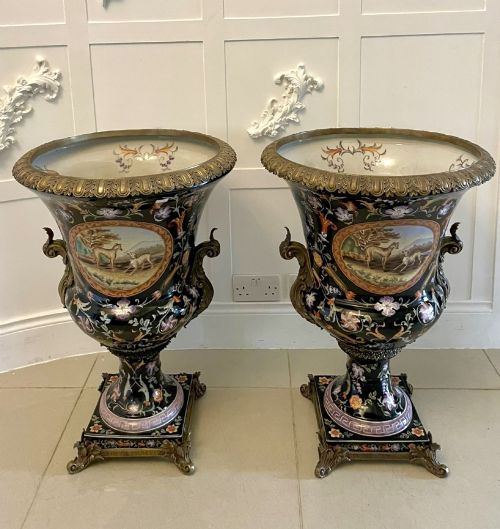
When you search for an ornate ceramic urn, you are looking at large decorative vessels, lidded jars, jardinieres, and monumental vases built for display. These pieces draw from nineteenth century French and English traditions, spanning Rococo Revival, Victorian, and Neoclassical styles.
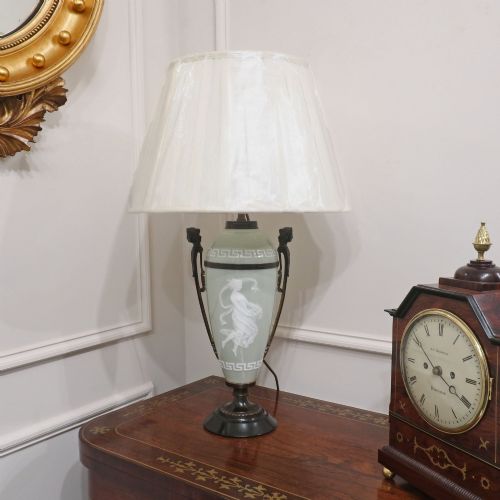
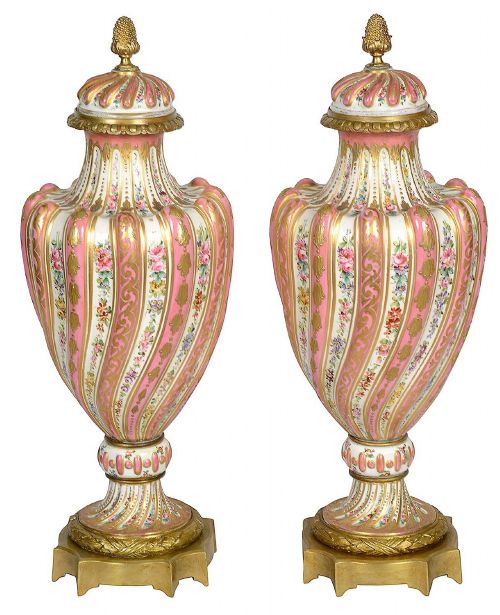
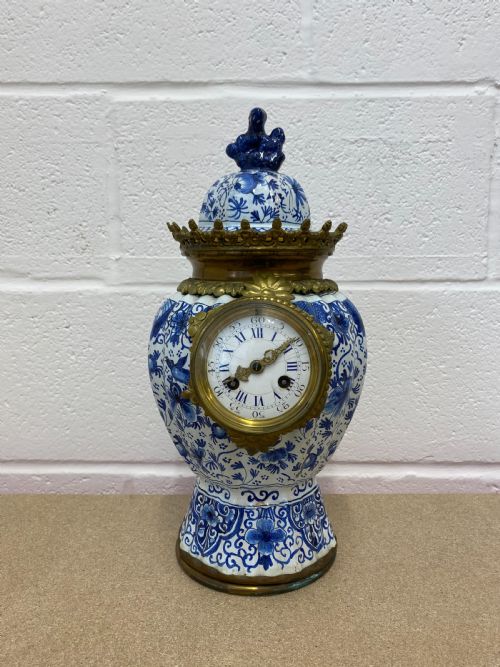
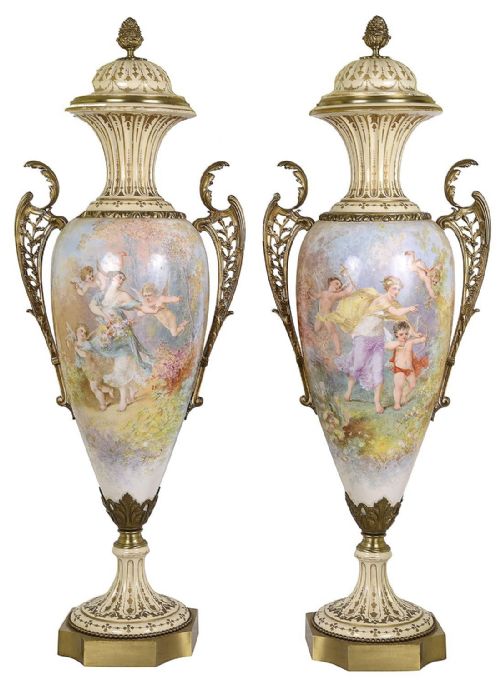
The versions most likely to meet you on this page include pairs of Sevres style lidded vases, porcelain table lamps mounted in brass or gilt bronze, and hand painted earthenwares. Makers and potteries such as Royal Worcester and Royal Crown Derby appear alongside French and Italian imports from the eighteen eighties and nineties.
How they were made
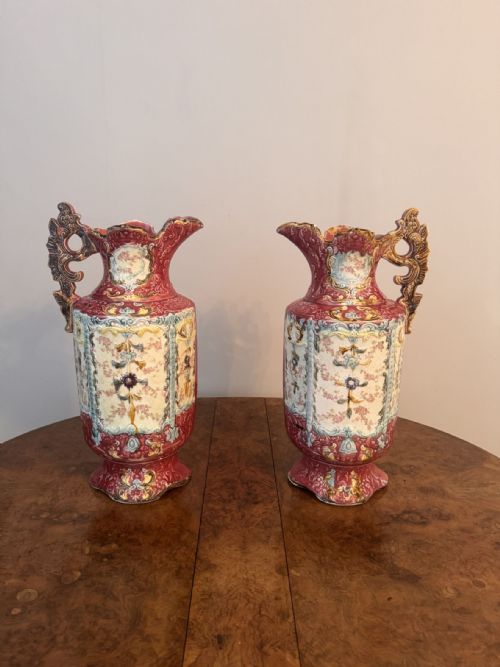
Potters shaped these bodies from porcelain, earthenware, terracotta, and majolica, often finishing the surfaces with intricate glazes and hand painted scenes. Many vessels received pate sur pate decoration, building low relief porcelain layers against contrasting coloured grounds.
Mounts, handles, and bases utilised brass, ormolu, and gilt bronze, secured with threaded bolts or pins to heavy ceramic bodies. Gilding with gold leaf highlighted handles, rims, and Rococo scrollwork across French and English workshops.
Materials recur across porcelain, earthenware, and terracotta, complemented by metal mounts in brass, ormolu, and gilt bronze.
What varies in quality
The standard of an ornate ceramic urn rests on the crispness of the porcelain throwing and the weight of the metal mounts. Finer pieces display hand painted detail by named artists, whereas commercial output relied on simpler transfers or standard glazes.
Proportion and scale dictate the visual success of the pair or single vessel, from petite table lamps to monumental garden urns over a metre tall. Original gilt bronze mountings firmly separate superior nineteenth century productions from later decorative copies.
Royal Worcester·Royal Crown Derby
The Ornate Ceramic Urn Glossary
- Ormolu
- Gilt bronze mounts cast and chased with decorative foliage, commonly applied to nineteenth century French porcelain urns and vases. The technique involves creating a gold and mercury amalgam fired onto a bronze base.
- Pate sur pate
- A ceramic decorating method where successive layers of liquid white porcelain slip are built up on a coloured clay body to create a low relief cameo effect. This demanding technique requires great skill from the artist.
- Jardiniere
- A decorative ceramic or metal pot designed to hold growing plants or floral arrangements, frequently found paired as decorative garnitures. They often sit on matching pedestals or feet.
- Majolica
- Heavy earthenware coated with an opaque tin glaze and painted with bright metallic oxide colours, popular in nineteenth century Italian and English ceramics. The glaze fires to a high gloss finish.
- Garniture
- A set of three or more matching ornamental vases, urns, or jars displayed together on a mantelpiece or sideboard. They typically feature graduated heights with a central piece flanked by smaller matches.
Ornate Ceramic Urn: Frequently Asked Questions
How were ornate ceramic urns used?
These large vessels served primarily as decorative garnitures on mantelpieces, sideboards, and pedestals in nineteenth century drawing rooms. Some forms functioned as jardinieres for indoor plants or were later converted into table lamps.
Larger scaled examples stood independently on the floor or in hallways to project formal status and taste. Their primary purpose remained visual display rather than utility.
How do I spot a Sevres style urn?
Sevres style urns typically feature rich coloured grounds, such as deep blue or pink, paired with heavy gilding and hand painted pastoral or floral panels. They often incorporate cast brass or gilt bronze mounts around the base and rim.
Many bear painted or faux maker marks underneath, though nineteenth century continental factories produced these decorative pieces extensively as a tribute to the French tradition.
Can I use a ceramic urn outside?
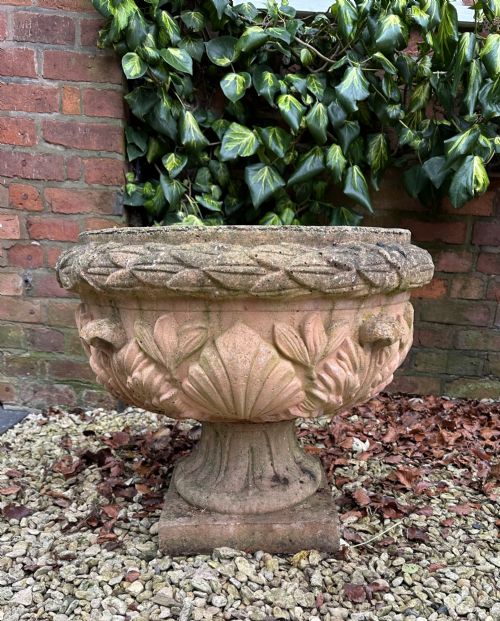
Most antique ceramic urns listed here are designed for indoor display, utilising delicate porcelain, earthenware, or gilt bronze mounts that will not withstand harsh weather. Terracotta and garden planters offer the durability needed for exterior spaces.
Indoor pieces should stay clear of damp conservatory conditions to protect fragile glazes, hand painted details, and metal fittings from corrosion.
How do I date a nineteenth century urn?
Dating relies on stylistic clues, including the transition from heavy Victorian Gothic and Rococo Revival forms toward cleaner Edwardian and Neoclassical lines. Material choices, such as the shift from hand painted majolica to mass produced glazes, also indicate the period.
Factory marks stamped or painted on the ceramic base provide the most reliable guide, pointing to active decades for potteries like Royal Worcester or continental workshops.