
Antique Blue Urn
When you search for an antique blue urn, you uncover vessels of porcelain, earthenware and ceramic shaped for display from the eighteenth century onward.
Antique Blue Urn
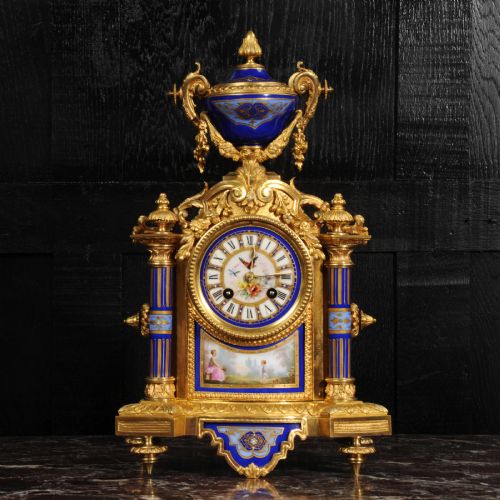
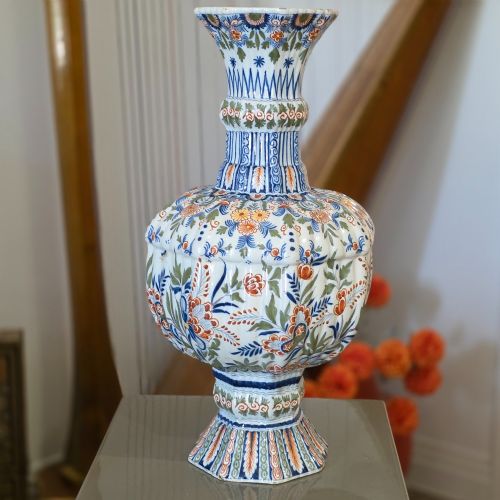
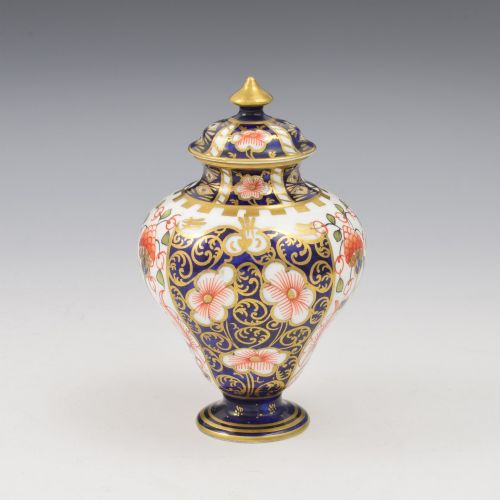
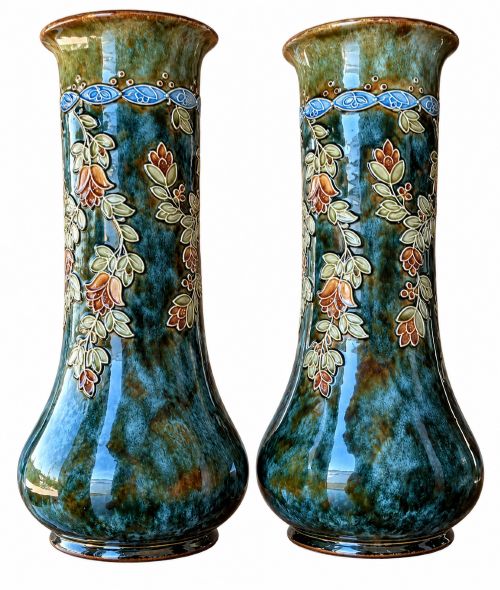
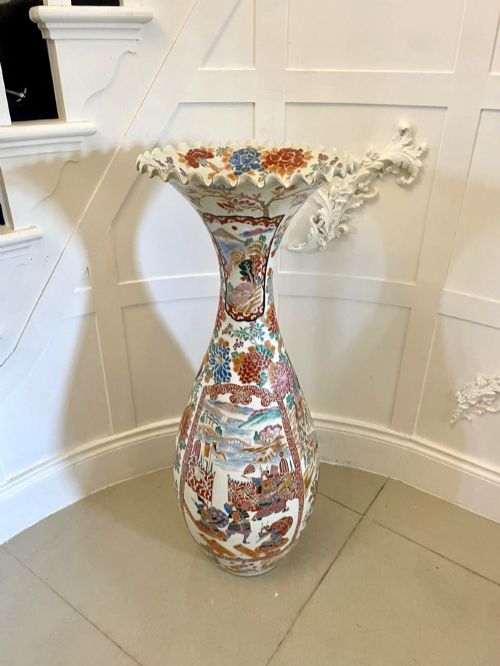
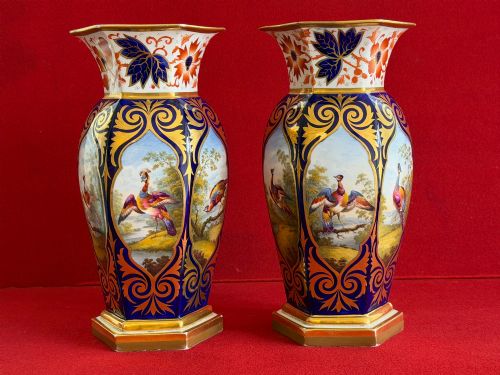
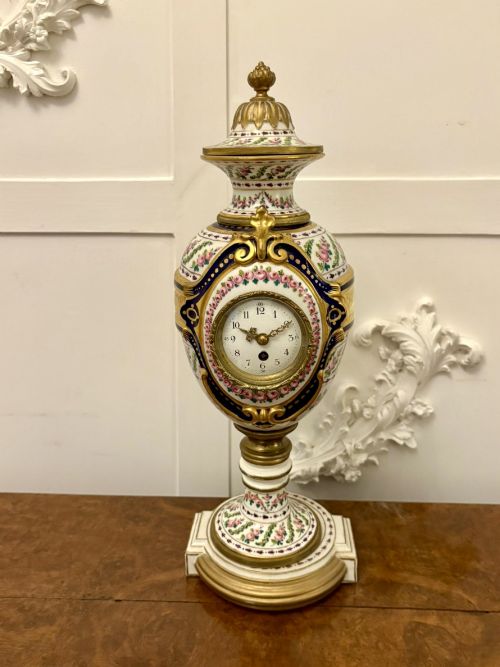
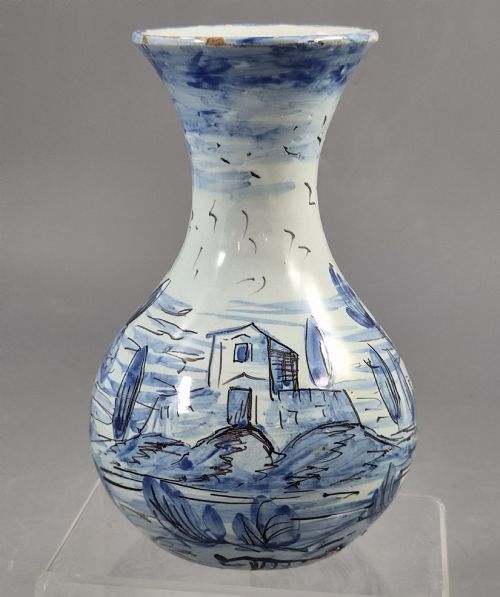
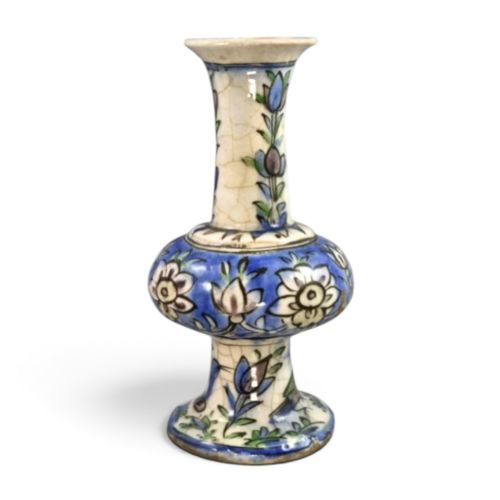
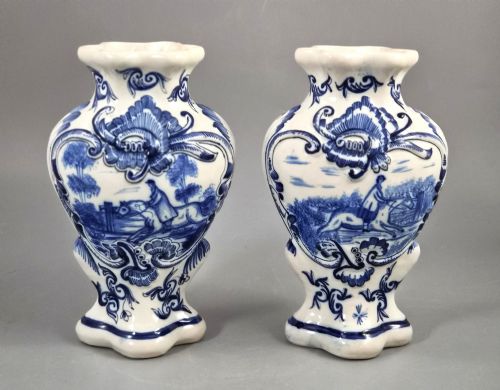
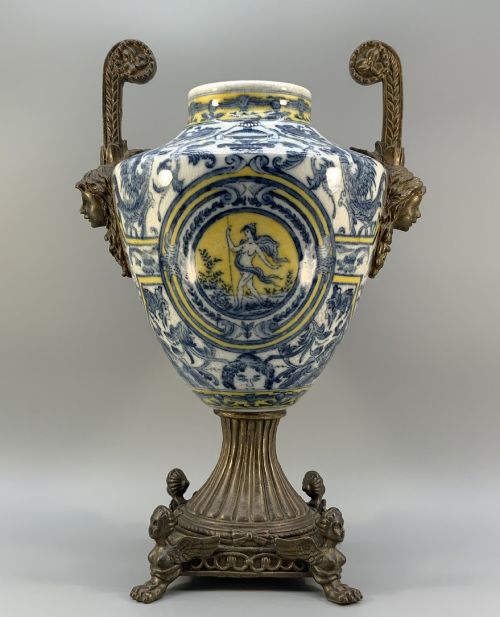
An antique blue urn encompasses decorative vessels shaped with classical symmetry, often designed with handles, covers or pedestals intended for prominent display on mantelpieces or cabinets. The examples found here span diverse traditions, including nineteenth-century French porcelain, Japanese Imari wares, English earthenware and Delft productions.
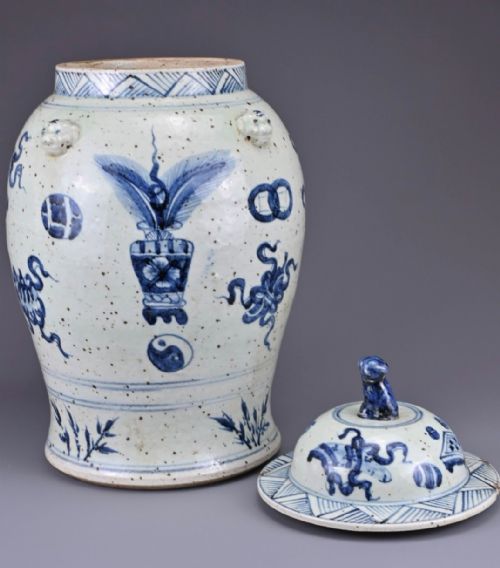
The forms range from lidded cabinet vases and garnitures to large floor-standing vessels and converted table lamps. Most specimens on this page emerge from the nineteenth century, reflecting both European revivalist movements and Asian export markets.
Makers and potteries from England, France, Japan and China dominate the selection, bringing cobalt and mazarine blue grounds into varied domestic interiors. Buyers encounter everything from miniature cabinet pieces to substantial floor vases.
Materials and construction
Potters shaped these vessels from ceramic, porcelain, terracotta, earthenware and stoneware, often applying deep cobalt or bleu céleste glazes before firing. Many pieces incorporate hand-painted details, cobalt underglazes or enamel highlights.
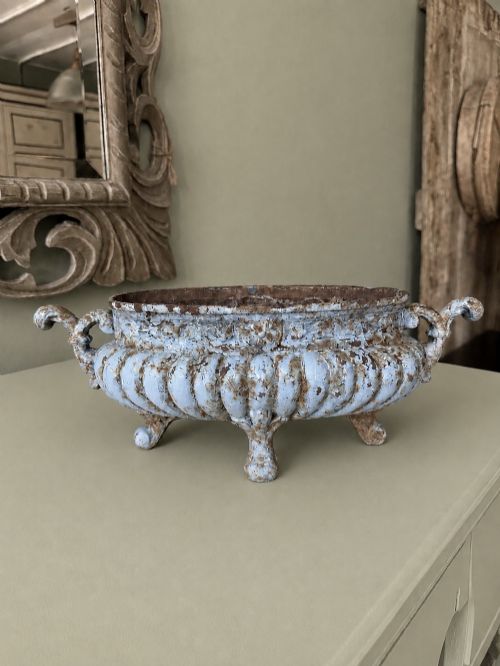
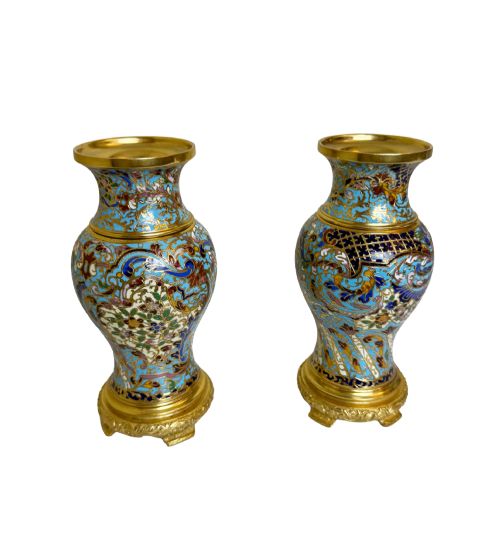
Mounts of gilt bronze, cast iron or silver provide structural frames and decorative handles, while techniques like champlevé enamel add intricate colour to the metal elements. Gold leaf is frequently applied to highlight rims, handles and panels.
Bronze mounts, gilt leaf, and champleve enamel frequently accompany French and Chinese ceramic forms.
Distinctions in execution
Quality rests in the crispness of the glaze application, the precision of the hand-painted motifs and the integration of any metal mounts. Superior pieces display deep, uniform cobalt tones without pooling or fading.
The refinement of the ceramic body and the weight of the bronze or gilt trim separate standard production items from workshop masterpieces. Artistry in the painted decoration, whether floral sprays or figural scenes, dictates the standing of each vessel.
Royal Crown Derby·Royal Doulton·Flight Barr And Barr·Cantagalli·Fourmaintraux Courquin·Chamberlain Worcester·Mason·Wedgwood
The Antique Blue Urn Glossary
- Imari
- A style of Japanese export porcelain characterised by underglaze blue, iron red, and gilt decoration. These pieces were widely imitated by European factories during the nineteenth century.
- Garniture
- A set of three or more matching vases or vessels designed to be displayed together on a mantelpiece or sideboard. They often comprise jars with covers and open vases.
- Faience
- European tin-glazed earthenware produced in imitation of fine majolica or porcelain. French potteries utilised this technique to create decorative blue and white wares.
- Champlevé
- An enamelling technique where troughs are carved into a metal surface and filled with vitreous enamel powder before firing. It frequently appears on nineteenth-century bronze mounts.
- Baluster
- A vase profile shaped like an architectural column, swelling towards the base and tapering upward. This form provides stability and balance for large decorative vessels.
Antique Blue Urn: Frequently Asked Questions
How are antique blue urns displayed at home?
These vessels suit prominent spaces such as mantelpieces, entrance tables, and open shelving where their form and colour draw the eye. Large floor-standing examples stand alone in corners or hallways to anchor a room's design.
Pairs and garniture sets work well when arranged symmetrically on sideboards or cabinets, echoing classical interior placement from the nineteenth century.
What periods do these blue ceramic vessels represent?
The selection spans from the seventeenth century through the Edwardian era, with a high concentration of nineteenth-century French and English pieces. Regency, Victorian, and Art Nouveau styles are heavily represented alongside Japanese Meiji period wares.
Dates range from early Delft productions to later revival pieces, capturing shifts in international ceramic design and trade over three centuries.
Can antique urns be used as lamps?
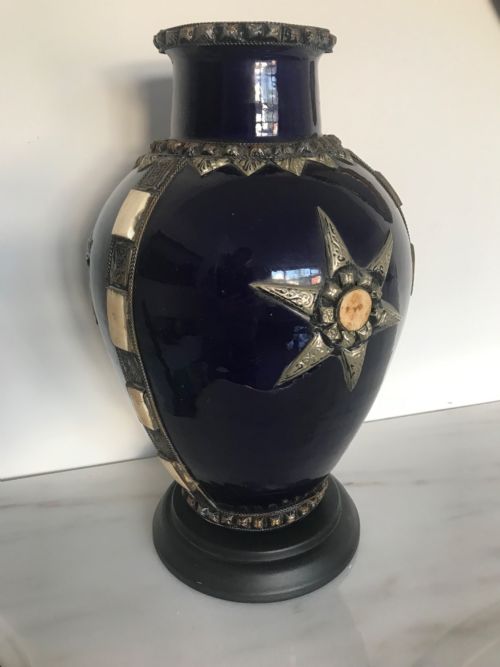
Many large ceramic and porcelain vessels, particularly Asian imports and heavy European vases, were converted into table lamps during the nineteenth and twentieth centuries. These conversions retain the decorative body while integrating electrical fittings.
Buyers often encounter these functional hybrid pieces alongside traditional lidded jars and display urns.
How do I identify Imari style pieces?
Imari wares are recognised by their distinct palette of deep underglaze blue, iron red, and abundant gilt highlights over a white porcelain base. Originally made in Japan, this aesthetic was adopted by European potteries like Spode and Royal Crown Derby.
The resulting objects combine Eastern motifs with Western manufacturing techniques common in the nineteenth century.