



Worcester Porcelain Vase
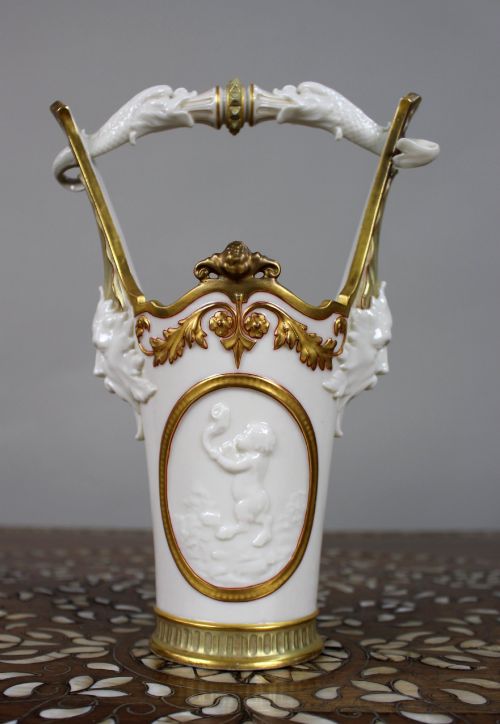
A worcester porcelain vase brings painted botanical studies, gilded handles and rich ground colours from Georgian and Victorian potting rooms straight into modern display spaces.
Worcester Porcelain Vase
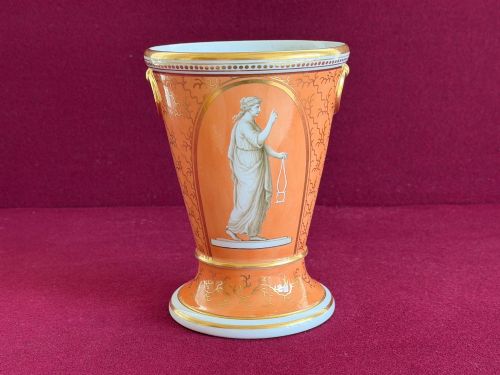
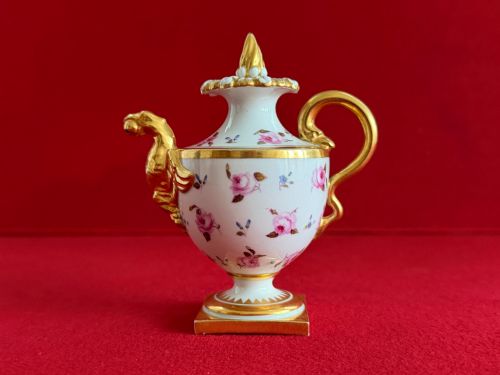
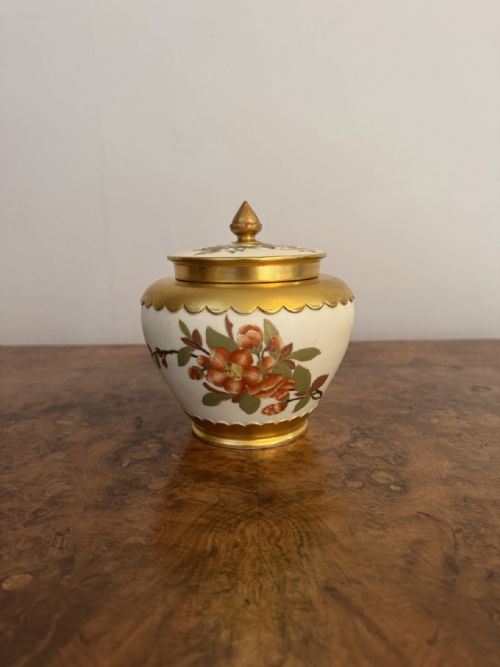
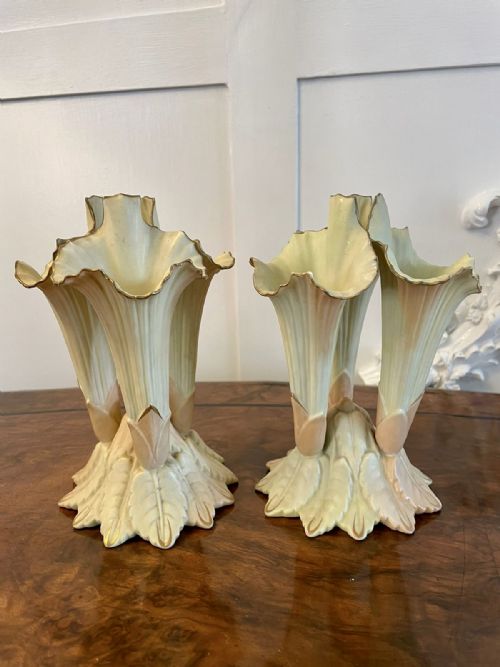
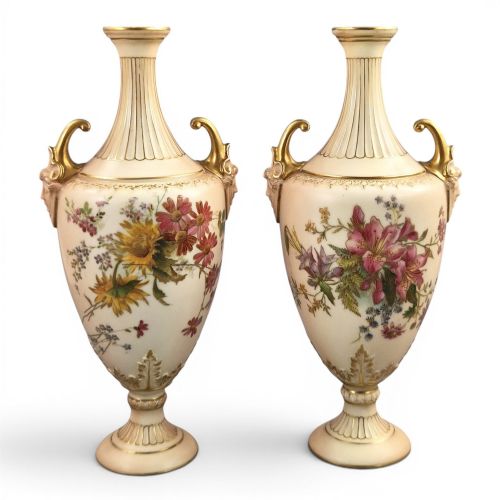
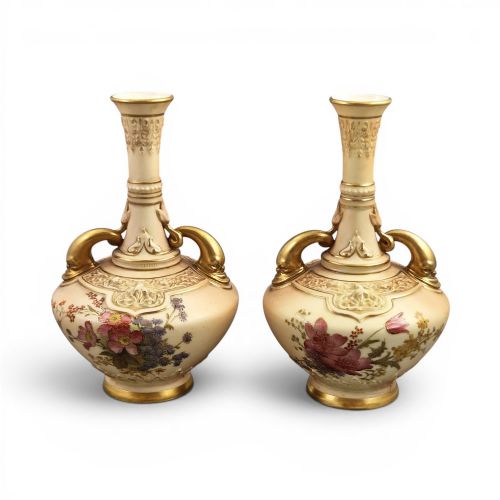
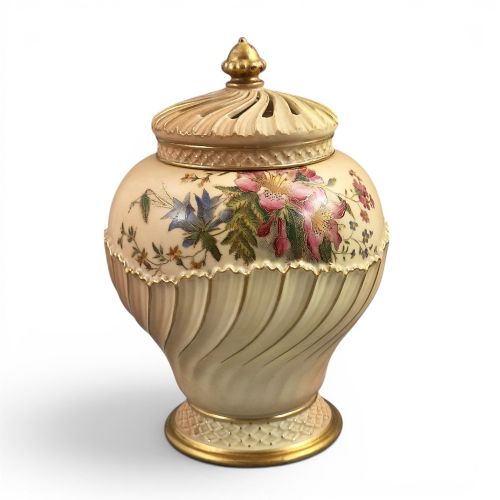
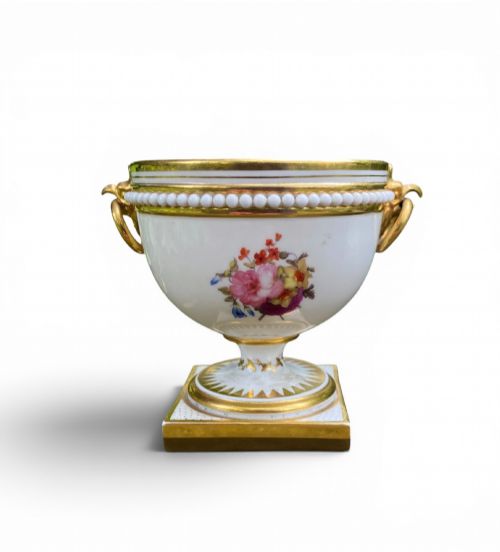
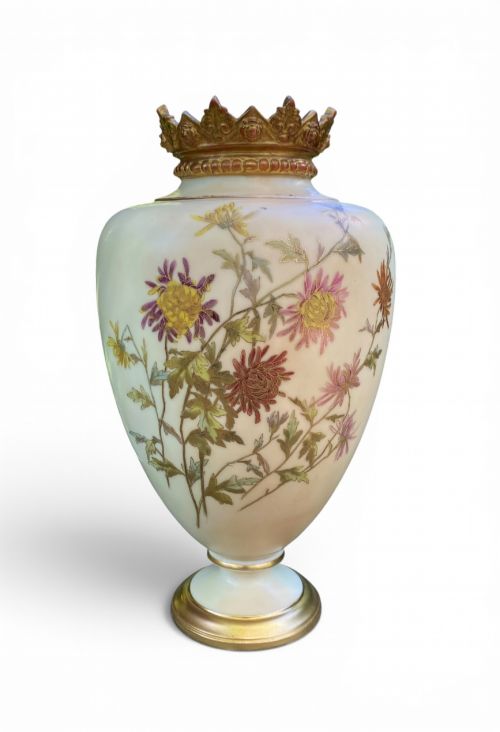
A worcester porcelain vase spans delicate First Period cabinet pieces, early nineteenth-century neo-Classical urns by Flight and Barr, and elaborate late Victorian and Edwardian blush ivory creations. These vessels appear as spill vases, lidded potpourri jars, twin-handled pedestal shapes and botanical ewers.
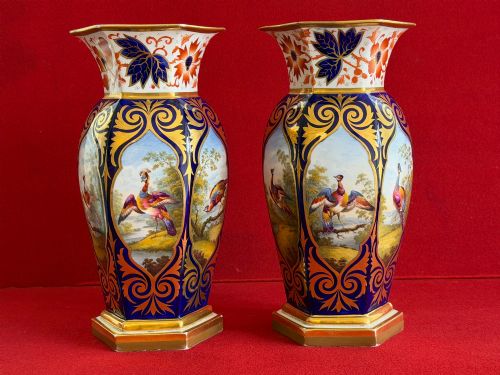
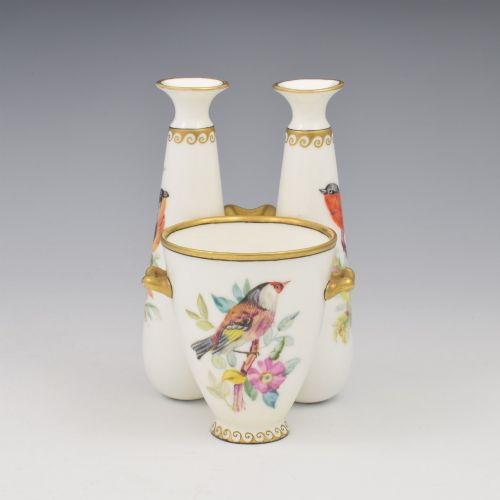
The earlier Georgian and Regency examples focus on hand-painted topographical views, Japan patterns and armorial enrichment alongside crisp white bodies. Later Victorian and twentieth-century iterations lean towards naturalistic bird studies, Highland cattle scenes and fruit compositions executed by named studio artists.
Makers ranging from Chamberlain and Grainger to Hadley and Royal Worcester shape the offerings found across this selection. Buyers encounter everything from reticulated openwork ewer forms to simple ovoid cabinet vessels designed for domestic display.
How They Were Made
Potters shaped these vessels using fine ceramic paste before applying coloured glazes, enamel paint and heavy gilding. Artisans utilised gold leaf and intricate enamel palettes to highlight handles, rims and pictorial cartouches.
Techniques such as pierced reticulation, blush ivory body staining and transfer printing allowed factories to achieve diverse surface textures. Skilled painters then added freehand details like storks, sheep, pheasants and floral sprays directly over the fired glaze.
Listings feature porcelain, gold leaf, enamel and glaze across Regency, Victorian, Edwardian and twentieth-century production periods.
What Varies in Quality
The standard of a worcester porcelain vase rests primarily on the skill of the surface decoration and the prestige of the manufacturing period. Pieces featuring signed panels by noted studio painters command greater attention than standard factory output.
Complexity of form also dictates distinction, separating simple cabinet shapes from reticulated openwork ewers, multi-piece garnitures and elaborately gilded urns. Preservation of the original gilding and vibrant enamel tones remains central to the character of each vessel.
Flight, Barr and Barr·Royal Worcester·Chamberlain Worcester·Grainger Worcester·Hadley and Company·Flight and Barr
The Worcester Porcelain Vase Glossary
- Blush ivory
- A soft matte cream-coloured ceramic ground introduced during the late nineteenth century, often decorated with tinted floral motifs.
- Reticulation
- An openwork pierced lattice design carved into the ceramic body before firing, seen frequently on Grainger productions.
- Gilding
- The application of gold leaf or gold paint to accentuate rims, handles and decorative borders on the porcelain surface.
- Potpourri
- A lidded vessel perforated to diffuse dried scents, commonly produced in ornate forms with inner covers.
- Spill vase
- A tall, narrow tubular container designed to hold wooden spills used for lighting candles and fires.
Worcester Porcelain Vase: Frequently Asked Questions
How do I identify a First Period piece?
First Period items usually display crescent or square mark variations beneath the glaze, alongside hand-painted underglaze blue designs or Kakiemon palettes.
These eighteenth-century forms often present simpler potting lines compared to the grand neo-Classical urns of the Regency era.
What is blush ivory porcelain?
Blush ivory refers to a characteristic matte cream ceramic body developed in the late Victorian period, designed to mimic natural ivory tones.
Factories frequently paired this pale ground with delicate enamel flower paintings and soft gilding.
Are these items marked by the artist?
Many later nineteenth and twentieth-century examples carry signatures or monograms from specialist painters like Harry Davis, James Stinton or Kitty Blake.
Factory script marks and date codes stamped underneath further help identify the exact year of production.
How were these vessels used originally?
While larger urns and pedestal vases served as grand decorative mantel centrepieces, smaller spill vases and potpourri jars fulfilled practical household functions.
Potpourri containers held scented dried botanicals, whereas spill holders kept paper or wooden tapers ready for hearth lighting.