





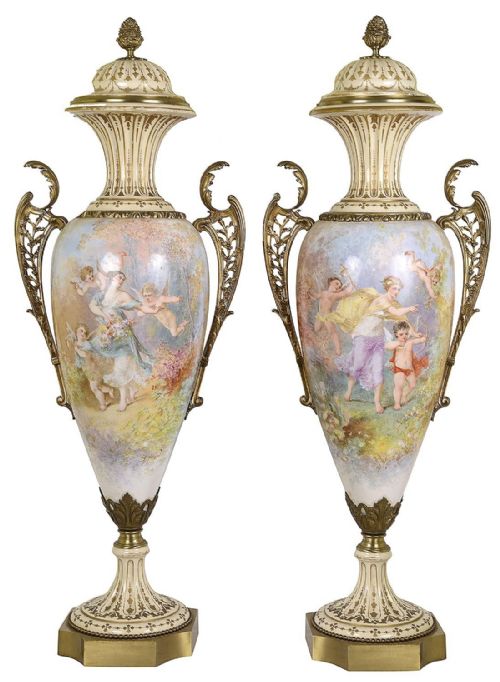


Ornate Porcelain Vase
An ornate porcelain vase brings heavy nineteenth-century presence to a room, combining hand-painted surfaces with bright metallic mounts.
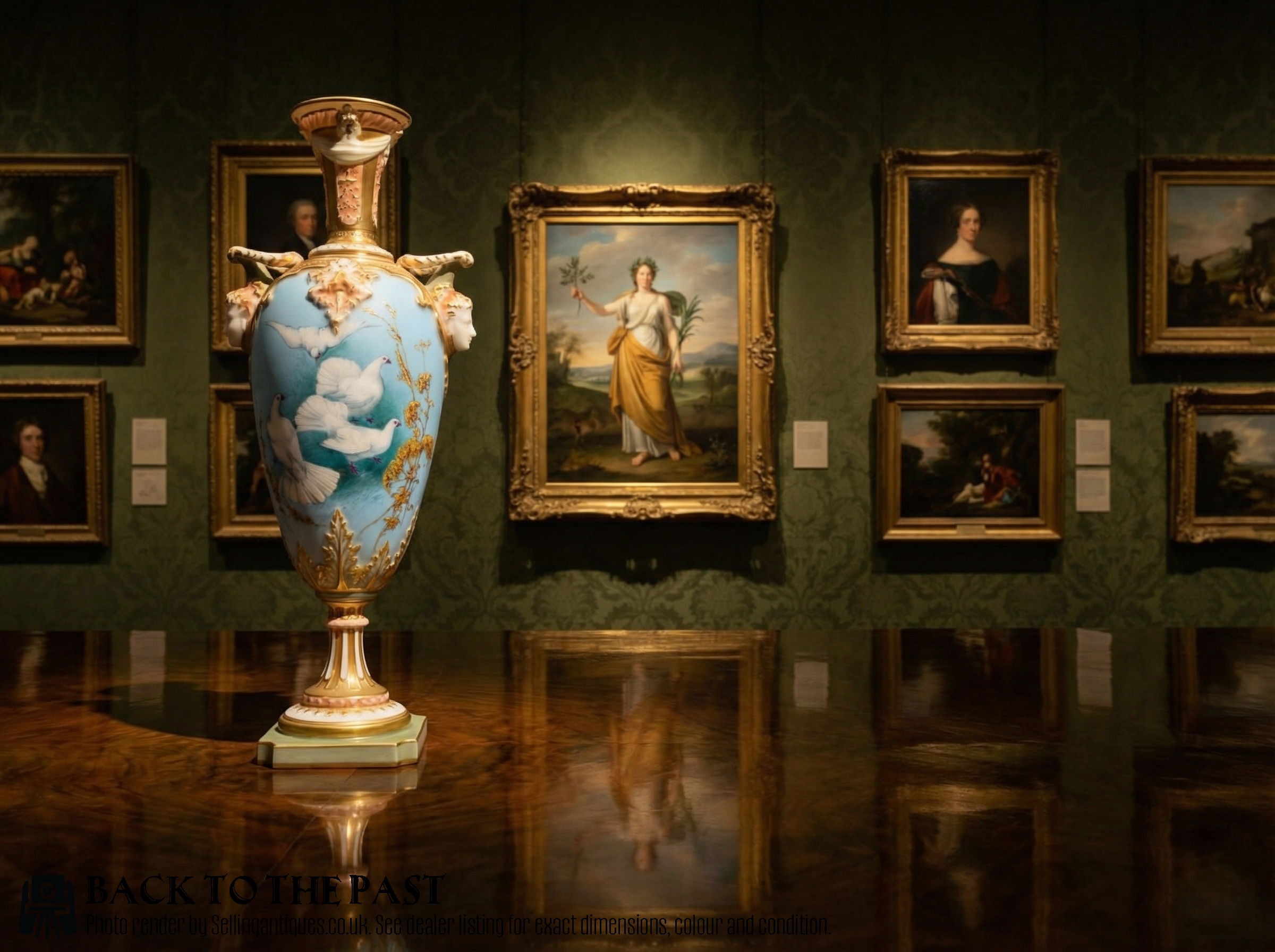
Ornate Porcelain Vase
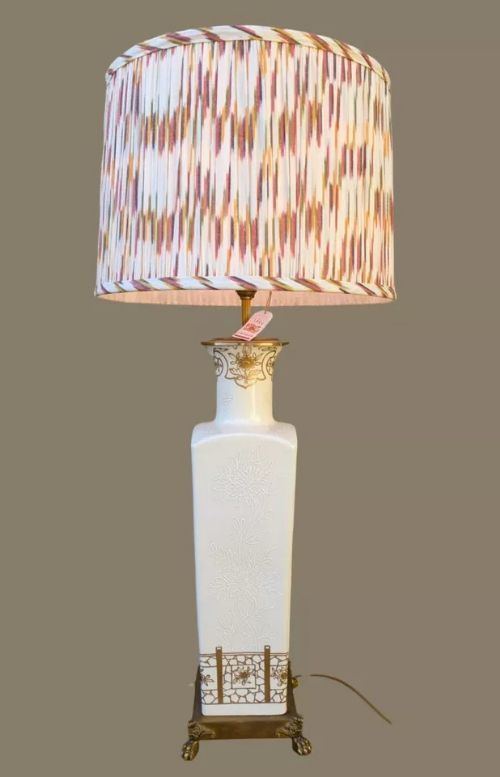
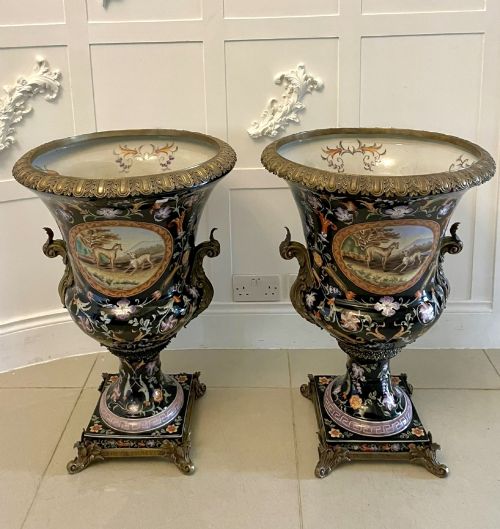
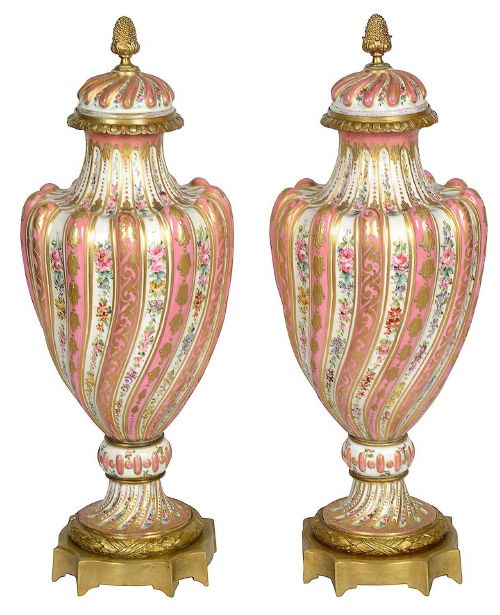
An ornate porcelain vase draws the eye through elaborate surface decoration and distinct nineteenth-century silhouettes, spanning forms such as lidded urns, ewers, and table lamps. Pieces on this page typically originate from Victorian England or continental workshops influenced by French Rococo revival and Neoclassical tastes.
Makers ranged from major factories like Royal Worcester and Grainger Worcester to continental ateliers producing Sevres style decorative wares. Buyers will frequently encounter pairs of lidded vases or single flower holders decorated with gilding, floral motifs, and hand-painted scenes.
Materials and construction methods
The foundation of each piece is fired porcelain, often enriched with enamel pigments and gold leaf detailing applied by hand. Potters employed reticulated piercing techniques and delicate moulding to achieve intricate body shapes before firing.
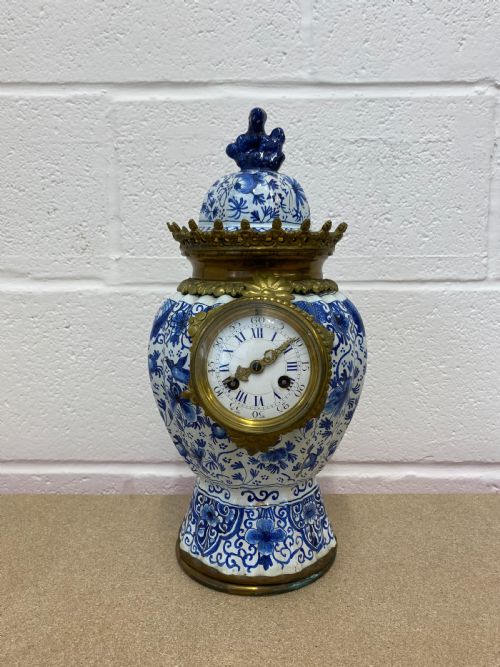
Metal mounts in ormolu, brass, and gilt bronze provide structural support and decorative handles, collars, or bases. These bronze and brass elements were cast and chased separately before being fitted securely to the porcelain bodies.
Ornate Porcelain Vase Retail Price Guide 2026
Typical asking prices for ornate porcelain vase among the pieces listed under this phrase on Sellingantiques today, from the lower quarter to the upper quarter. They describe what is for sale here now, not the wider market.
Materials across the inventory include glazed porcelain, enamel, glass, brass, ormolu, and gold leaf applied to mounted table pieces.
Distinctions in quality and finish
Quality rests in the crispness of the hand-painted decoration, such as feathered bird motifs or detailed floral panels, compared to simpler or more mechanical pattern applications. The weight and chasing of the ormolu or gilt bronze mounts also separate standard production wares from finer atelier pieces.
The intricacy of the porcelain body itself dictates the upper range, particularly seen in reticulated piercing work and carefully balanced proportions on large lidded pairs. Finer pieces maintain clean registration between the glazed ceramic surfaces and their metal mounts.
Royal Worcester·Grainger Worcester·Royal Crown Derby
The Ornate Porcelain Vase Glossary
- Ewer
- A large jug with a wide spout and scroll handle, often adapted from classical forms into decorative porcelain display pieces. These frequently appear alongside matching basins or as standalone garniture elements.
- Ormolu
- Finely chopped high-karat gold applied to a copper-alloy bronze base through mercury amalgamation or electroplating. It provides a warm, durable metallic finish on mounts and handles.
- Garniture
- A set of three or five matching vases and urns designed to be displayed together on a mantelpiece or sideboard. They typically feature a central tall vessel flanked by smaller matching companions.
- Reticulated
- An openwork ceramic lattice design created by cutting patterns into the clay body before firing and glazing. This technique demands exceptional skill from the potter to prevent warping in the kiln.
Ornate Porcelain Vase: Frequently Asked Questions
How do I display an ornate porcelain vase safely?
Place the piece on a stable, level surface away from heavy foot traffic or doors that might cause vibrations. Large vessels with metal mounts require adequate clearance so their handles and bases remain fully supported.
Keep them out of direct sunlight to protect hand-painted enamel colours and gold leaf details from fading over time. Use a soft, dry cloth for dusting and avoid liquid cleaners on the gilded surfaces.
How can I tell a Sevres style vase from other types?
Sevres style vases are identified by their rich pink or deep blue ground colours, heavy gilding, and finely executed hand-painted reserve panels. These pieces emulate the aesthetic of the famous French royal porcelain manufactory.
They frequently incorporate elaborate metal mounts and classical forms characteristic of nineteenth-century revivalist taste.
What periods do these porcelain pieces come from?
The listings span the nineteenth and early twentieth centuries, with a strong concentration in the Victorian era and the decades surrounding eighteen-eighty to nineteen-hundred. Styles reflect Victorian revivalism, Napoleon III grandeur, and French Neoclassical influences.
Dates are determined by factory marks, stylistic evolution, and the specific manufacturing techniques recorded for each maker.