


Royal Worcester Painted Vase
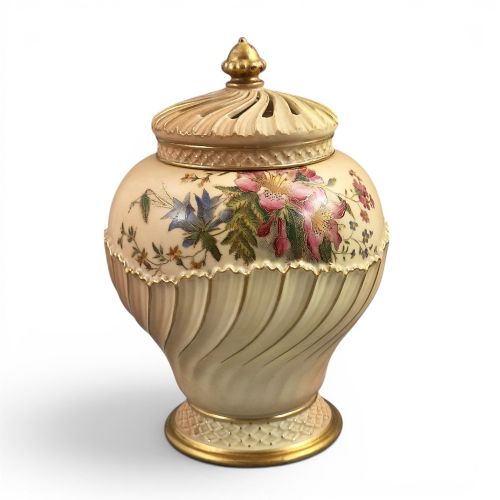
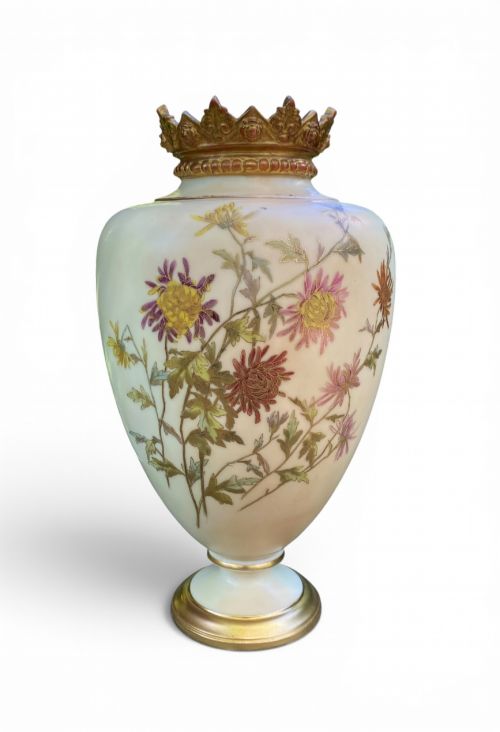
When you want a royal worcester painted vase, you are looking at hand-painted porcelain shaped into urns, ginger jars and potpourri pots from the nineteenth and twentieth centuries.
Royal Worcester Painted Vase
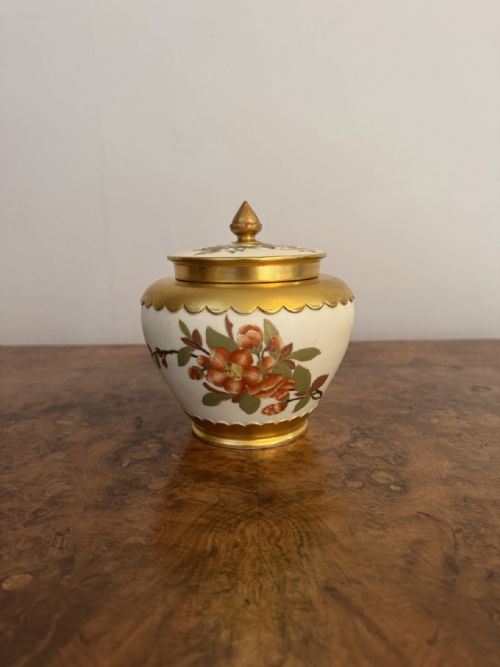
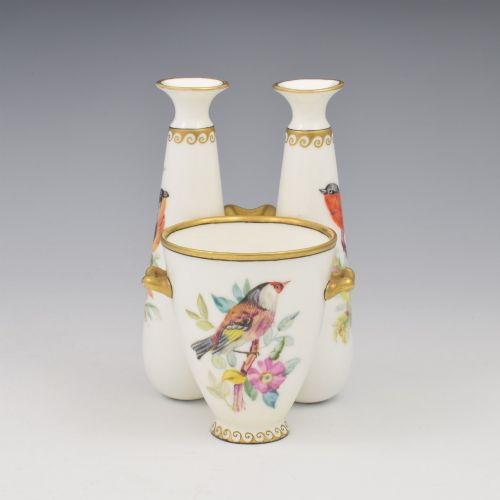
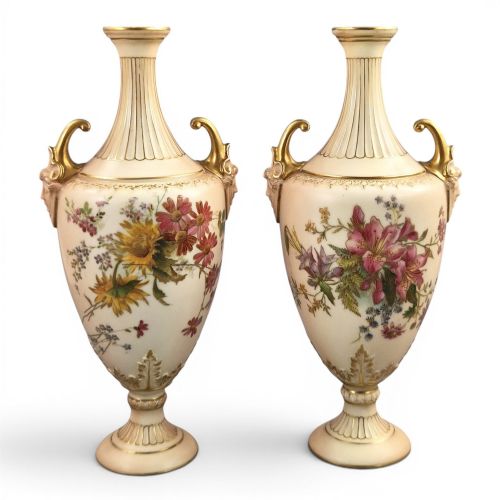
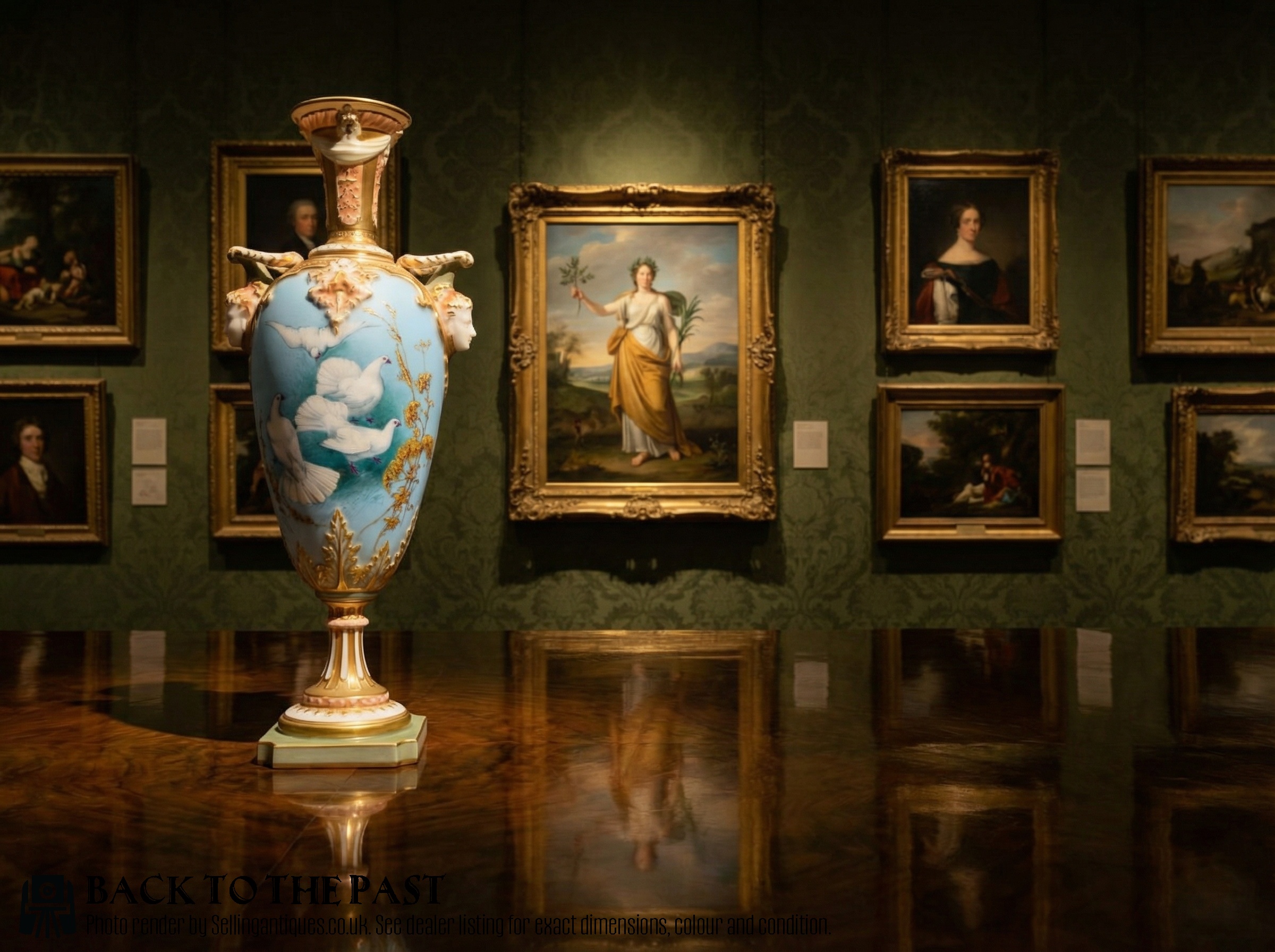
A royal worcester painted vase typically takes the form of a lidded potpourri jar, an ovoid vessel, or a spill vase. The pieces originate across multiple periods, with many examples emerging from the Victorian and Edwardian eras through to the mid-twentieth century.
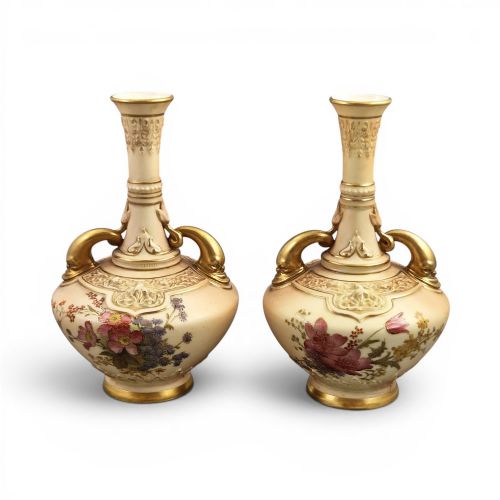
Vessels often incorporate moulded details such as dolphin handles, pierced shoulders, or gilt mounts. These decorative elements frame the hand-painted panels executed by named artists working for the factory.
How they were made
The foundation of every piece is fine bone china or porcelain shaped by hand and fired to create a smooth canvas. Artisans then applied delicate glazes, notably the soft blush ivory tint seen on many Edwardian specimens.
Decoration relied on meticulous hand-painting over the glaze, capturing plumage, petals and textured fruit surfaces in fine detail. Gilding, gold leaf and enamel accents were subsequently applied to rims, handles and shoulders before a final firing.
Some swans painted on these vases possess surprisingly judgmental expressions, as though personally auditing your drawing room arrangement.
What varies in quality
Quality rests principally on the skill of the artist and the complexity of the subject matter. Pieces bearing the signatures of celebrated porcelain painters command greater attention for their artistic execution.
The ambition of the form also shapes the standing of a piece, from simple spill vases to elaborate lidded urns with pierced shoulders and gilded mounts. The density and preservation of the gilt work further distinguish standard items from exceptional examples.
Royal Worcester·Hadley and Sons
The Royal Worcester Painted Vase Glossary
- Blush ivory
- A matte cream-coloured porcelain ground introduced by the factory in the late nineteenth century. It provides a soft background for floral and avian painting.
- Potpourri jar
- A lidded vessel perforated to allow scented dried plant material to perfume a room. These often feature elaborate inner lids beneath the main pierced cover.
- Spill vase
- A tall, narrow container designed to hold thin tapers used for lighting candles or fires. They frequently appear in matched pairs.
- Gilding
- The application of gold leaf or powdered gold suspended in a medium to ceramic surfaces. It highlights handles, rims and moulded architectural details.
- Ewer
- A large jug with a shaped spout and handle, adapted from traditional washing vessels into decorative display pieces.
Royal Worcester Painted Vase: Frequently Asked Questions
How do I date a Royal Worcester vase?
Dating relies primarily on the factory date codes stamped or painted underneath the base, which changed systematically through the Victorian and Edwardian periods. Stylistic cues such as the blush ivory ground or specific artist signatures also help narrow down the decade of production.
Examining the style of the hand-painted subject and the registry numbers provides further context. Comparing the mark against known factory sequences confirms the exact year it left the kilns.
Who painted these porcelain vases?
The factory employed numerous specialist artists who signed their work on the body of the vase. Well-known names include members of the Stinton family, Harry Ayrton, and Charles Baldwyn.
These painters often specialised in particular subjects like fruit, Highland cattle, or British birds. Their individual brushwork distinguishes mass production from superior artist-signed cabinet pieces.
Were these vases meant for flowers?
Many forms, such as spill vases and specific bud holders, served a practical purpose for holding cut blooms or tapers. Other shapes, particularly large lidded urns and potpourri jars, were created purely for decorative display.
Potpourri jars functioned to fragrance Victorian drawing rooms through pierced covers. Specimen vases highlighted individual blooms on drawing room mantelpieces.
What is blush ivory porcelain?
Blush ivory is a distinctive matte cream ceramic finish developed during the late nineteenth century. It mimics the warmth of ivory and was widely used across Edwardian pieces.
This pale ground creates a soft contrast for delicate floral sprays and gilding. It remains one of the most recognisable signatures of the factory's output.