

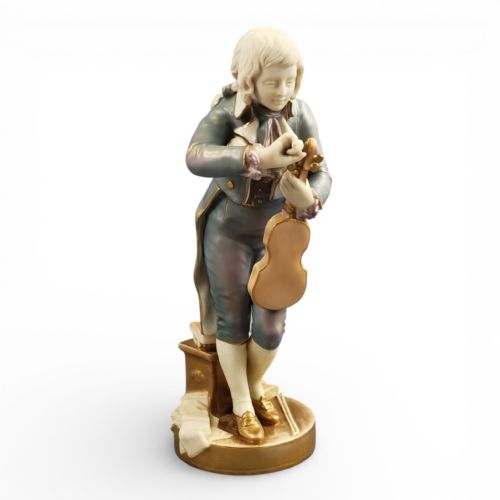


Collectable Royal Worcester
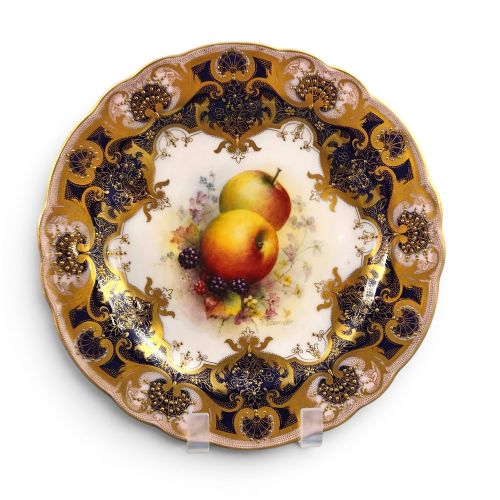
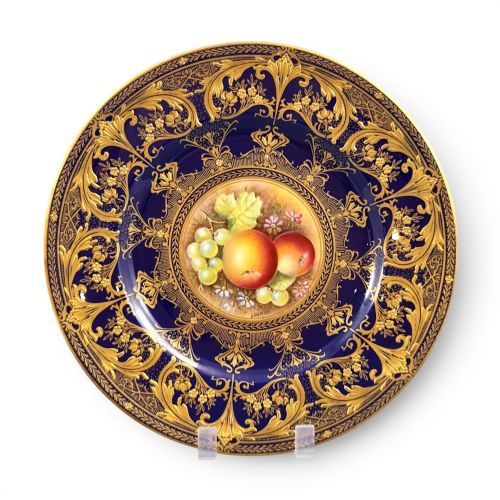
Collectable royal worcester works in porcelain, bone china and glazed porcelain span periods from the nineteenth century through the 1960s, offering cabinet plates, painted fruit vases and detailed figurines.
Collectable Royal Worcester
Collectable royal worcester encompasses a diverse array of porcelain objects including painted fruit cabinet plates, candle snuffers, vases, jugs and character figurines. Pieces range from nineteenth-century Victorian designs through Edwardian creations and mid-century items dated up to the 1970s.
How they were made
Production relies on porcelain, bone china and glazed porcelain bodies shaped into vases, plates and figurines. Artisans utilise gold leaf, heavy gilding and enamel highlights to accent painted surfaces.
Decoration involves detailed hand-painting by notable artists using pigments fired onto the ceramic body. Many items incorporate moulded rope edges, blush ivory grounds and applied relief details.
Extinguish your bedroom candle using a miniature ceramic Mr Caudle or a vigilant Reynard the fox.
What varies in quality
Quality rests upon the complexity and attribution of the hand-painted decoration, where named artist signatures such as Harry Stinton or Richard Sebright elevate the work. The crispness of moulded details on figures and candle snuffers also distinguishes finer examples.
The application and preservation of gold leaf, gilding and enamel work determine the visual depth of plates and vases. Intricate forms such as pierced vases or multi-figure compositions demand higher technical skill than standard production wares.
James Hadley·Richard Sebright·Brian Leaman·James Stinton·Freda Doughty·Harry Stinton·Harry Davis
The Collectable Royal Worcester Glossary
- Blush ivory
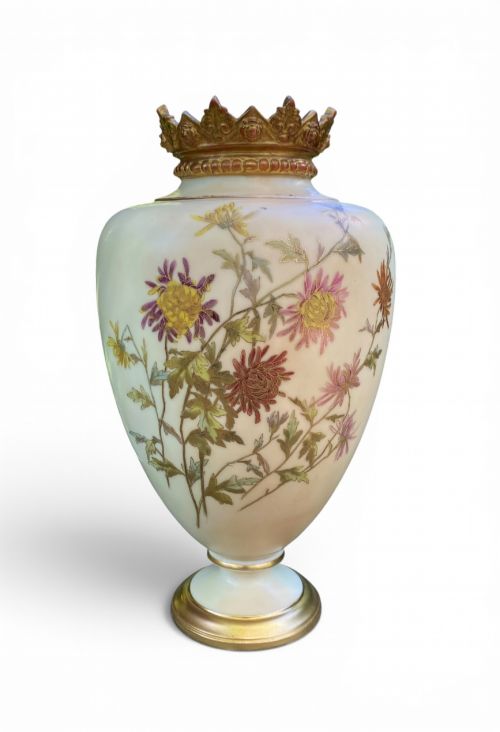
- A matte cream-coloured porcelain ground developed by the factory, often decorated with floral motifs and gold highlights. It provides a soft backdrop for polychrome enamel painting.
- Tyg
- A small drinking vessel with multiple handles, seen in miniature forms within these listings. They originate from traditional earthenware shapes adapted into porcelain.
- Cabinet plate
- A decorative plate intended for display in a cabinet rather than dining use. These pieces often showcase elaborate hand-painted fruit or scenic subjects.
- Candle snuffer
- A small ceramic figure with a hollow interior and handle, designed to extinguish candle flames. They often depict historical or fictional characters.
- Pot pourri vase
- A lidded vessel perforated to allow scented dried plant materials to fragrance a room. They frequently feature painted landscapes or floral decoration.
Collectable Royal Worcester: Frequently Asked Questions
How do I identify painted fruit pieces?
Painted fruit items display detailed studies of apples, grapes, peaches and berries surrounded by heavy gold gilding. They appear on cabinet plates, ginger jars and large vases.
Artists frequently sign these compositions directly on the painted surface, and the wares date predominantly from the mid-twentieth century.
What are candle snuffers used for?
Candle snuffers serve to safely extinguish burning candle wicks by placing the ceramic hood over the flame. In this medium, they take the form of humorous or character figures.
Collectors prize them for their sculptural modelling and variety of distinct historical subjects.
How are production dates determined?
Dates rely on factory cipher marks stamped or painted onto the underside of the porcelain. These symbols correspond to specific years of manufacture from the nineteenth century onward.
Stylistic elements like blush ivory grounds or Art Deco forms also help narrow down the period.
What is blush ivory porcelain?
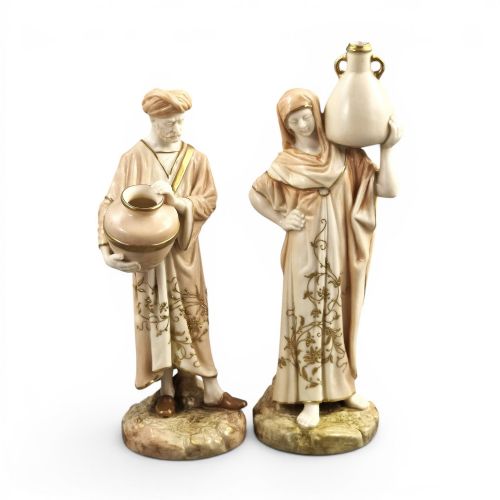
Blush ivory is a distinctive soft cream matte ceramic body introduced in the late nineteenth century. It forms the base for delicate floral painting and gilt accents.
Pieces utilising this finish range from water carriers to decorative vases.