




Worcester Bird Porcelain
Worcester bird porcelain unites delicate ceramic forms with hand-painted avian motifs, offering collectors a tangible link to centuries of English factory artistry.
Worcester Bird Porcelain
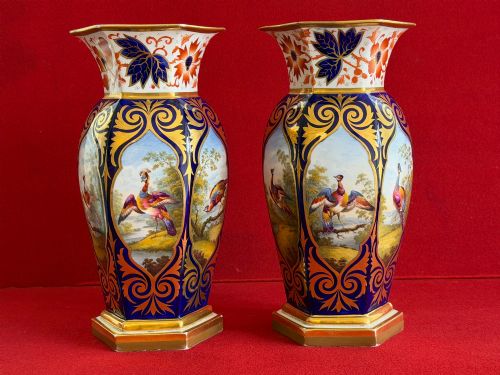
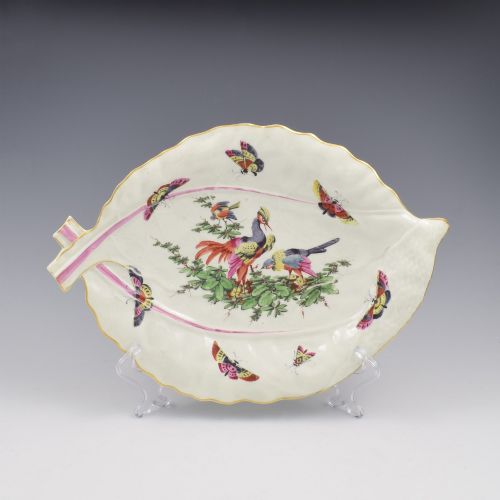
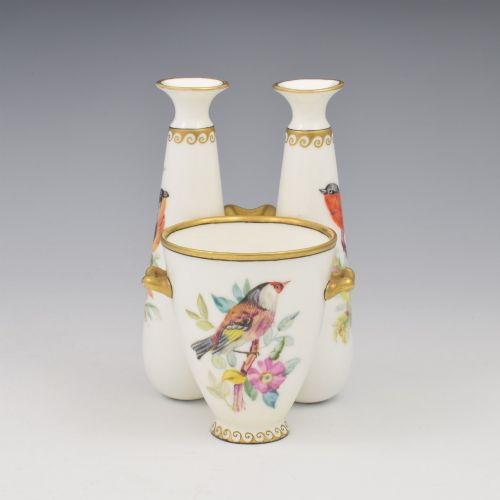
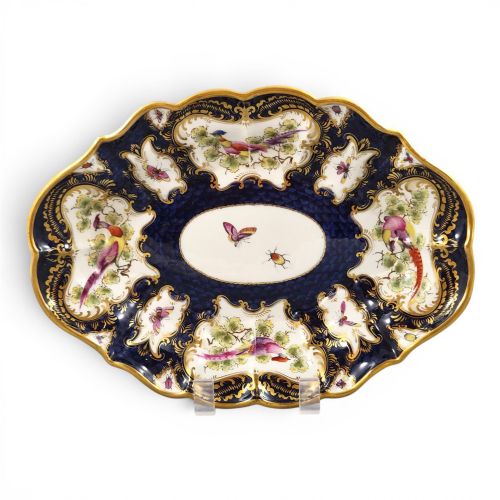
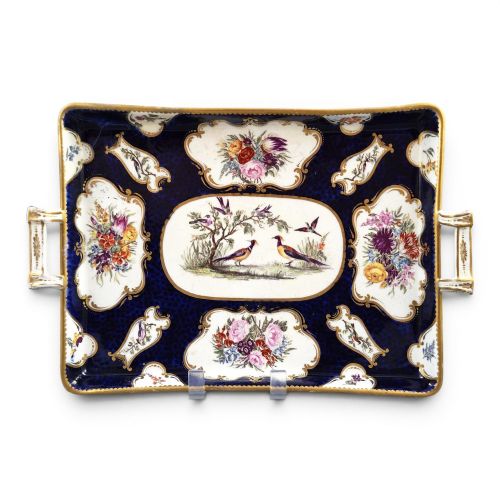
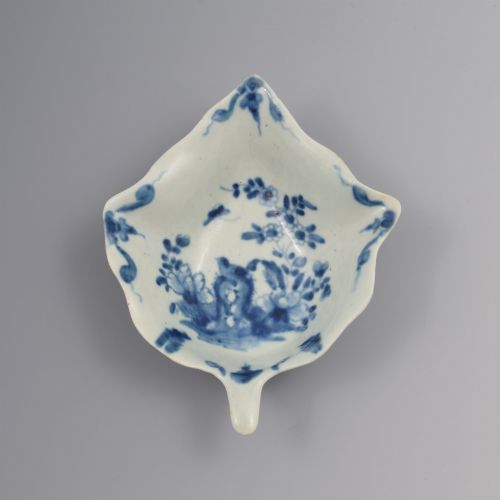
Worcester bird porcelain encompasses tableware, ornamental vases, and serving dishes painted with avian subjects, spanning the eighteenth century to the mid-twentieth century. When searching for worcester bird porcelain, buyers encounter plates, pickle dishes, and centrepieces decorated with hand-painted exotic birds, British species, or game birds.
The selection ranges from early eighteenth-century Dr Wall pieces with wet blue grounds to later nineteenth-century Victorian and Edwardian Royal Worcester productions. Forms include jardinieres, shell dishes, and cabinet plates that display the evolving tastes of Georgian, Regency, and Victorian patrons.
How they were made
Manufacturers utilised soft-paste porcelain and standard porcelain bodies shaped into functional forms like dessert dishes, teacups, and vases. Artisans applied underglaze blue grounds, such as wet blue, alongside overglaze enamels to render detailed plumage and naturalistic backgrounds.
Gilding and gold leaf embellished borders, handles, and rims, particularly on Regency and Victorian wares from factories such as Flight, Barr & Barr and Royal Worcester. Painters used fine brushes to execute ornithological studies, signing their work on cabinet plates and pedestal vases.
A tiny painted pheasant peers out from a cabinet plate, forever frozen mid-stride by an Edwardian decorator's brush.
What varies in quality
The sophistication of the avian painting dictates the standing of an object, ranging from stylised eighteenth-century fancy birds to precise late nineteenth-century naturalist depictions by named artists. Hand-painted detail in the feathers and foliage demands superior brushwork compared to simpler transfer-printed outlines.
The complexity of the surrounding ceramic form, such as moulded shell dishes, blue scale grounds, or gilt-enriched handles, elevates the execution. Preservation of the overglaze enamels and the crispness of the gilt accents influence the desirability of each piece.
Flight Barr & Barr·Barr Flight and Barr·Chamberlain Worcester·Grainger and Co·Royal Worcester·Hadley's Worchester
The Worcester Bird Porcelain Glossary
- Dr Wall / First Period
- The earliest phase of Worcester porcelain production, spanning roughly from 1751 to 1783 under the management of Dr John Wall. This era is known for soft-paste bodies and hand-painted oriental and European motifs.
- Wet blue
- A rich, mottled underglaze blue ground colour applied to porcelain before firing, often reserved for panels containing birds or flowers. It creates a textured, deep blue background characteristic of eighteenth-century Worcester.
- Soft-paste porcelain
- An artificial ceramic paste fired at lower temperatures than hard-paste porcelain, producing a warm, creamy body with a distinctive glaze texture. It is typical of early Worcester manufacture.
- Blue scale
- A dark blue patterned ground resembling fish scales applied underglaze, typically framing white reserves painted with birds. This technique required meticulous hand-stippling.
- Jardardiniere
- A large decorative ceramic flowerpot designed to hold potted plants, often decorated with painted birds and gilt handles during the Georgian and Regency periods.
Worcester Bird Porcelain: Frequently Asked Questions
What are fancy birds on Worcester porcelain?
Fancy birds refer to exotic, brightly plumed creatures painted in fanciful landscapes, a popular eighteenth-century motif influenced by continental porcelain factories. These birds combine naturalistic observation with imaginative coloration, often framed by gilt scrolls.
Artists painted them on tea services, dessert dishes, and plates to appeal to affluent Georgian buyers who favored elaborate decorative arts. The tradition continued into the nineteenth century with more naturalistic ornithological studies.
Who painted Worcester bird porcelain?
Numerous skilled artists contributed to Worcester's bird porcelain over the centuries, including James Giles in the eighteenth century who decorated blanks in his London workshop. Later nineteenth and twentieth-century pieces often bear the signatures of notable Royal Worcester specialists.
Painters such as James Stinton, Albert Shuck, and C Baldwyn specialised in game birds, storks, and raptors, bringing a high degree of naturalist precision to cabinet plates and vases. Their signatures authenticate the later Victorian and Edwardian output.
How should I care for antique Worcester?
Antique Worcester porcelain requires gentle handling and should be washed by hand in warm water using mild, non-abrasive soap. Dishwashers and harsh detergents damage fragile overglaze enamels and historic gilt leaf.
Display pieces away from direct sunlight to prevent the fading of enamel colours. When storing or moving items, ensure they rest securely on padded surfaces to protect delicate handles and rims.