


Classical Plinth Urns
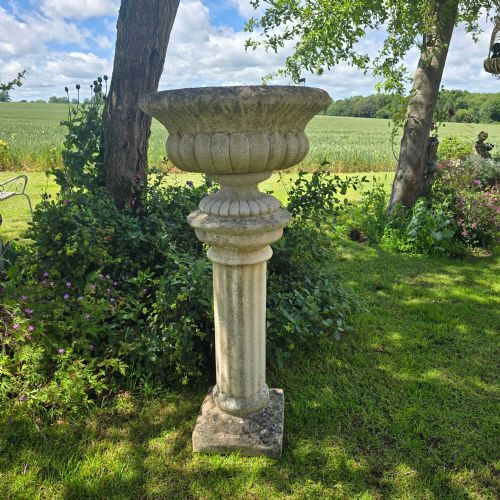
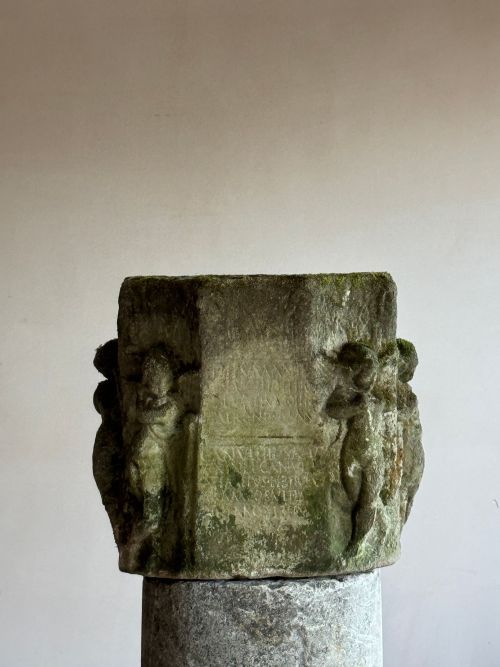
Classical plinth urns bring ancient architectural dignity to interiors and gardens through sculptural vessels raised on sturdy stone or metal pedestals.
Classical Plinth Urns
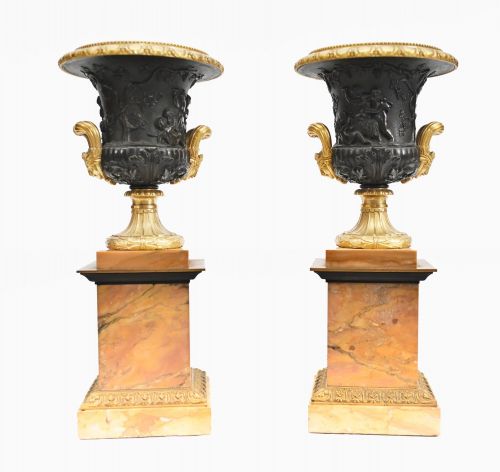
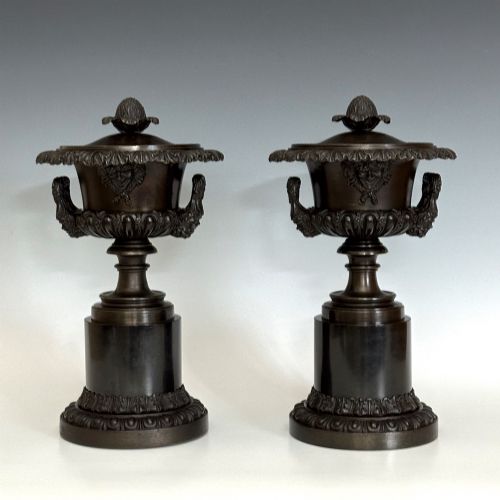
When searching for classical plinth urns, buyers encounter heavy garden vessels and small decorative bronzes elevated on matching stands. These pieces span the nineteenth and early twentieth centuries, drawing heavily on Regency, Victorian, and French Empire aesthetics.
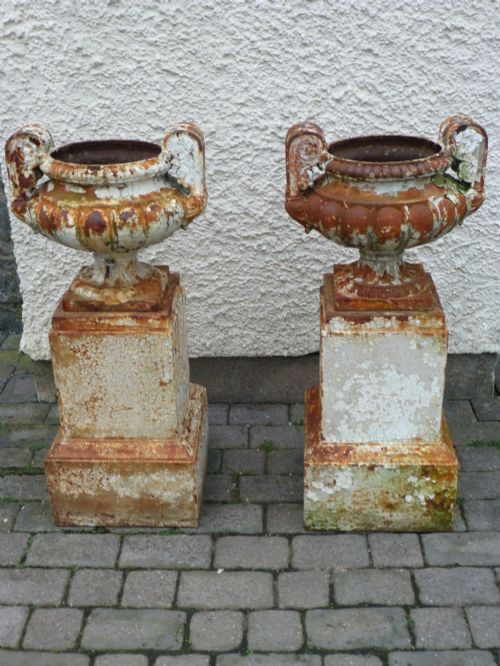
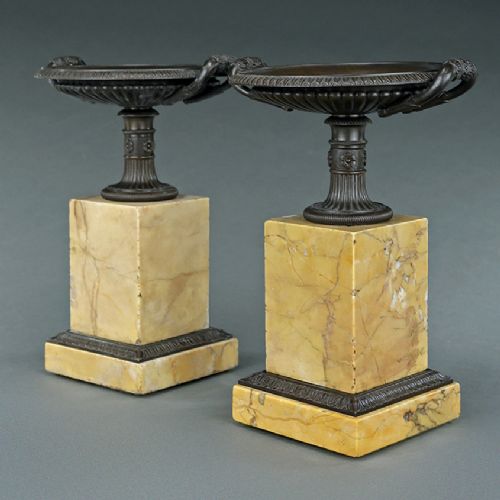
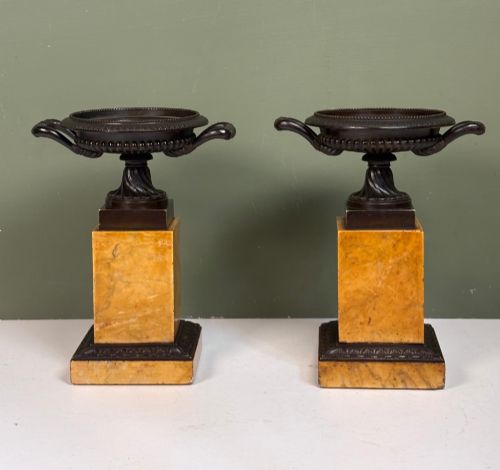
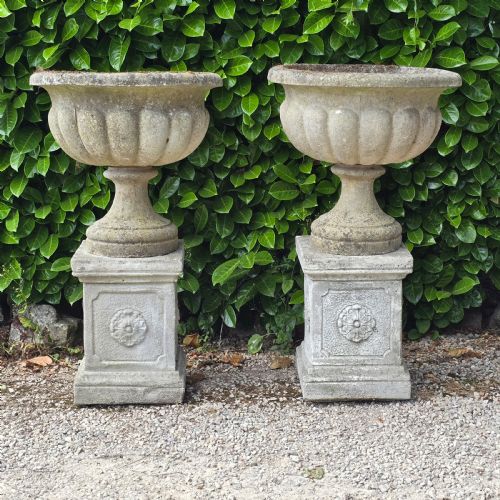
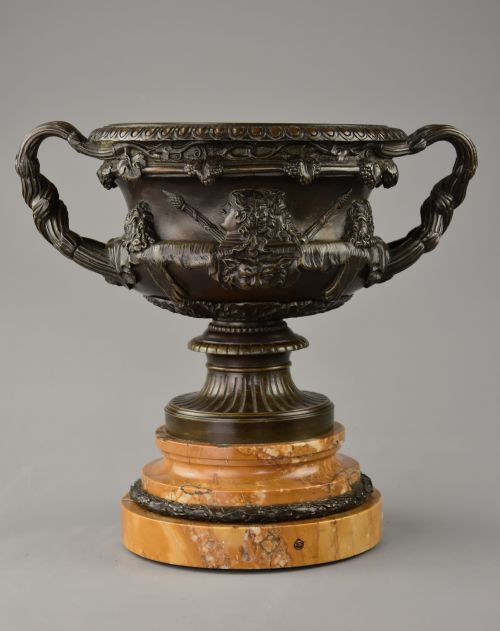
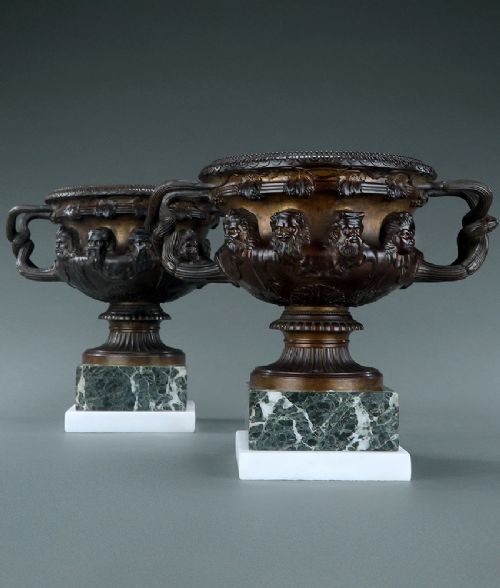
The selection ranges from large cast iron campana planters set on stepped garden plinths to diminutive Italian Grand Tour bronze tazzas mounted on marble bases. Many items pair distinct sculptural vessels with dedicated pedestals, columns, or architectural altars.
Neoclassical revival designs dominate the inventory, translating ancient Roman and Greek forms into domestic ornaments. Pieces reflect periods from the early nineteenth century through the Edwardian era, utilising materials suited for both interior display and garden weathering.
How they were made
Foundries produced robust garden and architectural items using cast iron and cast or reconstituted stone, frequently finished with protective paint or left to weather naturally. These metal and stone pieces relied on durable moulds to achieve crisp plant motifs, gadrooning, and acanthus leaf details.
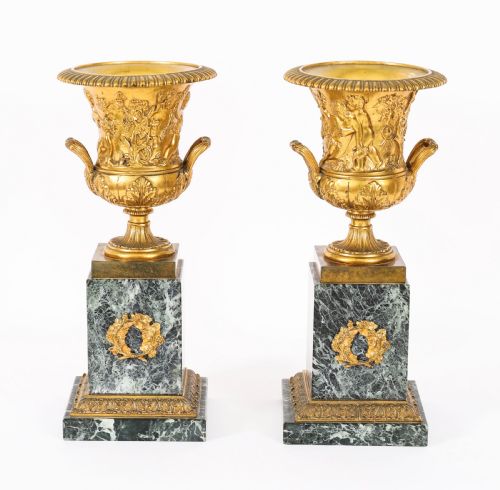
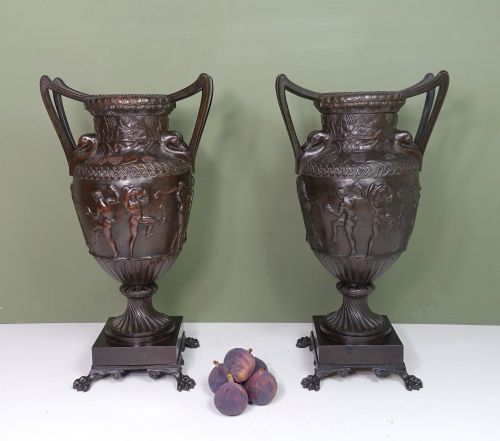
Interior display objects utilised rich combinations of materials, pairing cast bronze, gilt bronze, and ormolu mounts with green or variegated marble bases. Workshops also employed specialised stones such as Ashford marble and scagliola to mimic costly natural minerals.
Cabinet makers constructed pedestals and display stands from timber including rosewood and mahogany, occasionally incorporating secret compartments or intricate carved details. Marble columns and torcheres demonstrated advanced stone-cutting and turning techniques.
Listings feature pieces spanning the nineteenth century up to 1950, utilising materials including bronze, marble, cast iron, and scagliola.
What varies in quality
The refinement of the casting separates standard production items from exceptional workshop examples. Superior bronze and iron pieces exhibit sharply defined chasing and crisp botanical ornament, whereas inferior castings soften the surrounding detail.
Material selection and assembly determine the structural integrity of stone and metal combinations. High-grade items utilise dense, solid marbles and substantial cast metals, whereas lesser examples rely on surface veneers or lighter filler materials.
Falkirk Carron foundry·Andrew Handyside·Selim Bright
The Classical Plinth Urns Glossary
- Campana
- A bell-shaped garden urn with a flaring rim and a footed base, frequently cast in iron or bronze. This form originates from ancient Roman pottery.
- Tazza
- A shallow saucer-like vessel or cup mounted on a stem and foot, often utilised as a decorative centrepiece during the Grand Tour period. These items appear in bronze, marble, and inlaid wood.
- Grand Tour
- A cultural journey undertaken by nineteenth-century travellers who collected souvenir bronzes, marble carvings, and classical antiquities. These souvenir pieces replicate famous archaeological finds like the Warwick Vase.
- Scagliola
- A composite material made from selenite, glue, and pigments, mixed to imitate true marble and other hardstones. Artisans applied this technique to columns and urns.
- Gadrooning
- A decorative carved or cast motif consisting of convex curves or flutes in a parallel series, frequently edging the rim or base of an urn.
Classical Plinth Urns: Frequently Asked Questions
What is a campana urn?
A campana urn is a bell-shaped vessel with a distinct flaring rim and a footed base, designed for planting or decorative display. These vessels are commonly cast in iron or bronze.
They appear frequently on stepped plinths and pedestals in both garden settings and nineteenth-century interiors.
What were Grand Tour bronzes?
Grand Tour bronzes are small-scale replicas of ancient statues and vases purchased by travellers visiting Italy during the nineteenth century. These souvenir pieces were cast in bronze and mounted on marble bases.
They allowed collectors to bring classical antiquity into their domestic libraries and studies.
How do I distinguish cast iron from cast stone?
Cast iron is a heavy, durable metal that often shows surface oxidation or painted finishes, whereas cast stone is a dense mixture of cement and aggregates that mimics natural rock. Metal pieces ring when struck and maintain sharper cast details.
Stone and reconstituted stone alternatives offer a heavier, matte texture suited for weathering outdoors.
Where were plinth urns displayed?
Plinth urns served as focal points in formal gardens, on terraces, and along grand entranceways where their elevated stature commanded attention. Indoors, smaller versions occupied marble pedestals, pedestals, and display stands.
They functioned both as structural architectural ornaments and as decorative display vessels for flowers or sculpture.