






French Mantelpiece Ornaments
French mantelpiece ornaments bring classical poise, animalier bronze and Art Deco spirit directly to the hearth.
French Mantelpiece Ornaments
French mantelpiece ornaments encompass a diverse array of decorative objects designed to grace the fireplace, ranging from animalier bronzes and cassolettes to figural groups and candelabras. Buyers exploring french mantelpiece ornaments encounter works spanning the nineteenth century through the Art Deco period of the nineteen-thirties.
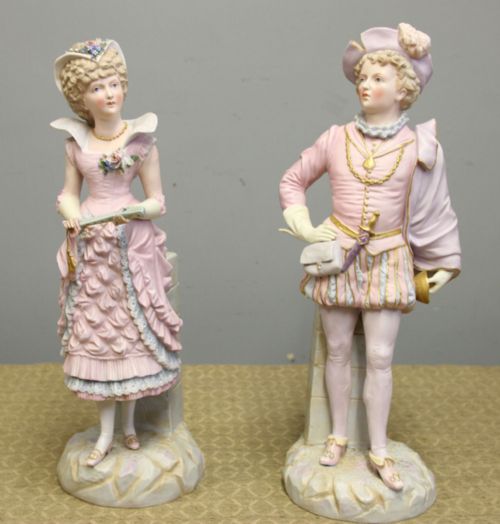
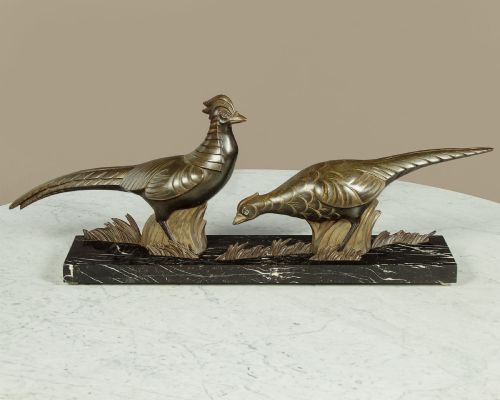
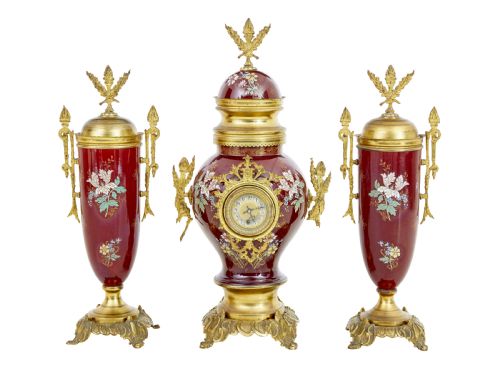
The selections available on this page feature sculptural forms rendered in bronze, gilt bronze, spelter, marble, onyx and porcelain. Common configurations include matched pairs of urns, candelabras and figural subjects set upon stepped plinth bases.
Origins trace back to distinct stylistic movements such as French Empire, Louis XVI Style, Neoclassical, Rococo Revival and Folk Art rustic designs. These pieces function both as standalone focal points and as coordinated garniture sets.
How they were made
Foundry methods utilised the lost-wax casting technique for detailed bronze sculptures and animalier subjects, whilst spelter provided a more accessible metallic alternative for figures set upon marble and onyx bases. Artisans also turned and carved natural stones like marble and onyx to create decorative urns and reversible cassolettes.
Surface finishes involved patination, gilding and enamelling, as seen in turquoise blue enamelled cassolettes and gilt-bronze figures. Porcelain and bisque pieces received careful moulding, glazing and hand-painting before firing.
French Mantelpiece Ornaments Retail Price Guide 2026
Typical asking prices for french mantelpiece ornaments among the pieces listed under this phrase on Sellingantiques today, from the lower quarter to the upper quarter. They describe what is for sale here now, not the wider market.
What varies in quality
Sculptural definition and chasing separate superior metalwork from simpler productions, particularly in the musculature of animalier bronzes and the facial expressions of figural groups. The crispness of cast details on spelter urns and the integration of multi-material bases also indicate the standard of craftsmanship.
The selection of materials dictates the visual weight and longevity of the ornament, with solid bronze and genuine marble commanding greater presence than mixed metal substitutes or painted surfaces. Integrity of the original patina or enamel finish remains central to the integrity of each piece.
P J Mêne·Emile-Coriolan Guillemin·Eugene Clauss
The French Mantelpiece Ornaments Glossary
- Animalier
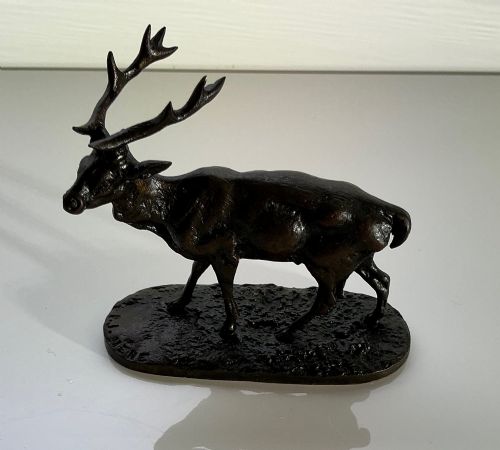
- A nineteenth-century artistic movement focused on the realistic portrayal of animals, particularly horses, stags and big cats. Sculptors in this genre studied anatomy closely to capture creatures in motion or repose.
- Spelter
- A zinc alloy utilised as a cost-effective substitute for bronze in decorative sculptures and urns, often given a bronze-like or patinated finish. It became widely popular during the late nineteenth and early twentieth centuries.
- Garniture set
- A coordinated group of three or more ornamental objects, typically comprising a central clock or urn flanked by matching candelabras or vases. These sets were designed to create a balanced display across a mantelpiece.
- Bisque
- Unglazed white porcelain that possesses a smooth, matte texture resembling marble. It was frequently employed for nineteenth-century figural groups and portrait pieces.
French Mantelpiece Ornaments: Frequently Asked Questions
What is an animalier bronze?
An animalier bronze is a nineteenth-century sculpture focused on realistic depictions of animals in naturalistic poses. These works were created by specialised sculptors who studied anatomy intently.
Such pieces often served as striking centrepieces on nineteenth-century mantelpieces, capturing creatures like stags and big cats with vivid accuracy.
How do you use cassolettes?
Cassolettes function as decorative urns with a clever reversible lid that uncovers a socket for a candle or burner. They were traditionally placed in pairs to anchor symmetrical mantelpiece displays.
Owners can rotate the lid depending on whether they prefer the clean profile of an amphora vase or the functional glow of a candleholder.
What is spelter?
Spelter is a zinc-based alloy that sculptors utilised during the nineteenth and twentieth centuries as a more affordable alternative to bronze. It allowed for intricate casting of figures and campana urns.
These pieces were typically treated with patinated metal finishes to mimic the appearance of genuine bronze before being mounted on marble or onyx bases.
How do I style a garniture set?
A garniture set is arranged across a mantelpiece with the tallest or central piece in the middle, flanked by the matching side pieces such as candelabras or vases. This creates visual symmetry and formal balance.
In modern interiors, these sets work well on deep fireplaces, sideboards or console tables where their matched materials can be fully appreciated.