
19th Century French Urns
These 19th century french urns bring classical French grandeur into a room, offering striking decorative presence for any mantelpiece or console.
What 19th century french urns are
When you search for 19th century french urns, you encounter robust architectural vessels created across the nineteenth century. These objects function primarily as decorative centrepieces, drawing directly upon classical forms and French stylistic revivals.
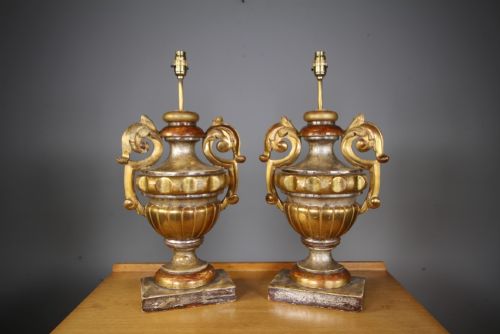
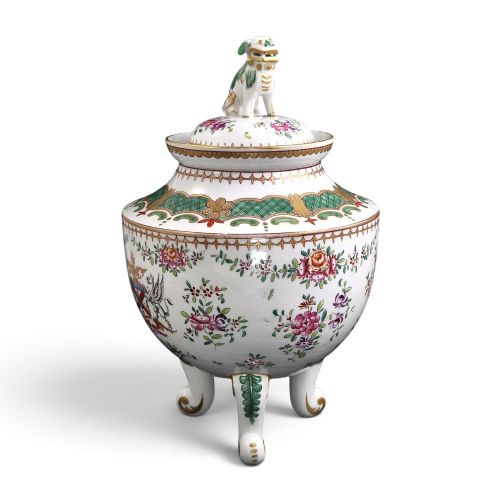
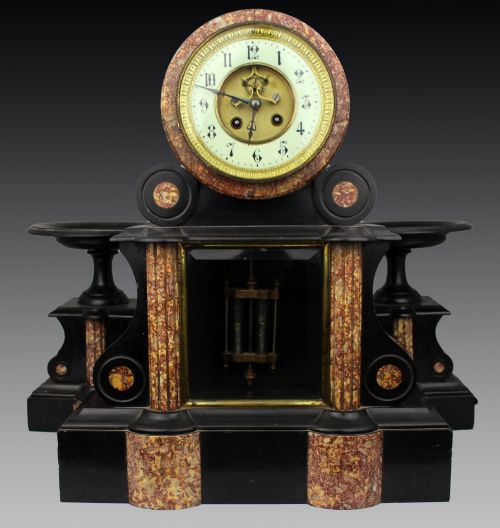
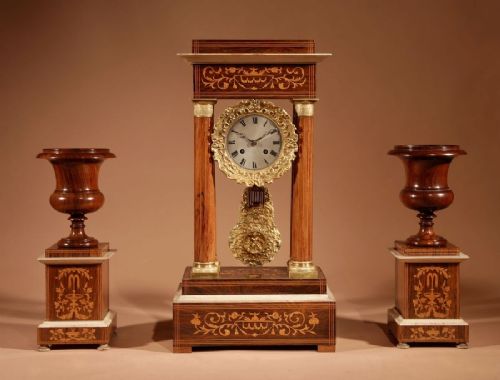
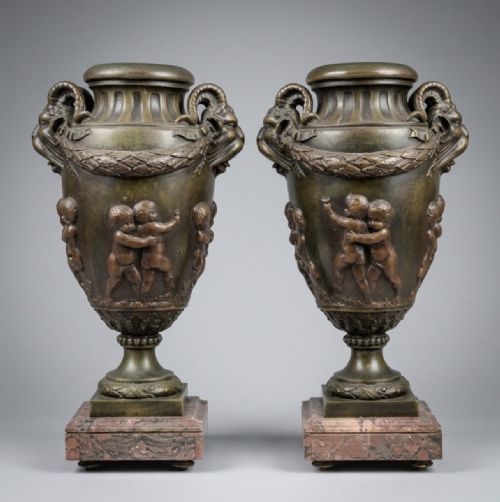
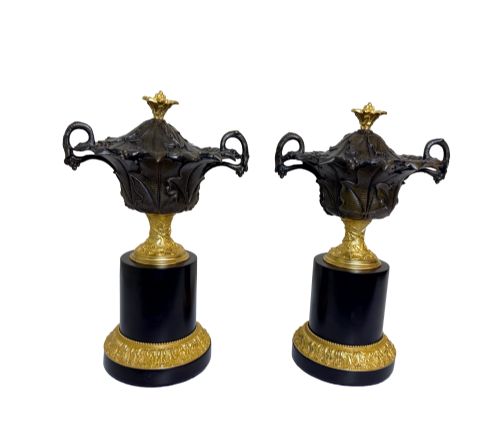
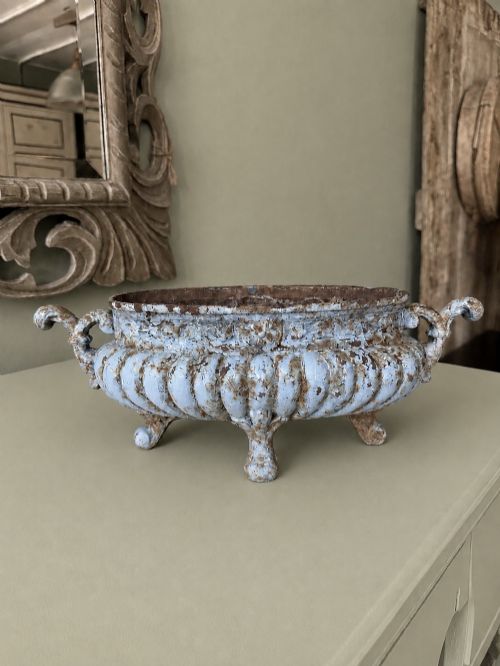
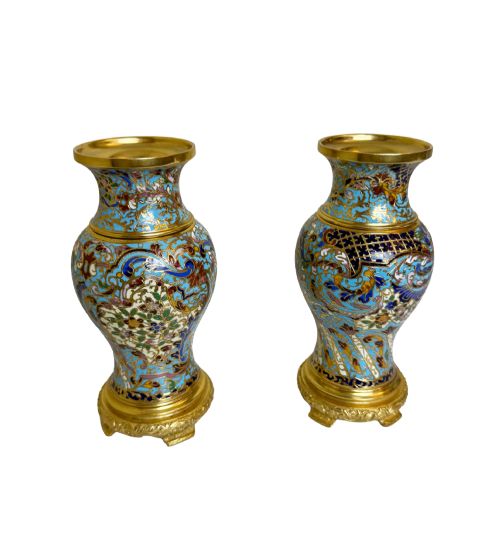
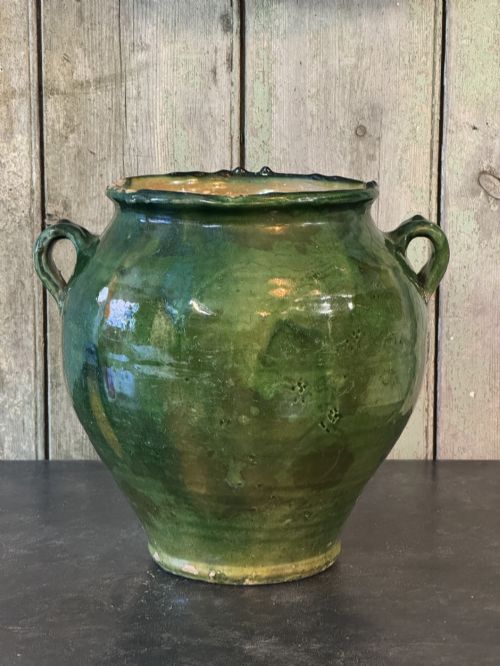
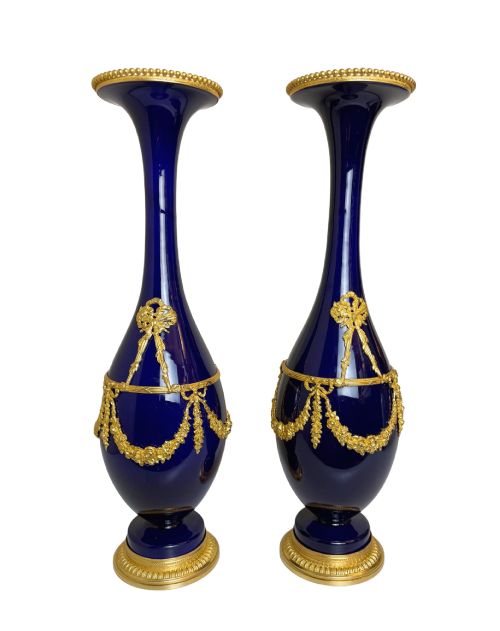
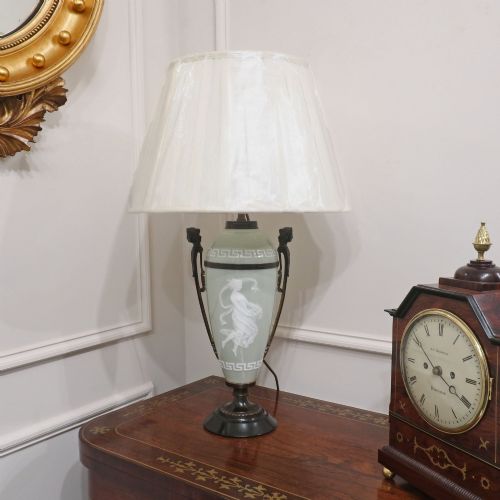
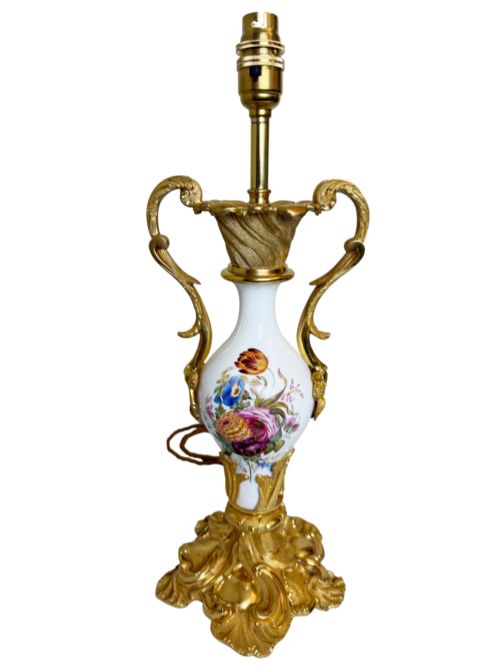
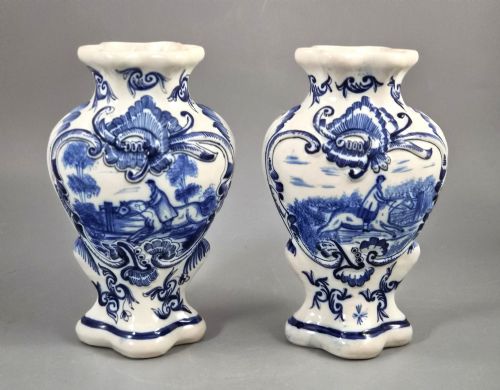
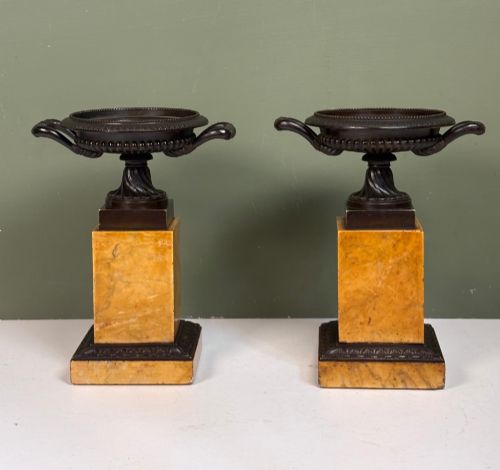
The pieces appearing here include porcelain vases, cast iron campana and tazza shapes, and combinations of marble with gilt bronze mounts. Pairs emerge frequently across the records, alongside single decorative urns and cassolettes.
Origins trace firmly to French workshops of the period, spanning styles from Empire and Louis XVI to general French Chateau aesthetics. They serve strictly as ornamental objects rather than utilitarian vessels.
How they were made
Maker construction relies on cast iron, cast bronze, and turned marble, paired with surface treatments like gilding, ormolu, and patination. Metal elements are cast and subsequently finished by hand to achieve crisp classical detail.
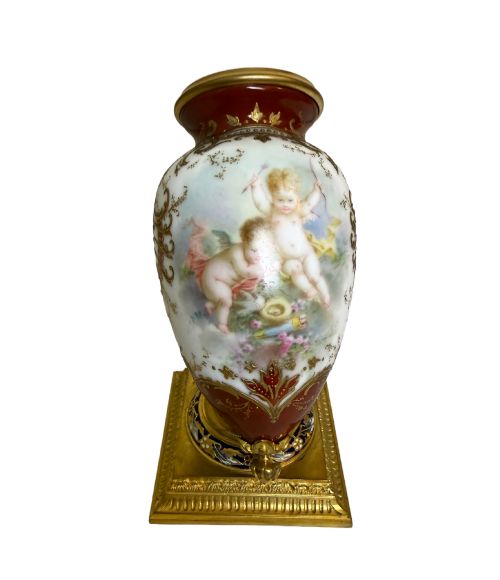
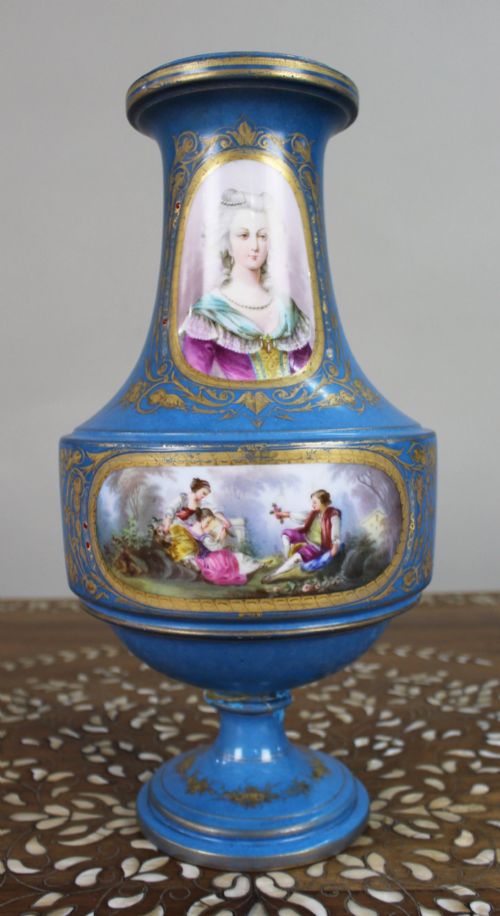
Porcelain bodies feature painted decoration and enamel work, often framed by cast metal mounts secured with mechanical fasteners. Ormolu components provide rich golden contrast against dark patinated bronze, white or pink marble, and painted ceramic surfaces.
The design vocabulary draws on Empire, Louis XVI Style, and general French Chateau traditions across the nineteenth century.
What varies in quality
Quality rests upon the crispness of the casting in metals and the precision of the turning in marble and stone elements. Superior examples display sharply defined acanthus leaves, handles, and classical motifs without soft edges.
The refinement of the ormolu and gilding distinguishes finer pieces from simpler iron productions, with genuine fire gilding or careful brass mounting offering deeper lustre. Material combinations, such as the integration of Sevres style porcelain with finely chased bronze mounts, elevate the artistic ambition of the piece.
Sevres
The 19th Century French Urns Glossary
- Cassolette
- A vessel featuring a reversible lid that allows it to function as either a closed urn or a candle holder with a nozzle. These dual-purpose objects are frequently mounted in ormolu.
- Campana
- A bell-shaped urn profile derived from ancient Roman pottery traditions. This classic silhouette appears widely on cast iron garden and interior vessels.
- Ormolu
- Gilt bronze created by applying a finely ground high-carat gold and mercury amalgam to a bronze base, then firing to drive off the mercury. This technique yields a distinctive warm golden matte surface.
- Tazza
- A shallow bowl or cup mounted upon a stem and foot, originating in classical antiquity. In nineteenth-century French metalwork, this form provides a wide display surface for decorative casting.
- Patinated bronze
- Metal treated with chemical solutions to produce a controlled aged surface colour, ranging from rich brown to deep green. This finish highlights sculptural relief work on figurative urns.
Frequently Asked Questions
What are cassolettes?
Cassolettes are versatile decorative vessels featuring reversible lids designed to serve as perfume burners or candle holders. They typically incorporate rich metal mounts and stone bodies.
In nineteenth-century French pieces, these double-function objects often combine marble and ormolu to create high-status mantel ornaments.
Where were these urns displayed?
These decorative vessels were designed principally for interior display on mantelpieces, pedestals, and console tables within grand reception rooms. Iron variants also suited sheltered garden or terrace placement.
Their substantial presence anchored formal nineteenth-century interior schemes drawing on classical French motifs.
How do I identify Empire style?
Empire style relies heavily on military motifs, classical antiquity, sphinxes, laurel wreaths, and heavy gilt bronze mounts. The aesthetic reflects Napoleonic tastes and aims for imposing symmetry.
Objects from this design vocabulary project severe classical dignity through disciplined geometry and rich surface contrast.
What is campana shape?
The campana shape refers to an inverted bell profile with a flaring rim and a distinct foot. This classical silhouette derives from ancient pottery forms.
Nineteenth-century French founders utilised this proportion extensively in cast iron and bronze for both interior and garden urns.