

French Bronze Garniture
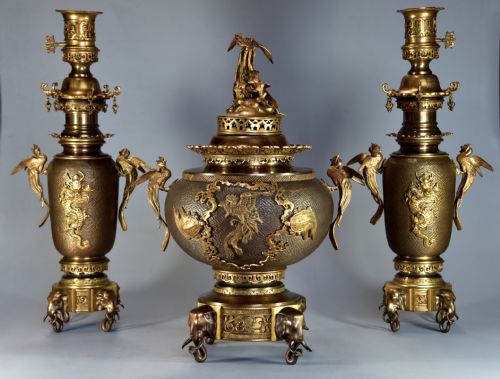
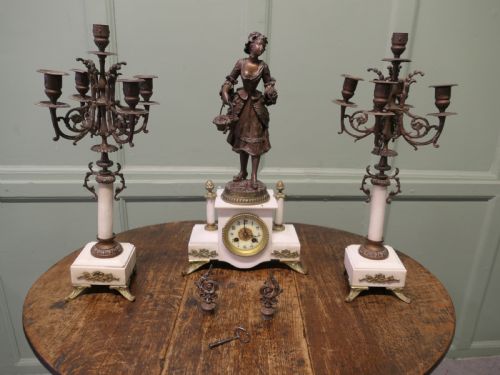
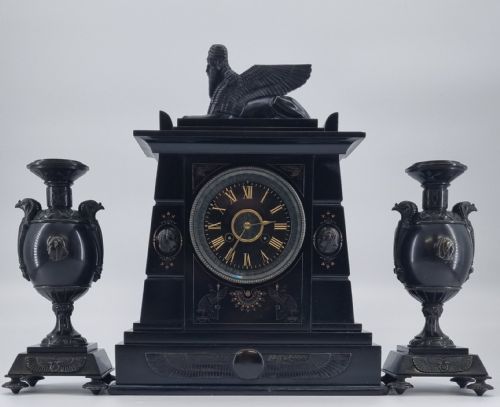
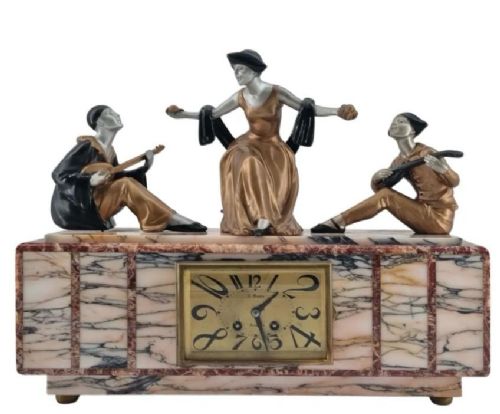
When you search for a French bronze garniture, you are looking at matched sets of decorative mantel ornaments centred around a clock, urns, or candelabra.
French Bronze Garniture
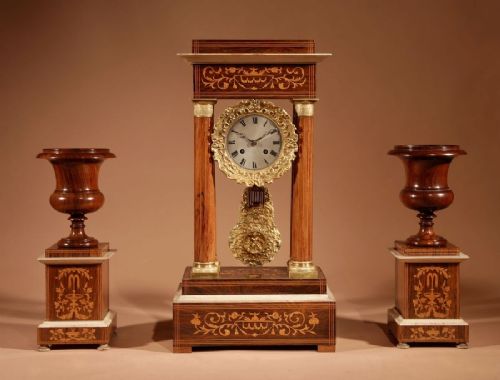
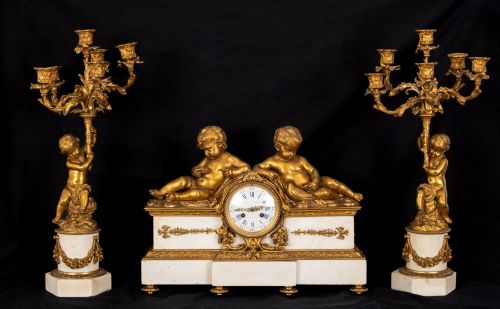
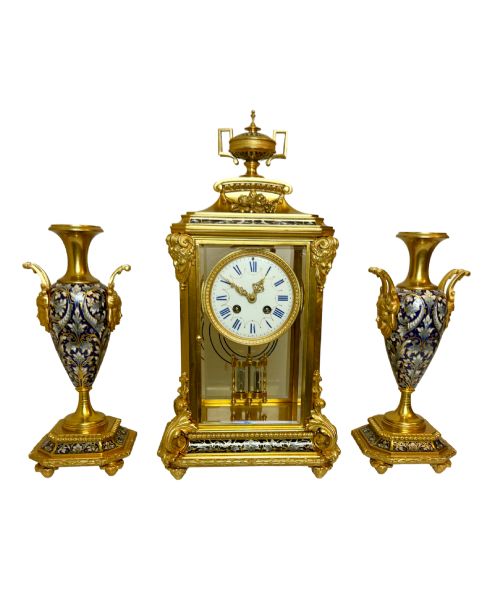
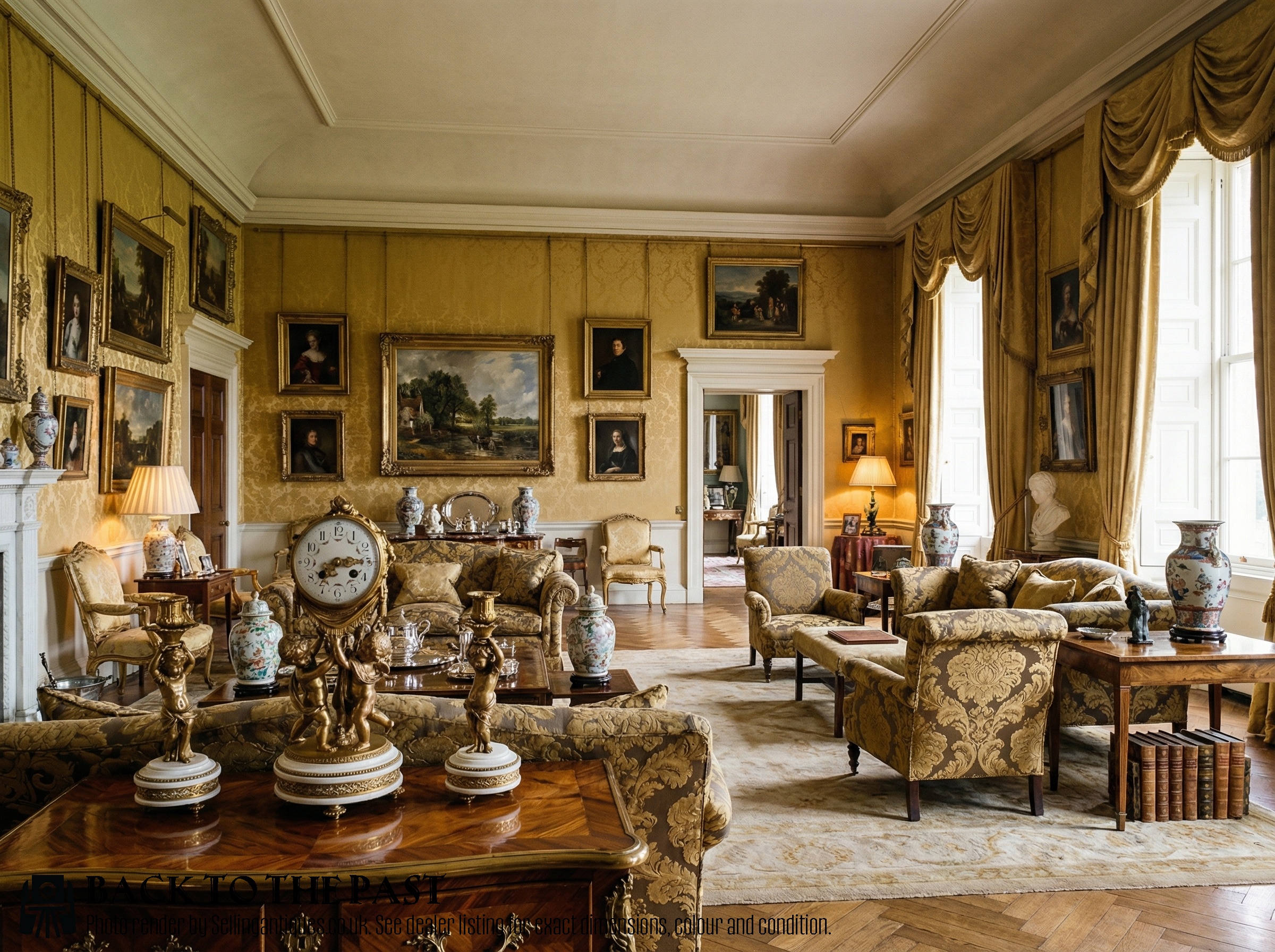
A French bronze garniture typically comprises a central mantel clock accompanied by a matching pair of side pieces, such as candelabra, urns, or vases. These three-piece sets were designed to sit harmoniously upon a fireplace mantel or console table, creating a balanced decorative display. The form developed significantly during the nineteenth century, drawing heavily on historical revivalism and classical motifs.
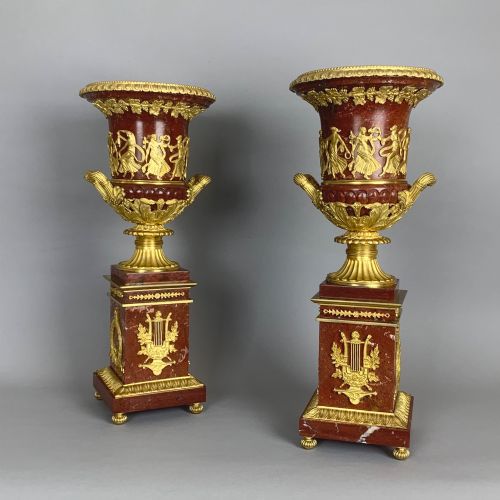
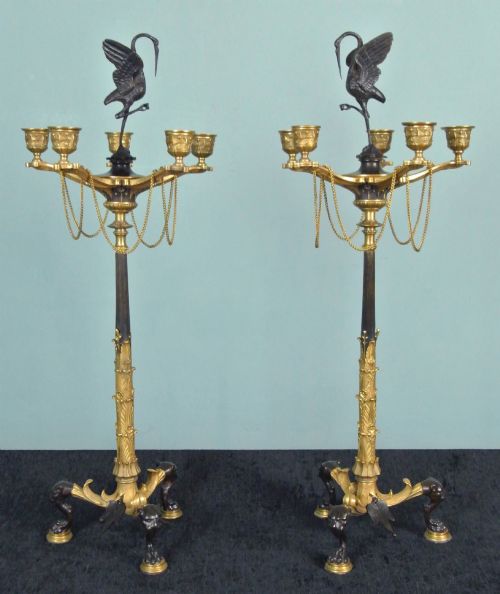
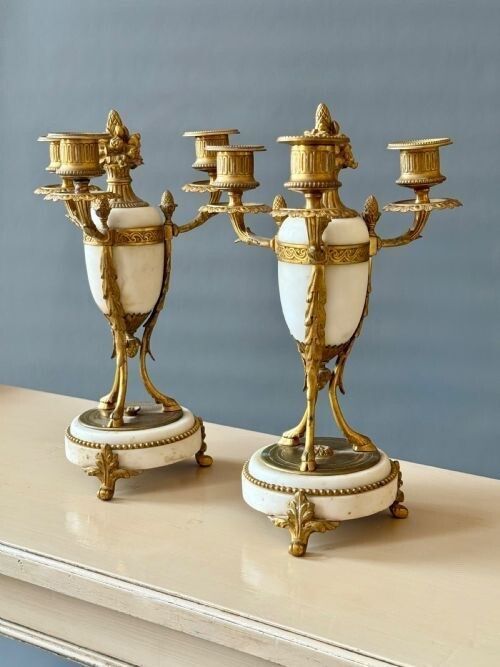
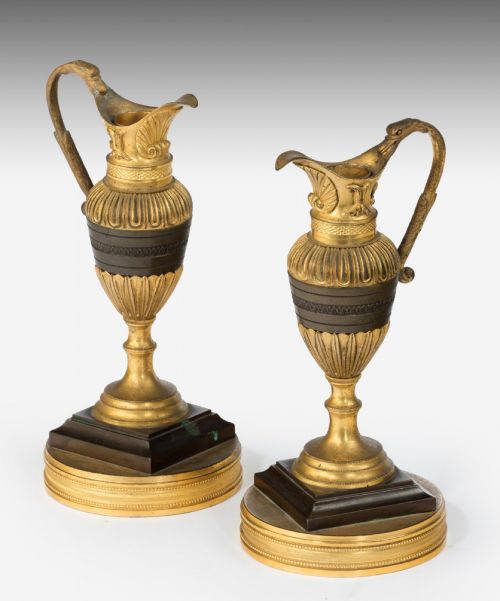
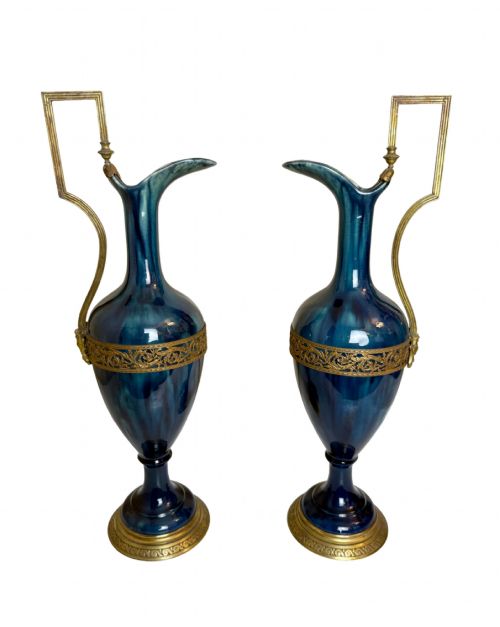
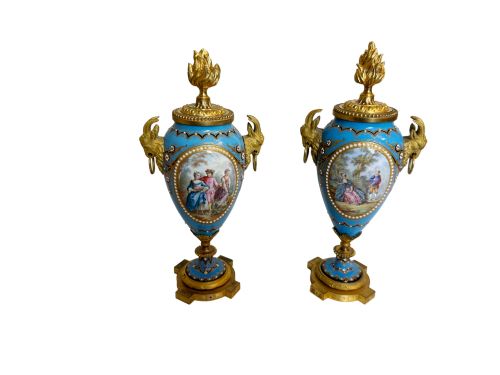
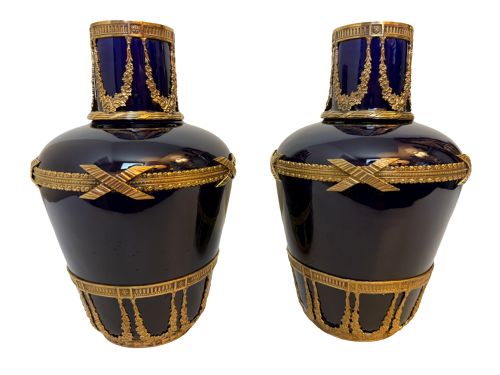
The version you are most likely to encounter on this page is a nineteenth-century Victorian or late-period creation in gilt bronze, ormolu, and marble. Many feature neoclassical, Louis XVI, or Empire styles, incorporating patinated bronze figures alongside polished stone bases. Alongside the traditional clock sets, listings often include paired cassolettes, ewers, and incense burners constructed to coordinate with the central ornament.
Materials and Construction
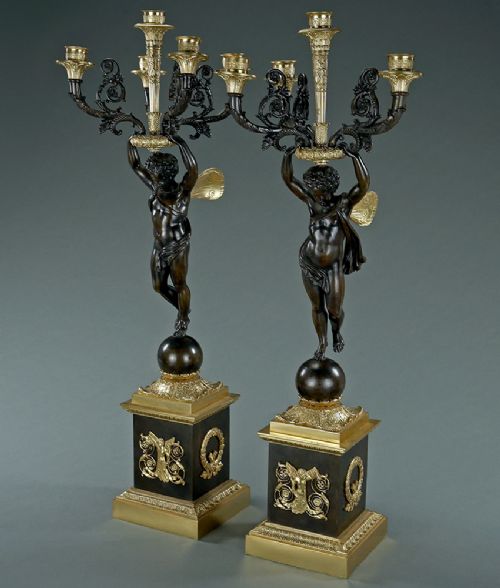
Maker workshops combined cast bronze with mercury gilding, known as ormolu, to create high-contrast decorative surfaces that caught the candlelight. Patinated dark bronze provided depth for figural elements and architectural details, while fire-gilded sections highlighted acanthus leaves, cherubs, and classical mounts. This dual treatment required separate casting and meticulous hand-chiselling before assembly.
Structural elements frequently relied on heavy natural stones, including white marble, siena marble, onyx, and slate, to anchor the substantial metal components. Enamel dials, champlevé enamel plaques, and porcelain inserts added colour and intricate detail to clock faces and urn bodies. Glass domes occasionally protected delicate compositions from dust and handling.
French Bronze Garniture Retail Price Guide 2026
Typical asking prices for french bronze garniture among the pieces listed under this phrase on Sellingantiques today, from the lower quarter to the upper quarter. They describe what is for sale here now, not the wider market.
Listings feature 19th-century French garnitures constructed from gilt bronze, ormolu, white marble, onyx, and champlevé enamel.
Assessing Quality and Execution
The selection of stone and secondary materials also distinguishes standard production from exhibition pieces. High-end sets utilise flawless marble bases fitted precisely to the metal mounts without visible gaps, often pairing complex materials like champlevé enamel or hand-painted porcelain panels. Movement complexity inside the clock, such as eight-day striking mechanisms by known makers, further separates utilitarian timepieces from grand salon garnitures.
Barbedienne·Henry Dasson·Mougin
The French Bronze Garniture Glossary
- Garniture
- A set of matched decorative objects designed to be displayed together on a mantelpiece or sideboard. They usually consist of a central clock flanked by two matching vases, urns, or candelabra.
- Ormolu
- Finely ground high-carat gold applied to a bronze base using a mercury amalgamation process. This technique produces a durable, warm metallic lustre characteristic of luxury nineteenth-century French metalwork.
- Cassolette
- A decorative vase or urn with a reversible lid that functions as a candleholder on one side and a solid decorative vessel on the other. They are frequent components in neoclassical garniture sets.
- Portico clock
- A mantel clock housed within a architectural frame supported by four or more columns. These structures often feature prominent bronze mounts and sit upon matching tiered marble bases.
- Champlevé
- An enamelling technique where troughs or cells are hollowed out of the metal surface and filled with vitreous enamel paste before firing. This method creates colourful geometric or floral patterns across bronze mounts.
French Bronze Garniture: Frequently Asked Questions
How do I identify Louis XVI style?
Louis XVI style pieces rely on straight architectural lines, classical proportions, and restrained ornamentation. You will notice motifs such as fluted columns, laurel wreaths, ribbons, and urns rather than the sweeping asymmetric curves of earlier rococo designs.
This revival style emerged strongly during the nineteenth century, applying eighteenth-century classical vocabulary to grand bronze and marble clock sets. The aesthetic values symmetry, clarity of form, and refined neoclassical detailing.
Where should I place a garniture?
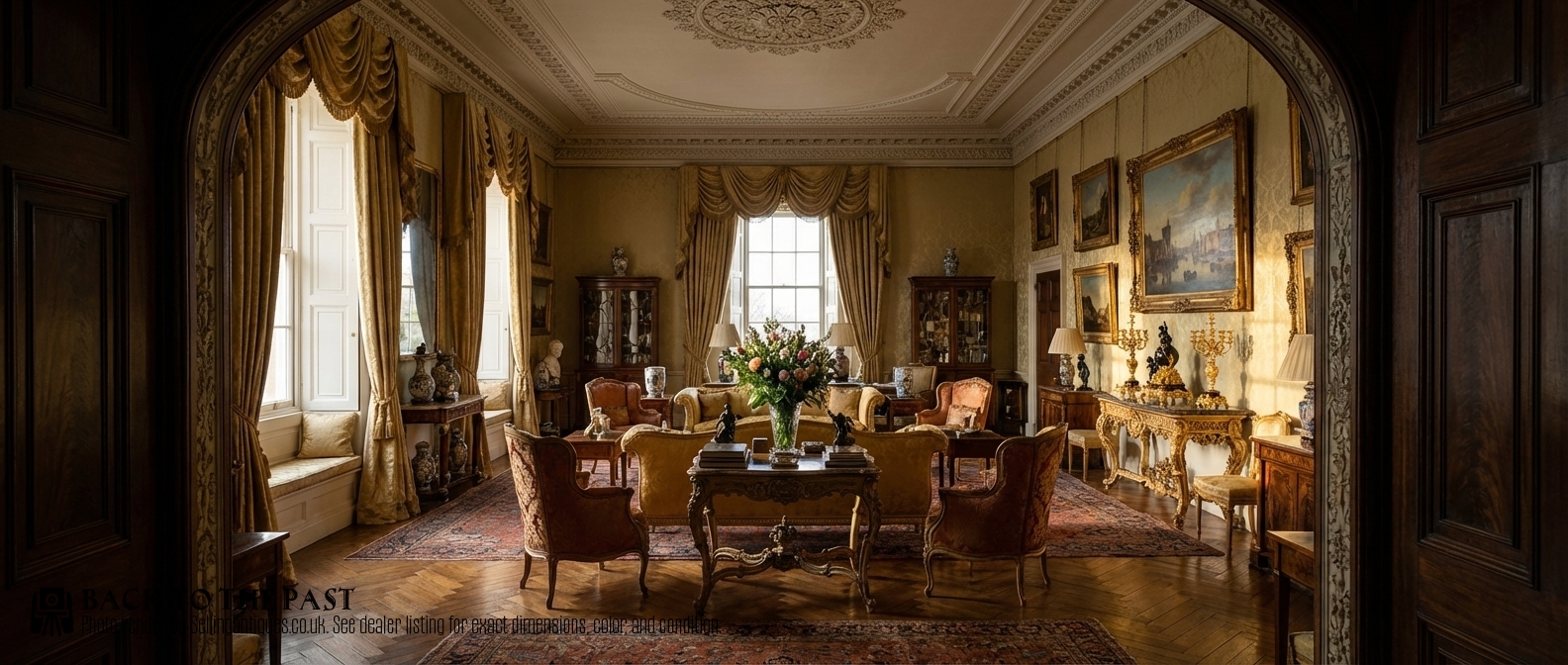
A garniture is traditionally positioned on a fireplace mantelpiece, with the central clock flanked symmetrically by the matching side pieces. The long horizontal span of a mantel provides the ideal stage for the graduated heights of the set.
Alternatively, these sets sit well on console tables, large sideboards, or dedicated pedestals where they can be viewed from multiple angles. Ensure the supporting surface is sufficiently deep and sturdy to bear the considerable weight of marble and bronze.
How do I care for antique bronze?
Antique bronze and ormolu require gentle dusting with a soft, dry brush to prevent the accumulation of dirt in recessed chasings. Avoid using chemical cleaners, metal polishes, or abrasive cloths, which strip away the original fire gilding and patination.
Marble bases benefit from occasional wiping with a damp cloth followed by immediate drying. Keeping these objects away from direct sunlight and excessive humidity preserves the integrity of both the stone and the internal clock movements.