
Art Nouveau Glazed Pottery
Art nouveau glazed pottery brings organic forms and vibrant colour to domestic spaces through vessels shaped by period hands.
Art Nouveau Glazed Pottery
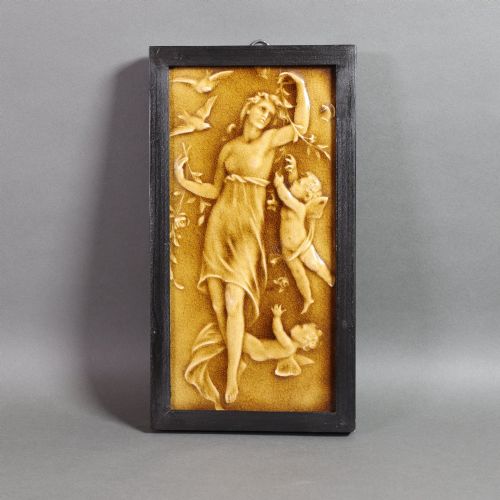
Art nouveau glazed pottery encompasses vases, jardinieres, bowls, jugs, and wall plaques created during the late nineteenth and early twentieth centuries. These objects reflect the flowing, naturalistic design movements spanning Victorian, Edwardian, and later periods.
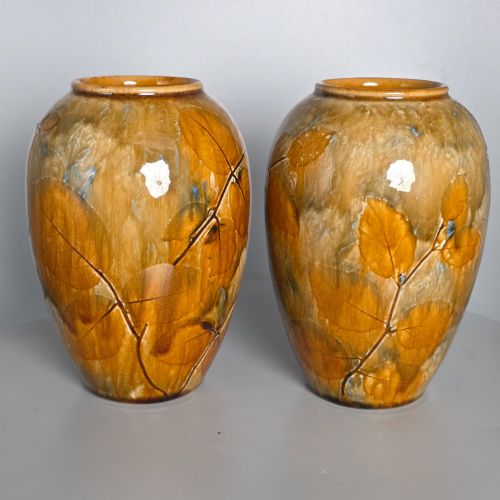
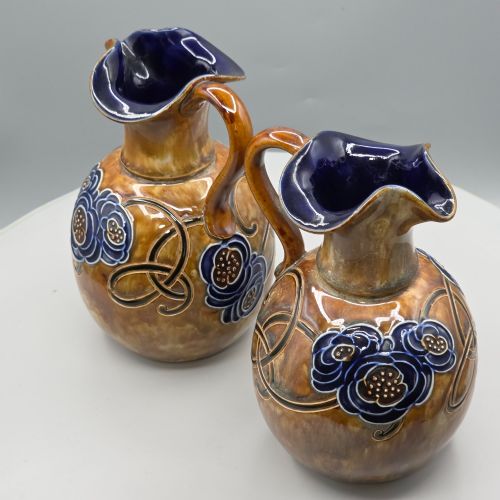
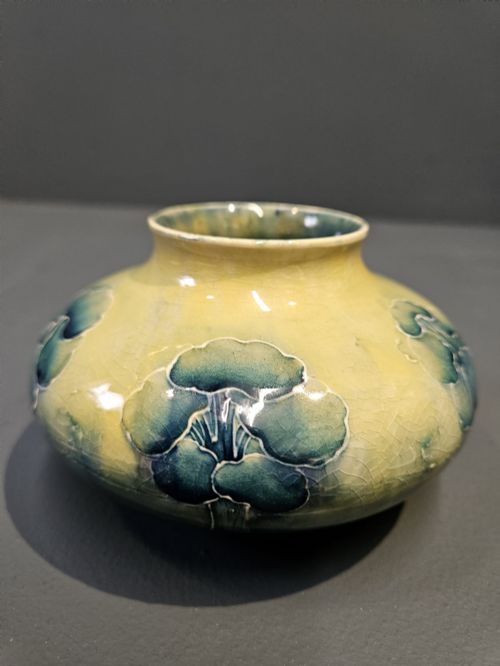
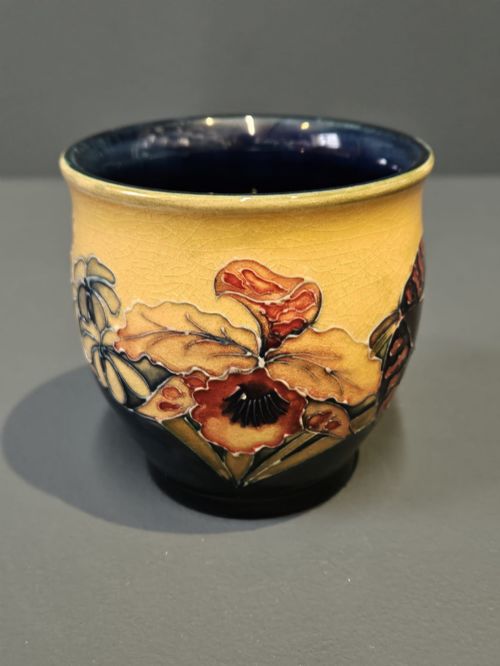
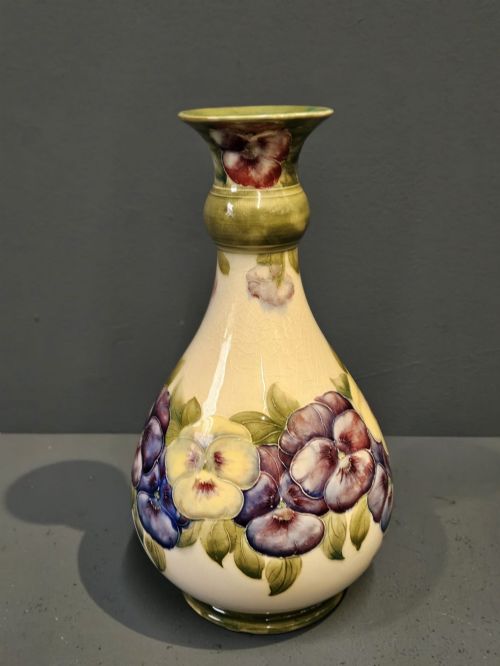
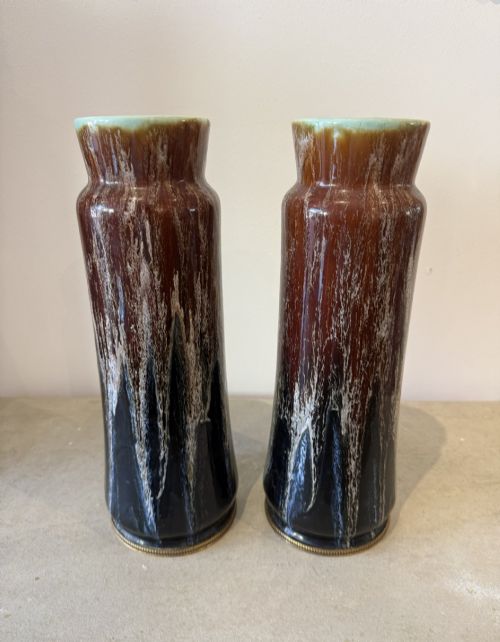
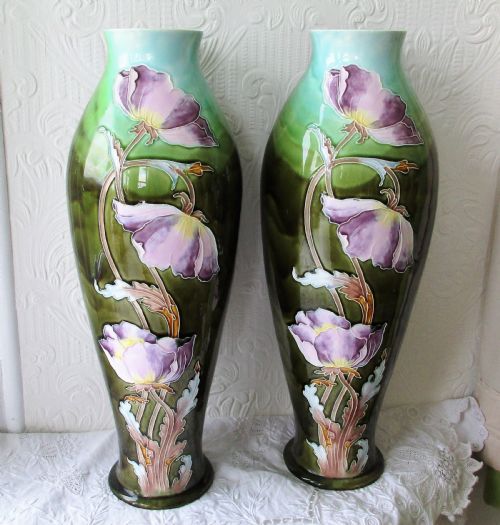
Vessels on this page emerge primarily as stoneware, earthenware, and porcelain forms shaped by major potteries and independent studios. Buyers encounter pieces decorated with floral motifs, tube-lined designs, and lustrous metallic finishes.
Materials and construction
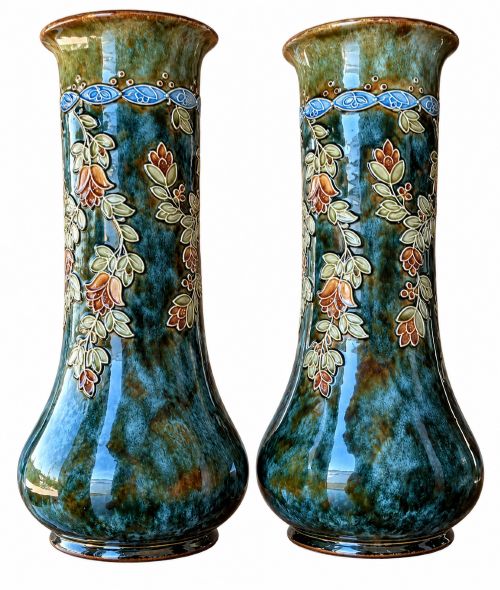
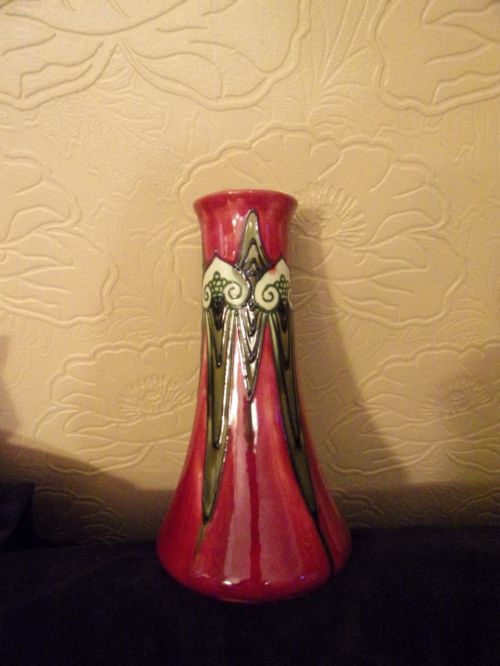
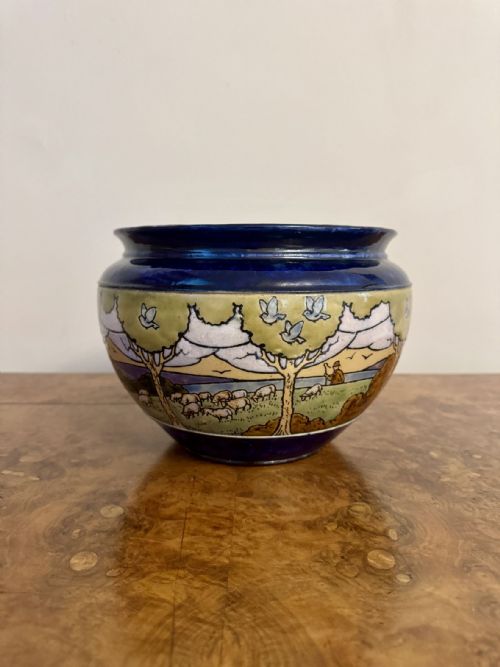
Potters shaped ceramic, stoneware, and earthenware bodies on the wheel or in moulds before applying fluid glazes. Techniques such as tube-lining created raised outlines that held pools of rich colour during firing.
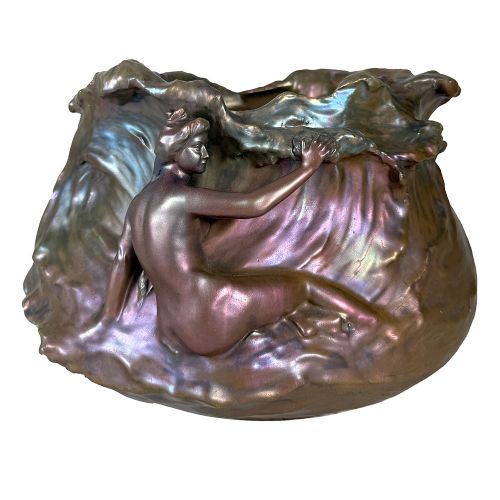
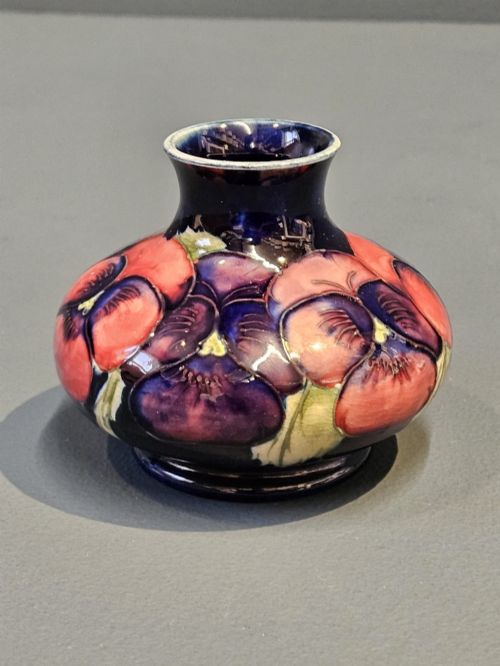
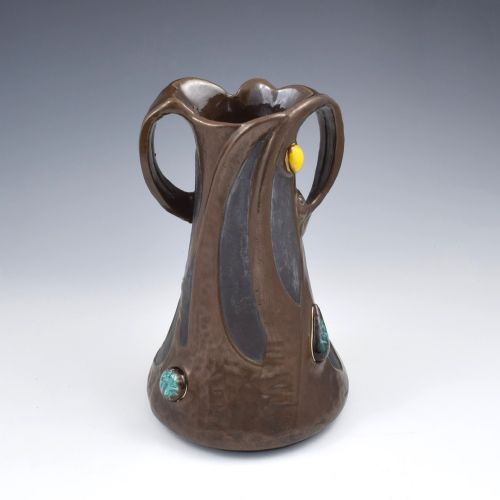
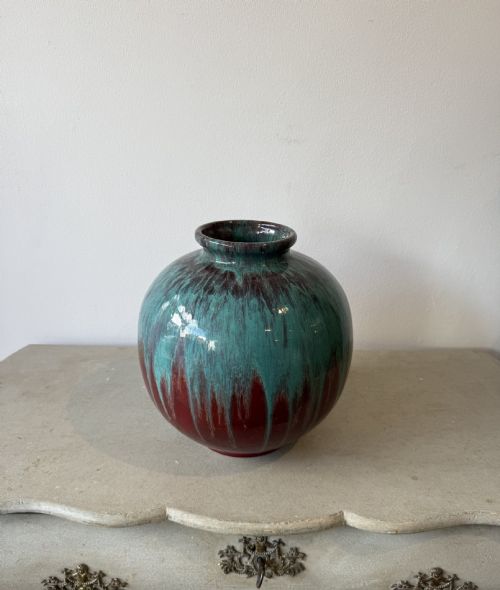
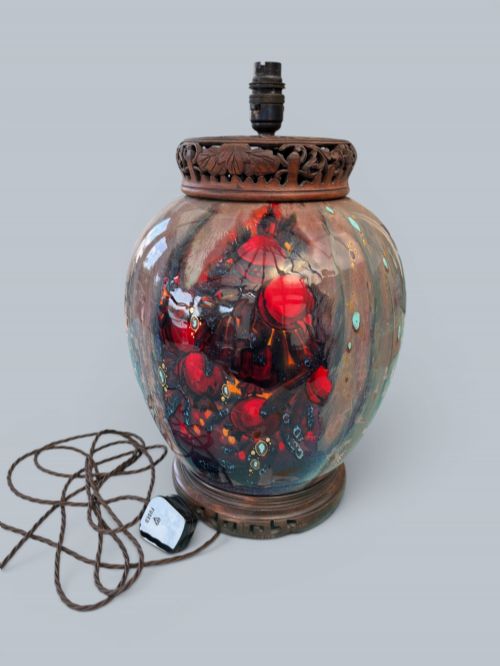
Surface decoration frequently incorporated gold leaf, copper effects, jewelled cabochons, and hand-painted pigments. Kiln processes fused these metallic lustres and coloured glazes directly to the ceramic base.
Listings feature works spanning from the late Victorian period through the 1930s, executed in earthenware, stoneware, and porcelain.
Distinctions in craftsmanship
Quality rests upon the precision of the modelling and the depth of the glaze effects achieved in the kiln. Superior examples display crisp tube-lining, controlled lustre application, and harmonious colour palettes.
The reputation of the pottery and the skill of the individual decorator elevate specific pieces. Hand-painted details and signed studio works demonstrate greater artistic intent than mass-produced commercial output.
Royal Doulton·Moorcroft·Minton Secessionist·Wedgwood·Boch Freres·Bretby Pottery·Wileman Intarsio·Clement Massier
The Art Nouveau Glazed Pottery Glossary
- Stoneware
- A sturdy, vitrified ceramic fired at high temperatures to produce an impermeable body. This material allows for crisp incised decoration and dense salt or chemical glazes.
- Earthenware
- A porous pottery body fired at lower temperatures than stoneware. It requires a complete glaze coating to hold liquids and forms the base for many painted or lustred decorative pieces.
- Tube-lined
- A technique where liquid clay is piped onto a ceramic surface to form raised outlines. These barriers separate different pools of coloured glaze before firing.
- Lustre
- A metallic surface sheen applied to ceramics to create iridescent reflections. This effect changes appearance according to the angle of ambient light.
Art Nouveau Glazed Pottery: Frequently Asked Questions
What defines art nouveau glazed pottery?
These pieces combine organic, flowing design motifs with ceramic bodies finished in rich liquid glazes. They reflect the stylistic shifts of the late Victorian and Edwardian eras.
Makers utilised techniques like tube-lining and metallic lustre to emphasise natural forms such as flowers, foliage, and figurative subjects.
How were these ceramic vessels used?
Vessels served primarily as decorative items for domestic interiors, functioning as mantel vases, table centerpieces, and floor-standing jardinieres. Larger forms held floral displays or botanical arrangements.
Smaller jugs, plaques, and bowls added colour and texture to Edwardian and Victorian rooms without specific utilitarian demands.
How do I style these pieces at home?
Place ceramic vases and bowls on wooden surfaces where natural light can catch metallic lustre glazes and coloured finishes. Pairing complementary forms creates balanced displays across sideboards and mantels.
Avoid overcrowding delicate stoneware or earthenware pieces so their individual silhouettes and surface textures remain visible.
How can I tell different periods apart?
Victorian and late nineteenth-century examples often feature heavier stoneware bodies with incised foliage or rich monochrome glazes. Edwardian and later pieces frequently display brighter floral tube-lining and iridescent lustre effects.
Examining the base marks and pottery stamps provides definitive evidence of the specific production decade.