


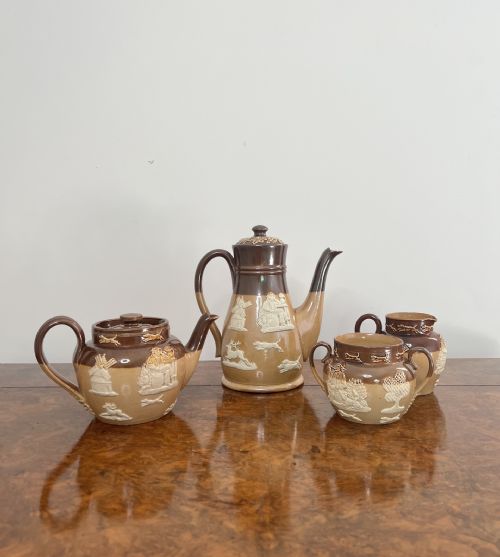
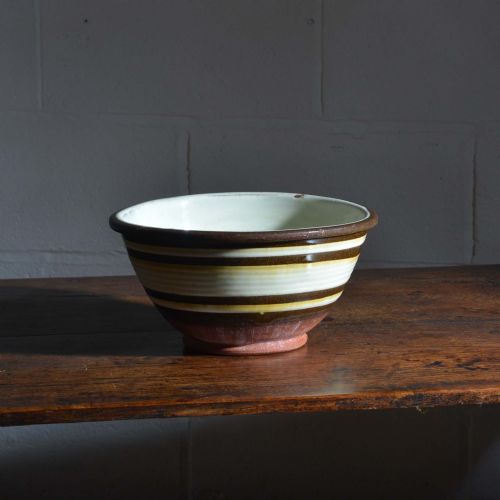

Brown Glazed Pottery Bowl
These brown glazed pottery bowls bring earthy warmth and tactile utility to a room.
Brown Glazed Pottery Bowl
A brown glazed pottery bowl encompasses functional vessels and decorative pieces spanning centuries of ceramic production. Buyers searching this phrase encounter utilitarian dairy and storage vessels alongside ornate Victorian majolica and Persian lustre wares.
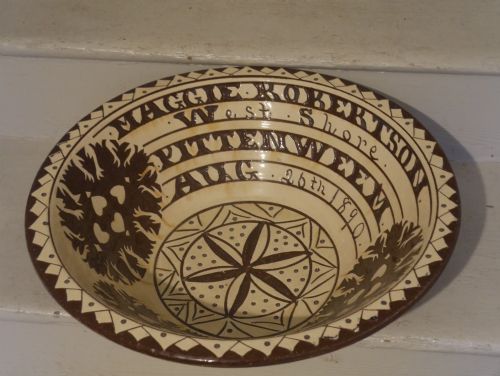
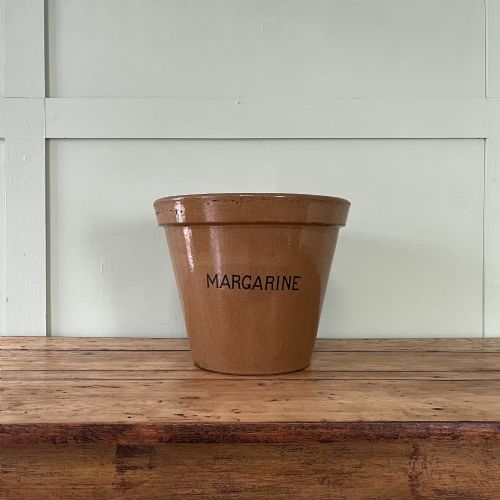
The selections on this page range from nineteenth-century earthenware dairy bowls and stoneware margarine crocks to eighteenth-century brush washers and early Islamic pottery. English country and Victorian folk art traditions feature heavily among the domestic items.
Domestic utilitarian forms such as dairy bowls and slip glaze vessels dominate the selection, offering simple forms coated in rich, dark glazes. These everyday objects provide a direct connection to historical domestic routines and rural craftsmanship.
Materials and construction
Potters shaped these pieces primarily from earthenware, terracotta, and heavy stoneware, utilising durable clays suited for holding liquids and foodstuffs. Slip glaze and rich brown surface treatments were applied before firing to create impermeable, lustrous finishes.
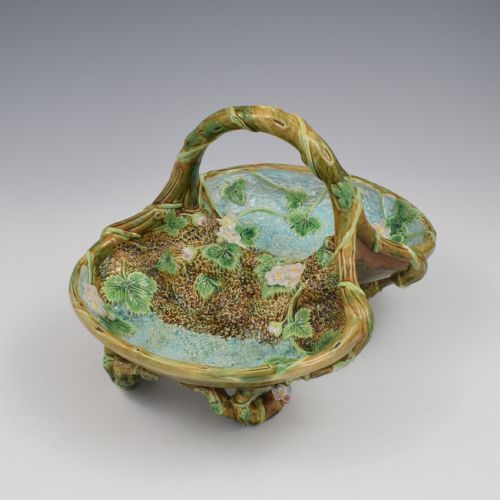
The manufacturing methods balance robust utility with artistic expression, combining thrown clay bodies with applied decorative elements like the majolica fruit baskets and moulded chicken tureens.
Listings feature earthenware and stoneware materials across Victorian, Edwardian, and eighteenth-century periods.
Assessing quality and character
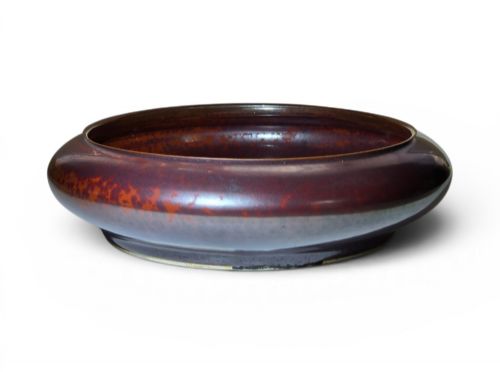
Quality rests in the depth of the glaze, the crispness of any moulded or painted detail, and the integrity of the clay body. A rich iron rust glaze or a well-preserved slip decoration elevates a piece beyond basic utility.
The distinction between a simple utilitarian dairy bowl and an elaborate Victorian basket lies in the precision of the form and the sophistication of the ceramic finish.
George Jones·Doulton Lambeth·Seaton Pottery
The Brown Glazed Pottery Bowl Glossary
- Earthenware
- Porous pottery fired at lower temperatures, typically requiring a glaze to hold liquids. It forms the foundation of many traditional dairy bowls and domestic vessels.
- Stoneware
- Dense, vitrified ceramic fired at higher temperatures until non-porous. This material provides the durability seen in heavy storage crocks and nineteenth-century jugs.
- Slip glaze
- Liquid clay mixed with colourants, often iron, applied to the surface before firing. It creates the smooth, monochrome brown finishes characteristic of country pottery.
- Majolica
- Pottery featuring colourful lead glazes applied over an opaque tin enamel. This technique allows for vibrant decorative surfaces on Victorian baskets and tureens.
Brown Glazed Pottery Bowl: Frequently Asked Questions
What were brown glazed pottery bowls used for?
Many of these bowls served practical purposes in historic dairies, kitchens, and pantries for holding milk, mixing ingredients, or storing food.
Others functioned as decorative table pieces, fruit baskets, or artistic vessels intended for display rather than heavy domestic labour.
How do I date a brown glazed bowl?
Dating relies on identifying the material, glaze type, and potting style, comparing earthenware dairy vessels with later Victorian stonewares or earlier glazed ceramics.
Maker marks, where present, help pinpoint specific potteries and production decades from the nineteenth century or earlier.
Are these bowls safe for daily food use?
While historic earthenware and stoneware were made for food preparation, older glazes can contain lead or show wear from age.
Collectors generally treat antique bowls as decorative display items rather than functional kitchenware to preserve their surfaces.
How should I clean my pottery bowl?
Dusting with a dry or slightly damp soft cloth is usually sufficient for maintaining the surface of historic glazed ceramics.
Submerging porous historic earthenware in water should be avoided to protect the clay body and original glaze.