
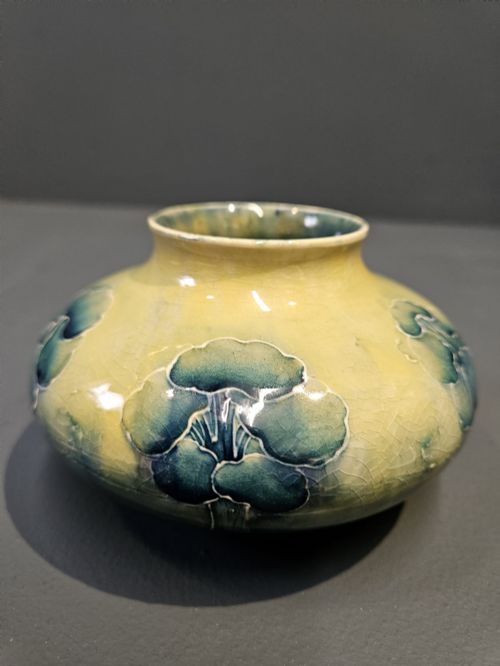
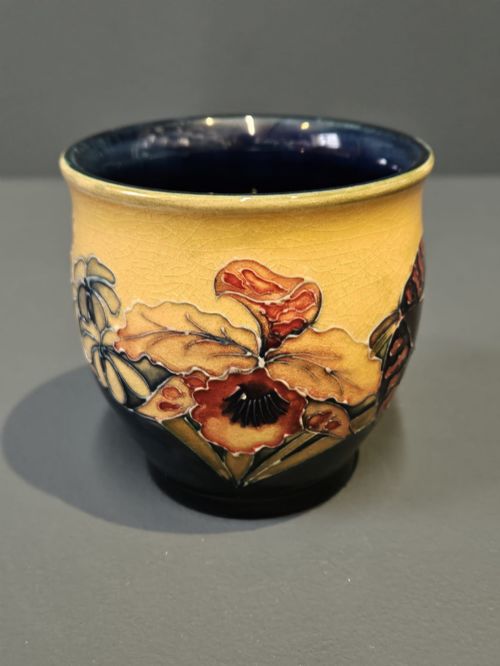
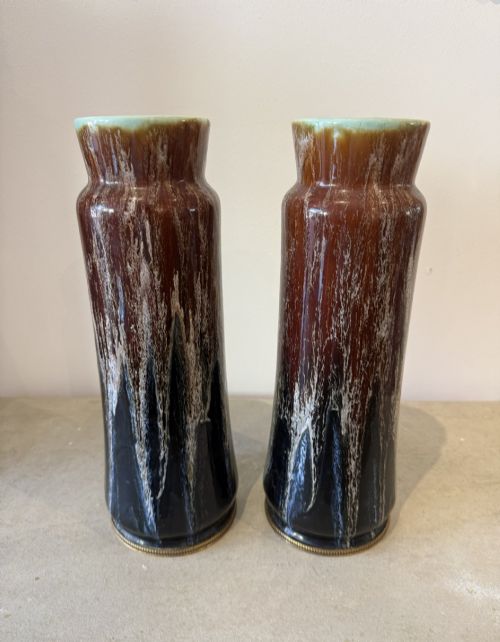
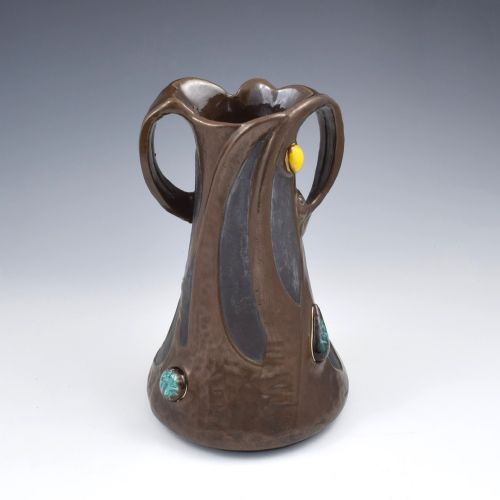


Art Nouveau Ceramic Vessel
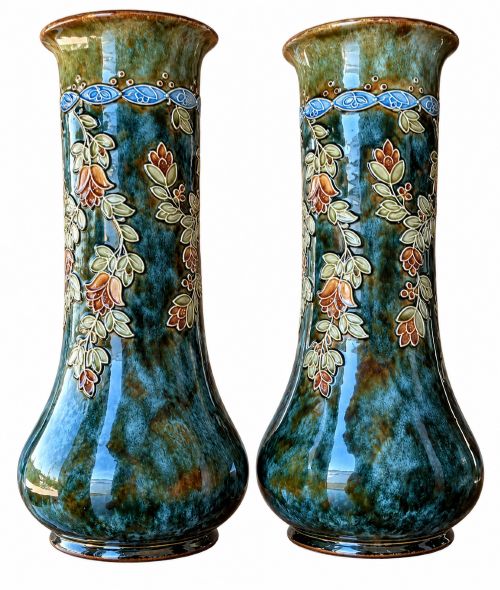
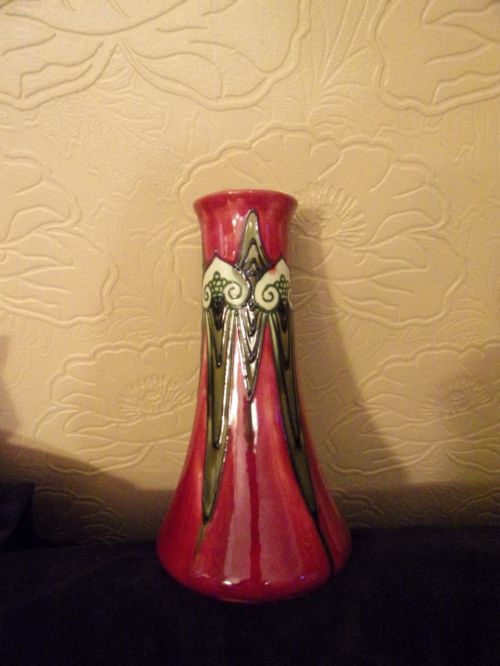
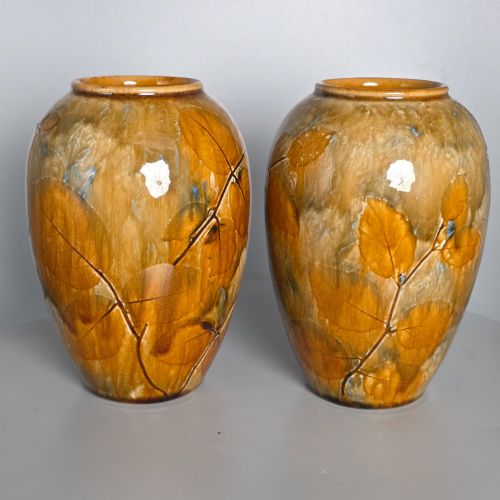
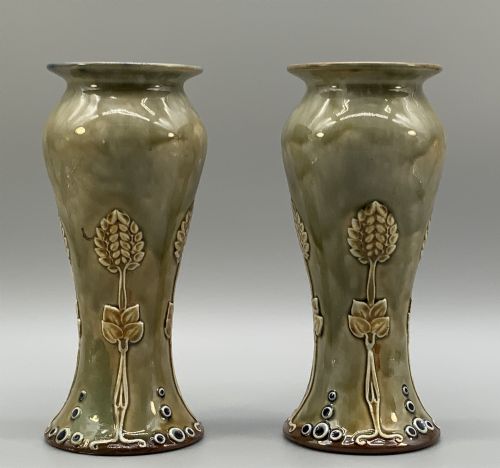
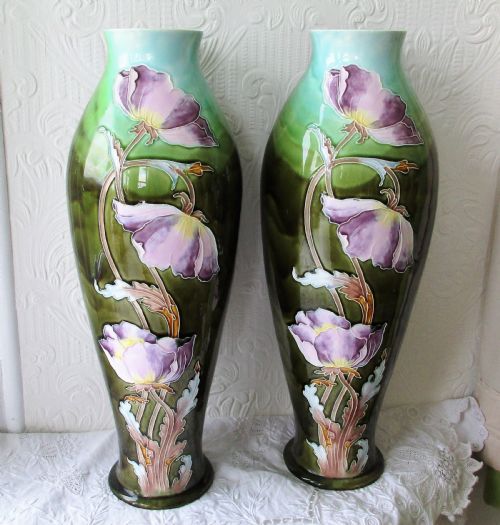
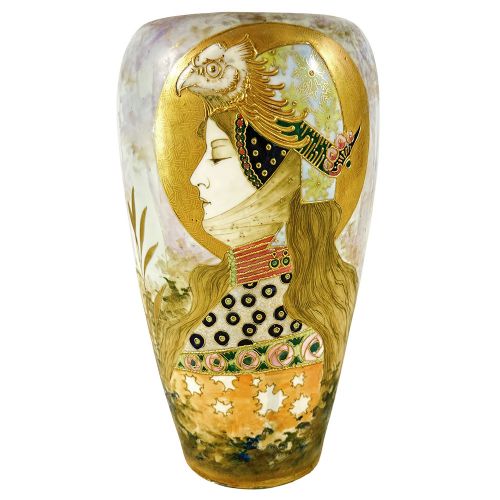
These art nouveau ceramic vessel pieces capture flowing organic lines and rich glaze work, offering a striking focal point for any room.
Art Nouveau Ceramic Vessel
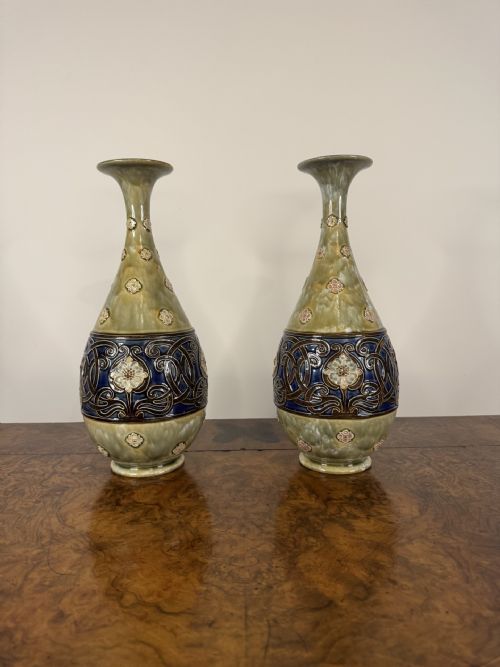
When you search for an art nouveau ceramic vessel, you encounter distinctive decorative items that reflect the fluid aesthetics of the early twentieth century. The examples on this page span the 1900 and 1910 periods, showcasing forms such as vases and decorative bowls.
The objects stem from traditions including Arts and Crafts alongside Art Nouveau. You are most likely to meet earthenware pieces carrying rich glazes and metallic mounts from British workshops and potteries.
How they were made
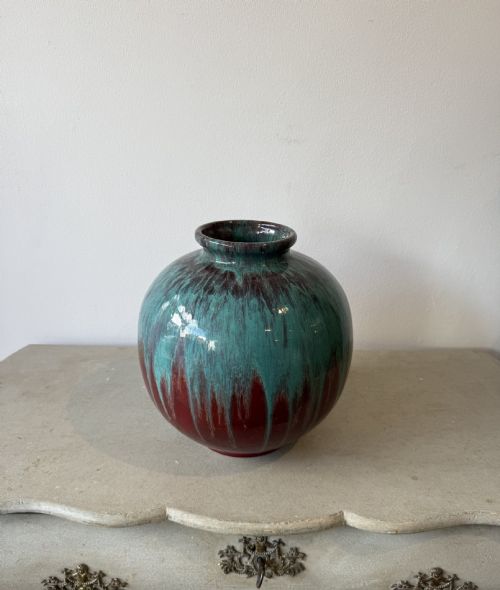
Makers utilised earthenware bodies to form these vessels, shaping the clay by hand or mould before firing. The surfaces then received specialised glazes that interact with heat during the firing process to produce variegated colour effects.
Certain vessels incorporate sterling silver elements, such as mounts applied directly to the ceramic body. These metal additions require precise smithing to fit the contours of the fired clay.
Current listings feature earthenware and ceramic pieces from the 1900 and 1910 periods, incorporating sterling silver elements.
What varies in quality
The distinction between standard production and exceptional work lies in the control and depth of the glaze. Master potters achieved complex, fluid colour transitions that elevate a simple earthenware shape into a compelling visual statement.
Execution of secondary materials also dictates standing. The integration of sterling silver mounts with the ceramic body demonstrates the artisan's skill in combining disparate mediums harmoniously.
Brannam Art Pottery·Royal Doulton·Gorham
The Art Nouveau Ceramic Vessel Glossary
- Earthenware
- Porous pottery fired at lower temperatures, commonly used as the foundational body for glazed vessels.
- Glaze
- A vitreous coating fused to ceramic pottery through firing, providing colour, texture and a protective finish.
- Sterling silver
- A silver alloy consisting of ninety-two point five percent silver by mass, often utilised for rims and mounts on ceramic pieces.
- Arts and Crafts
- A design movement advocating traditional craftsmanship and simple forms, closely linked to the genesis of these vessels.
Art Nouveau Ceramic Vessel: Frequently Asked Questions
What is an art nouveau ceramic vessel?
It is a decorative earthenware object shaped during the early twentieth century, characterised by organic forms and flowing artistic styles.
These pieces function primarily as display items, ranging from tall vases to broad decorative bowls.
How do I care for my ceramic vessel?
Keep the piece away from direct sunlight to protect the glaze and clean only with a soft, dry cloth.
Avoid submerging vessels that feature sterling silver mounts in water to prevent tarnishing and stress on the adhesive bonds.
How do I identify the period?
Examine the registration numbers, maker marks and overall stylistic cues stamped or painted on the base of the earthenware.
Pieces from the 1900 and 1910 periods often combine distinctive Arts and Crafts influences with organic Art Nouveau shapes.
Were these vessels used for flowers?
Many were designed as ornamental vases intended to hold fresh stems, though their artistic merit meant they often stood empty.
Bowls were similarly utilised for display or table decoration rather than heavy domestic service.