



Red Porcelain Fruit Bowl
A red porcelain fruit bowl brings rich palette and historic form to a room.
Red Porcelain Fruit Bowl
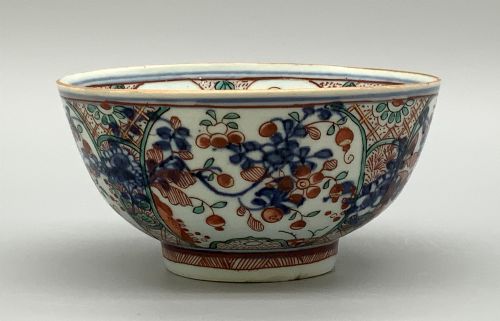
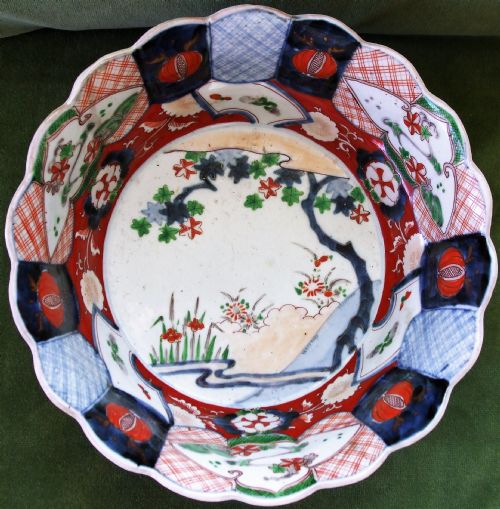
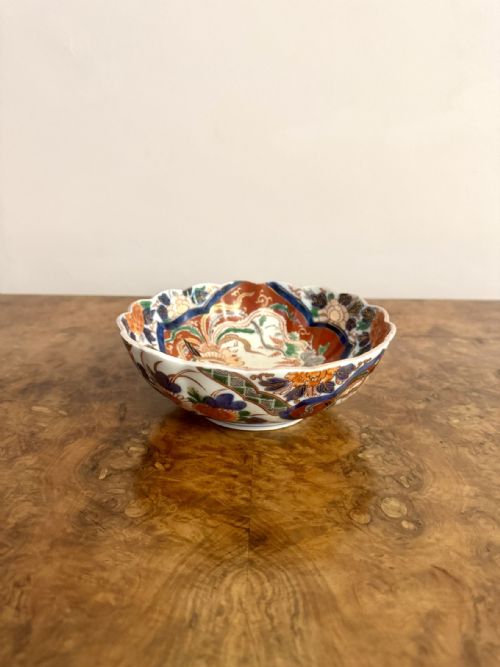
A red porcelain fruit bowl encompasses decorative bowls, comports, and centrepieces originating from periods spanning the eighteenth century through to the early twentieth century. When searching for a red porcelain fruit bowl, buyers encounter various forms including scallop-edged vessels, footed comports, and fluted bowls. Japanese Imari examples dominate the selection, bringing vibrant red and iron red accents together with porcelain and glaze.
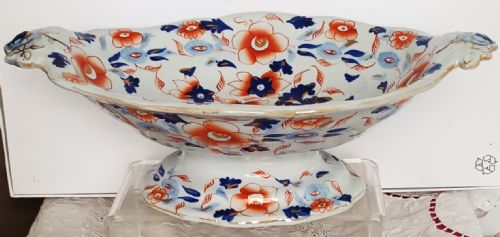
The assortment also includes English ironstone china following Japan patterns, alongside Italian majolica and earthenware centrepiece jardiniere planters. Pieces date from the Kangxi period and the Meiji period through to Edwardian and later twentieth century interpretations. Each red porcelain fruit bowl serves both decorative and functional roles as a table centrepiece.
What varies in quality
Quality rests upon the crispness of the painted enamel and the richness of the glaze application. Hand-painted red and gilt details show varying levels of precision and artistic control across different periods.
The form itself dictates distinction, with scalloped edges, fluting, and footed bases requiring greater skill in the shaping and firing stages.
Red Porcelain Fruit Bowl Retail Price Guide 2026
Typical asking prices for red porcelain fruit bowl among the pieces listed under this phrase on Sellingantiques today, from the lower quarter to the upper quarter. They describe what is for sale here now, not the wider market.
Some bowls wear their age with subtle kiln scars, tiny reminders of the ancient fires that set their red glazes forever.
The Red Porcelain Fruit Bowl Glossary
- Imari
- A style of Japanese porcelain decorated in underglaze blue, iron red, and gold, highly popular across export markets. The palette relies heavily on distinct shades of red.
- Comport
- A raised dish or bowl used for serving fruit or sweets at the table. These footed vessels elevate the display above the surface.
- Ironstone
- A type of heavy, durable ceramic developed in Britain as a robust alternative to porcelain. It often carried Japanese-inspired patterns.
- Flambé
- A rich, variegated glaze effect achieved through reduction firing, producing streaks of red and purple. This technique creates a mottled, glossy finish.
Red Porcelain Fruit Bowl: Frequently Asked Questions
How do I style a fruit bowl?
Place the bowl in the centre of a dining table or sideboard where its red tones can anchor the room. It functions well empty to display the painted interior or filled with fresh fruit.
Ensure the vessel sits on a stable surface away from heavy foot traffic to protect delicate porcelain and glazed edges.
What is Japanese Imari?
Japanese Imari is a traditional style of porcelain produced in Arita and exported widely from the port of Imari. It is characterised by a distinct colour palette featuring iron red, cobalt blue, and gilt highlights.
These pieces often display intricate floral and brocade patterns across scalloped or fluted surfaces.
How do I clean antique porcelain?
Wash porcelain gently by hand in lukewarm water using a mild, non-abrasive detergent. Avoid soaking pieces with gilt or gold leaf highlights, as moisture can damage delicate metallic details over time.
Dry the bowl thoroughly with a soft cloth before returning it to display.
How do I date these bowls?
Dating relies on stylistic markers, materials such as ironstone versus true porcelain, and the characteristics of the glaze and enamel. Edo and Meiji period pieces show specific brushwork and firing traits unique to their eras.
Comparing the form and decorative motifs to documented examples helps narrow down the period of manufacture.