






Antique Silver Rim Dish
An antique silver rim dish brings together lustrous metal and contrasting bodies like crystal or ceramic to serve fruit, sweets or condiments with elegance.
Antique Silver Rim Dish
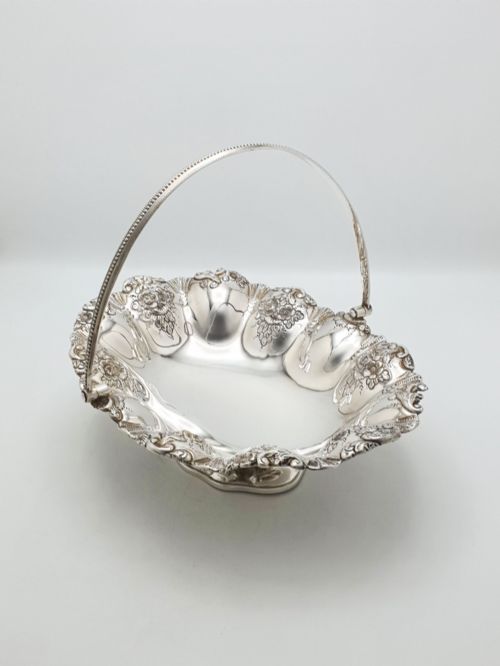
When you search for an antique silver rim dish, you encounter vessels designed for presentation and table service spanning the eighteenth, nineteenth and early twentieth centuries. The selection encompasses diverse forms such as fruit baskets, bonbon dishes, trinket dishes and chargers.
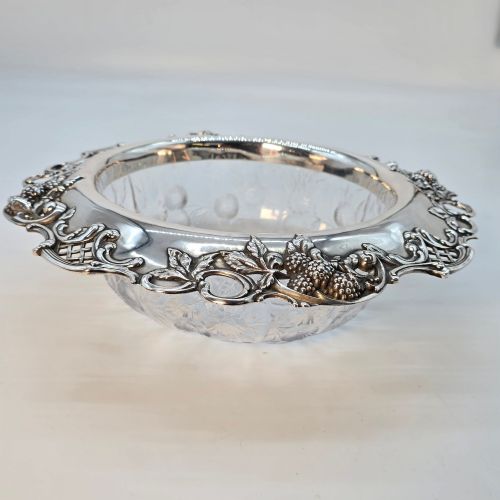
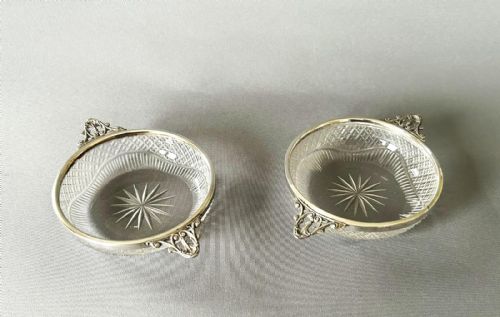
The most common examples on this page pair glass bodies - ranging from cut crystal to vaseline glass - with mounted silver or silver plated borders. These pieces reflect Victorian, Edwardian and Art Deco tastes, often incorporating repoussé work or floral motifs along the edge.
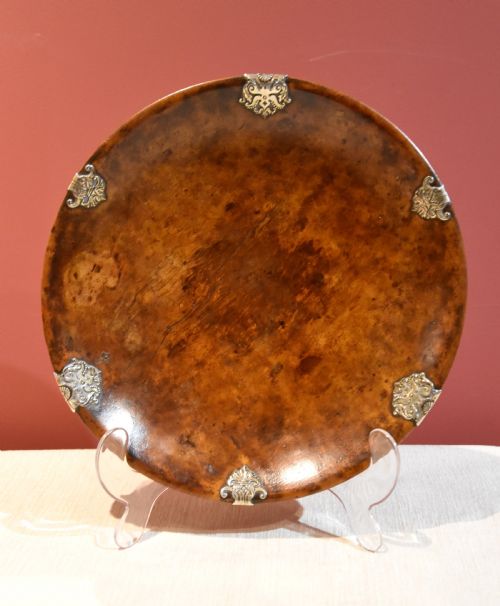
Beyond glass, these items appear with ceramic, stoneware, pewter, oak and burr walnut foundations. Makers combined these materials to create serving pieces that functioned as both practical tableware and decorative centrepieces for the dining room.
Materials and construction methods
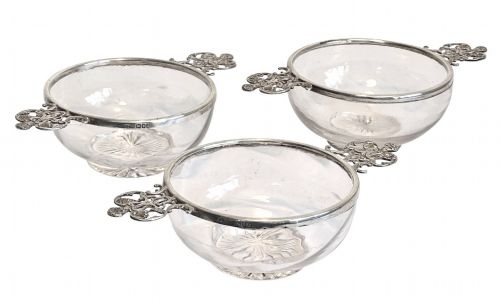
The fabrication of these pieces relies on combining metals with fragile mediums like glass, ceramic and porcelain. Silversmiths mounted sterling silver or silver plate rims directly onto blown glass bowls, crystal dishes and stoneware bodies, securing the metal edge to protect the brittle material beneath.
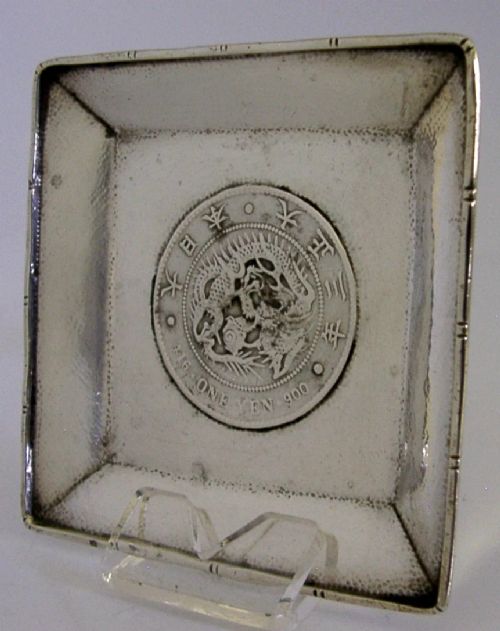
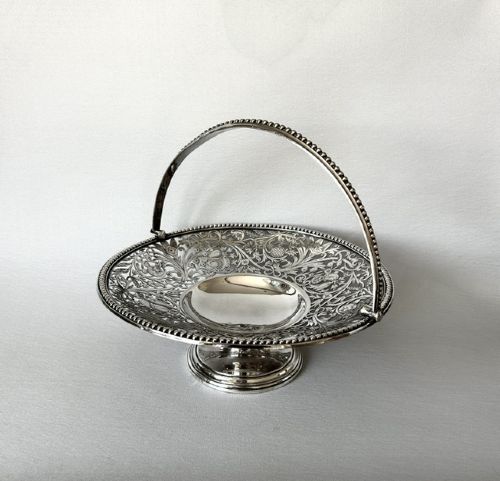
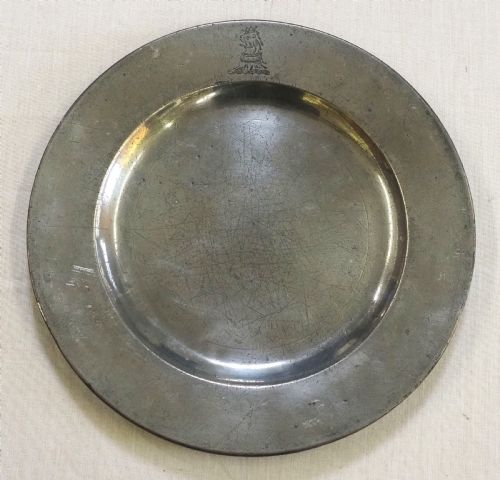
Metalworking techniques visible in the evidence include hand hammering on pewter chargers, detailed repoussé work on Edwardian baskets, and piercing on Victorian fruit baskets. Enamel additions, gilt highlights and coin insertions further demonstrate the varied craftsmanship employed across different workshops.
The listings span from seventeenth century pewter chargers to 1930s Art Deco cut glass, uniting silver, ceramics, wood and vaseline glass.
Factors determining quality
The distinction between standard tablewares and finer items rests upon the weight of the metal and the precision of the mounting. Superior examples exhibit substantial gauge silver or heavy silver plating that fits the glass or ceramic body securely without movement.
Artistry in the rim decoration also dictates the grade of a piece. Crisp hand-chased floral repoussé, balanced piercing, and the inclusion of high-clarity cut glass or specialised ceramic bodies separate workshop-produced items from mass-manufactured alternatives.
Tiffany & Co.·William Comyns·WMF·Doulton Burslem·Doulton Lambeth·Thomas Prime·S. Kirk & Son Company
The Antique Silver Rim Dish Glossary
- Repoussé
- Metalworking technique where the design is hammered into relief from the reverse side. This creates raised ornamental patterns such as flowers and scrolls along the rim of a dish.
- Silver Plate
- A base metal, such as copper or nickel brass, coated with a thin layer of silver. This process allowed makers to offer ornate tableware at a lower cost than solid sterling.
- Vaseline Glass
- Pressed or blown glass containing uranium dioxide, producing a distinctive yellow-green colour that glows under ultraviolet light. It frequently appears paired with silver plated mounts in Art Nouveau designs.
- Charger
- A large decorative plate or dish used historically for ceremonial dining or placed beneath other courses. Pewter and ceramic examples often feature plain or reeded rims.
- EPNS
- Electroplated Nickel Silver, a common base metal alloy used for silver plated wares from the mid-nineteenth century onward. It provided a durable and uniform foundation for plating.
Antique Silver Rim Dish: Frequently Asked Questions
What were silver rim dishes used for?
These vessels served various functions on the dining table, ranging from holding fruit and bonbons to serving caviar and preserves. Deeper bowls accommodated salads or sugar, while smaller dishes held trinkets or calling cards.
The combination of a durable rim and a delicate body allowed hosts to present perishable foods safely while adding reflective brightness to the table arrangement.
How do I date an antique silver rim dish?
Dating relies on a combination of hallmarks, stylistic cues and material types. Sterling silver pieces often carry date letters and maker's marks that pinpoint the exact year of assay.
Items made of silver plate or combined with materials like vaseline glass require stylistic analysis, looking at the distinct curves of Art Nouveau or the geometric lines of Art Deco to place the piece within a specific decade.
How should I clean a silver rim dish?
Care depends on whether the rim is sterling silver or silver plate, and what material forms the body of the dish. Gentle cleaning with a specialised silver cloth avoids abrading the metal or transferring polish onto glass and ceramic surfaces.
Submerging mounted items in liquid polish should be avoided, as moisture can seep beneath the silver rim and damage adhesives or underlying organic materials like wood.
How do I tell sterling silver from silver plate?
Sterling silver items intended for the British market generally feature a set of hallmarks indicating the standard, assay office and date. American pieces like those by Tiffany or Kirk are typically stamped with the word sterling.
Silver plate items lack these official assay marks and instead display manufacturer abbreviations such as EPNS, indicating an electroplated finish over a base metal.