

Red Ceramic Bowl
A red ceramic bowl brings together centuries of skilled pigment work, rich glaze applications and enduring decorative traditions from Asian and European kilns.
Red Ceramic Bowl
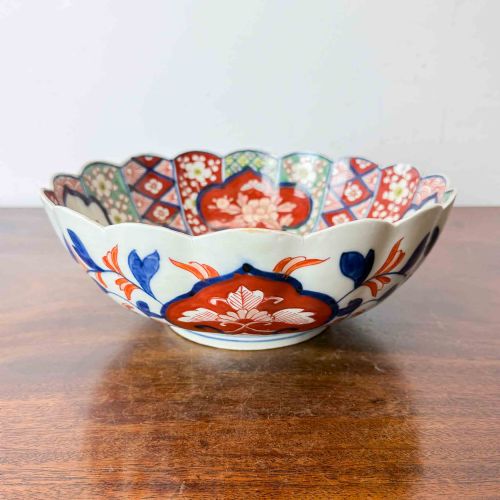
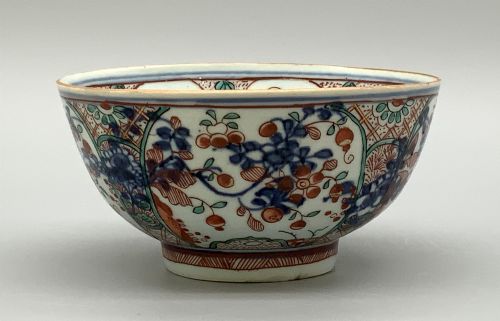
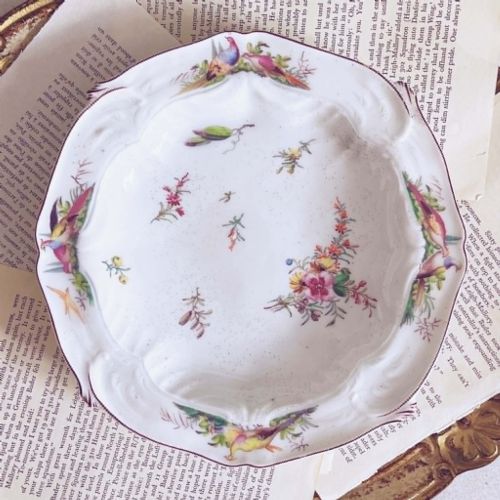
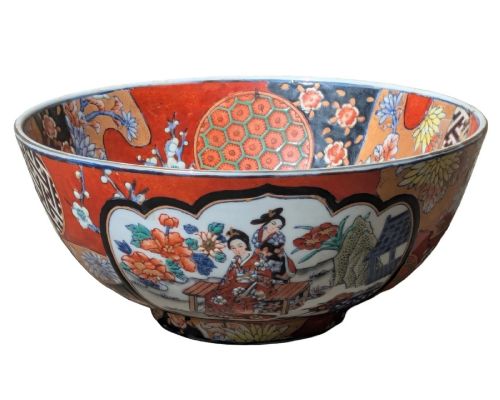
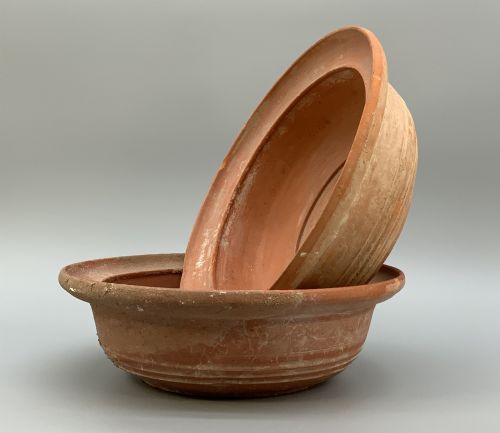
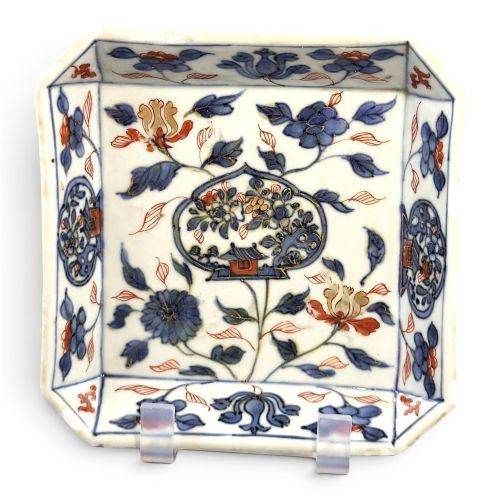
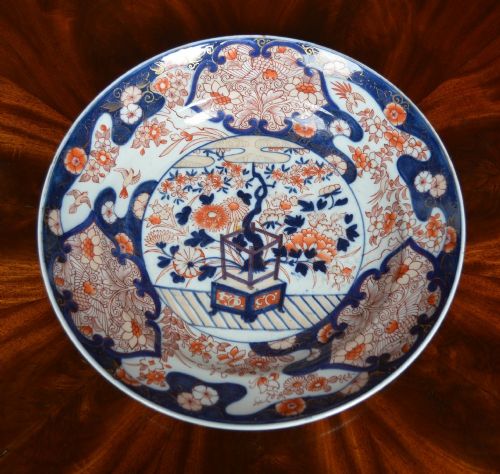
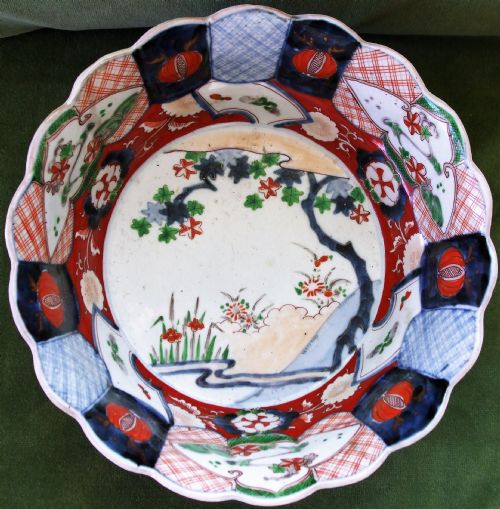
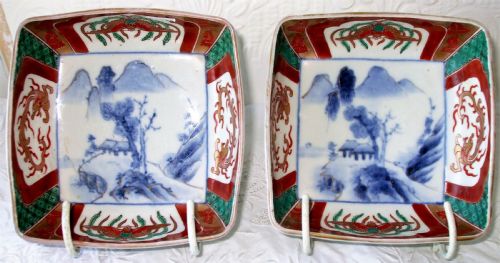
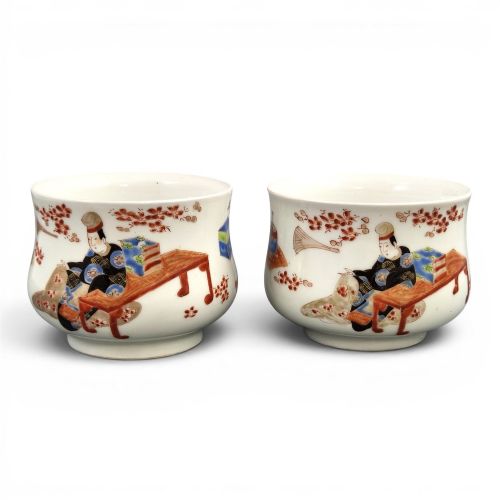
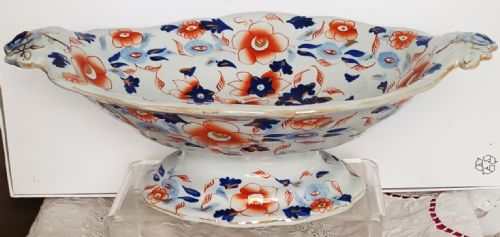
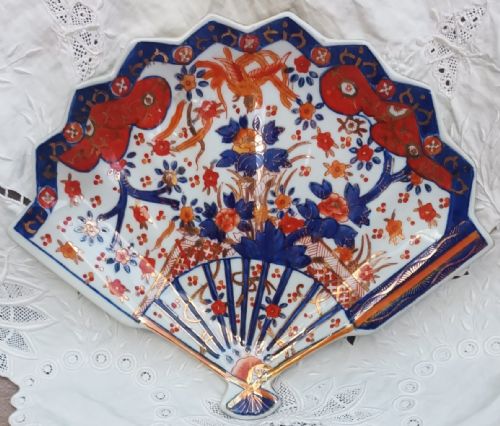
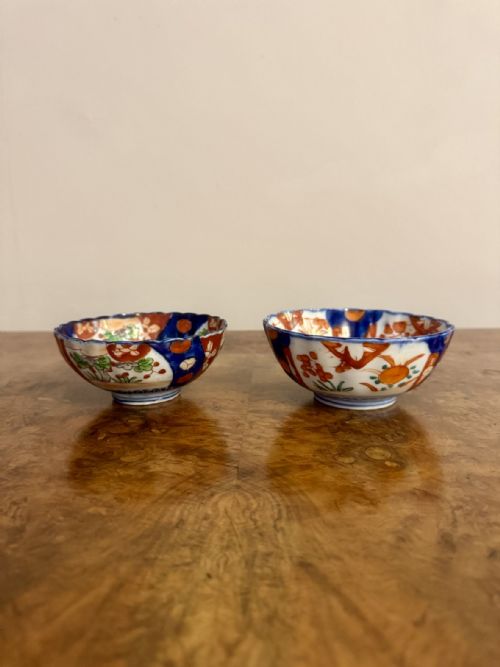
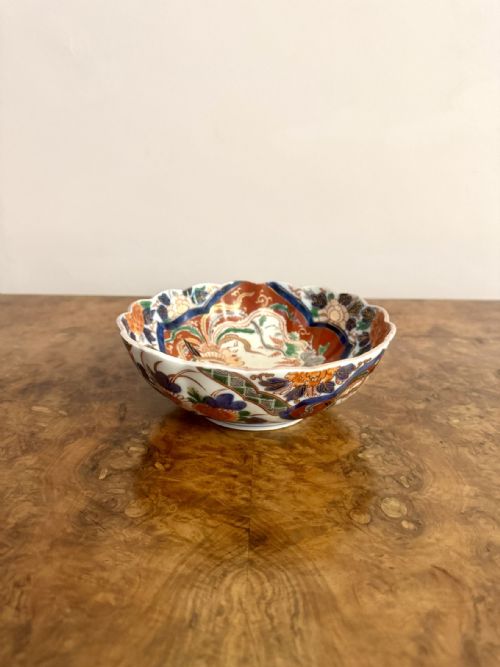
A red ceramic bowl encompasses diverse regional expressions, ranging from early earthenware basins to refined porcelain and ironstone vessels. When searching for a red ceramic bowl, buyers frequently encounter Japanese Imari wares, Chinese export porcelain, and English ironstone pieces featuring characteristic red pigments and iron-red glazes.
The selection spans numerous periods, with particular emphasis on the nineteenth century, the Meiji period, and earlier eighteenth-century examples. Forms include scalloped serving vessels, deep bowls, comports, and smaller decorative dishes showing traditional motifs.
These vessels reflect global trade and aesthetic exchanges, particularly the influence of Japanese and Chinese design on Western pottery production during the Georgian and Victorian eras.
Materials and production
Makers shaped these vessels from ceramic pastes, earthenware, and porcelain before applying mineral glazes and enamel colours. Iron-red pigments, often combined with gilding and gold leaf, provided the distinctive coloration seen across many Asian and European examples.
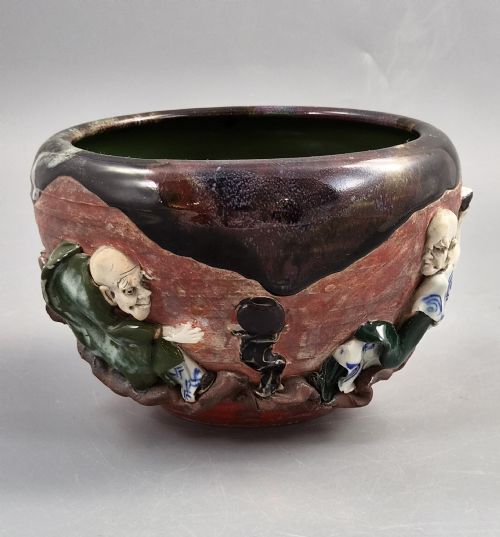
Firing techniques in traditional kilns determined the durability and finish of the glaze, while handpainted polychrome details and moulded relief elements added texture and depth to the surface.
The listings combine Japanese export wares from the Meiji period with English ironstone and Chinese Qing dynasty porcelain.
Evaluating quality and execution
Quality rests primarily in the precision of the handpainted details, the clarity of the enamel pigments, and the crispness of moulded or scalloped edges. Superior pieces demonstrate disciplined brushwork and harmonious integration of iron-red tones with contrasting blue or gilt highlights.
The sophistication of the potting and the stability of the glaze during firing distinguish masterwork vessels from standard production pieces, rewarding close examination of the interior and exterior surfaces.
Inoue Ryōsai·Kōko·Royal Davenport·Royal Worcester
The Red Ceramic Bowl Glossary
- Imari
- A style of Japanese porcelain decorated in underglaze blue, iron-red, and gold. This palette became immensely popular across Europe during the seventeenth and eighteenth centuries.
- Ironstone
- A type of durable earthenware developed in nineteenth-century England. It provided a sturdy alternative to porcelain for heavy-use household ceramics.
- Enamel
- Opaque glass-like material fused to ceramic surfaces through firing. It allowed makers to introduce vibrant reds and other polychrome hues over the glaze.
- Comport
- A decorative footed dish or bowl raised above the table surface. These pieces were typically used for serving fruit or as centrepieces.
- Polychrome
- Decoration utilising multiple colours. Ceramic artists applied these pigments by hand to create pictorial scenes and intricate floral borders.
Red Ceramic Bowl: Frequently Asked Questions
How are red ceramic bowls cleaned safely?
Wash these vessels by hand in warm water using a mild, non-abrasive detergent. Avoid soaking pieces with delicate overglaze enamel or gold leaf decoration.
Dry them immediately with a soft cloth to protect the antique surface from moisture damage.
Can these antique bowls be used for food?
Many historical vessels contain lead or other metallic colorants in their glazes that are unsuitable for modern consumption. It is safest to use them for display rather than dining.
Displaying them on stands or within cabinets also prevents accidental chipping of fragile rims.
What defines the Imari style?
Imari ceramics originate from Japan and are characterised by a distinctive palette of cobalt blue, iron-red, and supplementary gold leaf. The designs often incorporate dense floral patterns and brocade motifs.
Exported widely to Europe, this aesthetic influenced many domestic pottery factories during the eighteenth and nineteenth centuries.
How do I distinguish earthenware from porcelain?
Porcelain is vitrified at high temperatures, making it hard, dense, and often translucent when held to the light. Earthenware is more porous and opaque, requiring an impermeable glaze to hold liquids.
Examining the unglazed foot ring usually reveals the underlying ceramic body.