



Antique Porcelain Dinnerware
Antique porcelain dinnerware brings history to the table with pieces that transform everyday dining into a formal ritual.
What antique porcelain dinnerware is
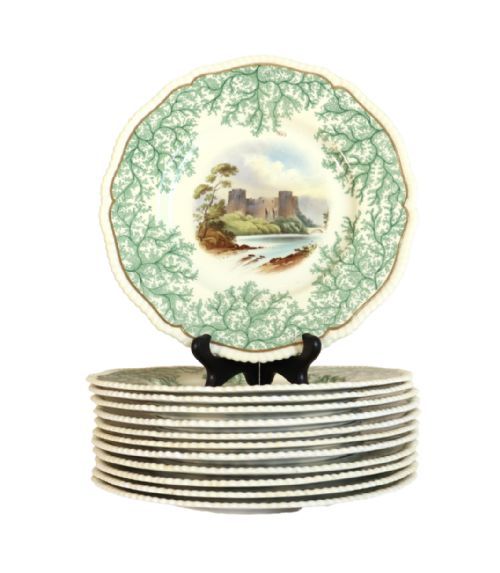
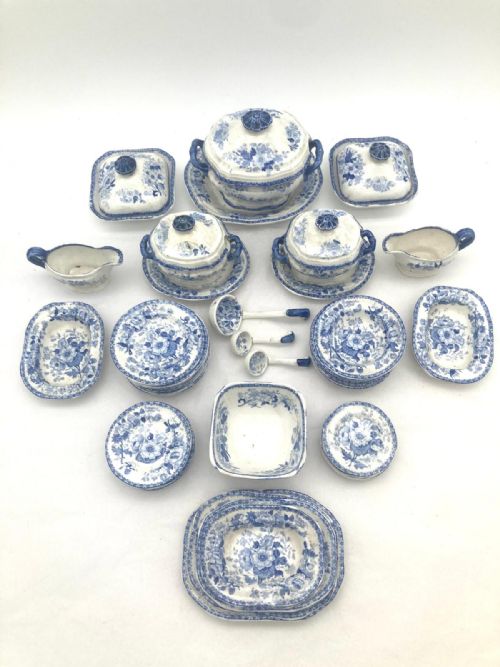
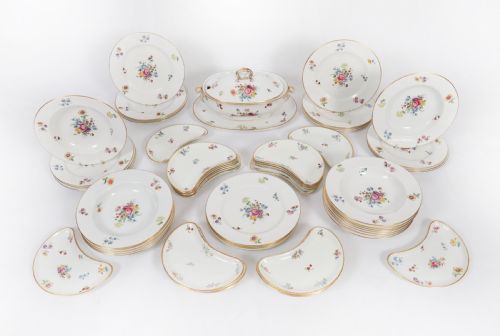
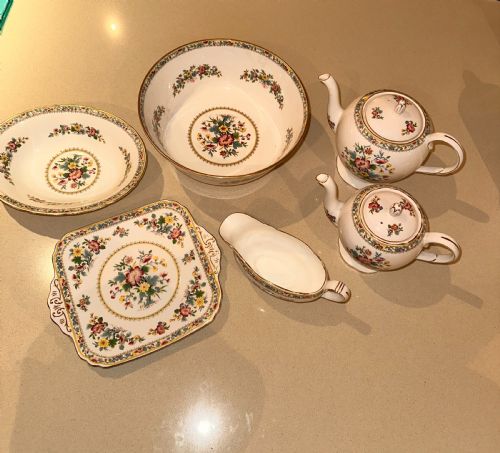
When buyers search for antique porcelain dinnerware, they seek historic table services and decorative plates spanning Georgian, Regency, and Victorian eras. These items range from large dinner services to individual cabinet plates and soup bowls.
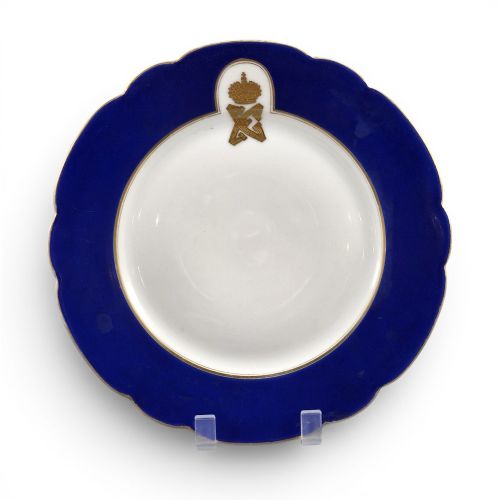
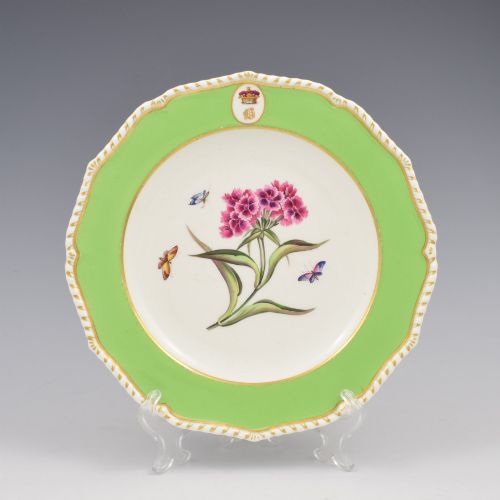
The pieces encountered most frequently include Victorian services and plates from renowned makers, alongside earlier Georgian and Regency examples. Forms vary from complete sets to specialised soup bowls and armorial cabinet plates.
How they were made
The listings record porcelain, soft-paste porcelain, and ironstone as primary materials, shaped into plates, bowls, and dinnerware sets. These ceramic bodies provide the structural foundation for intricate decorative schemes.
Makers applied enamel, gold leaf, and specialised glaze to ornament the surfaces. Techniques such as pate-sur-pate add raised white slip decoration over coloured grounds.
Retail Price Guide 2026
Typical UK retail prices for porcelain dinnerware, calculated from the Sellingantiques database of over a million retail prices indexed since 2003. This retail price guide relies exclusively on Sellingantiques data; no external sources or auction records are used, so the figures do not describe the wider market.
Aviation-minded collectors will appreciate that Flight, Barr and Barr once supplied high-society tables before their kilns went quiet.
What varies in quality
Superior quality rests in the precision of hand-painted enamel and the delicate application of gold leaf. Pieces decorated by named artists or produced by distinguished factories command greater interest.
The refinement of the ceramic body and the complexity of styles, from simple Georgian forms to elaborate Victorian Neoclassical and Imari designs, separate standard production from exceptional artistry.
Flight Barr and Barr·Samuel Astles·Masons·Mintons
The Antique Porcelain Dinnerware Glossary
- Porcelain
- A white vitrified ceramic of high translucency, fired at high temperatures to achieve a dense body. It serves as the primary canvas for historic dinner services.
- Soft-Paste Porcelain
- An artificial porcelain composition fired at lower temperatures than hard-paste, common in earlier English wares. It offers a warm texture beneath the glaze.
- Ironstone
- A durable heavy earthenware developed in the nineteenth century to withstand robust daily use. It mimics the appearance of porcelain while offering increased strength.
- Pate-sur-pate
- A ceramic decoration technique where successive layers of liquid white clay are built up on a coloured body. This creates a low-relief cameo effect.
- Armorial
- A design featuring a family coat of arms or heraldic crest hand-painted onto the surface. Such custom dinnerware was commissioned by prominent households.
Frequently Asked Questions
Can I use antique dinnerware for daily meals?
Historic plates and services contain delicate ceramic bodies and historic glazes that require careful hand washing. Daily use increases the risk of scratching hand-applied enamel and gold leaf.
Most collectors reserve these pieces for special occasions or display them as cabinet plates to preserve their condition.
How do I identify Georgian porcelain plates?
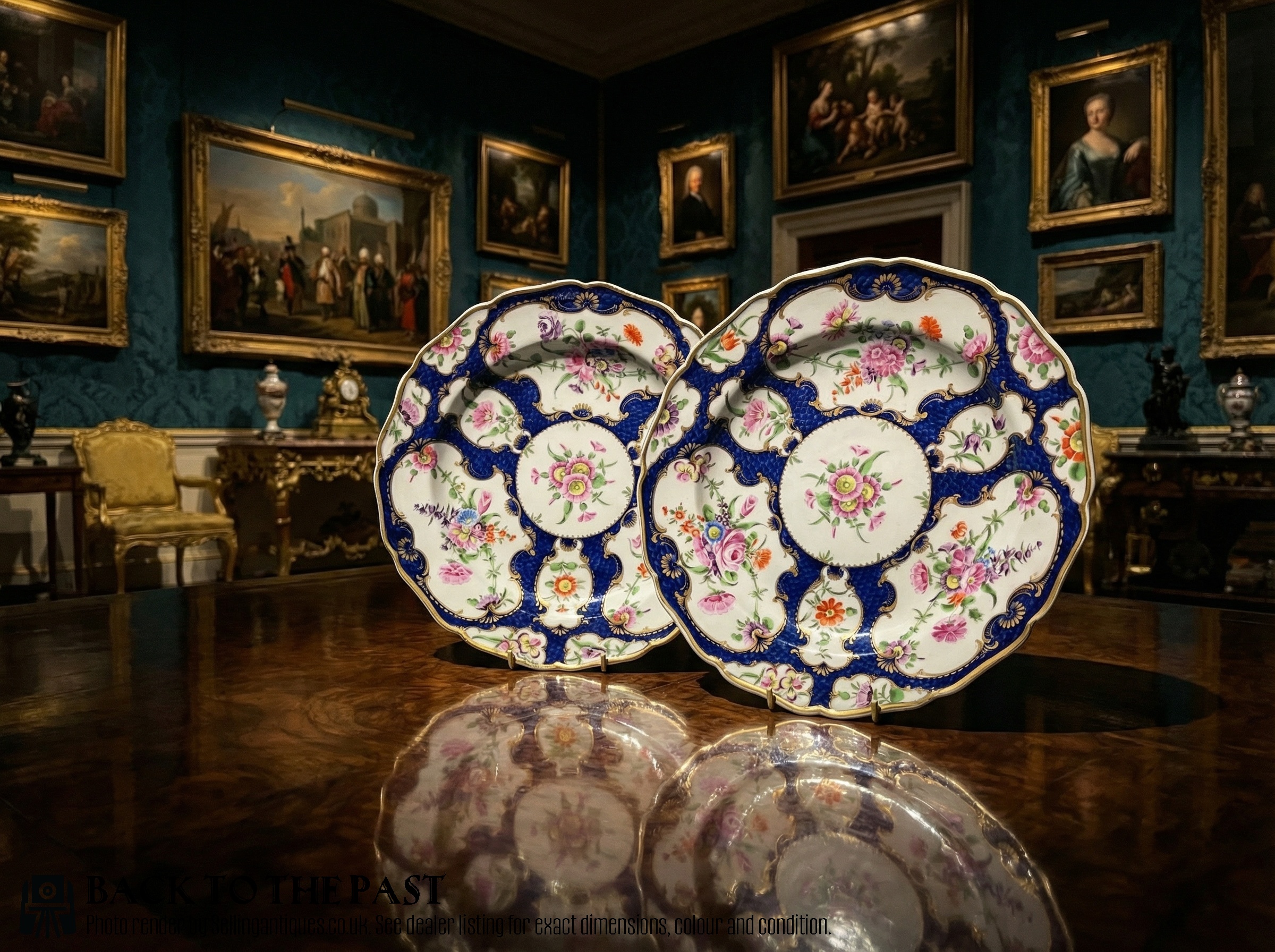
Georgian pieces display the refined aesthetic of the late eighteenth and early nineteenth centuries, often featuring hand-painted botanical or blue scale motifs. The ceramic bodies tend to show the softer characteristics typical of early English manufacture.
Examining the foot rim and underside often reveals unglazed areas or historic kiln marks characteristic of the period.
What is ironstone dinnerware?
Ironstone is a robust ceramic material patented in the nineteenth century to provide a durable alternative to imported Chinese porcelain. It combines earthenware properties with exceptional strength for heavy service use.
Plates and bowls in this material often feature thick glazes and bold moulded or transfer-printed decoration.
How should I display cabinet plates?
Cabinet plates are best exhibited using specialised wall hangers or secure plate stands designed to support the ceramic weight safely. Positioning them away from direct sunlight protects enamel colours and gold leaf from fading.
Rotating displayed pieces prevents uneven exposure to light and atmospheric dust.