




Pate Sur Pate Ceramic
Pate sur pate ceramic pieces bring layered relief porcelain figures into your home with remarkable sculptural depth.
Pate Sur Pate Ceramic
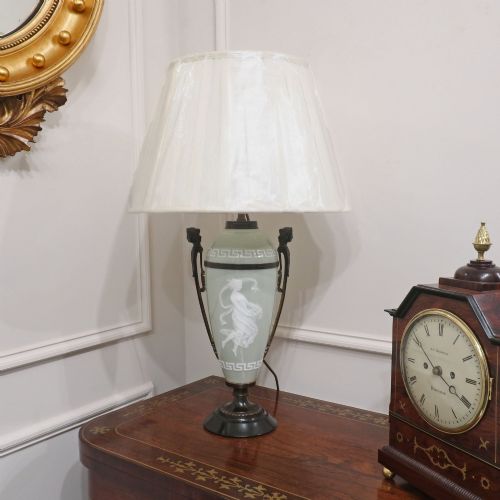
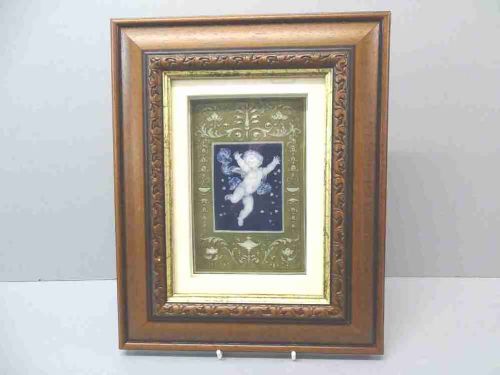
When you search for pate sur pate ceramic, you encounter delicate porcelain plaques, vases, cabinet plates, and table lamps decorated with raised slip designs. These pieces span the Victorian and Art Nouveau periods, frequently showing French Neoclassical influences or origins.
You are most likely to meet Victorian and late nineteenth century examples, particularly vases and decorative wall plaques. English potteries like Minton dominate the selection alongside continental works mounted in gilt bronze or framed in wood.
The form encompasses both functional vessels and purely decorative wall art, allowing collectors to choose between cabinet plates, table lamps, and framed tondos. Each piece relies on the characteristic build-up of white or tinted relief against a contrasting ground.
Materials and construction
The technique relies on building successive layers of liquid porcelain clay, known as slip, onto an unglazed or coloured porcelain body. Artisans apply the slip with a brush or syringe, building up sculptural relief layer by layer until the desired form emerges.
Finished surfaces often incorporate additional embellishments such as gold leaf, enamel, and gilt bronze mounts. These metallic and enamel accents complement the porcelain body, particularly in French neoclassical table lamps and Victorian cabinet pieces.
Listings feature works created across five decades, stretching from eighteen seventy through to nineteen ten.
Judging the work
Quality rests entirely on the precision and fineness of the layered slip relief. Superior pieces display anatomical accuracy and subtle gradations of translucency in the figures, whereas simpler works exhibit heavier, less refined layering.
The sophistication of the surrounding mountings and framing also distinguishes finer items. Pieces featuring detailed gilt bronze mounts or finely painted enamel highlights demonstrate a higher level of workshop ambition than standard porcelain bodies alone.
Minton·Grainger's Worcester·Mintons·Birks·Dresden
The Pate Sur Pate Ceramic Glossary
- Pâte-sur-pâte
- Paste on paste in French, this describes the ceramic decorating technique where successive layers of liquid porcelain slip build a low relief design on a contrasting clay ground. The method allows for semi-translucent details that resemble cameo glass.
- Slip
- A liquefied suspension of clay and water used for both decorating and joining ceramics. In pate sur pate work, it serves as the primary medium for building sculptural relief.
- Tondo
- A circular work of art, typically a painting, relief, or plaque. These round decorative pieces often hang on walls or sit within cabinetry.
- Gilt bronze
- Bronze that has been coated with a thin layer of gold or gold amalgam for durability and appearance. It frequently appears as mounts on late nineteenth century lamps and vases.
- Cabinet plate
- A decorative ceramic plate intended for display in a cabinet or on a wall rather than for dining use. These pieces often feature elaborate painted or relief decoration.
Pate Sur Pate Ceramic: Frequently Asked Questions
What is pate sur pate ceramic?
It is a specialised ceramic decorating method where an artist builds up layers of liquid porcelain slip to create a raised, cameo-like relief design upon a contrasting background. The technique requires immense skill to achieve subtle gradations in the thickness of the slip.
Most examples you encounter date from the Victorian and Art Nouveau eras, appearing on vases, plaques, and plates made by prominent English and European potteries.
How do I display a plaque?
Wall plaques and tondos are typically hung securely using appropriate picture wire or mounted within dedicated frames to protect their delicate edges. They work well in well-lit spaces where directional lighting can catch the subtle translucent relief of the porcelain.
Cabinet pieces and decorative plates sit safely on plate stands inside enclosed display furniture to keep them free from dust and accidental knocks.
How do I date these pieces?
Dating relies heavily on pottery marks stamped or painted on the reverse or base, combined with stylistic indicators such as Victorian aesthetic details or Art Nouveau curves. The materials used, including gilt bronze mounts and fabric elements, also point to specific decades in the nineteenth and early twentieth centuries.
Comparative study of known workshop output helps narrow the creation period to specific decades between eighteen seventy and nineteen ten.
How were these items used?
These decorative objects served primarily as visual art and status symbols in nineteenth-century drawing rooms and parlours. Table lamps and vases provided functional utility combined with high artistic display.
Plates and plaques were collected specifically for cabinet display or wall ornamentation, showcasing the technical mastery of the potteries that produced them.