




Victorian Pate Sur Pate Porcelain
Victorian pate sur pate porcelain pieces combine layered slip decoration with fine ceramic bodies to create striking relief work.
Victorian Pate Sur Pate Porcelain
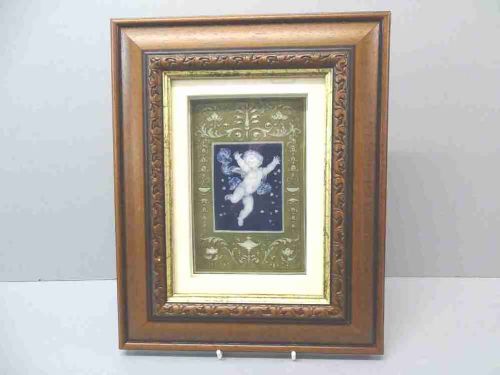
Victorian pate sur pate porcelain consists of decorative objects featuring raised, cameo-like designs built up through successive layers of liquid ceramic slip. The pieces span from the 1870s into the early twentieth century, showing influences from Victorian Neoclassical, Art Nouveau, and Classical Revival styles.
Vases, cabinet plates, tondos, wall plaques, and oil lamps form the primary objects available in this category. Works by Minton dominate the selection, alongside items originating from Dresden, Grainger's Worcester, and Birks.
Surviving examples range from single cabinet plates and decorative tondos to matched pairs of vases and gilt brass mounted oil lamps. These items highlight the intricate relief work characteristic of late nineteenth century ceramic artistry.
Materials and construction methods
Makers utilised fine porcelain bodies as the foundation, applying liquid ceramic slip layer by layer to build translucent white or tinted reliefs against a contrasting background. Artisans then meticulously carved and detailed the dried slip before firing the piece.
Many objects incorporate additional decorative elements such as gold leaf, enamel highlights, and gilt or gilt brass mounts. Some pieces also feature wood and fabric components, particularly in the construction of lamps and framed wall art.
Listings in this category span the decades from 1870 to 1910, encompassing vases, plaques, plates, and lamps decorated with enamel and gold leaf.
Assessing quality in relief ceramics
The precision and depth of the layered slip define the visual success of each piece, distinguishing flat applications from finely sculpted reliefs with subtle translucency. Finer examples display meticulous control over the thickness of the slip to create convincing shading and anatomical detail.
The integration of supplementary materials, such as gilding, enamel work, and metal mounts, influences the overall character of the object. Pieces that retain crisp details across both the ceramic body and the applied decoration represent the higher tier of production.
Minton·Grainger's Worcester·Birks
The Victorian Pate Sur Pate Porcelain Glossary
- Pate-sur-pate
- A French term meaning paste on paste, describing a ceramic decoration technique where successive layers of liquid slip are applied to form a low relief design. This method allows skilled artists to achieve translucent gradations resembling carved cameos.
- Slip
- A liquid suspension of clay and water used for decoration or casting. In pate sur pate work, it serves as the primary medium for building up the raised design.
- Tondo
- A circular work of art, typically a painting or relief plaque. These pieces often feature central figural subjects rendered in slip against a dark porcelain ground.
- Gilt brass
- A base metal alloy treated with a gold wash or thin gold leaf coating. This material frequently appears in the mounts, bases, and structural fittings of lamps and decorative vessels.
- Cabinet plate
- A decorative ceramic plate intended for display rather than dining. These items often showcase elaborate hand-painted or slip-raised scenes.
Victorian Pate Sur Pate Porcelain: Frequently Asked Questions
What is pate sur pate porcelain?
Pate sur pate is a ceramic decoration method where an artist builds up a relief design using layers of liquid porcelain slip. This technique creates cameo-like figures that often show subtle translucency against a contrasting background.
Works utilising this method appeared prominently during the Victorian period, particularly through factories such as Minton and Worcester.
How were these porcelain pieces used?
Most items served decorative functions in Victorian interiors, displayed on tables, in cabinets, or mounted on walls as plaques. Some pieces combined art with utility, functioning as oil lamps or serving vessels.
Their intricate relief work and gilding made them statement pieces for middle and upper class homes.
How do I identify different styles?
Victorian pate sur pate encompasses several aesthetic movements, ranging from Classical Revival figures to flowing Art Nouveau motifs. Examining the surrounding ornamentation and border designs helps determine the specific artistic influence.
Objects from the 1870s often lean toward classical subjects, while pieces nearing 1900 incorporate more organic, sinuous lines.
How should I care for them?
These ceramic items require gentle dusting with a soft, dry cloth to protect the raised slip decoration and any applied gilding. Avoid using liquid cleaners or abrasive materials that might damage the delicate surface layers.
Items featuring metal mounts or fabric elements should be kept away from excessive moisture and direct sunlight.