


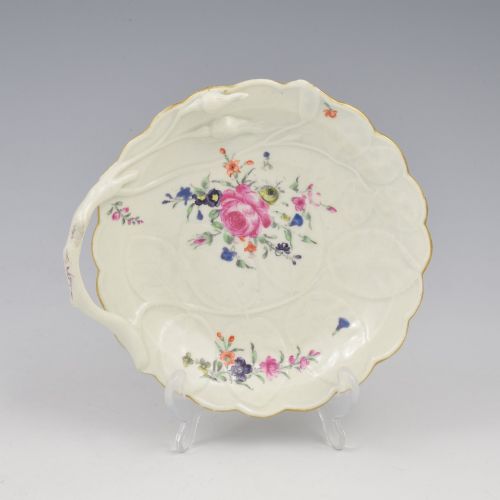

Antique Floral Dish
An antique floral dish brings hand-painted petals and botanical motifs to a table, spanning centuries of porcelain, pottery, and silver craftsmanship.
Antique Floral Dish
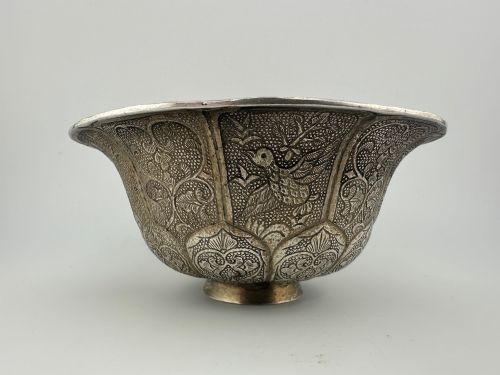
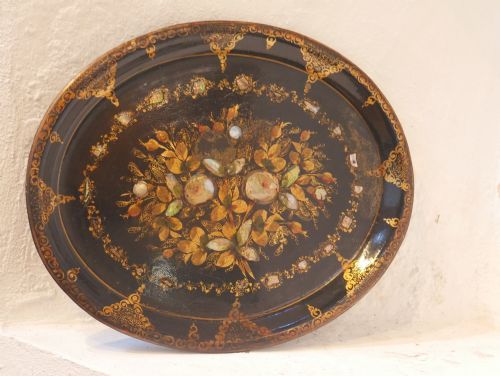
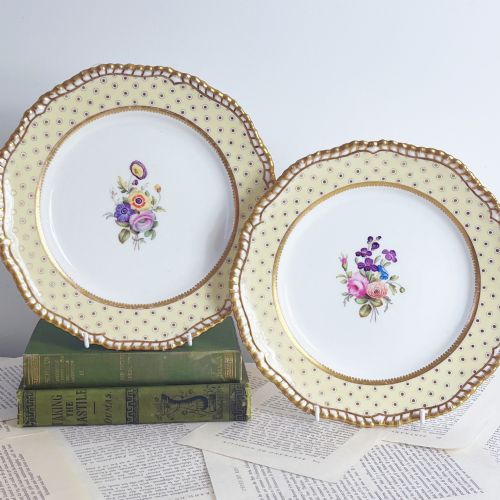
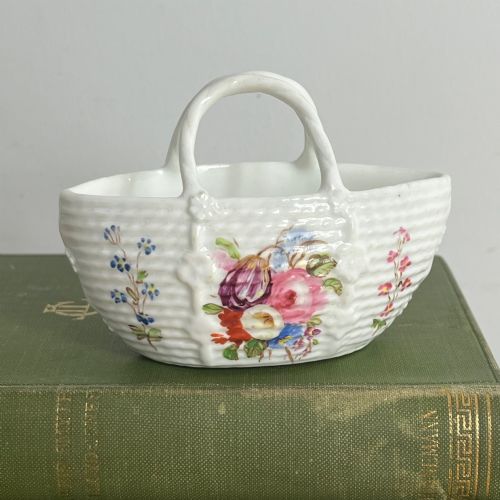
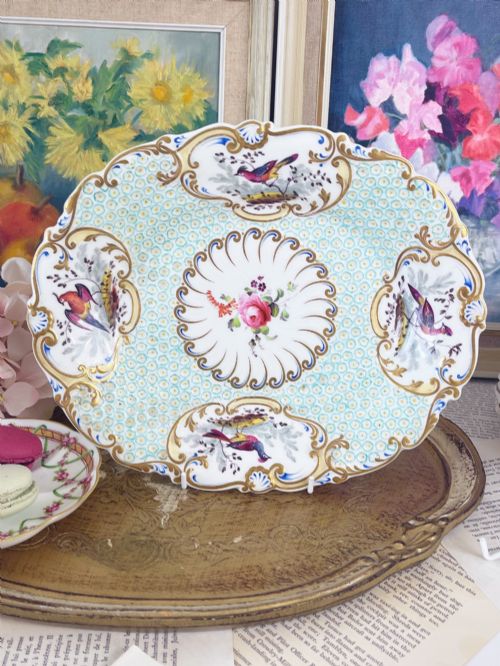
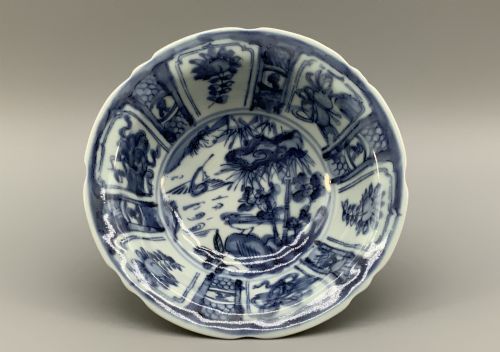
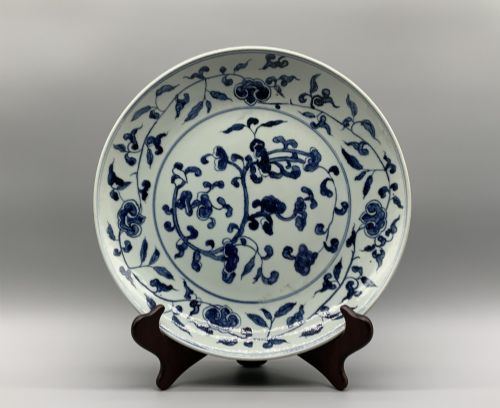
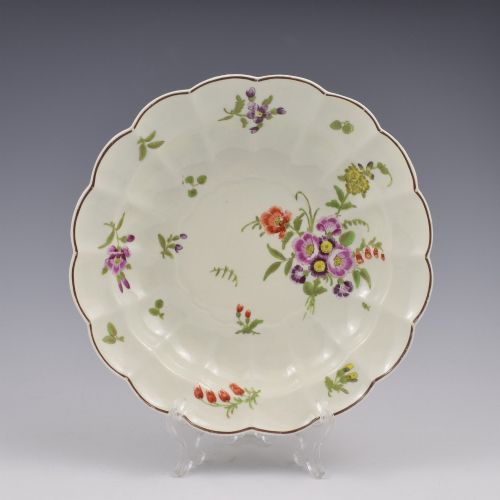
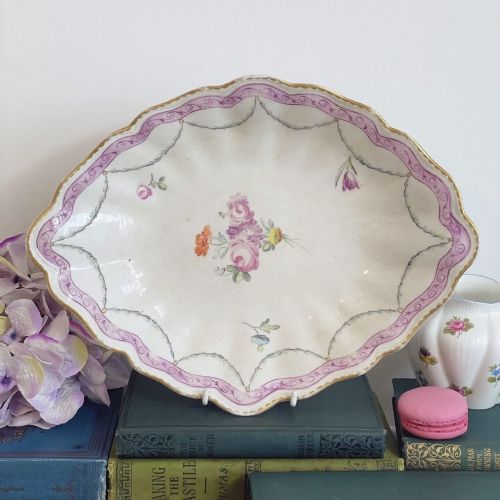
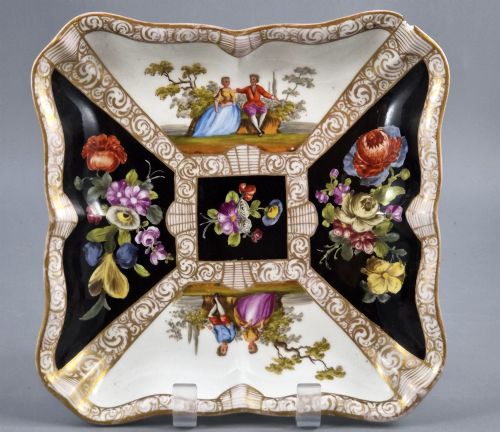
When searching for an antique floral dish, collectors encounter a diverse range of forms including decorative plates, serving dishes, chargers, and bowls. These items originate from various periods, notably the eighteenth and nineteenth centuries, spanning English, European, and Asian traditions.
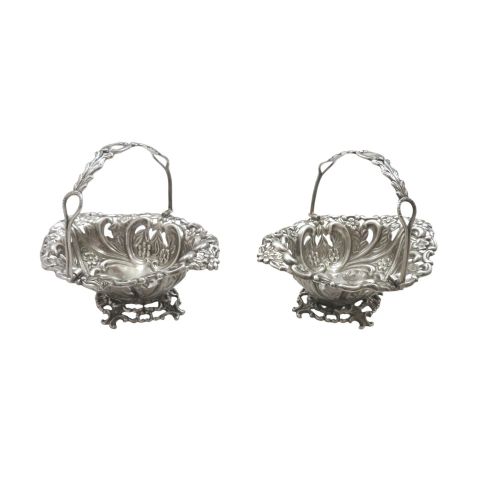
The most common versions met on this page include porcelain and pottery wares painted with botanical subjects, alongside silver and enamel pieces featuring chased or enamelled flower designs. Makers from historic English factories, continental kilns, and Japanese workshops produced these items for domestic display and dining.
How they were made
Potters and ceramists shaped porcelain, earthenware, and ironstone before applying hand-painted or transfer-printed floral motifs, often enhanced with gold leaf, gilt, or coloured glaze and fired in kilns. Enamel-on-copper and glass items utilised specialised fusing techniques to bond vibrant pigments to the substrate.
Silversmiths constructed metal dishes using sterling silver and silver plate, employing chasing and engraving methods to delineate floral patterns and botanical borders.
Listings feature items spanning the 18th century through to the Edwardian period, utilising porcelain, earthenware, silver, and enamel.
What varies in quality
Quality in these pieces depends on the fineness of the painting, the precision of the modelling, and the clarity of the glaze or metalwork. Pieces decorated by hand with meticulous botanical detail and well-preserved gilding stand apart from standard production items.
The reputation of the manufactory or silversmith also influences the standing of a piece, with recognised names from Worcester, Derby, and Meissen commanding particular attention for their artistic execution.
Spode·Flight Barr And Barr·H And R Daniel·Derby·Meissen·Chamberlains Worcester·Sèvres·John Rogers And Son·Edmé Samson And Cie·William Comyns·Thomas Bishton
The Antique Floral Dish Glossary
- Charger
- A large decorative plate or dish, typically used for presentation rather than dining. These substantial pieces often feature elaborate painted or printed floral scenes.
- Imari
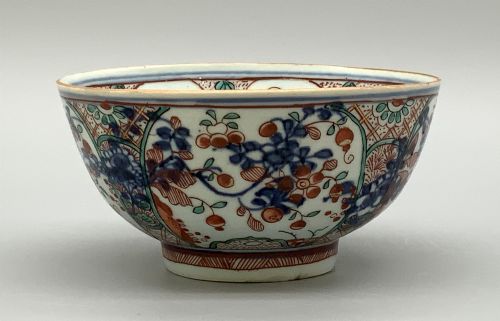
- A style of Japanese porcelain characterised by a palette of underglaze blue, iron red, and gilt. Motifs frequently include flowers and natural landscapes.
- Soft-Paste Porcelain
- An early ceramic composition made from a mixture of clay and glass frit, fired at lower temperatures than hard-paste. It possesses a warm, slightly creamy appearance.
- Transferware
- Pottery or porcelain decorated by applying a printed design from an engraved copper plate onto the ceramic surface. This technique allowed for consistent reproduction of floral and scenic patterns.
- Chasing
- A metalsmithing technique where a design is hammered into the front surface of silver or metal without removing material. It creates raised floral and decorative reliefs.
Antique Floral Dish: Frequently Asked Questions
How were antique floral dishes used?
Many of these pieces served practical functions at the dining table, holding desserts, soups, or serving portions during formal meals. Others were purely decorative cabinet pieces, designed to be displayed on walls or sideboards to showcase botanical artistry.
Over time, smaller versions transitioned into trinket dishes or pin trays for dressing tables. Their versatile forms allowed them to adapt from utilitarian dining wares into celebrated interior ornaments.
How do I care for my antique dish?
Porcelain and pottery pieces require gentle hand washing with mild soap and warm water, avoiding harsh abrasive sponges that might damage hand-painted glazes or gold leaf. Silver and enamel dishes benefit from specialised, non-abrasive cleaning cloths to preserve chased floral details without stripping the finish.
Displaying them away from direct sunlight helps maintain the vibrancy of painted enamels and pigments. Storing them securely on padded surfaces prevents chipping along scalloped edges and rims.
How can I tell the period of a dish?
Dating relies on examining factory marks, ceramic bodies, and stylistic indicators such as the palette and hand-painting techniques. Eighteenth-century pieces often exhibit softer porcelain pastes and hand-pencilled underglaze blue marks, while nineteenth-century items frequently incorporate printed factory ciphers or impressed registry numbers.
Comparing the floral motifs to prevailing design movements like Rococo Revival, Regency, or Meiji Period aesthetics also aids in narrowing down the era of manufacture.