




Pink Floral Plate
These pink floral plate examples span Georgian porcelain and Chinese Export wares, offering handpainted botanical colour that brings historic craft directly to your table.
Pink Floral Plate
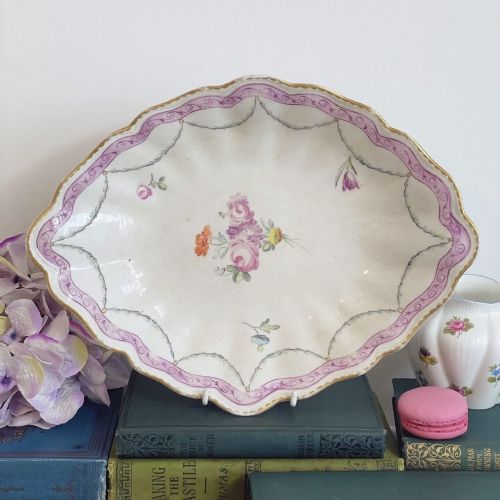
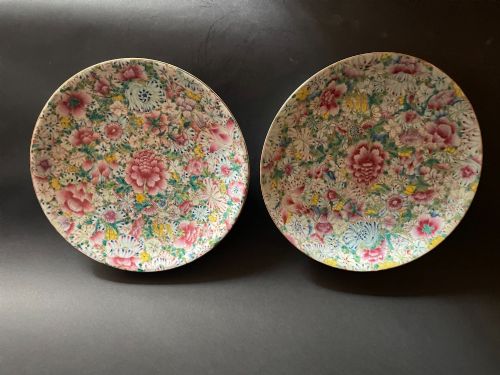
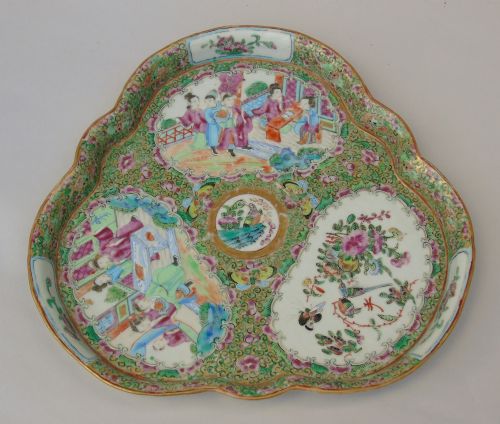
A pink floral plate encompasses domestic and decorative ceramics decorated with botanical motifs in pink enamels, drawing from 18th Century and 19th Century traditions. You will encounter English factories alongside Chinese Export and Qing Dynasty pieces produced for European markets.
The selection ranges from cabinet dessert plates to serving dishes and Platters. Many incorporate associated gilding or armorial details alongside the central floral composition.
English examples feature factories such as Derby, Worcester, Chelsea, and Spode. Chinese export items display the palette and brushwork characteristic of Qianlong period production.
Materials and methods
Potters shaped these objects using soft-paste porcelain, hard-paste porcelain, and felspar body compositions, firing them to create durable ceramic bases. Glaze provided a smooth vitreous coating across the surface before enamel application.
Decorators applied overglaze enamel colours by hand, utilising metallic pigments that fixed during a subsequent low-temperature kiln firing. Gold leaf and delicate gilding often accented the rim and botanical borders.
Materials span soft-paste porcelain, hard-paste porcelain, enamel, and gold leaf across multiple centuries.
Factors of quality
Quality rests upon the precision of the handpainted brushwork and the complexity of the palette. The finest examples display crisp detail in the floral rendering and careful control of the overglaze enamels.
The sophistication of the porcelain body and the crispness of any armorial or gilt detailing separate standard production from superior cabinet pieces. Preservation of the original gilding and enamel colour integrity remains central to the standing of each piece.
Derby·Furstenberg·Chamberlain Worcester·Chelsea·Spode
The Pink Floral Plate Glossary
- Soft-Paste Porcelain
- An artificial porcelain composition fired at lower temperatures than hard-paste. It creates a warm, slightly translucent body popular in early English factories.
- Hard-Paste
- A true porcelain made from petuntse and kaolin fired at high temperatures. It yields a durable, vitreous body resistant to scratching.
- Overglaze Enamel
- Coloured glass decoration applied on top of the fired glaze. It requires a secondary muffle kiln firing to fix the pigments to the surface.
- Gilding
- The application of gold leaf or powdered gold to ceramic surfaces. It highlights rims, handles, and borders.
- Famille Rose
- A palette of opaque pink enamels introduced in Chinese ceramics during the Qing Dynasty. The name derives from the dominant rose-pink colour derived from gold.
Pink Floral Plate: Frequently Asked Questions
Can I use these plates for dining?
While historic plates were made for dining and dessert service, the presence of overglaze enamels and delicate gilding suggests careful handling.
Many collectors prefer to use them for display or occasional light service rather than daily meals.
How do I date an 18th century plate?
Dating relies on identifying factory marks, paste composition, and the specific style of painting. Chinese export pieces often align with the Qianlong reign.
English pieces display characteristic foot rims and body weights associated with periods like the Georgian era.
What is Chinese export porcelain?
This refers to ceramics made in China specifically for export to Western markets from the 17th through the 19th centuries. The forms and decoration often combined Chinese techniques with European shapes.
Factories produced armorial services and floral designs tailored to Western tastes.