


Victorian Ceramic Plate
When you handle a victorian ceramic plate, you touch the domestic ambition and decorative confidence of the nineteenth century.
Victorian Ceramic Plate
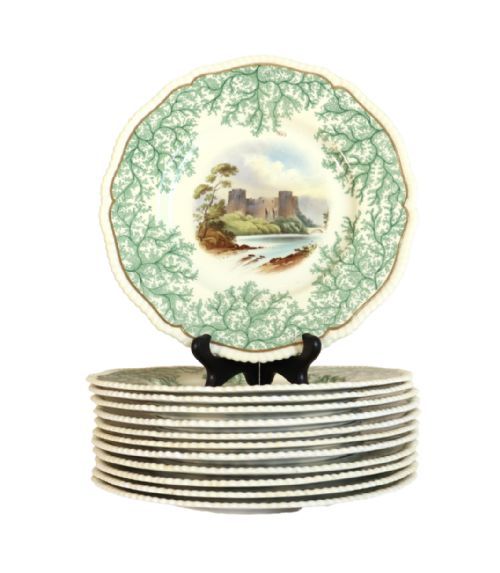
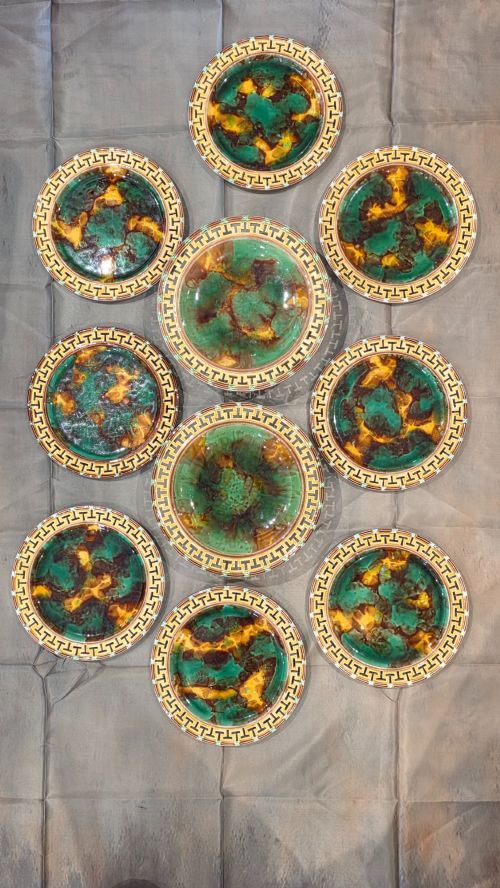
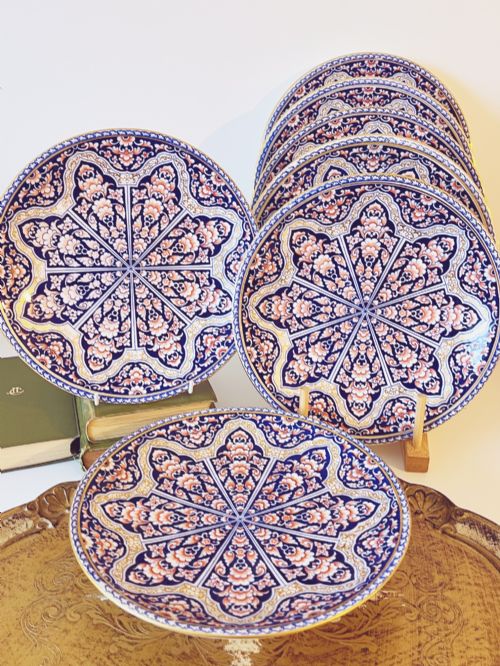
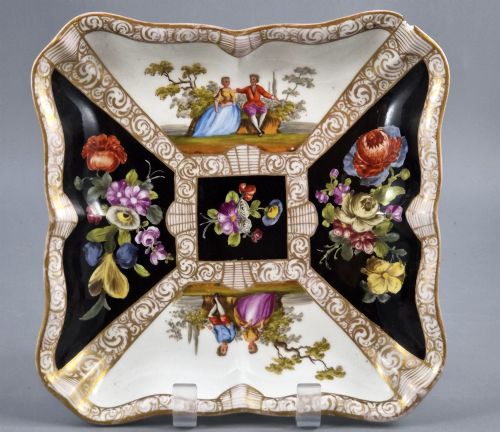
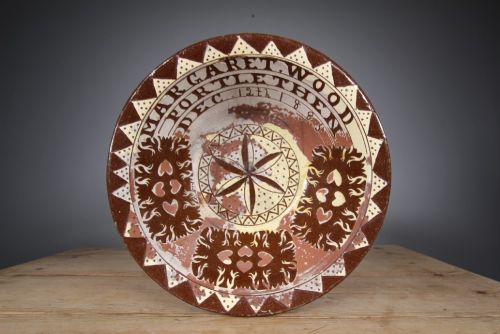
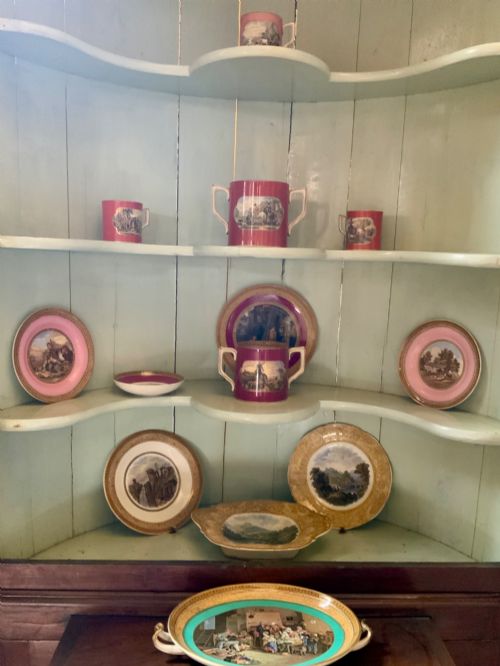
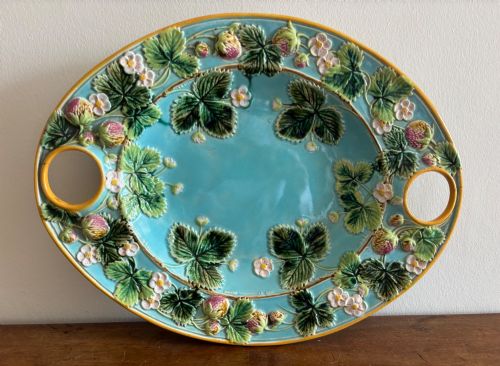
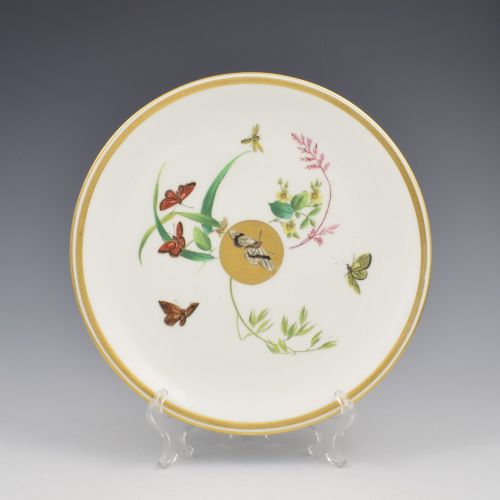
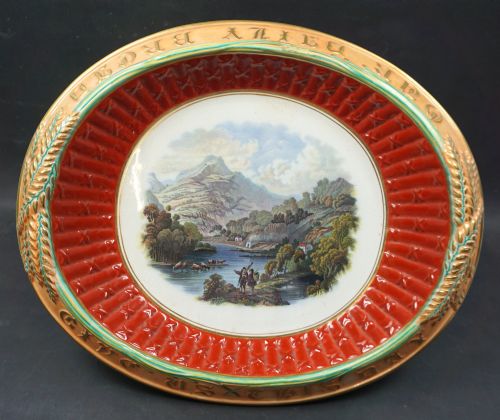
A victorian ceramic plate encompasses decorative chargers, dessert service components, and cabinet plates produced across the nineteenth century. Buyers on this page most frequently encounter earthenware and porcelain examples bearing transfer prints, hand-painted scenes, or moulded majolica decoration.
The selections range from utilitarian blue and white transfer-printed meat platters to elaborately painted cabinet pieces carrying landscape views or botanical studies. Makers utilised diverse bodies including creamware, bone china, and heavy ironstone to satisfy both daily dining and formal display requirements.
Materials and production methods
Potters shaped ceramic bodies by press-moulding or throwing before applying glaze and firing in kilns. Many items incorporated applied gold leaf, enamel highlights, or metallic silver plate mounts to elevate their visual appeal.
Decoration relied on hand-painting, transfer printing, or rich majolica lead glazes. Firing temperatures dictated the vitrification of the paste, producing bodies that varied from porous earthenware to translucent porcelain.
Listings feature 19th-century earthenware, porcelain, and stoneware forms embellished with silver plate, enamel, and gold leaf.
Judging quality and execution
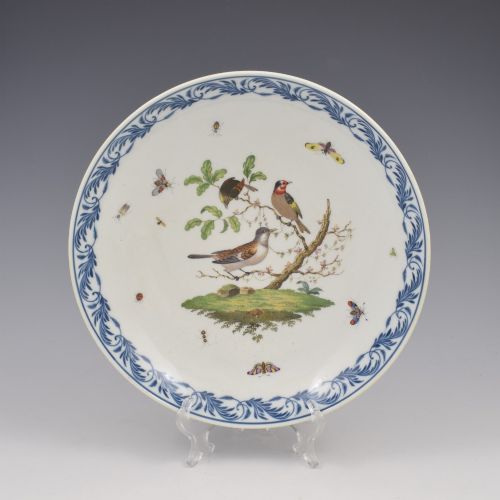
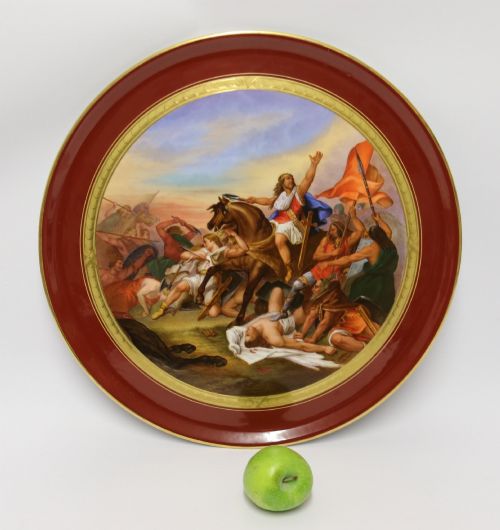
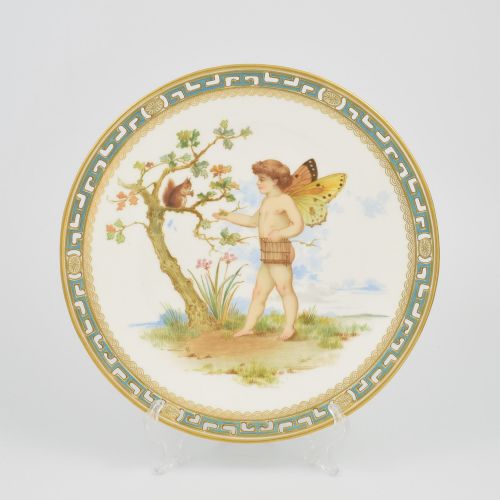
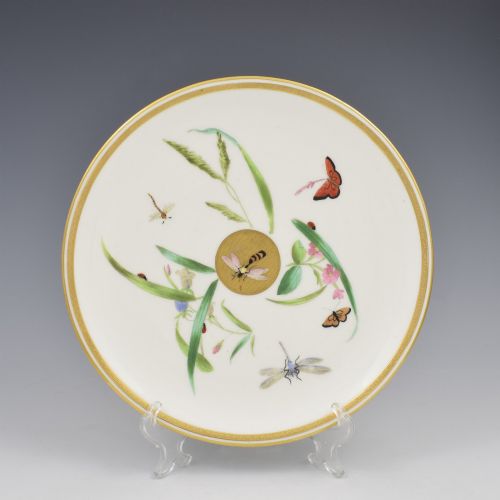
The distinction between ordinary ware and exceptional items lies in the crispness of the modelled relief and the precision of the hand-applied pigment. Superior pieces exhibit fine brushwork on individual portraits, botanical studies, or ornithological scenes rather than standard mechanical transfer patterns.
The weight of the paste, the evenness of the glaze application, and the inclusion of registered artist signatures or maker ciphers separate mass-produced table service elements from bespoke cabinet art.
Wedgwood·Royal Doulton·Meissen·George Jones·Minton
The Victorian Ceramic Plate Glossary
- Majolica
- A heavy earthenware pottery covered with colourful, opaque lead glazes. This technique produced vivid relief-moulded tableware depicting natural forms such as leaves, fish, and fruit.
- Transfer print
- A decorative method where an engraved copper plate transferred a design onto tissue paper, which was then pressed onto the ceramic body prior to glazing and firing.
- Cabinet plate
- A high-quality decorative dish intended for display on a wall, shelf, or cabinet rather than functional dining use. These often feature detailed hand-painted portraits, birds, or landscapes.
- Reticulated
- Pierced or openwork decoration cut into the rim of a ceramic plate or dish before firing. This technique created delicate, lace-like borders on fine porcelain dessert services.
- Biscuit barrel
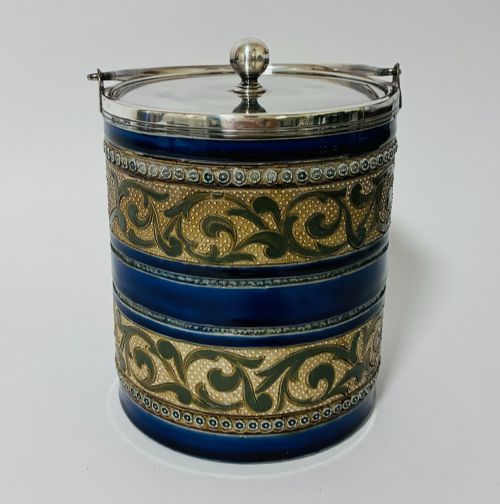
- A ceramic container fitted with a hinged metal lid and handle, designed for storing dry biscuits at the table. Many examples paired earthenware bodies with silver-plated mounts.
Victorian Ceramic Plate: Frequently Asked Questions
How were these plates used?
Plates and serving dishes served distinct functions within nineteenth-century dining, ranging from heavy earthenware platters for family joints of meat to delicate porcelain sets reserved for dessert courses. Cabinet plates bypassed the dining table entirely, designated strictly for visual display in drawing rooms.
Heavier biscuit barrels and cheese domes populated sideboard furniture for daytime hospitality and formal evening dining. Each item was manufactured to suit a specific domestic ritual of the period.
Can I use them for dining?
While these ceramics were originally engineered for food service, older earthenware and porcelain require careful handling. Modern dishwashers and microwaves can damage historic glazes, crazing lines, and applied gold leaf.
Hand washing in lukewarm water with mild soap preserves the integrity of the glaze. Many collectors prefer to display them or restrict their use to special occasions.
How do I date a piece?
Dating relies on combining backstamps, registered shape numbers, and stylistic cues such as the vibrant colours of Aesthetic movement design or classical Rococo revival motifs. Ceramic factories frequently stamped impressed marks or symbols that correspond to specific production years.
Analysing the paste body and the style of hand-painting further narrows the decade of manufacture. Comparing decorative borders to documented factory patterns provides additional chronological certainty.
What is majolica?
Majolica is a prominent nineteenth-century pottery type characterised by coloured metallic oxide glazes fired over a moulded earthenware body. The technique yielded vibrant greens, pinks, and yellows that created striking naturalistic textures.
Potteries utilised this style to produce whimsical table items including leaf dishes, crab tureens, and strawberry sets. The resulting finish offered both durability and high decorative impact.