


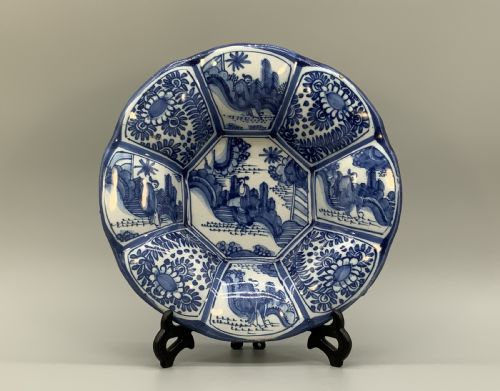
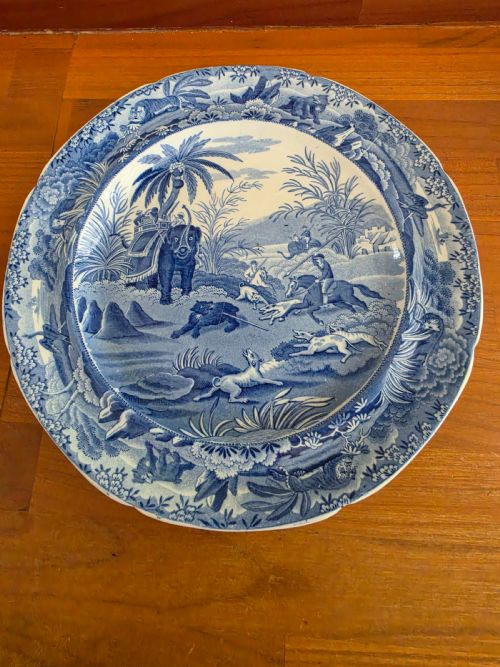
White Ceramic Display Plate
A white ceramic display plate brings centuries of kiln craft and painted narrative straight to a sideboard or wall.
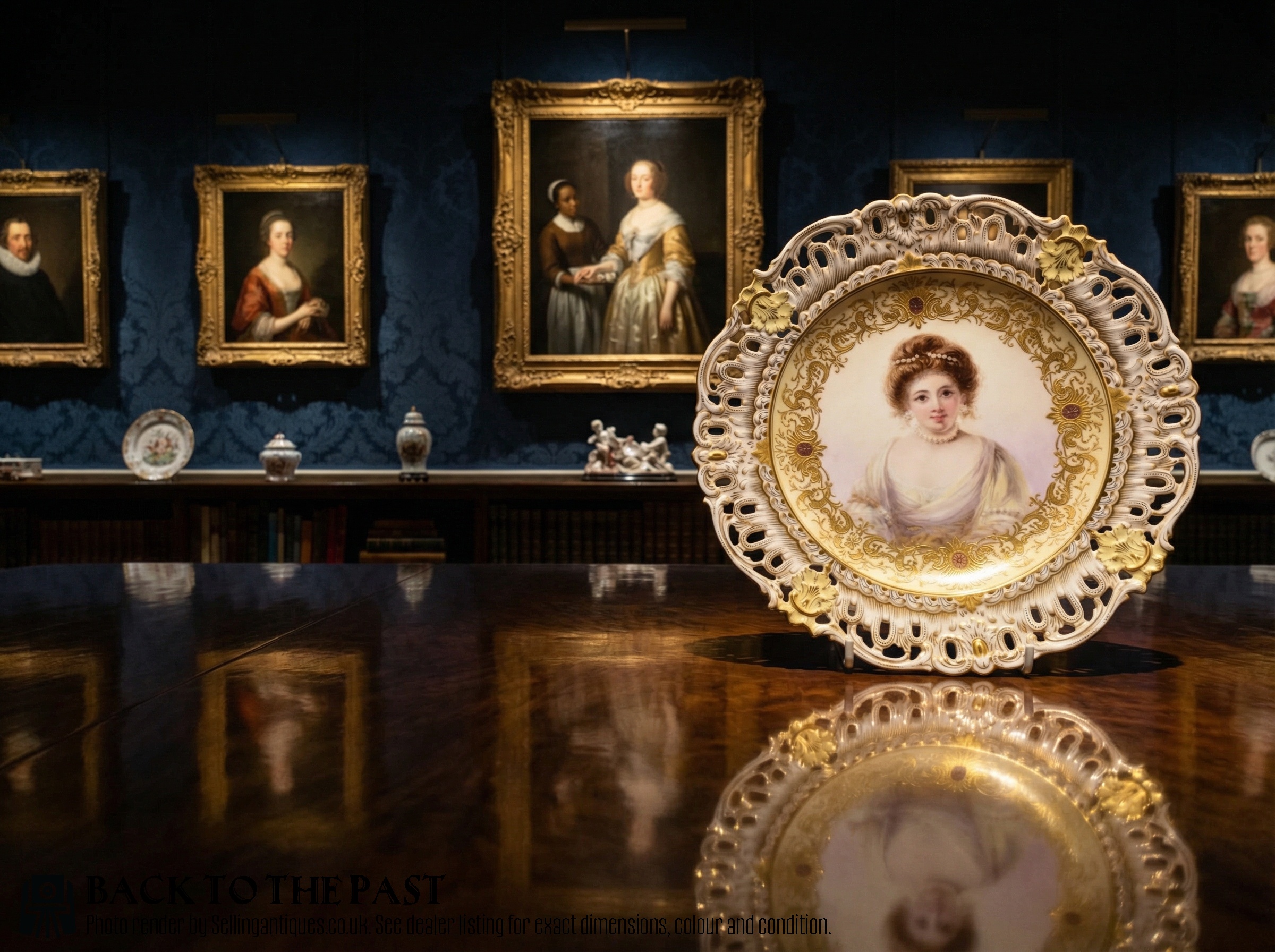
White Ceramic Display Plate
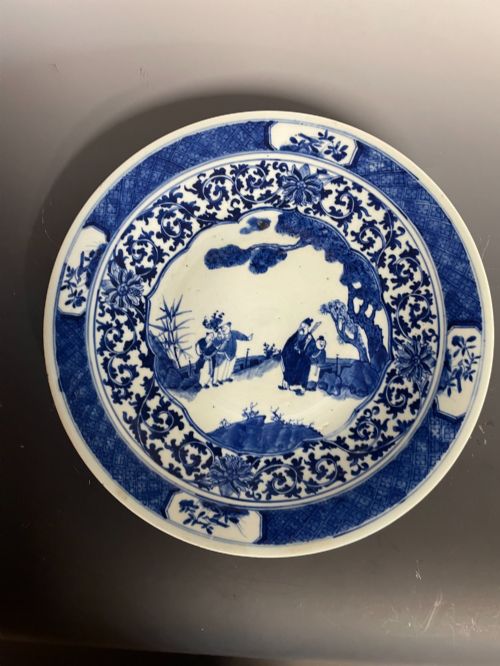
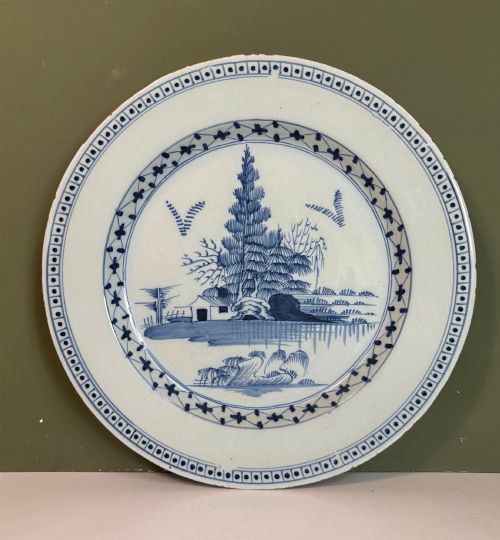
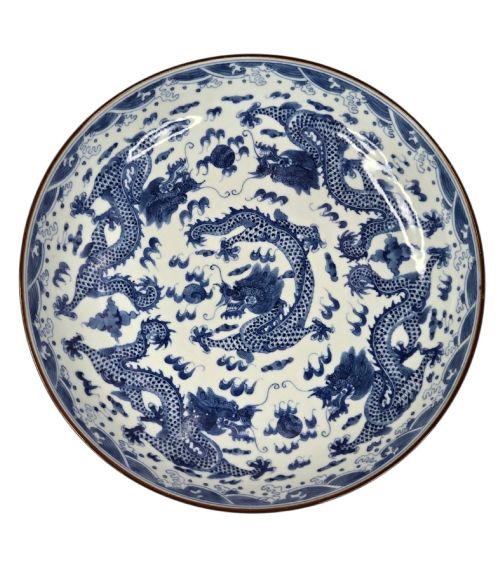
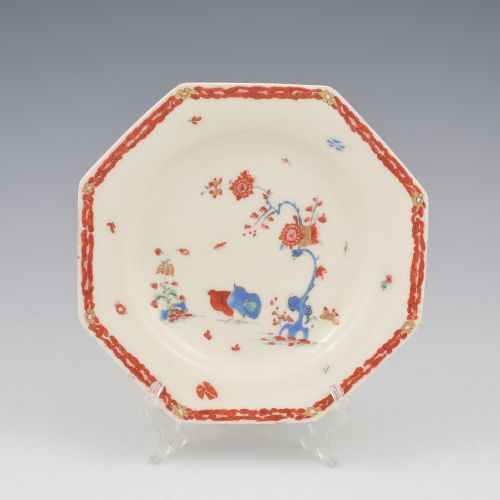
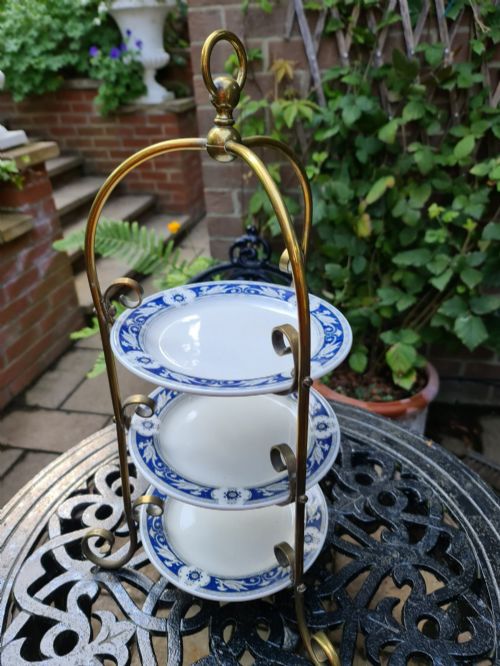
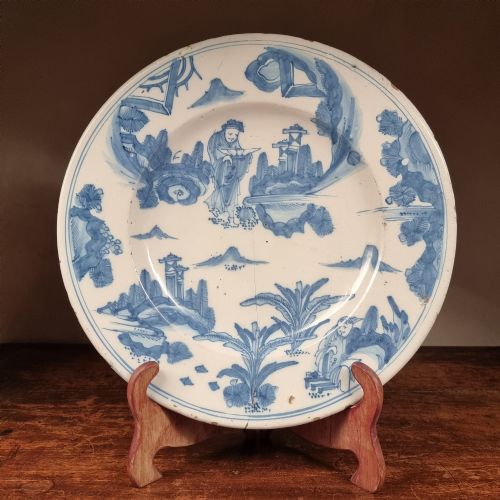
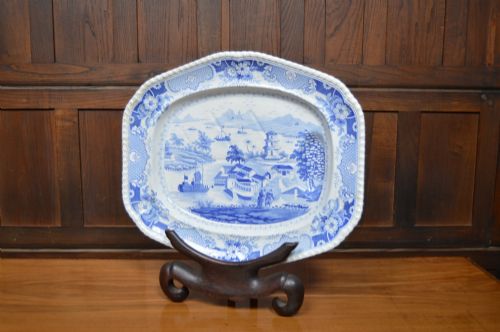
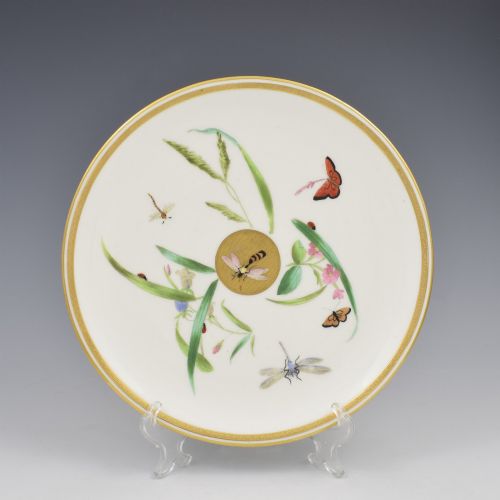
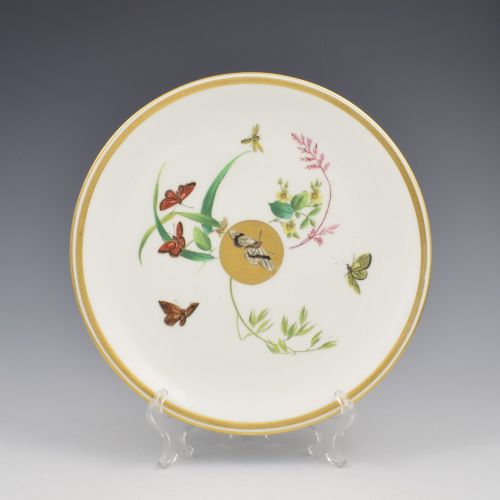
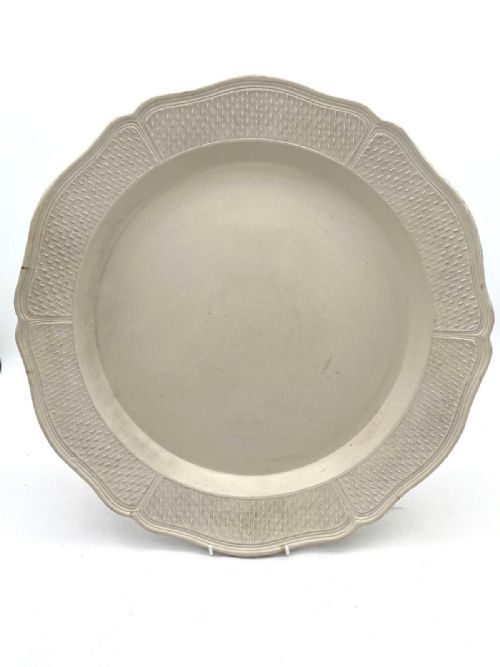
When searching for a white ceramic display plate, you encounter everything from seventeenth-century tin-glazed chargers to Victorian bone china dessert dishes. The forms span broad charger plates intended for formal display down to smaller cabinet plates and octagonal serving dishes.
Many of these pieces draw on international traditions, uniting Chinese Qing Dynasty aesthetics with European Delftware and Japanese Imari patterns. You will frequently meet seventeenth and eighteenth-century delft chargers alongside nineteenth-century porcelain from English and continental factories.
The objects served initially for dining or grand presentation before evolving into purely decorative items mounted on walls or displayed on stands. Their survival relies on this shift from active pantry use to careful preservation.
Materials and methods behind the glaze
Potters built these plates using earthenware, stoneware, and fine porcelain bodies, often coating the surface in a tin glaze or transparent lead glaze to achieve a smooth white ground. Cobalt pigment, manganese, and enamel colours were then applied directly to the surface, sometimes fixed with a secondary kiln firing.
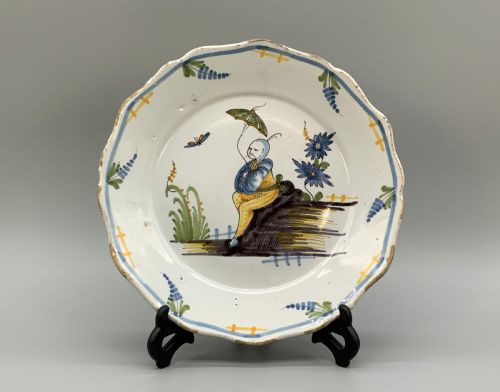
Moulding and throwing techniques varied by period, with early delftware showing heavier earthenware rims while later Victorian porcelain pieces display crisp reticulated borders and delicate moulding. Hand-painting remains a dominant method of decoration, seen across Japanese Imari imports and European chinoiserie scenes alike.
Listings feature white ceramic display plate examples spanning from the seventeenth century through to the Edwardian period, utilising earthenware, porcelain, and tin glaze.
Judging the finish of a white ceramic display plate
Quality rests in the crispness of the cobalt painting and the stability of the white glaze, which should show minimal pitting or discolouration. Finer examples maintain an even kiln temperature during firing, avoiding the warping often found in early earthenware chargers.
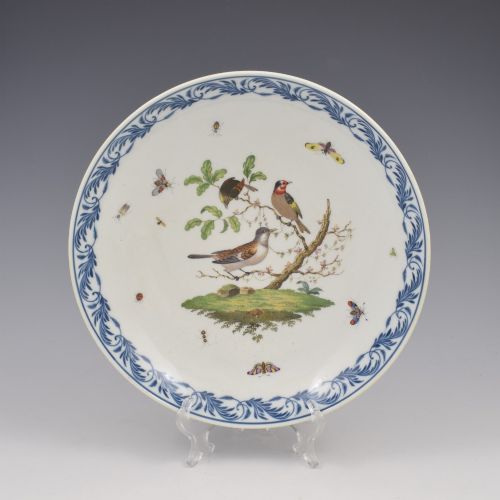
The clarity of hand-painted detail separates standard production from exceptional studio output, particularly in complex floral, ornithological, and armorial subjects. A well-balanced composition on the white ground indicates a painter working with high skill and confidence.
Bow Porcelain·Minton Porcelain·Barr Flight and Barr·John Ridgway·Helena Wolfsohn
The White Ceramic Display Plate Glossary
- Charger
- A large decorative plate or platter, traditionally used for formal dining or displayed upright on a sideboard. These pieces often exceed standard dinner plate diameters.
- Tin Glaze
- A lead glaze rendered opaque by the addition of tin oxide, creating a white surface suitable for painted decoration. It defines European delftware and faience.
- Kraak Style
- A Chinese porcelain design style characterised by panelled borders and central aquatic or avian motifs, widely copied in European delftware. The term originated from Portuguese merchant ships captured in the seventeenth century.
- Reticulated
- Having an openwork or netted pattern cut into the ceramic body, often seen around the rim of Victorian dessert plates. This technique requires considerable skill during the drying and firing stages.
- Imari
- A Japanese export porcelain style featuring deep underglaze blue combined with iron red and gilt highlights. The palette originates from kilns in the Hizen province.
White Ceramic Display Plate: Frequently Asked Questions
How do I hang a white ceramic display plate?
Use a spring-loaded brass wire hanger that grips the rim securely without scratching the glaze. Ensure the wall fixing is anchored firmly into brick or a wall stud to support the weight of heavier chargers.
Avoid adhesive disc hangers on antique earthenware, as the old surfaces can flake or peel under direct glue tension. Check the stability of the wire grip periodically.
Were these plates used for food?
Many eighteenth-century chargers and nineteenth-century dessert plates began as functional dining wares before transitioning to display items. Over centuries, glaze wear and crazing make older ceramics less suitable for modern culinary use.
Display remains the safest method for preserving fragile tin-glazed earthenware and nineteenth-century porcelain against further chipping.
What is the difference between delft and porcelain?
Delftware uses a coarse earthenware body covered in an opaque white tin glaze, resulting in a heavier plate with a softer fabric. Porcelain employs refined white clay and petuntse fired at higher temperatures to create a vitrified, resonant material.
Porcelain resists scratching far better than porous earthenware and often allows light to pass through thin sections.