
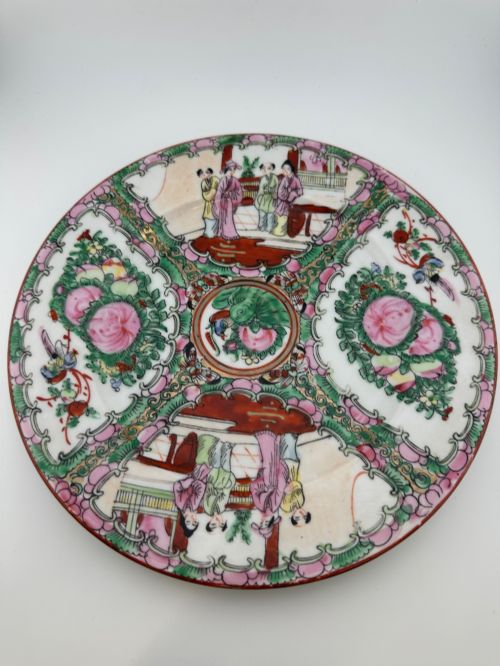
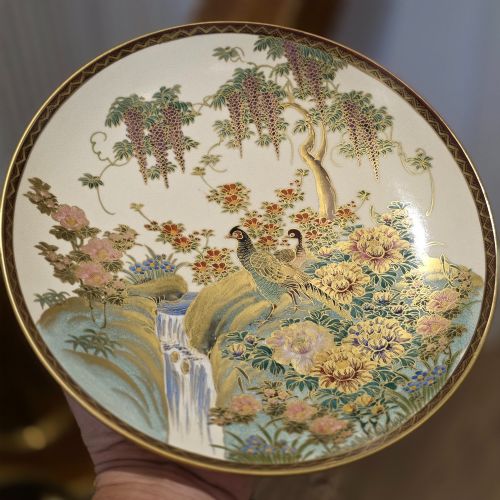
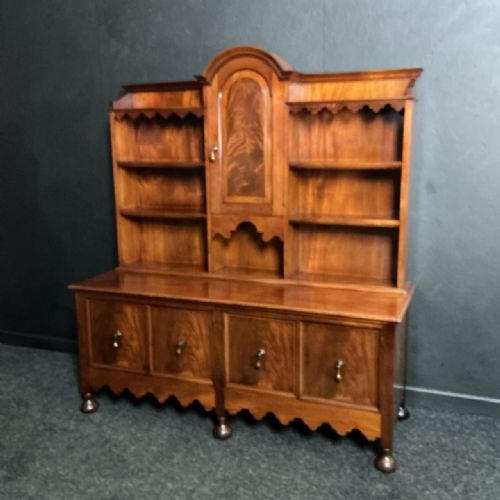
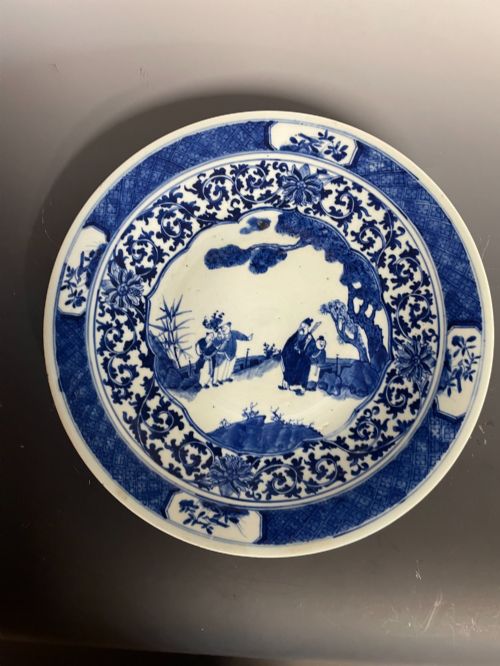

Vintage Display Plate
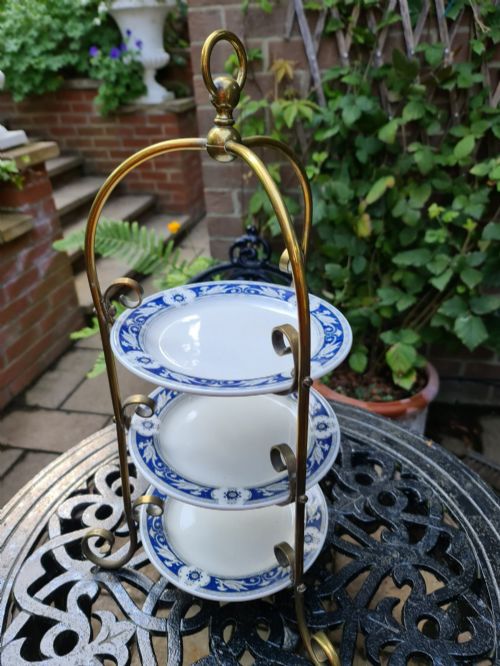
A vintage display plate brings painted ceramics, rich porcelain and tin-glazed earthenware directly to walls, dressers and plate racks.
Vintage Display Plate
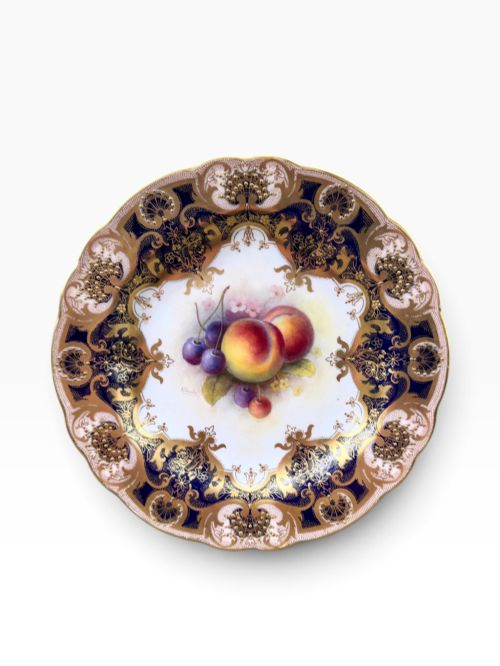
A vintage display plate encompasses cabinet plates, decorative chargers and painted dishes originating from the eighteenth century to the mid-twentieth century.
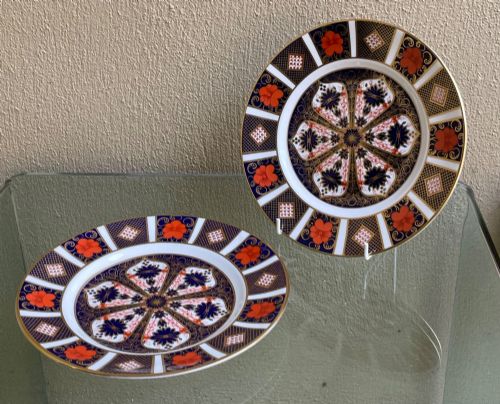
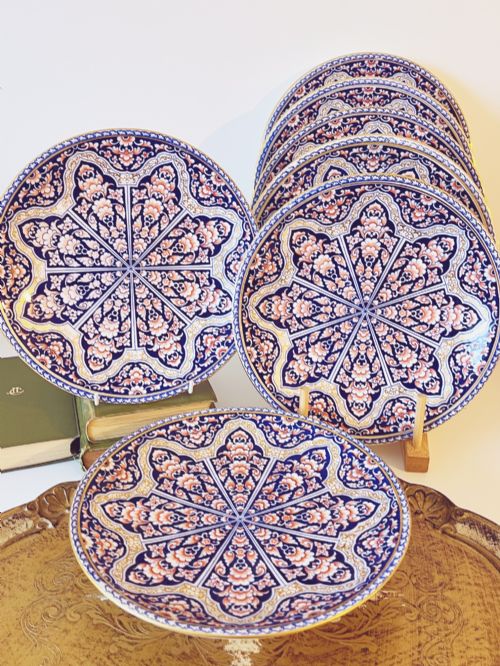
The buyer meets works in porcelain, bone china, earthenware and enamel, spanning Japanese Imari, Royal Worcester fruit studies and Dutch delftware.
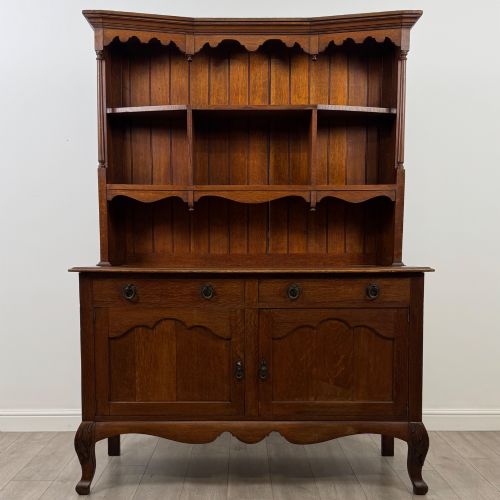
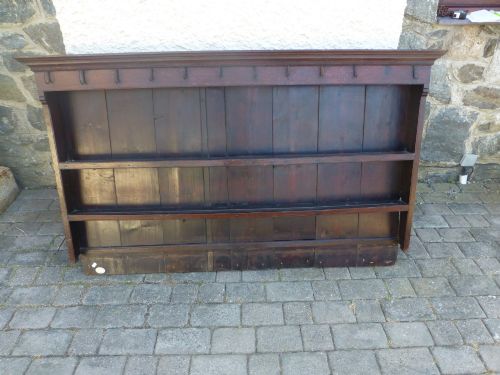
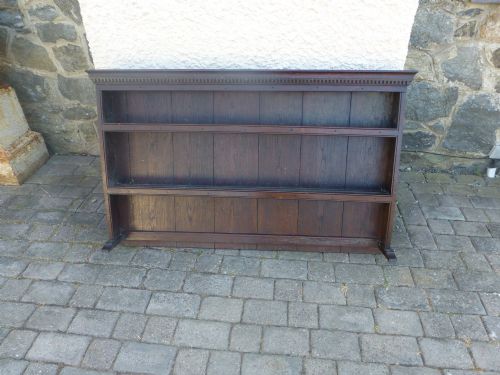
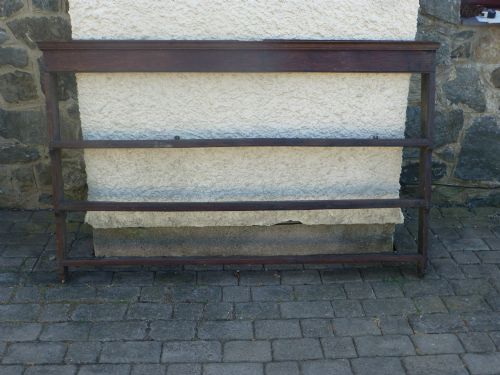
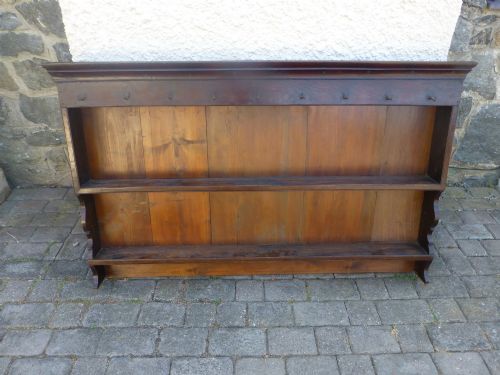
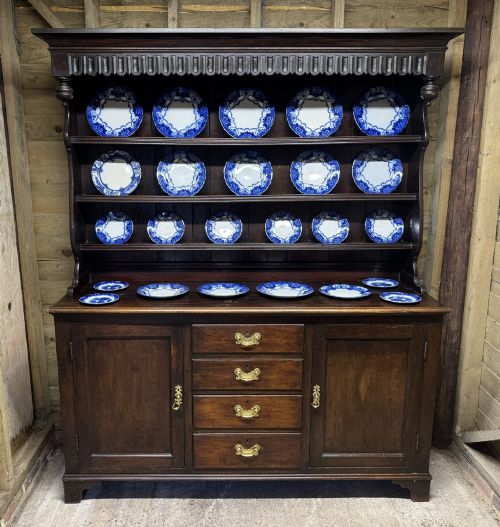
These items were made primarily for display rather than dining, occupying oak dressers, wall shelves and dedicated plate racks.
Ceramic bodies and hand-painting
Ceramic and porcelain bodies form the foundation, shaped as circular trays, square dishes and deep chargers.
Makers applied hand-painted decoration, cobalt underglaze, polychrome enamels and gold leaf highlights, subsequently firing the pieces to fix the pigments.
Several cabinet plates bear the signature of artists who spent entire careers painting minute peaches and plums.
Painting skill and provenance
Painting execution dictates value, with signed artist work by ceramic painters demonstrating superior brushwork compared to standard transfer-printed wares.
Kiln longevity, crispness of the glaze and clarity of factory marks separate standard production items from distinguished cabinet pieces.
Royal Crown Derby·Royal Worcester·Koshida
The Vintage Display Plate Glossary
- Charger
- A large decorative plate, typically exceeding twelve inches in diameter, designed for wall hanging or display on a sideboard rather than for table service.
- Delftware
- Tin-glazed earthenware produced in England, the Netherlands and France, known for its opaque white background and blue or polychrome painted scenes.
- Imari
- A style of Japanese porcelain exported to Europe, distinguished by a palette of underglaze blue, iron red and supplementary gilding.
- Cabinet plate
- A high-quality decorative ceramic plate intended for display within a glass-fronted cabinet or on a dedicated wall shelf.
Vintage Display Plate: Frequently Asked Questions
How do I hang a plate safely?
Use spring-loaded brass or coated wire hangers that grip the rim securely without scratching the ceramic body or glaze.
Ensure the wall fixing engages directly with solid brick or a stud rather than hollow plaster alone.
Were these plates used for food?
Cabinet plates and chargers were made primarily for visual display in reception rooms and dining spaces.
Their delicate enamels and gold leaf gilding mean they are unsuited to modern dining use.
How do I identify a delft charger?
Look for a tin-glazed earthenware body showing characteristic glaze pooling and small firing stilt marks on the reverse.
Palette colours typically rely on cobalt blue, manganese purple and muted yellow pigments.
How do I date an Imari plate?
Examine the weight of the porcelain body, the density of the iron red pigment and the richness of the gilding.
Meiji period and early twentieth-century examples display dense floral and brocade panels executed with crisp precision.