


Orange Decorative Platter
These orange decorative platter pieces bring bold colour and intricate patterns to a wall or table.
Orange Decorative Platter
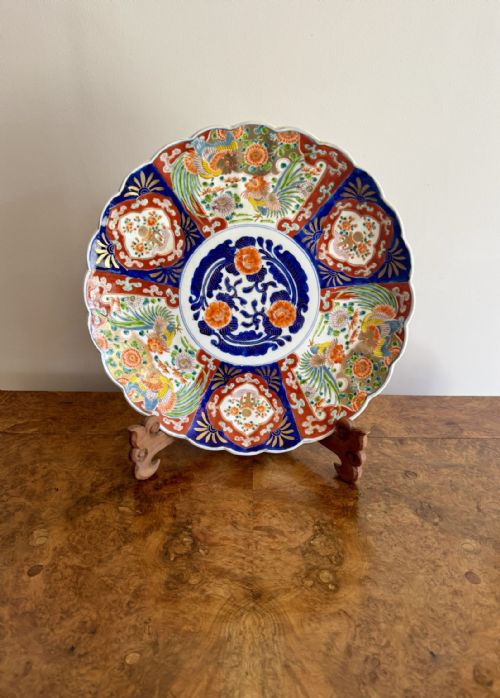
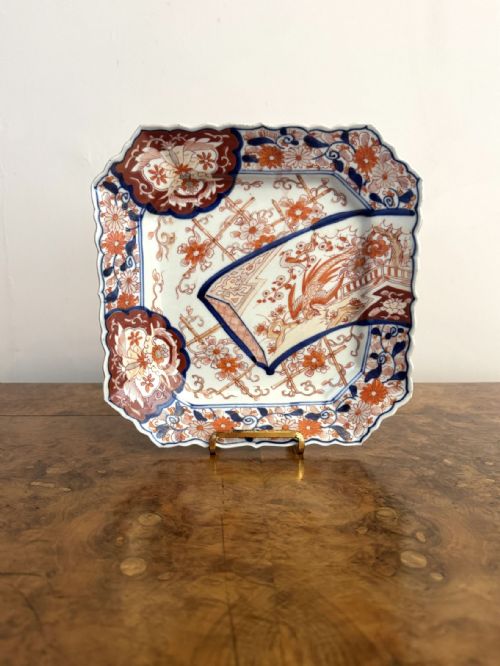
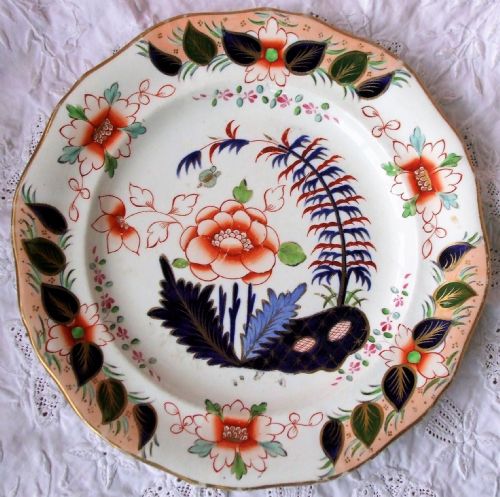
When you search for an orange decorative platter, you encounter large plates, chargers, and bowls spanning the nineteenth and twentieth centuries. The selection on this page leans heavily towards Japanese Imari porcelain chargers alongside English ironstone and pottery.
Most examples hail from the Meiji period or around nineteen hundred, taking circular, square, or large format shapes designed for display. Makers decorated these surfaces with rich orange, iron red, and gilt pigments, depicting landscapes, birds, and deities.
English potteries also contributed distinctive orange ground designs during the Georgian and Edwardian eras. These pieces combine robust ceramic bodies with vibrant overglaze enamels to create striking visual focal points.
How they were made
Potters formed these pieces using hard paste porcelain, ironstone, and earthenware, applying glazes before firing the ceramic bodies. Artisans then added hand painted details using overglaze enamels in distinct orange and iron red tones.
Many examples incorporate gold leaf and gilt highlights to accentuate the intricate patterns. Skilled hands applied these metallic touches meticulously over the fired glaze to catch the light.
Listings span from the nineteenth century through the Edwardian era up to nineteen thirty, using porcelain, ironstone, and pottery.
What varies in quality
The precision of the hand painted brushwork determines the distinction between standard items and superior works. Crisp detailing in the orange and gilt motifs indicates a higher level of artisan skill during production.
The overall scale and condition of the porcelain or ironstone body heavily influence the desirability of each piece. Larger chargers with intact gilding and complex subject matter represent the upper tier of the range.
John Davenport of Longport·Mason·Charlotte Rhead Bursley Ware
The Orange Decorative Platter Glossary
- Imari
- A style of Japanese porcelain featuring distinctive orange, underglaze blue, and gilt designs. Originating in Arita, this aesthetic heavily influenced European potteries.
- Charger
- A large decorative plate traditionally used for ceremonial display rather than dining. These substantial pieces measure wider than standard dinner plates.
- Ironstone
- A heavy, durable type of ceramic patented in nineteenth century England. It bridges the gap between earthenware and porcelain.
- Overglaze enamel
- Coloured glass decoration applied on top of a fired and glazed ceramic surface. Artisans then subject the piece to a lower temperature firing to fuse the colours.
- Meiji period
- The era of Japanese history spanning from eighteen sixty-eight to nineteen twelve. Pieces from this time often display exceptionally fine hand painting.
Orange Decorative Platter: Frequently Asked Questions
How do I hang a large charger?
Heavy chargers require secure wall mountings with coated wire or spring loaded brass clips designed for heavy ceramics. Ensure the fixings support the full weight of the porcelain or ironstone.
Position the piece away from direct sunlight and high traffic areas to protect the enamel and gilt surfaces from accidental impact.
Can I use these plates for food?
Most antique decorative plates and chargers function primarily as display items rather than tableware. The age of the ceramic and delicate overglaze enamels mean daily dining use is discouraged.
Displaying them on walls or tables preserves the hand painted orange pigments and gold leaf from wear and washing damage.
What is Japanese Imari?
Japanese Imari refers to porcelain decorated in vivid iron red or orange, cobalt blue, and gold. This distinct palette became immensely popular across Europe during the nineteenth century.
Potters painted intricate floral, geometric, and figural scenes by hand onto the white ceramic background.
How do I clean an antique plate?
Dust the surface gently with a soft, dry cloth to remove everyday particles. Avoid soaking antique ceramics or using abrasive chemical cleaners.
Moisture can seep into old crazing or damage delicate gilt and enamel highlights, so keep cleaning as minimal as possible.