


Orange Ironstone Plates
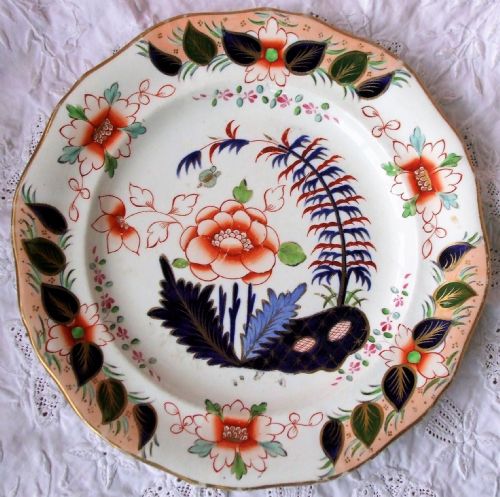
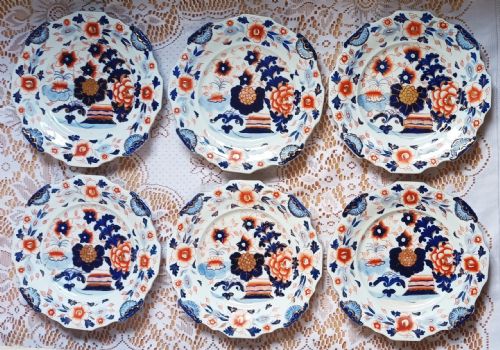
These orange ironstone plates bring vibrant colour and robust weight to a table, offering durable ceramic service with striking patterns.
Orange Ironstone Plates
When you search for orange ironstone plates, you encounter robust ceramic tableware designed for both decorative display and practical dining. The pieces available span the 19th Century, Edwardian, and Georgian periods, reflecting enduring domestic utility.
You are most likely to meet earthenware and ironstone china shaped as plates, chargers, dessert services, and dinnerware sets. These items frequently display distinct patterns such as Imari, Japan, Tonquin China, and Old School House.
Originating primarily from English workshops, these items demonstrate traditional forms including serving dishes and ashets. Their enduring appeal lies in the combination of thick ceramic bodies and bold, colourful surface decoration.
How they were made
Potters formed these pieces using dense earthenware and ironstone china bodies, ensuring a heavy and durable foundation for daily use or display. The material was shaped into plates, chargers, and serving platters before receiving its initial firing.
Makers applied intricate surface designs using enamel and glaze, sometimes enhanced with gold leaf and gilt detailing. Many examples incorporate transfer printing or hand-painted motifs in the Imari and Chinoiserie styles.
Exotic birds peer from orange charger plates, watching tea parties unfold across two centuries of dining.
What varies in quality
The sophistication of the painted or printed pattern distinguishes standard domestic ware from more ambitious exhibition pieces. Crispness in the application of enamel and the careful placement of gold leaf elevate the visual impact of a plate.
The weight, thickness, and uniformity of the ironstone body reflect the skill of the original manufacturer. Finer pieces demonstrate precise moulding and stable glazing that preserves the vivid orange ground and exotic bird or floral motifs over centuries.
John Davenport of Longport·Mason
The Orange Ironstone Plates Glossary
- Ironstone
- A heavy, durable type of earthenware patented in the 19th Century to rival Chinese porcelain. It resists chipping and provides a stable base for rich glazes.
- Imari
- A decorative style inspired by Japanese export wares, traditionally featuring iron red, cobalt blue, and gilt. It appears frequently on 19th Century plates and serving dishes.
- Ashet
- A Scottish and northern English term for a large serving platter or dish. These oblong vessels are common in larger dinner services.
- Charger
- A large decorative plate used traditionally as a base under other courses or displayed on a wall or dresser. They showcase expansive painted scenes and bold borders.
- Gilt
- A thin layer of gold applied to the surface of ceramic pieces for ornamentation. It highlights rims, handles, and specific motifs within the pattern.
Orange Ironstone Plates: Frequently Asked Questions
Can I use these plates for dining?
These pieces were originally manufactured for utilitarian dining and serving purposes, utilising heavy ironstone and earthenware bodies designed to withstand regular use.
Many collectors nevertheless choose to reserve them for display, dessert service, or special occasions to preserve the delicate enamel and gilt details.
How do I identify a Georgian plate?
Georgian examples date from the late 18th Century up to eighteen-thirty, often displaying characteristic Regency Imari patterns or early transfer-printed motifs.
Examining the weight of the ironstone china and the style of the base helps distinguish these earlier pieces from later Edwardian or Victorian productions.
What is an Old School House pattern?
This specific decorative scheme appears on several 19th Century ironstone plates and ashets, featuring traditional regional motifs applied across dinner services.
It represents the themed domestic china popular in English households during the Victorian era.
How should I display my plates?
Plates and chargers with bold orange grounds and exotic bird designs look striking when mounted securely on walls or arranged on wooden dressers.
Using proper plate hangers protects the edges of the ironstone while allowing the colours to brighten a room.