



English Decorative Charger
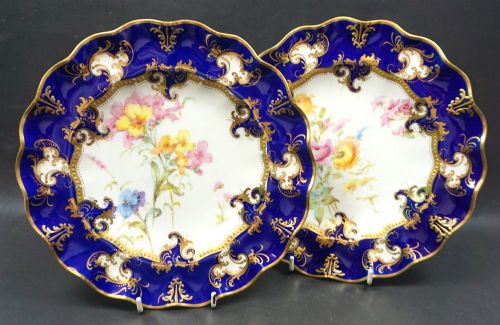
An English decorative charger brings hand-painted pottery and porcelain into a room, offering striking wall display or cabinet presence.
English Decorative Charger
An English decorative charger takes the form of a large plate or plaque, built for display rather than dining. When you search for this phrase, you encounter large earthenware and porcelain pieces designed to command attention on a wall or dresser.
The selection ranges from early tin-glazed earthenware dishes of the eighteenth century through Victorian armorial porcelain to twentieth-century pottery designs. Cabinet plates and decorative plaques share this broad category, uniting varied forms under a common purpose of visual enrichment.
Materials and technique
Potters built these pieces using earthenware, ironstone, and porcelain bodies, applying tin glazes, enamel, and paint to finish the surface. Artisans shaped clay into broad plates and plaques, firing them in kilns before adding detailed hand-painted or transfer designs.
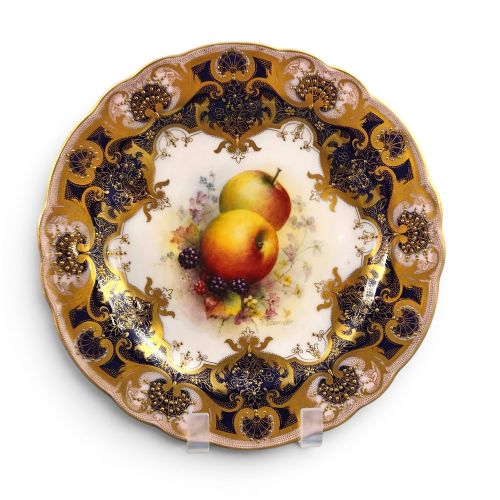
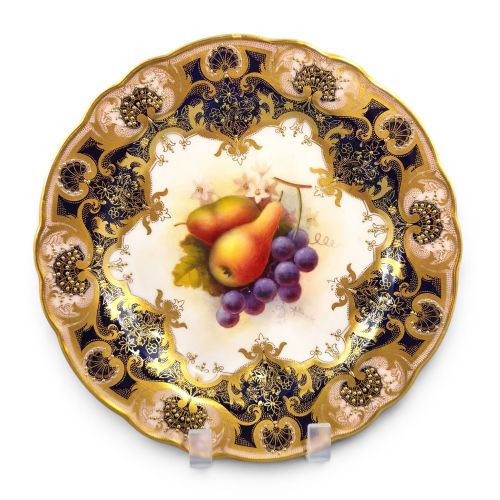
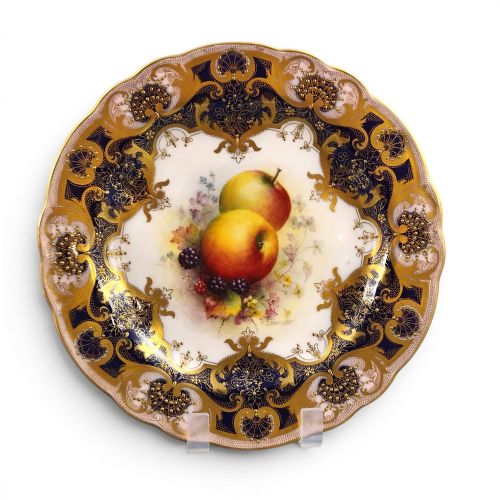
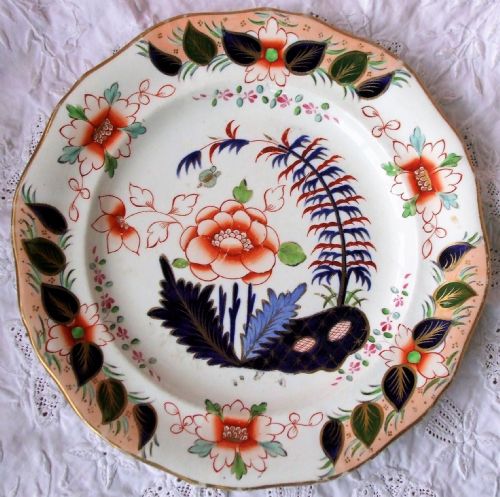
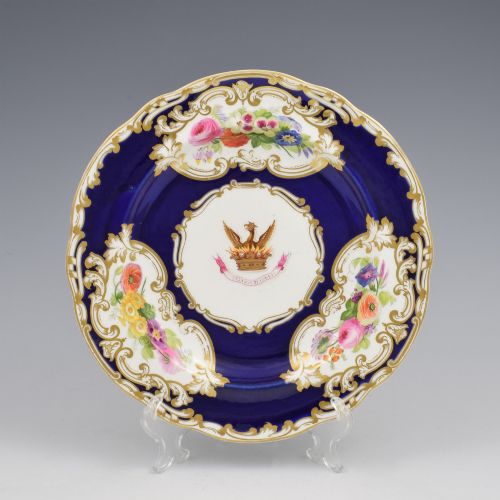
Makers utilised gold leaf accents on select porcelain bodies to elevate the visual weight of armorial and fruit-painted designs. Earthenware chargers received polychrome pigments beneath or over the glaze, defining the pictorial traditions of English ceramic houses.
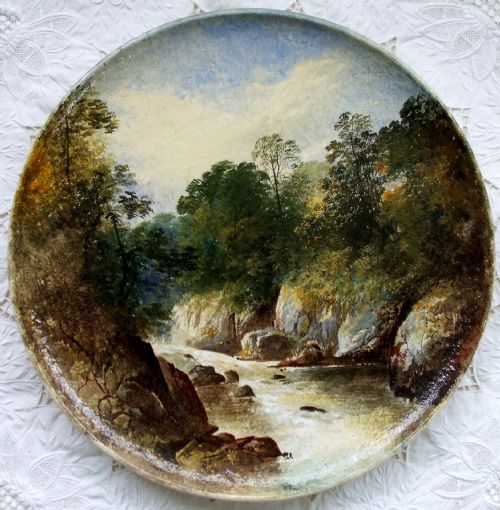
Several plates preserve the exact scenery of North Wales rivers forever frozen in nineteenth-century paint.
Judging quality
Quality rests upon the skill of the hand-painted execution and the crispness of the porcelain or ironstone form. Skilled artists applied intricate fruit scenes, botanical studies, or scenic landscapes that elevate a standard ceramic blank into a work of art.
The sophistication of the glaze and the depth of the palette dictate the standing of a piece within its period. Finer examples show precise brushwork, balanced composition, and well-preserved surface gilding that withstand close inspection.
Royal Crown Derby·Royal Worcester·John Davenport of Longport·Copeland Pottery·C.J. Mason·Clarice Cliff·Bursley Ware·Moorcroft·Minton·Chamberlains·S Duncomb
The English Decorative Charger Glossary
- Charger
- A large circular dish or plate originally intended for formal dining but later used for display. These oversized ceramic pieces provide a broad canvas for painted decoration.
- Ironstone
- A dense, durable type of earthenware patented in the nineteenth century. It resists chipping better than standard pottery while accepting rich enamel colours.
- Armorial
- A decorative scheme featuring a family crest, coat of arms, or heraldic insignia. These bespoke commissions marked the status of prominent lineages on porcelain services.
- Pate-sur-pate
- A ceramic technique where successive layers of liquid white clay are built up on a coloured background to create a low relief cameo effect. This demanding method requires immense artisan skill.
English Decorative Charger: Frequently Asked Questions
How were chargers displayed in historic homes?
Historic households placed large chargers on buffets, sideboards, or mounted them directly onto walls to showcase wealth and taste. Their substantial diameter made them natural focal points within a room.
Today, owners utilise similar placement strategies, mounting them with specialised hangers or resting them securely on plate stands within cabinets.
What distinguishes a charger from a standard plate?
A charger measures significantly larger than a standard dinner plate, often exceeding twelve inches in diameter. This expanded scale prioritised decorative capacity over functional utility.
Makers treated the wider surface as a pictorial panel, filling the centre and rim with elaborate hand-painted scenes or armorial bearings.
How do I identify eighteenth-century Delft chargers?
Eighteenth-century English Delft chargers display a tin glaze that often shows minor pitting, pooling, or crazing across the surface. The foot rims frequently reveal porous earthenware bodies beneath the white glaze.
Designs on these pieces rely on hand-painted blue and white or polychrome pigments, frequently showing Chinese-inspired motifs executed with fluid brushstrokes.
Can these decorative plates be used for serving food?
Most antique chargers and cabinet plates serve strictly as decorative display items rather than functional tableware. Historic enamel paints, glazes, and delicate porcelain bodies are vulnerable to cutlery marks and modern dishwashing.
Preserving the surface condition requires keeping these pieces away from food service and handling them with clean, dry hands.