





Edwardian Wall Plate
An edwardian wall plate brings pattern and texture to a room, drawing the eye with hand-painted porcelain or beaten metal.
Edwardian Wall Plate
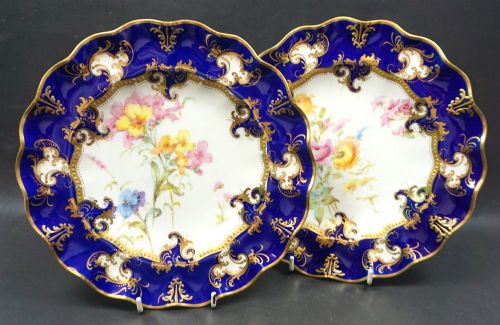
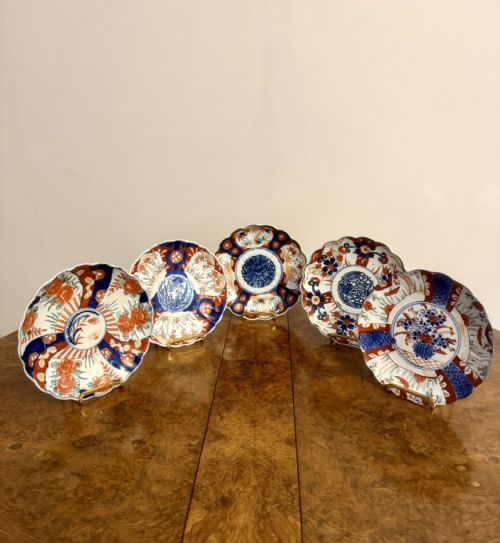
When you search for an edwardian wall plate, you encounter decorative porcelain cabinet plates, heavy ironstone chargers, and intricate Japanese imari wares produced around the turn of the twentieth century. These domestic pieces were designed for display on walls and plate racks rather than for dining, bringing colour and ornament into formal reception rooms and hallways.
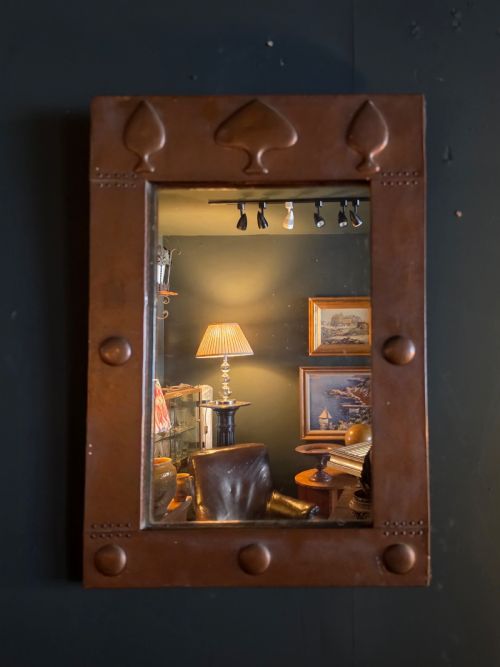
The objects appearing under this heading bridge the late Victorian aesthetic and the rising influence of the Arts and Crafts movement. You will find hand-painted floral porcelain alongside copper chargers bearing stylised foliage and pomegranates, reflecting a period of diverse decorative tastes.
Makers of the era utilised established ceramic bodies alongside modern glazing techniques to create striking wall displays. Alongside porcelain and ironstone, metal chargers from continental foundries and Japanese cloisonne plates expand the definition of wall plates from this era.
How they were made
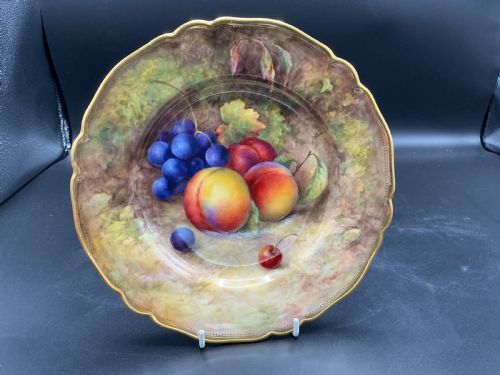
Ceramic wall plates from this period rely on high-fired porcelain or ironstone bodies, painted by hand with botanical studies or exotic birds before receiving a protective glaze. Gilded highlights are frequently applied by hand and fired again to fix the gold leaf to the rim and well of the plate.
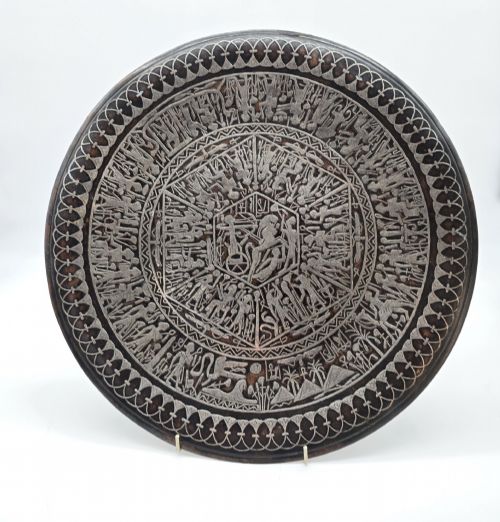
Metal chargers and decorative plaques are shaped from copper, brass, or cast iron using spinning and beating techniques. Artisans hammered patterns directly into the metal surface, often working within the Arts and Crafts tradition to celebrate visible hand-craftsmanship.
Listings under this search combine Edwardian porcelain cabinet plates with Arts and Crafts beaten copper chargers and Japanese cloisonne.
What varies in quality
Quality in these decorative pieces rests upon the precision of the hand-painting and the depth of the glaze. Master artists working for established potteries applied detailed brushwork to fruit and floral studies, creating layered colour and realistic shading that distinguish superior examples from standard factory output.
Weight and structural integrity dictate value in metal chargers and framed display pieces. Thicker gauge copper and crisp casting in iron or brass ensure the object retains its shape and holds its wall mount securely over generations.
Royal Worcester·Royal Crown Derby·Royal Doulton·Mason·Kasli Foundry
The Edwardian Wall Plate Glossary
- Cabinet plate
- A decorative ceramic plate intended for display rather than dining use. These pieces often feature elaborate hand-painted scenes and gilded borders.
- Charger
- A large decorative plate or tray that exceeds standard dinner plate dimensions. They are frequently hung on walls or placed upon sideboards.
- Ironstone
- A heavy, durable type of earthenware developed in the nineteenth century. It provides a sturdy white ground for colourful enamel transfers and hand-painted motifs.
- Cloisonne
- An ancient metalwork technique where thin wire partitions are soldered to a metal base to create cells. These compartments are then filled with coloured enamel paste and fired.
Edwardian Wall Plate: Frequently Asked Questions
How were wall plates displayed?
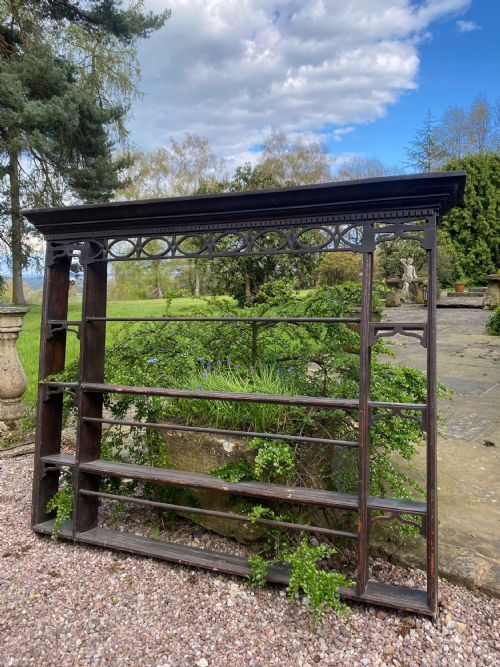
Edwardian wall plates were typically hung using specialised wire plate hangers or displayed upright in wooden plate racks and open dressers.
This method of display protected the painted surfaces from cutlery damage while adding decorative focal points to dining rooms and parlours.
Are these plates meant for food?
Most pieces found under this heading are strictly decorative cabinet wares rather than functional tableware. Many feature delicate overglaze enamels and gold leaf that would degrade with regular use and washing.
Their primary purpose is visual ornament, making them unsuited for serving meals.
How do I spot hand-painted pieces?
Hand-painted porcelain displays subtle variations in brushstrokes, slight pigment pooling, and artist monograms beneath the glaze. Printed transfers show tiny dot matrices under magnification and lack the depth of layered ceramic colours.
Examining the surface in raking light helps reveal the raised texture of manual brushwork.
What is Japanese Imari influence?
Imari style refers to a distinctive palette of underglaze blue, iron red, and gold, originally inspired by imported Japanese ceramics. Edwardian makers reinterpreted these traditional motifs on cabinets plates and chargers.
This aesthetic suited homes that embraced eclectic global influences during the early twentieth century.