


Chinoiserie Ceramic Plates
Chinoiserie ceramic plates bring imagined Asian landscapes and motifs into European tableware through centuries of painted earthenware and porcelain.
Chinoiserie Ceramic Plates
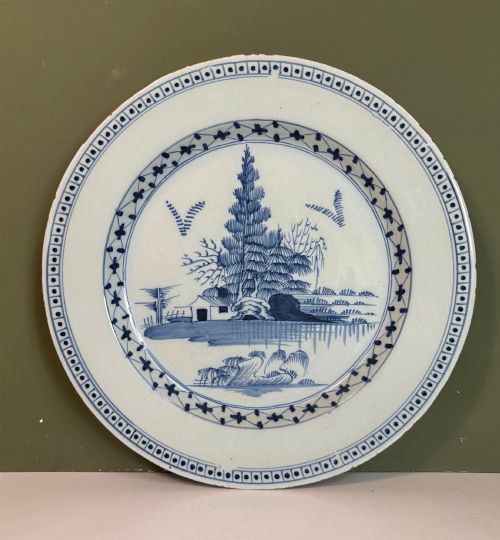
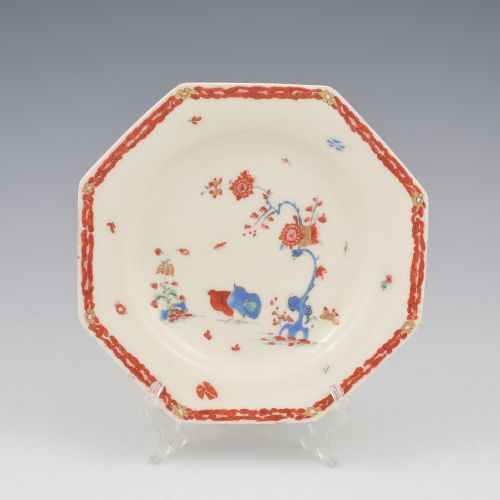
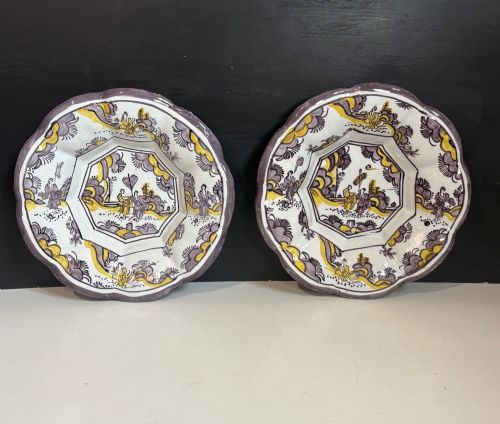
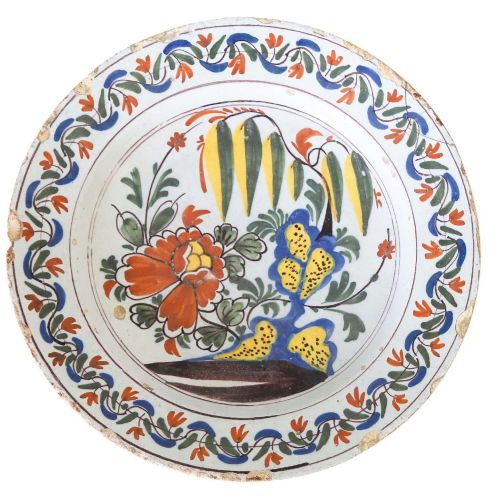
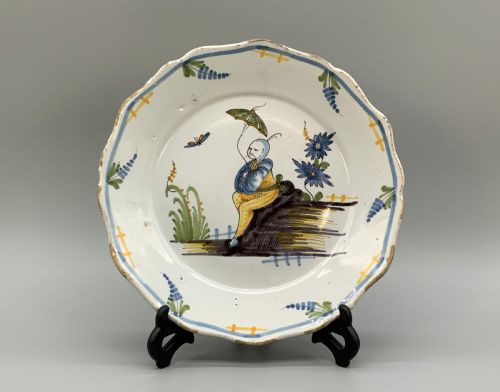
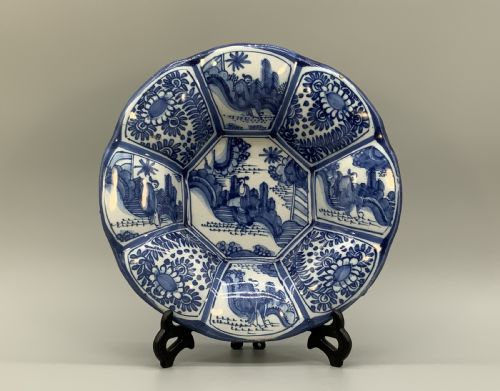
When you examine chinoiserie ceramic plates, you encounter pieces designed to evoke Eastern aesthetics using European manufacturing methods. The selection spans earthenware, porcelain, and stoneware forms created for display or service.
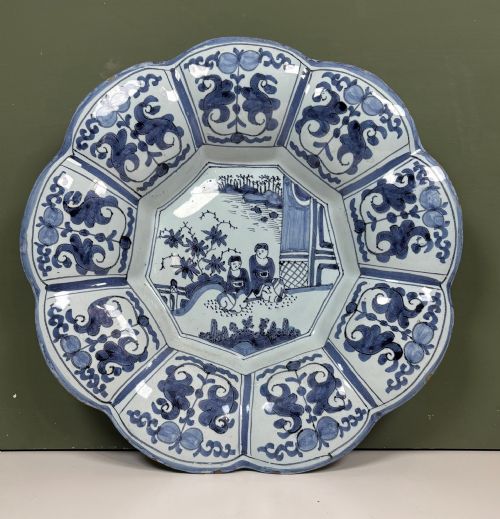
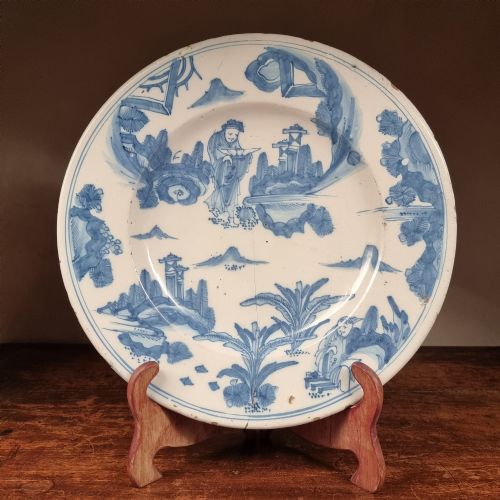
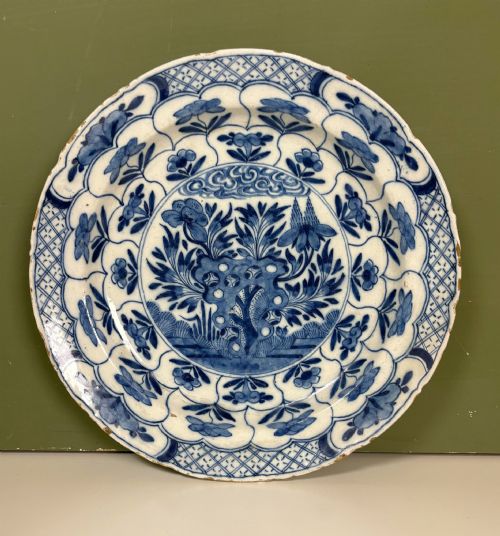
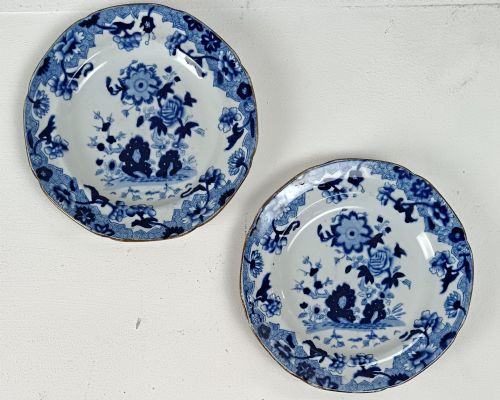
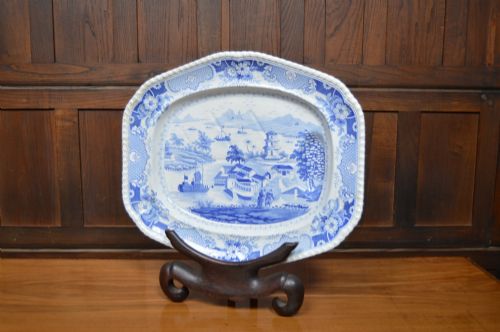
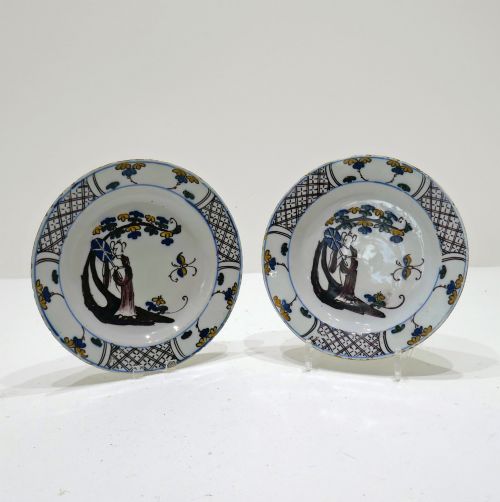
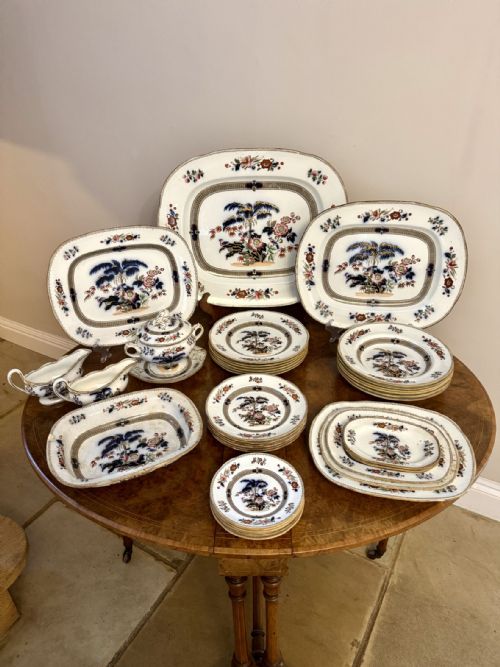
You will most frequently meet 18th-century tin-glazed dishes alongside 19th-century ironstone and porcelain plates. These objects include chargers, meat plates, and cabinet plates originating from English, French, and Asian kilns.
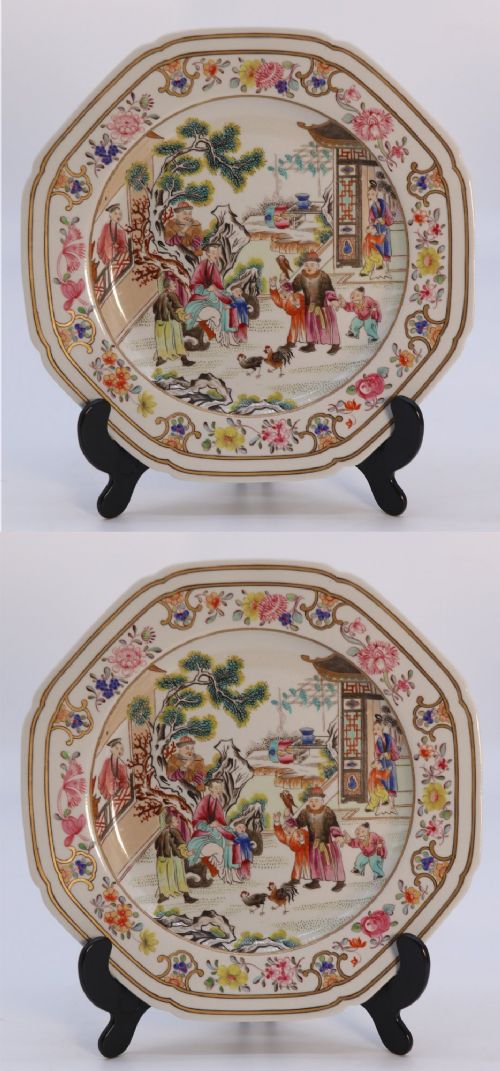
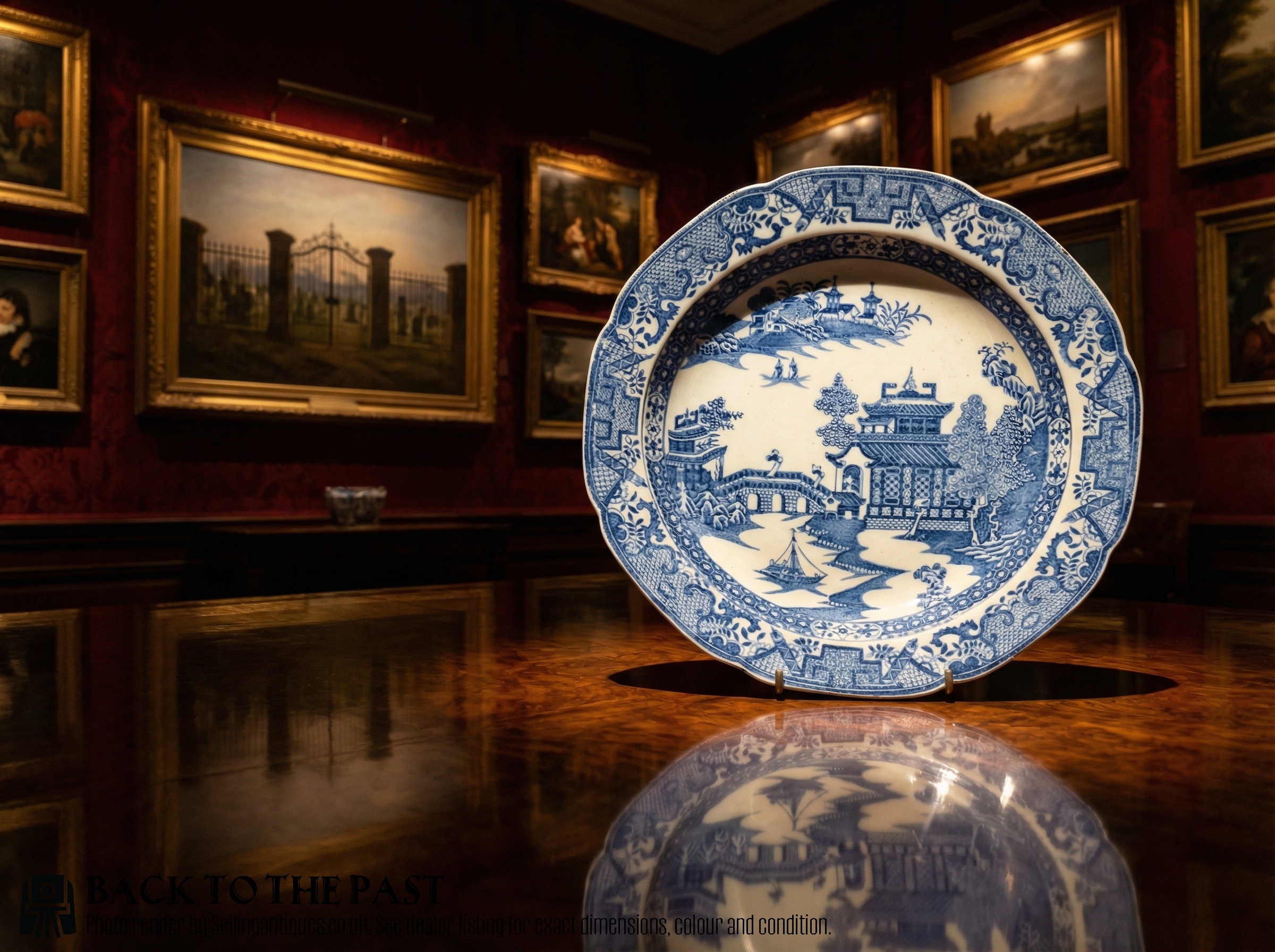
The decorative schemes draw upon Chinese and Japanese motifs, rendered in blue and white or polychrome palettes. Makers utilised transfer printing and hand-painting to achieve these thematic designs across different periods.
How they were made
Potters shaped ceramic bodies from earthenware, ironstone, and porcelain before applying tin glaze, enamel, or cobalt pigment. Artisans then employed hand-painting or transfer printing to apply the characteristic orientalist motifs.
Kiln firing fixed the pigments and glazes to the ceramic base, sometimes incorporating gold leaf highlights on finer cabinet pieces. Ironstone and stone china formulas provided increased durability for utilitarian serving platters and meat plates.
The listings span earthenware, enamel, ceramic, and tin glaze across Georgian and Victorian periods.
What varies in quality
The crispness of the cobalt pigment and the precision of the hand-painted brushwork distinguish standard utilitarian wares from superior cabinet pieces. Early tin-glazed dishes show variation in glaze opacity and surface smoothness across different kilns.
The complexity of the pattern, such as multi-coloured polychrome enamels and gold leaf application, separates basic transfer-printed items from elaborate collector plates. Body density also differs between porous earthenware and refined stone china.
Spode·Wedgwood·Worcester·Mason·John Ridgway·Caughley·C.J. Mason
The Chinoiserie Ceramic Plates Glossary
- Tin Glaze
- An opaque white glaze containing tin oxide, used extensively on earthenware plates and chargers during the eighteenth century.
- Charger
- A large decorative plate or platter intended primarily for display on a sideboard or wall rather than daily dining.
- Ironstone
- A heavy, durable type of ceramic patented in the nineteenth century to rival true porcelain in service settings.
- Transferware
- A method of applying a printed design to ceramics from a copperplate engraving, common in nineteenth-century production.
- Polychrome
- Decoration utilising multiple distinct colours, frequently seen in hand-painted eighteenth-century delftware dishes.
Chinoiserie Ceramic Plates: Frequently Asked Questions
How do I display a large charger plate?
Large chargers were traditionally positioned on sideboards or hung using appropriate wire display fittings to protect the edges.
Their substantial diameter makes them focal points in room displays rather than functional dining items.
Can I use these antique plates for dining?
Most antique pieces, particularly eighteenth-century tin-glazed earthenware, suffer from porous bodies and delicate painted surfaces that advise against active service use.
Nineteenth-century ironstone plates offer greater durability, though hand-washing remains essential to preserve the glaze.
What distinguishes delftware from ironstone?
Delftware relies on a softer earthenware body covered in a white tin glaze, which can chip relatively easily along the rims.
Ironstone provides a much denser, vitrified ceramic base developed in the nineteenth century to withstand heavier household handling.
How do I identify the period of a plate?
Dating relies upon examining the ceramic body, the manufacturing marks on the reverse, and the chemical composition of the pigments.
Earlier eighteenth-century pieces typically show softer earthenware fabrics, while nineteenth-century items utilise refined stone china and transfer-printing techniques.