



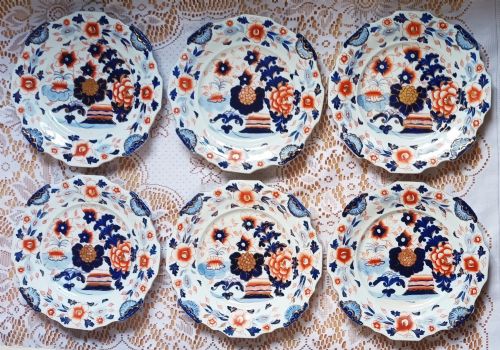


Blue Chinoiserie Wall Plates
Blue chinoiserie wall plates bring painted river landscapes and fantastical pavilions into interiors, offering centuries of ceramic history for display.
Blue Chinoiserie Wall Plates
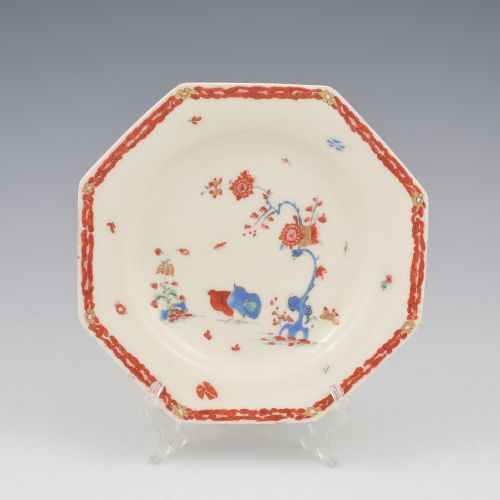
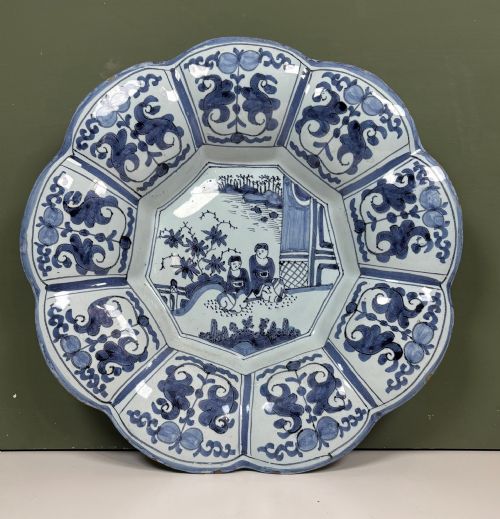
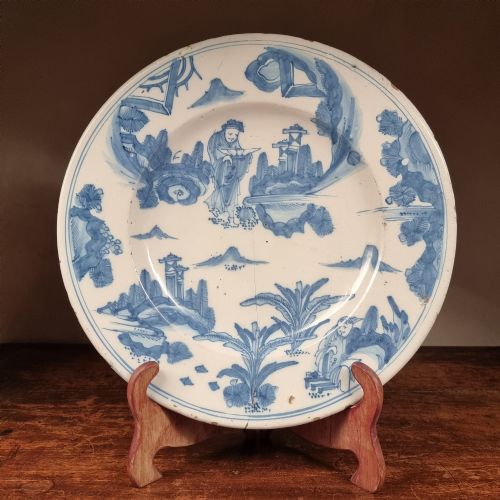
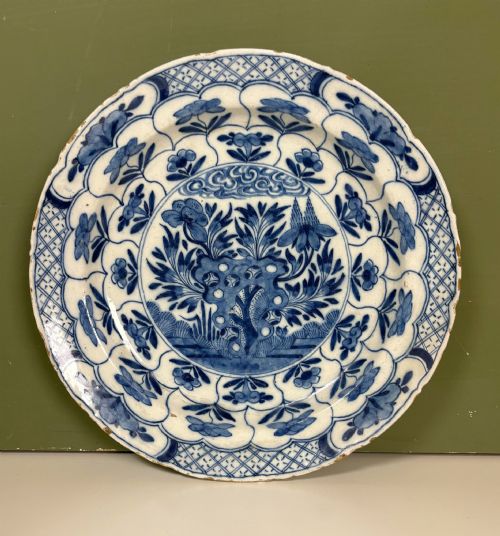
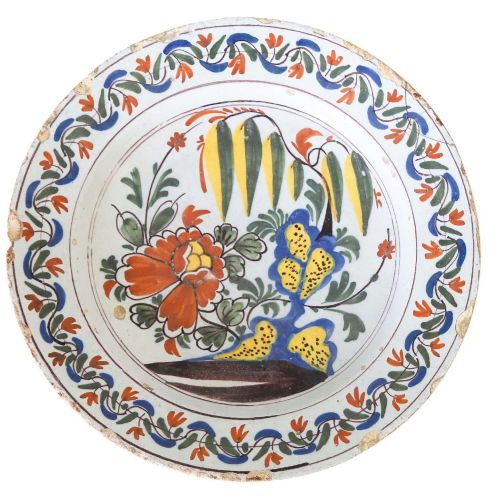
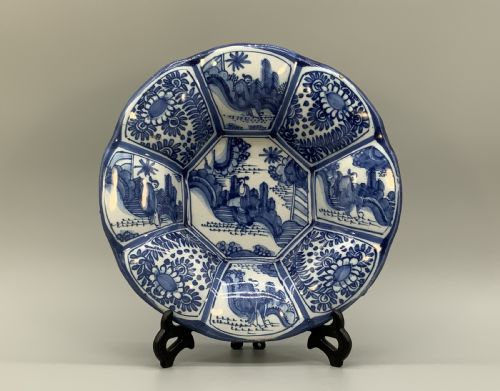
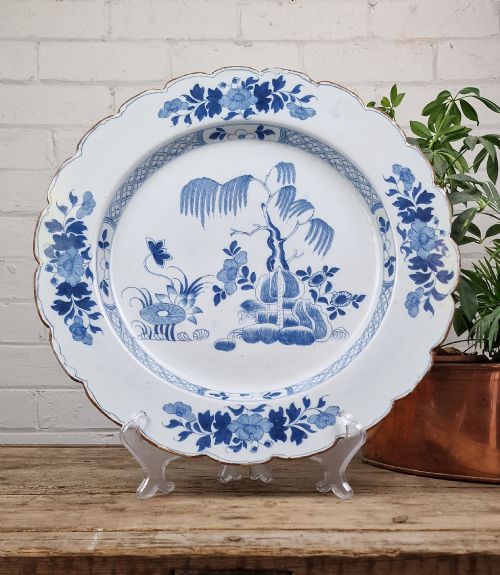
These blue chinoiserie wall plates encompass large chargers, decorative dishes, and dinner plates created across several centuries. They draw inspiration from Eastern designs, featuring hand-painted motifs of pagodas, figures, and garden scenes.
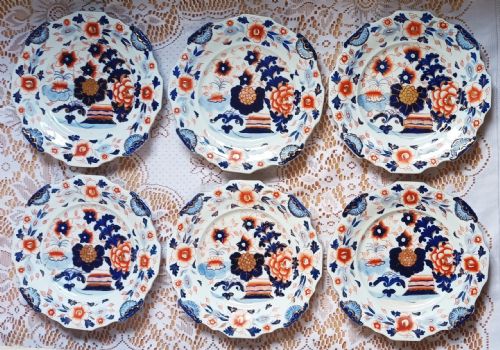
The selection on this page relies heavily on tin-glazed earthenware and delftware alongside later ironstone, pearlware, and porcelain bodies. Pieces originate from English, Dutch, and Asian workshops spanning the seventeenth century through to the Victorian era.
Delft chargers dominate the earlier periods, while nineteenth-century sets introduce transfer-printed ironstone and stoneware variants. Each piece provides a surface for imaginative orientalist storytelling executed in cobalt blue pigment.
Materials and Techniques
Potters shaped these vessels from earthenware, ironstone, pearlware, or porcelain before applying a base tin glaze or transparent coating. Cobalt pigment was then painted directly onto the unfired or biscuit surface to create the signature blue design.
Firing took place in traditional kilns where fluctuating temperatures often produced subtle pooling and variations in the glaze. Many examples received a clear protective gloss layer to seal the pigments and provide a reflective finish.
Listings combine seventeenth-century delft dishes with nineteenth-century ironstone plates, demonstrating the evolution of blue and white ceramics.
Judging Quality and Execution
Quality rests upon the crispness of the cobalt painting and the balance of the composition across the surface. Skilled brushwork delivers distinct architectural lines and expressive figures rather than hurried, blurred strokes.
The smoothness of the ceramic body and the uniformity of the glaze determine the baseline standard of a charger or plate. Early tin-glazed pieces show individual throwing rings and minor kiln stilt marks that evidence their age and handmade origins.
John Ridgway·Masons Ironstone·Caughley·Minton
The Blue Chinoiserie Wall Plates Glossary
- Chinoiserie
- European decorative style reflecting Chinese artistic influences. It employs imaginative scenes of pagodas, exotic flora, and pavilions.
- Delftware
- Tin-glazed earthenware produced in England, Holland, and elsewhere from the seventeenth century onward. It carries an opaque white glaze that mimics imported porcelain.
- Charger
- A large decorative plate intended for display on walls or sideboards rather than dining use. These items provide a wide canvas for elaborate blue and white painting.
- Ironstone
- A durable type of heavy earthenware patented in the nineteenth century. It resists chipping and served as a strong body for transfer-printed patterns.
- Pearlware
- A refined fine earthenware developed in late eighteenth-century England. A slight bluish tint in the glaze distinguishes it from standard creamware.
Blue Chinoiserie Wall Plates: Frequently Asked Questions
How do I hang antique wall plates safely?
Displaying heavy chargers requires specialised spring-loaded brass hangers that secure the rim without causing structural stress. Ensure the wall fixing matches the combined weight of the ceramic.
Avoid using adhesive disc hangers on porous earthenware or cracked bodies, as the glue can damage historic glazes over time.
How do I date a blue delft charger?
Dating relies on examining the weight, thickness, and composition of the earthenware body alongside the tone of the blue pigment. Earlier seventeenth and eighteenth-century pieces often display irregular rims and distinctive foot rings.
Glaze pooling on the reverse and characteristic foot fractures provide further clues to the period of manufacture.
What is the difference between delftware and ironstone?
Delftware is a softer tin-glazed earthenware developed centuries before nineteenth-century ironstone. It possesses an opaque white surface that chips more readily than dense ironstone bodies.
Ironstone was engineered for industrial durability, offering a heavier weight and a surface well-suited to detailed transfer-printing.