




Victorian Blue Ceramic Dishes
Victorian blue ceramic dishes bring nineteenth-century household utility and display together through robust earthenware, transfer prints, and rich cobalt glazes.
Victorian Blue Ceramic Dishes
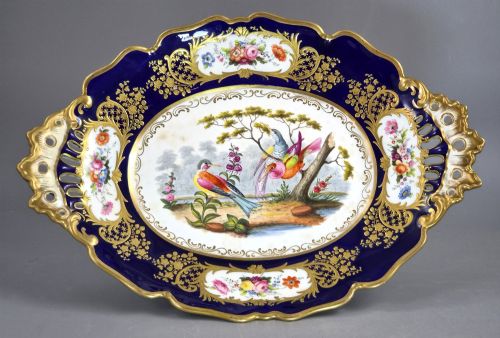
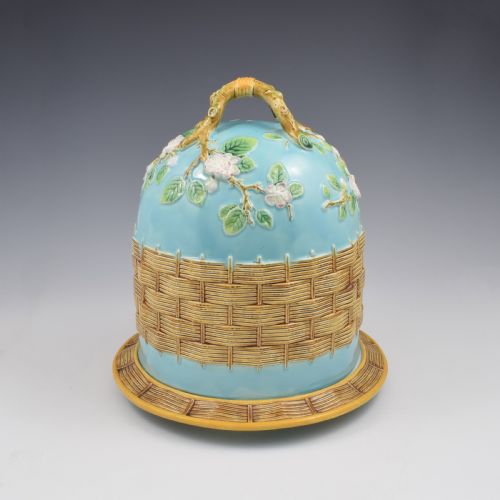
Victorian blue ceramic dishes encompass a wide range of utilitarian and decorative tablewares produced during the nineteenth century. When searching for victorian blue ceramic dishes, buyers encounter serving platters, vegetable tureens, large meat plates, and cheese domes decorated in deep blue tones.
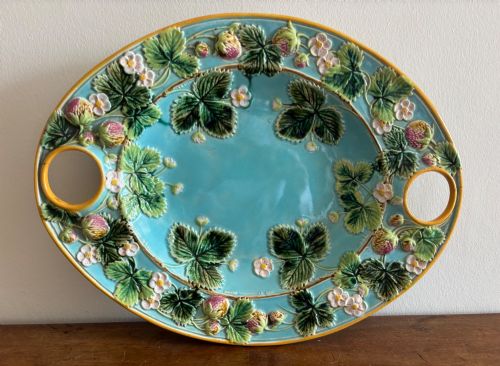
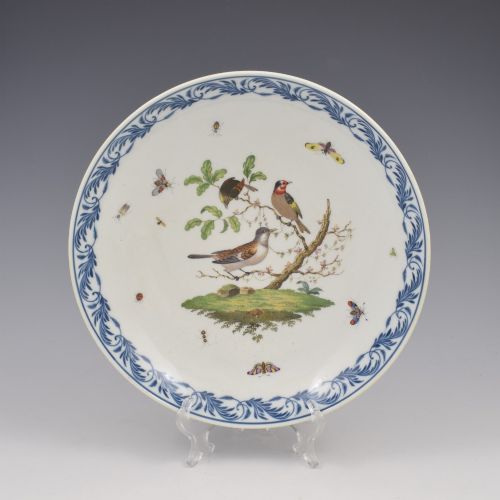
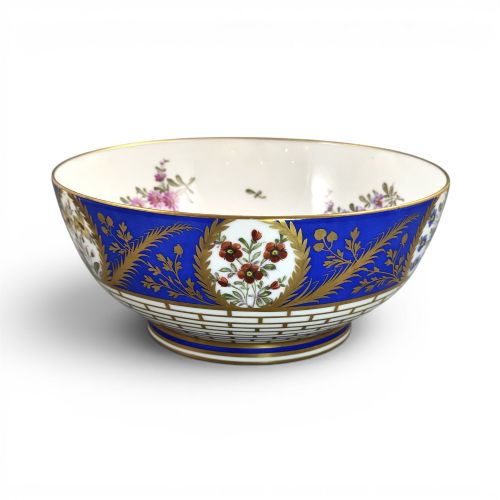
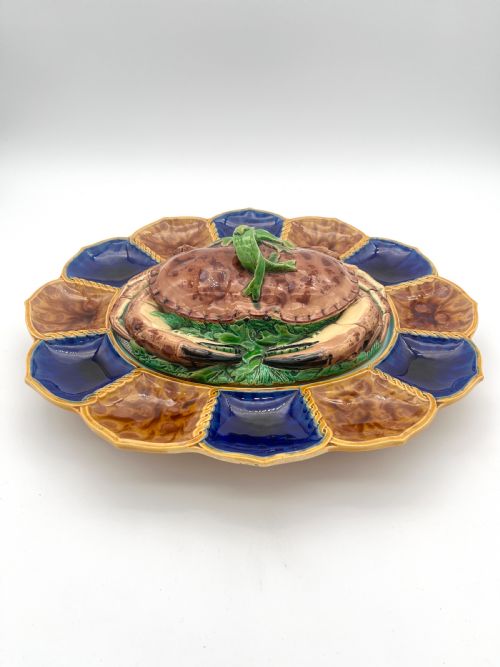
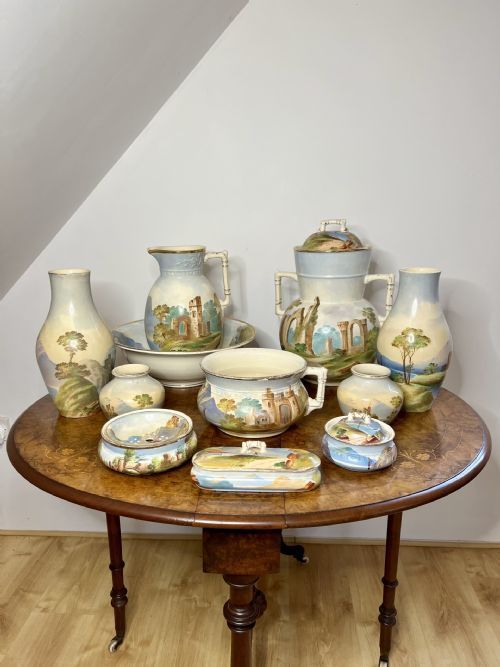
The selections on this page lean heavily toward nineteenth-century English earthenware and porcelain production. Transfer-printed rural scenes, willow patterns, and majolica forms dominate the offerings alongside continental porcelain plates and bowls.
Functional serveware shares space with decorative cabinet pieces and specialised vessels like cheese covers and sauce tureens. These items reflect the domestic dining habits and table decoration trends of the Victorian era.
Materials and production techniques
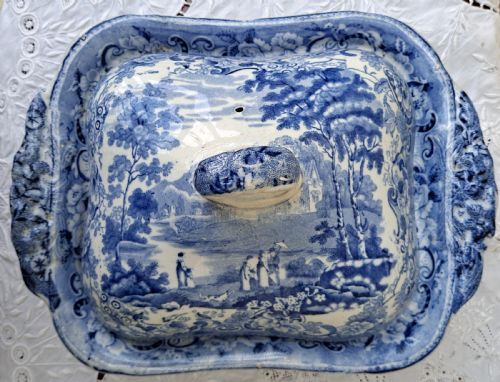
Potters of this era utilised earthenware, ironstone, stoneware, and porcelain as the structural bodies for their wares. Transfer printing allowed manufacturers to apply intricate blue designs onto pottery surfaces rapidly before applying a clear protective glaze.
Hand-painting and gilding frequently supplemented printed outlines on finer porcelain and majolica pieces, adding gold leaf and enamel details. Firing techniques in kilns determined the durability of the glaze and the depth of the cobalt blue colouration.
Listings feature eighteenth, nineteenth, and twentieth-century pieces executed in earthenware, porcelain, stoneware, and glazed ceramic.
Distinctions in quality and execution
Quality rests in the crispness of the transfer print and the uniformity of the blue glaze across large surfaces like meat platters and tureens. Well-defined mouldings on majolica cheese domes and crisp detailing on porcelain relief work separate standard utility items from superior examples.
The reputation of the pottery or manufacturer, from Wedgwood and Minton to lesser-known English and continental works, guides the distinction between ordinary domestic wares and works of notable artistic merit.
George Jones·Wedgwood·James Wallace and Co·Samson Paris·Minton·Royal Crown Derby·Pucher Deroche·Doulton Burslem·John Ridgway·Doulton Lambeth
The Victorian Blue Ceramic Dishes Glossary
- Transfer Print
- A decorative technique where an engraved copper plate transfers a design onto tissue paper, which is then stamped onto the unglazed pottery. This method enabled mass production of complex blue and white patterns during the nineteenth century.
- Majolica
- A type of earthenware coated with an opaque tin-lead glaze and painted with brightly coloured metal oxide enamels. Victorian majolica often takes naturalistic plant and animal forms.
- Tureen
- A deep covered bowl used for serving soups, sauces, or vegetables at the dining table. Nineteenth-century examples frequently include matching stands and ladles.
- Ironstone
- A heavy, durable type of ceramic patented in the nineteenth century to imitate Chinese porcelain. It resists chipping and forms the sturdy body of many large meat platters.
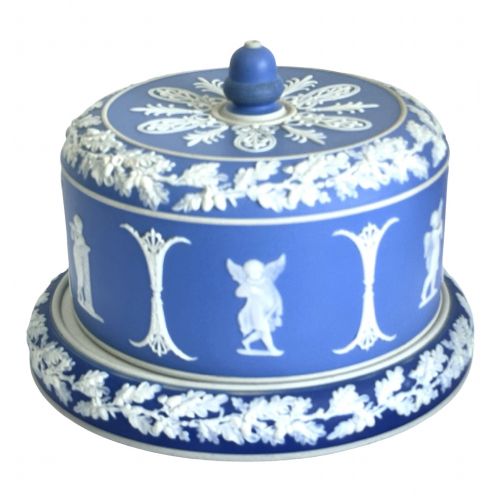
- Jasperware
- A fine-grained, unglazed stoneware developed by Wedgwood, typically featuring white relief ornaments set against a coloured background such as blue.
Victorian Blue Ceramic Dishes: Frequently Asked Questions
How do I date a blue ceramic dish?
Dating relies on maker marks, registration stamps, and stylistic clues inherent to the nineteenth century. Transfer print styles and ceramic bodies also provide general chronological parameters.
Assessing the wear on the base and the specific type of glaze helps confirm whether a piece originates from the early Victorian period or the late nineteenth century.
Were these blue dishes used daily?
Many transfer-printed earthenware platters and tureens saw heavy service in nineteenth-century dining rooms and kitchens. Durable ironstone bodies survived regular use during large family meals.
Finer porcelain plates and decorative cabinet pieces remained reserved for display or special occasions rather than daily dining.
What is the difference between earthenware and ironstone?
Earthenware is a porous, lower-fired ceramic that requires a complete glaze to hold liquids. It forms the body of many traditional transfer-printed plates.
Ironstone is a denser, harder, and heavier ceramic mixture patented to withstand heavy kitchen use while imitating expensive oriental porcelain.
How should I display a large meat platter?
Large nineteenth-century platters suit wall mounting using secure plate hangers or placement on sturdy sideboards and dressers. Their deep blue patterns provide strong visual anchors in a room.
Ensuring adequate support for heavy ironstone and earthenware pieces prevents accidental slips and protects the edges from impact.